
Alaska is home to some of the world’s most spectacular glaciers, and seeing them on a cruise is an unforgettable experience. From thunderous calving events to serene blue ice formations, these frozen giants offer awe-inspiring views that define the Alaskan wilderness.
Imagine standing on the deck of a cruise ship, the crisp Alaskan air filling your lungs, as a wall of ice taller than a skyscraper looms in the distance. The silence is broken only by the crack of ice splitting and the splash of icebergs crashing into the sea. This is the magic of seeing glaciers on an Alaska cruise—a front-row seat to one of nature’s most powerful and beautiful phenomena.
Alaska is home to over 100,000 glaciers, covering nearly 29,000 square miles. These frozen rivers of ice have been shaping the landscape for thousands of years, carving out fjords, valleys, and mountains. While many of these glaciers are remote and inaccessible, a cruise offers a unique opportunity to witness them up close, often from the comfort of a luxury ship. Whether you’re marveling at the thunderous calving of a tidewater glacier or quietly observing the slow, ancient flow of ice, each glacier tells a story of time, climate, and natural wonder.
From the towering Hubbard Glacier to the serene beauty of Mendenhall, each glacier offers a different experience. Some are best viewed from a distance, while others invite you to explore nearby trails or take a kayak tour. The best part? You don’t need to be an expert or a mountaineer to enjoy them—just bring your sense of adventure and a camera ready for breathtaking shots.
Key Takeaways
- Hubbard Glacier is the largest tidewater glacier in North America, stretching over 76 miles and calving massive icebergs into Disenchantment Bay.
- Mendenhall Glacier near Juneau is easily accessible and offers hiking trails, a visitor center, and stunning views just 13 miles from the city.
- Tracy Arm Fjord features the Sawyer Glaciers, surrounded by dramatic cliffs, waterfalls, and wildlife like seals and bears.
- Glacier Bay National Park is a UNESCO World Heritage Site with over a dozen active glaciers, including the famous Margerie and Grand Pacific Glaciers.
- College Fjord showcases 26 named glaciers, many named after Ivy League schools, offering a rare concentration of ice formations in one area.
- Best viewing times are from May to September, when cruise ships can navigate closer and weather conditions are most favorable.
- Bring warm, waterproof clothing and binoculars to fully enjoy the experience and capture the beauty of these icy wonders.
📑 Table of Contents
Hubbard Glacier: The Giant of the North
If you’re looking for sheer scale and raw power, Hubbard Glacier is the crown jewel of Alaska’s icy landscapes. At over 76 miles long and up to 7 miles wide, it’s the largest tidewater glacier in North America. Located where the Gulf of Alaska meets Disenchantment Bay, Hubbard Glacier is a force of nature that continues to advance—unlike most glaciers, which are retreating due to climate change.
Why Hubbard Glacier Stands Out
What makes Hubbard Glacier so special is its constant movement and dramatic calving events. Calving happens when chunks of ice break off the glacier’s face and crash into the water below. These events can send icebergs the size of buildings tumbling into the bay, creating waves that rock nearby ships. It’s a reminder of the glacier’s immense power and the dynamic nature of ice.
Cruise ships often spend several hours near Hubbard Glacier, allowing passengers to witness these calving events up close. The best views are from the ship’s starboard (right) side as you approach. Bring binoculars to spot seals lounging on ice floes or eagles perched on nearby cliffs. The glacier’s deep blue ice is especially striking in the sunlight, a result of dense, compressed snow that has turned to ice over centuries.
Tips for Viewing Hubbard Glacier
– Arrive early: The best lighting is in the morning when the sun hits the glacier’s face.
– Stay warm: Even in summer, it can be chilly near the glacier. Dress in layers and bring a waterproof jacket.
– Listen for the sounds: The glacier makes constant cracking and groaning noises as it shifts—part of the full sensory experience.
Mendenhall Glacier: Juneau’s Accessible Wonder
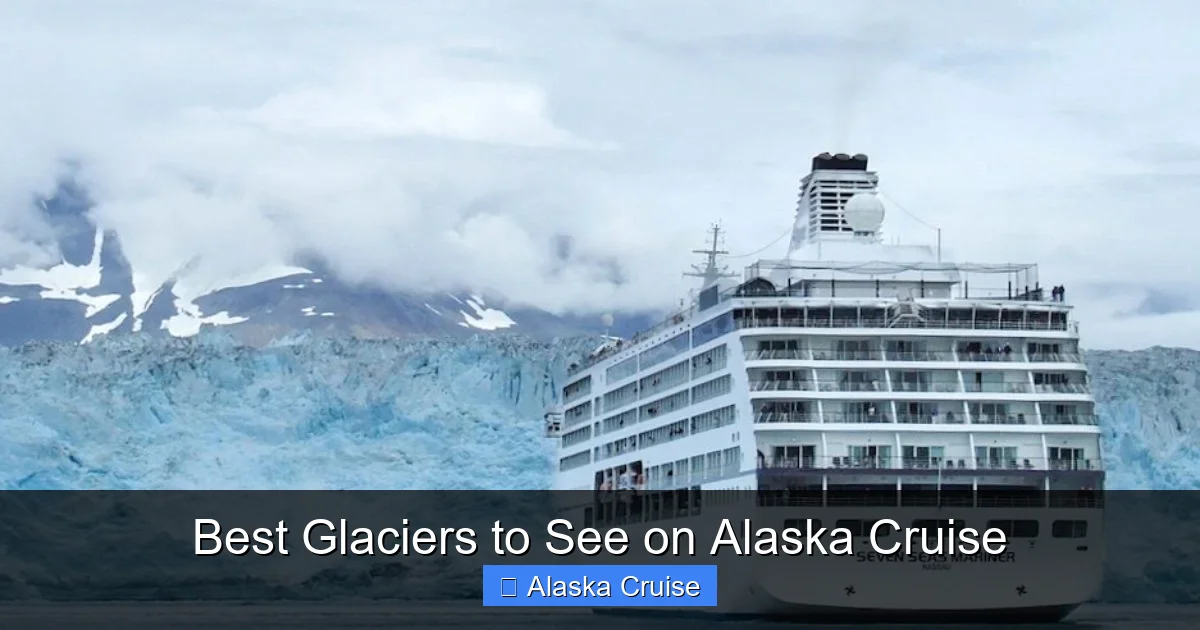
Visual guide about Best Glaciers to See on Alaska Cruise
Image source: uploads.alaska.org
While many Alaskan glaciers are remote, Mendenhall Glacier is refreshingly easy to reach. Located just 13 miles from downtown Juneau, it’s one of the few glaciers accessible by road. This makes it a favorite stop for cruise passengers who take a shore excursion to explore the area.
A Glacier with a Viewing Platform
The Mendenhall Glacier Visitor Center offers panoramic views of the glacier and Nugget Falls, a waterfall that cascades down the mountainside. The center features educational exhibits about glaciers, wildlife, and climate change, making it a great stop for families and curious travelers.
For a closer look, hike the 3.5-mile round-trip trail to the glacier’s edge. The path is well-maintained and suitable for most fitness levels. Along the way, you might spot black bears, bald eagles, or salmon spawning in the creek. The trail ends at a viewing platform right above the glacier, where you can feel the cold air rising from the ice.
Why Mendenhall Is Special
Mendenhall Glacier is about 13 miles long and flows from the Juneau Icefield. While it has been retreating over the past century, it remains a stunning example of a valley glacier. Its blue ice is particularly vivid, and the contrast with the surrounding greenery makes for incredible photos.
One unique feature is the glacier’s “ice caves”—formed when meltwater carves tunnels beneath the ice. These caves are stunning but can be dangerous and are not officially open to the public. However, guided tours with certified operators offer safe access during the summer months.
Best Time to Visit
The visitor center is open from May to September, with peak season in July and August. Early morning visits offer fewer crowds and better lighting for photography. If you’re on a cruise, consider booking a guided tour that includes transportation, a glacier walk, and a visit to the visitor center.
Tracy Arm Fjord and the Sawyer Glaciers
For a more intimate and dramatic glacier experience, Tracy Arm Fjord is a must-see. This narrow, 30-mile-long fjord is surrounded by steep granite cliffs, waterfalls, and dense forest. At its end lie the twin Sawyer Glaciers—North Sawyer and South Sawyer—both actively calving into the fjord.
A Wilderness Adventure
Tracy Arm is often described as one of the most beautiful places in Alaska. The fjord is so narrow in places that cruise ships must turn slowly to navigate. The silence is profound, broken only by the sound of dripping water, bird calls, and the occasional crack of ice.
The Sawyer Glaciers are smaller than Hubbard or Mendenhall, but their setting makes them unforgettable. The North Sawyer Glacier is particularly active, with frequent calving events that send icebergs tumbling into the water. South Sawyer is more stable but equally stunning, with deep blue crevasses and ice formations.
Wildlife in Tracy Arm
The fjord is a hotspot for wildlife. Keep an eye out for harbor seals resting on ice floes, black bears foraging along the shore, and mountain goats perched on cliffs. Bald eagles and puffins are also common. Some cruise ships offer naturalist guides who point out animals and explain the ecosystem.
Tips for Visiting Tracy Arm
– Book a small ship or expedition cruise: Larger ships may not be able to navigate the narrow fjord. Smaller vessels offer a more immersive experience.
– Bring a camera with a zoom lens: Wildlife and distant ice formations are best captured with a telephoto lens.
– Be patient: Ships often slow down or stop to allow passengers to take in the views. Use this time to relax and soak in the scenery.
Glacier Bay National Park: A UNESCO Treasure
Glacier Bay National Park is one of Alaska’s most iconic destinations and a highlight of many cruise itineraries. This UNESCO World Heritage Site spans over 3.3 million acres and is home to more than a dozen active glaciers. It’s a living laboratory for scientists studying climate change and glacier dynamics.
Margerie and Grand Pacific Glaciers
Two of the most famous glaciers in Glacier Bay are Margerie and Grand Pacific. Margerie Glacier is a classic example of a tidewater glacier, with a long, sweeping face that calves into the bay. It’s known for its deep blue ice and frequent calving events. Grand Pacific Glacier, on the other hand, is a valley glacier that flows from the Fairweather Range. It’s less active but offers stunning views of ice formations and crevasses.
A Park with a Purpose
Glacier Bay was largely covered by ice just 200 years ago. As the glacier retreated, it revealed a fjord that has since become a haven for marine life. Today, the park is home to humpback whales, orcas, sea lions, and countless seabirds. The park’s visitor center on Bartlett Cove offers exhibits and ranger-led programs.
Best Way to Experience Glacier Bay
Most cruise ships spend a full day in Glacier Bay, often with a National Park Service ranger on board to provide commentary. The ship will slow down near key glaciers, allowing passengers to observe calving events and wildlife. Some ships also offer Zodiac tours or kayaking excursions for a closer look.
What to Expect
– Wildlife sightings: Humpback whales are common in the summer, often feeding near the glacier fronts.
– Changing landscapes: The park is still evolving as glaciers continue to retreat.
– Educational opportunities: Rangers share fascinating facts about glacier science and conservation.
College Fjord: A Glacier Gallery
If you’re a fan of glaciers, College Fjord is like a gallery of icy masterpieces. Located near Whittier, this fjord is home to 26 named glaciers—more than any other fjord in Alaska. Many of these glaciers are named after Ivy League colleges, such as Harvard, Yale, and Princeton, a nod to the explorers who first charted the area.
A Rare Concentration of Glaciers
What makes College Fjord unique is the sheer number of glaciers visible from one location. As your ship sails through the fjord, you’ll pass glacier after glacier, each with its own character. Some are active tidewater glaciers, while others are slower-moving valley glaciers.
The fjord is surrounded by towering mountains and lush forests, creating a dramatic backdrop. Waterfalls cascade down the cliffs, fed by melting ice. The combination of ice, water, and wildlife makes for a truly unforgettable experience.
Wildlife and Scenery
College Fjord is also rich in wildlife. Look for sea otters floating on their backs, harbor seals basking on rocks, and bald eagles soaring above. In the summer, salmon run up the streams, attracting bears and birds.
Best Time to Visit
College Fjord is typically included in cruise itineraries from May to September. The best views are in the early morning when the light is soft and the water is calm. Some ships offer guided commentary, pointing out each glacier and sharing its history.
Tips for Enjoying College Fjord
– Sit on the port (left) side: Most glaciers are visible from this side as the ship enters the fjord.
– Bring a jacket: The fjord can be windy, even in summer.
– Take photos early: The morning light enhances the blue tones of the ice.
Tips for Seeing Glaciers on an Alaska Cruise
Seeing glaciers on an Alaska cruise is a once-in-a-lifetime experience, but a little preparation goes a long way. Here are some practical tips to make the most of your journey.
What to Pack
– Layered clothing: Temperatures can vary widely, even in summer. Bring a base layer, insulating layer, and waterproof outer layer.
– Waterproof jacket and pants: Essential for staying dry during Zodiac tours or when the ship sprays water near calving glaciers.
– Binoculars: Perfect for spotting wildlife and distant ice formations.
– Camera with extra batteries: Cold weather drains batteries quickly.
– Sunglasses and sunscreen: The sun reflects off the ice, increasing UV exposure.
Best Time to Cruise
The Alaska cruise season runs from May to September. July and August are the most popular months, with the warmest weather and longest days. However, early or late season cruises offer fewer crowds and lower prices. May and September also have a higher chance of seeing northern lights, though glaciers are still the main attraction.
Choosing the Right Cruise
Not all cruises visit the same glaciers. Larger ships may only stop at major sites like Hubbard or Glacier Bay, while smaller expedition ships can navigate narrow fjords like Tracy Arm or College Fjord. Consider your priorities: do you want luxury and comfort, or adventure and intimacy?
Respect the Environment
Glaciers are fragile and affected by climate change. Always follow park guidelines, stay on designated paths, and avoid touching the ice. Remember, you’re a guest in a wild and sacred place.
Capture the Moment
While photos are great, don’t forget to put the camera down and simply experience the moment. Listen to the sounds, feel the cold air, and let the beauty of the glaciers sink in.
Conclusion
Seeing glaciers on an Alaska cruise is more than just a sightseeing activity—it’s a journey into the heart of nature’s power and beauty. From the towering Hubbard Glacier to the accessible Mendenhall, each glacier offers a unique perspective on the forces that shape our planet.
Whether you’re watching icebergs calve into the sea, hiking to a glacier’s edge, or simply soaking in the silence of a fjord, these experiences stay with you long after the cruise ends. Alaska’s glaciers are not just frozen rivers of ice—they’re living, breathing parts of a dynamic landscape that continues to change with time.
So pack your bags, bring your sense of wonder, and get ready to witness some of the most spectacular natural wonders on Earth. The best glaciers to see on an Alaska cruise are waiting.
Frequently Asked Questions
What is the best time of year to see glaciers on an Alaska cruise?
The best time to see glaciers on an Alaska cruise is from May to September. July and August offer the warmest weather and longest days, while May and September have fewer crowds and lower prices.
Can you walk on the glaciers during a cruise?
Most cruise ships don’t allow passengers to walk on glaciers for safety and environmental reasons. However, shore excursions with certified guides may offer glacier hikes near ports like Juneau or Seward.
Are glaciers shrinking in Alaska?
Yes, most glaciers in Alaska are retreating due to climate change. However, some, like Hubbard Glacier, are still advancing. Scientists study these changes to understand global warming impacts.
What should I wear when viewing glaciers?
Wear layered, waterproof clothing, including a warm jacket, gloves, and sturdy shoes. Bring binoculars and a camera, and don’t forget sunglasses and sunscreen for the reflective ice.
Do all Alaska cruises visit glaciers?
Most Alaska cruises visit at least one glacier, but the specific glaciers depend on the itinerary. Popular stops include Hubbard, Mendenhall, and Glacier Bay. Check your cruise route in advance.
Is it safe to be near calving glaciers?
Cruise ships maintain a safe distance from calving glaciers. While calving can create waves, ships are designed to handle them. Always follow crew instructions and stay on deck only when permitted.