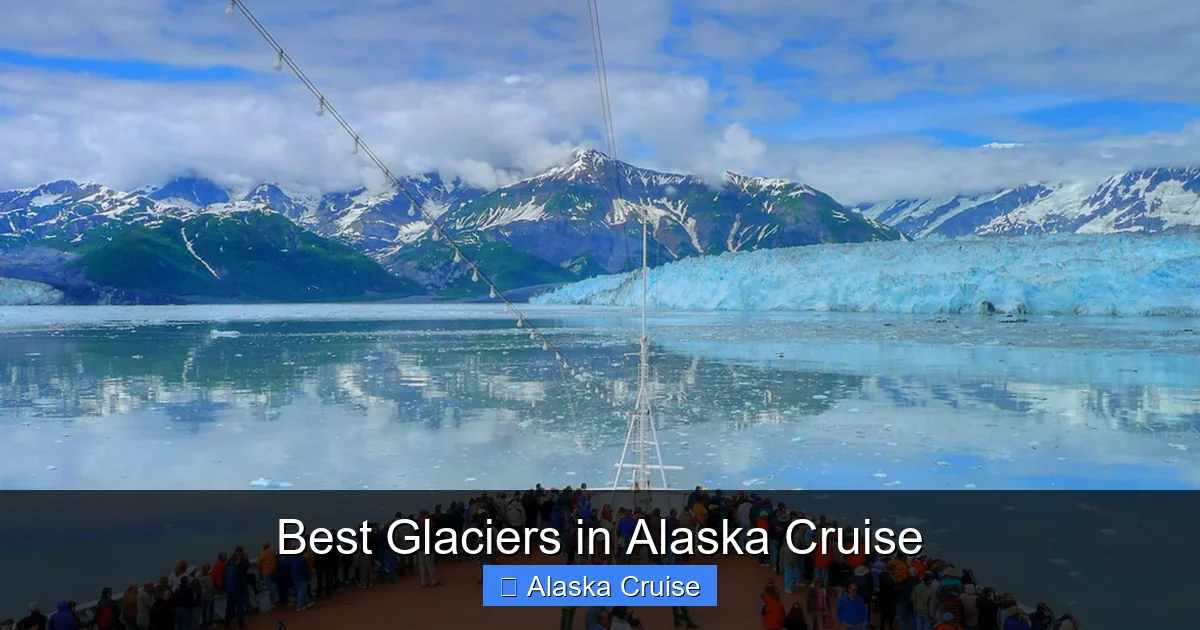
Alaska cruises offer some of the world’s most breathtaking glacier experiences, with towering ice walls, calving events, and pristine wilderness. From the massive Hubbard Glacier to the accessible Mendenhall, each stop delivers awe-inspiring views and unforgettable moments on the water.
Key Takeaways
- Hubbard Glacier is the largest tidewater glacier in North America, stretching over 70 miles and often calving massive icebergs right in front of ships.
- Tracy Arm Fjord features the twin Sawyer Glaciers, set in a dramatic U-shaped valley with steep cliffs and abundant wildlife.
- Mendenhall Glacier near Juneau is easily accessible and offers on-land viewing options, making it ideal for shore excursions.
- College Fjord showcases 26 named glaciers, including several from Ivy League schools, with stunning views from the ship’s deck.
- Glacier Bay National Park is a UNESCO World Heritage Site with over a dozen active glaciers, including Margerie and Grand Pacific.
- Best viewing times are mid-June to early August when weather is milder and glaciers are most active.
- Pack layers, binoculars, and a waterproof jacket to fully enjoy glacier viewing and potential spray from calving ice.
📑 Table of Contents
Introduction to Glaciers on an Alaska Cruise
If you’ve ever dreamed of standing on a ship’s deck, surrounded by towering walls of blue ice and the thunderous crack of calving glaciers, then an Alaska cruise is your ticket to that dream. Alaska is home to over 100,000 glaciers, covering nearly 29,000 square miles—more than the entire state of West Virginia. These icy giants aren’t just beautiful; they’re dynamic, living parts of the landscape, constantly moving, melting, and reshaping the coastline.
Glaciers form over centuries as snow accumulates, compresses, and slowly turns into dense ice. When this ice flows into the ocean, it becomes a tidewater glacier—like the ones you’ll see on an Alaska cruise. These glaciers are especially dramatic because they extend into fjords and bays, allowing ships to get remarkably close. The experience is both humbling and exhilarating: you’re witnessing one of nature’s most powerful forces up close, in real time.
Most Alaska cruises from May to September include at least one glacier stop, but the best itineraries feature multiple glacier-rich destinations. Whether you’re sailing the Inside Passage or venturing into the Gulf of Alaska, you’ll likely pass by some of the most iconic glaciers on the planet. From the thunderous Hubbard Glacier to the serene beauty of Mendenhall, each glacier offers a unique perspective on Alaska’s wild heart.
Why Glaciers Are a Must-See on an Alaska Cruise
Glaciers aren’t just scenic backdrops—they’re central to the Alaska cruise experience. They define the landscape, influence the climate, and support a rich ecosystem. When you sail past a glacier, you’re not just looking at ice; you’re seeing a record of Earth’s climate history, preserved in layers that can be thousands of years old.
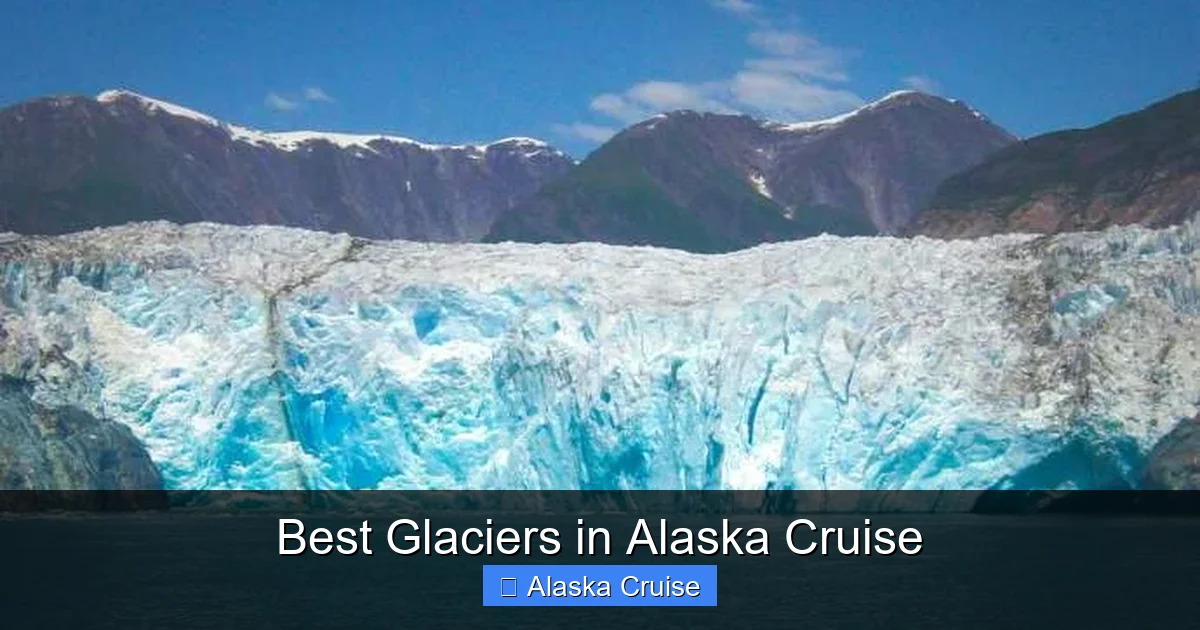
Visual guide about Best Glaciers in Alaska Cruise
Image source: uploads.alaska.org
One of the most thrilling aspects of glacier viewing is the chance to witness calving—the moment when chunks of ice break off and crash into the water. It’s loud, sudden, and utterly mesmerizing. The sound can travel for miles, and the resulting waves can rock even large cruise ships. It’s a reminder of nature’s raw power and unpredictability.
Beyond the spectacle, glaciers play a vital role in Alaska’s environment. They feed rivers, support salmon runs, and provide habitat for marine life like seals and whales. Many glaciers are also indicators of climate change, with scientists closely monitoring their retreat. Seeing them in person adds a layer of urgency and appreciation for conservation efforts.
For travelers, glaciers offer unparalleled photo opportunities, wildlife sightings, and a deep sense of connection to the natural world. Whether you’re a first-time cruiser or a seasoned adventurer, the glaciers of Alaska will leave you in awe.
What Makes a Glacier “Best” for Cruising?
Not all glaciers are created equal when it comes to cruise viewing. The “best” glaciers are those that are accessible, visually dramatic, and frequently active. Accessibility matters because cruise ships need calm waters and safe navigation. Glaciers in deep fjords or narrow channels—like Tracy Arm or Glacier Bay—are ideal because they allow ships to get close without risk.
Visual drama comes from height, color, and scale. Glaciers with tall blue ice faces, deep crevasses, and active calving zones are the most impressive. The deep blue color is caused by the compression of snow over time, which removes air bubbles and increases ice density. The more compressed the ice, the deeper the blue.
Activity level is also key. Glaciers that calve frequently—like Hubbard or Margerie—offer more dynamic viewing. A glacier that hasn’t calved in weeks might still be beautiful, but it won’t have the same wow factor. Cruise lines often time their itineraries to maximize the chances of seeing calving events, especially during peak summer months.
Top Glaciers to See on an Alaska Cruise
Alaska’s glaciers are as diverse as they are numerous. Some are massive tidewater glaciers that dominate the coastline, while others are smaller valley glaciers tucked into mountain valleys. Here are the top glaciers you’re likely to encounter on a typical Alaska cruise, each with its own unique charm and viewing experience.
Hubbard Glacier: The Mighty Ice Giant
Hubbard Glacier is the largest tidewater glacier in North America, stretching over 70 miles from its source in the Yukon to its terminus in Disenchantment Bay. It’s so massive that it occasionally advances far enough to block the entrance to Russell Fjord, creating a temporary lake. This phenomenon, known as a “glacier dam,” has happened several times in recorded history, most recently in 2002.
When cruise ships approach Hubbard Glacier, they often slow to a crawl, giving passengers ample time to take in the sheer scale. The glacier’s face can be over 300 feet tall, and its blue ice glows under the Alaskan sun. Calving events here are spectacular—large chunks of ice can break off with a thunderous roar, sending waves across the bay.
One of the best things about Hubbard Glacier is its predictability. Unlike some glaciers that retreat rapidly, Hubbard has been advancing for decades, making it a reliable stop for cruise lines. It’s typically included on itineraries that sail the Gulf of Alaska, such as round-trip voyages from Seattle or Vancouver.
Pro tip: Bring binoculars and a zoom lens. The glacier is often viewed from a distance due to floating ice, but even from afar, the details are stunning.
Tracy Arm and the Sawyer Glaciers: A Fjord of Ice
Tracy Arm is a narrow, 30-mile-long fjord located south of Juneau. It’s one of the most dramatic settings for glacier viewing in Alaska, with steep granite walls rising over 3,000 feet on either side. At the end of the fjord, two glaciers—North Sawyer and South Sawyer—flow into the water, creating a scene straight out of a nature documentary.
The Sawyer Glaciers are smaller than Hubbard but no less impressive. They’re actively calving, and the fjord’s confined space amplifies the sound and impact of each event. Icebergs of all shapes and sizes float in the water, some as large as small houses. The combination of towering ice, deep blue water, and echoing sounds makes Tracy Arm a favorite among photographers and nature lovers.
Many cruise lines offer optional excursions into Tracy Arm via smaller boats or kayaks. These allow you to get even closer to the glaciers and explore ice-filled coves. Wildlife is abundant here too—bears, mountain goats, and seals are often spotted along the shoreline.
Note: Tracy Arm is only accessible during summer months, and weather can be unpredictable. Some ships may not enter due to ice conditions, so it’s not guaranteed on every cruise.
College Fjord: A Glacier Gallery
College Fjord, located near Whittier, is one of the most unique glacier destinations in Alaska. It’s home to 26 named glaciers, many of which were named after Ivy League colleges by a group of Harvard and Yale alumni who explored the area in 1899. You’ll find glaciers named after Harvard, Yale, Princeton, and even Smith and Wellesley.
The fjord itself is wide and open, allowing ships to cruise slowly past multiple glaciers in a single day. The contrast between the dark rock faces and the bright blue ice is striking. Some glaciers, like the Harvard Glacier, are actively advancing, while others are retreating due to climate change.
One of the highlights of College Fjord is the sheer number of glaciers visible from the ship. You can spend hours on deck, watching ice calve, birds soar, and seals bask on ice floes. It’s a great spot for wildlife photography and quiet reflection.
Most Alaska cruises that include College Fjord are part of itineraries departing from or arriving in Seward or Whittier. It’s often paired with a visit to Kenai Fjords National Park, where you might also see marine wildlife like whales and sea otters.
Glacier Bay National Park: A UNESCO Treasure
Glacier Bay National Park and Preserve is a UNESCO World Heritage Site and one of the crown jewels of the Alaska cruise experience. Located near Gustavus, the park is home to over a dozen active glaciers, including the famous Margerie and Grand Pacific Glaciers. It’s also a critical habitat for humpback whales, sea lions, and bald eagles.
The park is managed by the National Park Service, and cruise ships are required to have a park ranger on board during the visit. These rangers provide expert commentary, sharing insights about the glaciers, wildlife, and the park’s history. They also help ensure that ships follow strict environmental guidelines to protect the fragile ecosystem.
Margerie Glacier is one of the most photographed glaciers in Alaska. Its towering ice face, deep blue color, and frequent calving make it a favorite among passengers. Grand Pacific Glacier, located across the bay, is equally impressive, with a wide, sweeping face that calves into the water.
One of the unique aspects of Glacier Bay is its rapid glacial retreat. In the 1700s, the entire bay was filled with ice. Today, the glaciers have retreated over 60 miles, revealing a stunning fjord system. This transformation is a powerful reminder of how dynamic Alaska’s landscape is.
Most major cruise lines include Glacier Bay on their Inside Passage itineraries. The park is typically visited in the morning, with ships anchoring offshore and passengers enjoying the views from the deck. Some lines also offer optional kayaking or hiking excursions from nearby Gustavus.
Mendenhall Glacier: Juneau’s Backyard Wonder
While not always visible from a cruise ship, Mendenhall Glacier is a must-see if your itinerary includes a stop in Juneau. Located just 12 miles from downtown, it’s one of the most accessible glaciers in Alaska. Many cruise passengers take shore excursions to the Mendenhall Glacier Visitor Center, where they can walk along trails, view the glacier up close, and learn about its history.
The glacier itself is about 13 miles long and flows from the Juneau Icefield. It’s currently retreating, but its face remains dramatic, with deep crevasses and blue ice formations. The visitor center offers stunning viewpoints, including a boardwalk that leads to Nugget Falls, where meltwater from the glacier cascades down a cliff.
One of the best things about Mendenhall is the variety of experiences available. You can hike the trails, take a guided tour, or even go ice climbing (with proper gear and guides). There’s also a chance to see black bears fishing for salmon in the creek below.
Even if you don’t leave the ship, you might catch a glimpse of Mendenhall from the water, especially if your cruise docks near the glacier. But for the full experience, a shore excursion is highly recommended.
Best Times to See Glaciers on an Alaska Cruise
The best time to see glaciers on an Alaska cruise is from mid-June to early August. During this period, the weather is milder, daylight lasts up to 18 hours, and glaciers are most active. Calving events are more frequent in summer due to warmer temperatures and increased meltwater, which lubricates the glacier’s base and encourages movement.
May and early June offer fewer crowds and lower prices, but some glaciers may still be locked in ice, limiting ship access. Late August and September bring stunning fall colors and fewer tourists, but weather can be unpredictable, and some excursions may be canceled due to storms.
Keep in mind that glacier activity varies year to year. Some years, certain glaciers calve frequently; other years, they’re relatively quiet. Cruise lines monitor conditions and may adjust itineraries to maximize viewing opportunities.
Weather and Visibility Tips
Alaska’s weather can change quickly, even in summer. Mornings are often foggy, which can obscure views, but skies usually clear by midday. Afternoon light is ideal for photography, especially when the sun hits the blue ice.
Pack layers: temperatures on the water can be chilly, even in July. A waterproof jacket is essential, as calving glaciers can send spray across the deck. Don’t forget sunglasses, sunscreen, and a hat—reflected light off the ice can be intense.
Binoculars are a must for spotting wildlife and distant calving events. A camera with a good zoom lens will help you capture details that are hard to see with the naked eye.
Tips for the Best Glacier Viewing Experience
To make the most of your glacier viewing, plan ahead and know what to expect. Here are some practical tips to enhance your experience:
- Choose the right cabin: A cabin with a balcony or forward-facing window gives you uninterrupted views. Midship cabins are more stable in rough seas.
- Arrive early on deck: Popular viewing spots fill up quickly. Head to the bow or upper decks for the best angles.
- Stay patient: Glaciers don’t calve on schedule. Bring a book or chat with fellow passengers while you wait.
- Listen for announcements: Cruise staff will alert you to calving events or wildlife sightings. Keep your ears open.
- Respect the environment: Never throw anything overboard, and follow all park guidelines to protect these fragile ecosystems.
Conclusion: Why Glaciers Make Alaska Cruises Unforgettable
Glaciers are more than just a highlight of an Alaska cruise—they’re the soul of the journey. They represent the raw beauty, power, and fragility of the natural world. Standing before a towering wall of ice, listening to the crack of calving, and feeling the cool mist on your face is an experience that stays with you long after the cruise ends.
From the massive Hubbard Glacier to the intimate beauty of Mendenhall, each glacier tells a story of time, climate, and resilience. Whether you’re a nature lover, a photographer, or simply seeking adventure, the glaciers of Alaska will exceed your expectations. So pack your bags, bring your sense of wonder, and prepare to be amazed by the best glaciers in Alaska cruise itineraries.
Frequently Asked Questions
Which glacier is the best to see on an Alaska cruise?
Hubbard Glacier is often considered the best due to its massive size, frequent calving, and dramatic presence. However, Tracy Arm’s Sawyer Glaciers and Glacier Bay’s Margerie Glacier are also top contenders for their beauty and accessibility.
Can you get close to the glaciers on a cruise ship?
Yes, cruise ships can get remarkably close to many glaciers, especially in fjords like Tracy Arm and Glacier Bay. However, safety regulations and floating ice may limit how near the ship can approach.
Do glaciers calve every day on an Alaska cruise?
Not every day, but calving is common during summer months. Some glaciers, like Hubbard and Margerie, calve frequently, while others may be quieter. It’s a natural process that varies by location and season.
Is it safe to be near calving glaciers?
Yes, cruise ships maintain a safe distance and follow strict guidelines. Calving can create waves, but ships are designed to handle them. Always stay on designated decks and follow crew instructions.
Can you visit glaciers on land during an Alaska cruise?
Yes, many ports like Juneau and Skagway offer shore excursions to glaciers such as Mendenhall and Exit Glacier. These allow you to walk on trails, take guided tours, and get up close to the ice.
What should I wear when viewing glaciers on a cruise?
Wear layers, including a waterproof jacket, warm hat, gloves, and sturdy shoes. Even in summer, it can be cold and windy near the glaciers, especially if calving sends spray into the air.