If you’re dreaming of spotting humpback whales breaching, brown bears fishing for salmon, or bald eagles soaring above icy fjords, an Alaskan cruise is your front-row seat to nature’s greatest show. From small expedition ships to luxury liners, the best Alaskan cruises for wildlife experiences combine expert naturalist guides, remote itineraries, and sustainable practices to deliver unforgettable encounters with Alaska’s wild heart.
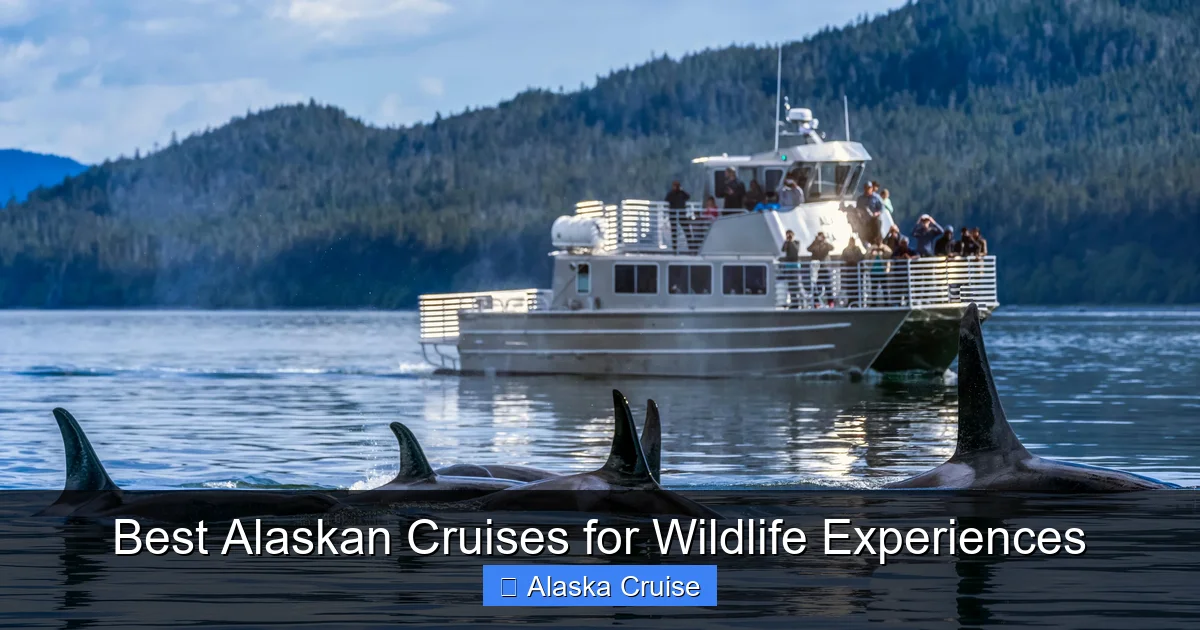
Imagine standing on the deck of a ship, the crisp Alaskan air filling your lungs, as a humpback whale arcs gracefully out of the water just 50 yards away. Nearby, a pod of orcas glides silently through the icy blue waves, their black-and-white fins cutting through the surface like nature’s own stealth submarines. Onshore, a grizzly bear lumbers along the riverbank, focused on the salmon run, while a bald eagle perches high in a spruce tree, scanning the horizon. This isn’t a scene from a nature documentary—it’s what you can experience on the best Alaskan cruises for wildlife experiences.
Alaska is one of the last true wilderness frontiers on Earth, and a cruise is one of the most immersive ways to explore it. Unlike land-based tours, a cruise lets you glide through pristine fjords, remote islands, and protected marine parks—many of which are inaccessible by road. Whether you’re a seasoned wildlife enthusiast or a first-time traveler, an Alaskan cruise offers unparalleled access to some of the planet’s most dramatic and diverse ecosystems. From the towering glaciers of Glacier Bay National Park to the lush rainforests of Tongass National Forest, every turn of the ship reveals a new wonder.
But not all Alaskan cruises are created equal when it comes to wildlife. Some focus on luxury and entertainment, while others prioritize adventure and conservation. The best Alaskan cruises for wildlife experiences are those that blend comfort with purpose—offering expert-led excursions, small-group adventures, and itineraries designed to maximize your chances of seeing Alaska’s iconic animals in their natural habitat. In this guide, we’ll explore the top cruise lines, routes, and tips to help you choose the perfect voyage for your wildlife adventure.
Key Takeaways
- Wildlife-rich itineraries matter: Choose cruises that visit Glacier Bay, Icy Strait Point, and the Inside Passage—hotspots for whales, bears, and marine birds.
- Smaller ships offer better access: Expedition vessels under 200 passengers can navigate narrow channels and anchor closer to wildlife zones.
- Onboard naturalists enhance the experience: Look for cruise lines with certified marine biologists or park rangers leading excursions and lectures.
- Timing is everything: May through September offers the best weather and peak wildlife activity, with July and August being prime for bear viewing.
- Shore excursions boost sightings: Kayaking, zodiac tours, and guided hikes increase your chances of close encounters with Alaska’s iconic animals.
- Sustainable tourism protects wildlife: Opt for eco-certified cruise lines that follow responsible wildlife viewing guidelines.
- Pack smart for wildlife viewing: Bring binoculars, a zoom camera, layered clothing, and waterproof gear for optimal observation.
📑 Table of Contents
Why Alaska Is a Wildlife Paradise
Alaska isn’t just big—it’s wild, raw, and teeming with life. With over 660,000 square miles of land and coastline, it’s home to more than 430 species of birds, 115 species of mammals, and countless marine creatures. The state’s unique geography—ranging from coastal rainforests to Arctic tundra—creates a mosaic of habitats that support an incredible diversity of wildlife.
One of the key reasons Alaska is such a hotspot for wildlife is its seasonal abundance. During the summer months, the long daylight hours trigger a burst of biological activity. Salmon return to rivers to spawn, drawing in bears, eagles, and otters. Whales migrate north to feed on krill and small fish in the nutrient-rich waters of the Gulf of Alaska. Seabird colonies explode with activity, with puffins, murres, and kittiwakes nesting on cliff ledges by the thousands.
The marine environment is equally rich. The cold, oxygen-rich waters of the Inside Passage and the Gulf of Alaska support a complex food web that includes everything from tiny plankton to massive blue whales. This abundance attracts marine mammals like humpback whales, orcas, sea lions, and porpoises, many of which can be seen from the deck of a cruise ship.
Alaska’s protected areas also play a crucial role in preserving this wildlife. National parks like Glacier Bay, Kenai Fjords, and Wrangell-St. Elias are not only stunning landscapes but also vital sanctuaries for animals. Cruise ships that operate in these areas follow strict guidelines to minimize disturbance, ensuring that wildlife can thrive without human interference.
For travelers, this means that an Alaskan cruise offers more than just scenic beauty—it’s a chance to witness nature in its most unfiltered form. Whether you’re watching a sea otter float on its back while cracking open a clam or hearing the haunting song of a wolf echo across a remote valley, these moments stay with you long after the trip ends.
Top Cruise Lines for Wildlife Encounters
Not all cruise lines are equally equipped to deliver top-tier wildlife experiences. Some prioritize size and entertainment, while others focus on intimacy and education. When it comes to spotting Alaska’s iconic animals, smaller, expedition-style ships often come out on top. Here are some of the best cruise lines known for their wildlife-focused itineraries and expert-led programs.
UnCruise Adventures
UnCruise Adventures is a standout for travelers seeking intimate, adventure-driven wildlife experiences. Their fleet consists of small ships—most under 100 passengers—that can navigate narrow inlets and remote bays where larger vessels can’t go. UnCruise offers itineraries like “Alaska’s Inside Passage” and “Glacier Bay Small Ship Adventure,” which include daily excursions such as kayaking among icebergs, zodiac tours to sea lion colonies, and guided hikes through temperate rainforests.
What sets UnCruise apart is their team of onboard naturalists—many of whom are marine biologists or former park rangers. These experts lead educational talks, help identify wildlife, and share insights about Alaska’s ecosystems. They also emphasize sustainability, using low-impact practices and supporting local conservation efforts. For example, on their “Whales & Wilderness” itinerary, guests might spend a morning observing humpback whales feeding in Icy Strait Point, followed by a beach walk to learn about intertidal life.
Lindblad Expeditions – National Geographic
In partnership with National Geographic, Lindblad Expeditions offers some of the most immersive wildlife cruises in Alaska. Their ships, like the National Geographic Quest and Venture, are designed for exploration, with tools like hydrophones to listen to whale songs and underwater cameras to view marine life. Their itineraries often include visits to remote areas like the remote St. Lazaria Island, a seabird sanctuary teeming with puffins and murres.
Lindblad’s naturalist teams are top-tier, often including National Geographic photographers and scientists. They offer hands-on experiences like citizen science projects, where guests can help collect data on marine mammals or seabird populations. Their “Alaska: Exploring the Inside Passage” cruise is a favorite among wildlife lovers, featuring multiple whale-watching opportunities, bear-viewing excursions in Tongass National Forest, and glacier hikes in Tracy Arm.
Hurtigruten (now Hurtigruten Expeditions)
Originally known for its coastal voyages in Norway, Hurtigruten has expanded into Alaska with a focus on sustainable exploration. Their ship, the MS Roald Amundsen, is one of the world’s first hybrid-powered cruise vessels, reducing emissions and allowing for quieter wildlife viewing. Hurtigruten’s Alaska itineraries emphasize cultural and natural immersion, with stops in small communities like Ketchikan and Haines.
Their wildlife programming includes guided Zodiac tours in Glacier Bay, where guests might spot harbor seals lounging on ice floes or bald eagles nesting in tall trees. Hurtigruten also partners with local Indigenous groups to offer cultural tours that highlight the deep connection between Alaska Native communities and the land and sea. This holistic approach enriches the wildlife experience by adding context and respect for the region’s heritage.
Princess Cruises
For travelers who want a balance of comfort and wildlife, Princess Cruises offers a great middle ground. While their ships are larger—often carrying over 2,000 passengers—they still provide excellent wildlife viewing opportunities, especially on their “Connoisseur” and “North to Alaska” itineraries. Princess operates in partnership with the National Park Service, offering exclusive access to Glacier Bay National Park, where park rangers come aboard to give lectures and guide excursions.
Princess also offers a range of shore excursions designed for wildlife lovers, such as bear-viewing flights over Pack Creek on Admiralty Island or whale-watching tours in Juneau. Their “Wildlife Viewing Guarantee” program ensures that if guests don’t see certain animals on designated excursions, they receive a credit toward future travel—a testament to their confidence in delivering wildlife encounters.
Holland America Line
Holland America Line combines classic cruising with a strong focus on nature and culture. Their ships, like the Nieuw Amsterdam and Volendam, sail through the Inside Passage with stops in key wildlife hubs like Sitka, Ketchikan, and Juneau. Holland America partners with the Glacier Bay National Park and Preserve, offering ranger-led programs and educational talks.
One of their standout features is the “Explorations Central” (EXC) program, which includes curated shore excursions led by local experts. For example, in Icy Strait Point, guests can take a guided bear-watching tour or a zipline adventure through old-growth forest. Holland America also emphasizes sustainability, with initiatives like reduced single-use plastics and partnerships with marine conservation organizations.
Best Itineraries for Wildlife Viewing
Choosing the right itinerary is crucial for maximizing your wildlife sightings. Some routes are simply better than others when it comes to accessing prime animal habitats. Here are the top Alaskan cruise itineraries known for their exceptional wildlife experiences.
Inside Passage (Roundtrip from Seattle or Vancouver)
The Inside Passage is the classic Alaskan cruise route, winding through a labyrinth of islands, fjords, and coastal rainforests. This route is ideal for first-time cruisers and offers consistent wildlife sightings. Key stops include Ketchikan, known as the “Salmon Capital of the World,” where you can watch bears fishing at the famous Anan Creek Bear Observatory. Juneau offers whale-watching tours in Stephens Passage, one of the best places in the world to see humpback whales. Skagway provides access to the Chilkat Bald Eagle Preserve, where thousands of eagles gather in the fall to feed on salmon.
Glacier Bay National Park & Icy Strait Point
No wildlife-focused cruise is complete without a visit to Glacier Bay National Park. This UNESCO World Heritage Site is a sanctuary for marine mammals, with frequent sightings of humpback whales, orcas, sea otters, and harbor seals. The park’s towering glaciers also calve icebergs that provide resting spots for seals and feeding grounds for birds. Icy Strait Point, located just outside the park, is a hotspot for brown bears, especially during the summer salmon runs. Many cruises offer guided bear-viewing tours here, often with elevated platforms for safe observation.
Kenai Fjords & Seward
While not always included in standard cruise itineraries, some expedition cruises extend to Seward and Kenai Fjords National Park. This area is a marine wildlife paradise, with abundant populations of sea lions, puffins, and orcas. Boat tours from Seward often venture into Resurrection Bay, where you might see Steller sea lions basking on rocky outcrops or a pod of orcas hunting for fish. The fjords themselves are carved by glaciers, offering dramatic scenery and rich feeding grounds for marine life.
Remote Arctic Expeditions (Bering Sea & Arctic Circle)
For the ultimate wildlife adventure, consider a longer expedition cruise that ventures into the Arctic. These voyages, often lasting 10–14 days, explore remote areas like the Pribilof Islands, Wrangel Island, and the Bering Strait. Here, you might encounter polar bears, walruses, Arctic foxes, and migratory birds like snow geese. These trips are more rugged and require a higher level of preparation, but they offer once-in-a-lifetime encounters with some of the planet’s most elusive wildlife.
Wildlife You Can Expect to See
One of the most exciting aspects of an Alaskan cruise is the variety of animals you might encounter. Here’s a breakdown of the top wildlife species and where you’re most likely to spot them.
Marine Mammals
– **Humpback Whales:** Commonly seen in Icy Strait Point, Stephens Passage, and Glacier Bay. Known for their acrobatic breaches and complex songs.
– **Orcas (Killer Whales):** Frequently spotted in the waters around Juneau and the Inside Passage. Both resident and transient pods can be seen.
– **Sea Otters:** Often found floating on their backs in kelp beds, especially in Glacier Bay and Ketchikan.
– **Harbor Seals:** Frequently seen resting on ice floes in Tracy Arm and Endicott Arm.
– **Steller Sea Lions:** Found in large colonies on rocky shores, particularly near Seward and Ketchikan.
Bears
– **Brown Bears (including Grizzlies):** Best viewed in Katmai National Park, Admiralty Island, and Icy Strait Point. July and August are prime months for salmon runs.
– **Black Bears:** More common in forested areas like Tongass National Forest and the shores of the Inside Passage.
Birds
– **Bald Eagles:** Abundant throughout Alaska, especially in the Chilkat River Valley and near salmon streams.
– **Puffins:** Found on remote islands like St. Lazaria and the Pribilof Islands. Best seen in summer.
– **Murres and Kittiwakes:** Nest in large colonies on sea cliffs, particularly in Glacier Bay and the Aleutian Islands.
Land Mammals
– **Moose:** Often seen near riverbanks and wetlands, especially in Haines and Skagway.
– **Mountain Goats:** Frequently spotted on steep cliffs in Tracy Arm and Glacier Bay.
– **Wolves and Lynx:** Rare but possible sightings in remote areas, often during guided hikes or wildlife flights.
Tips for Maximizing Your Wildlife Experience
Seeing wildlife in Alaska isn’t just about luck—it’s about preparation and strategy. Here are some practical tips to help you make the most of your cruise.
Choose the Right Time to Travel
The Alaskan cruise season runs from May to September, with each month offering different wildlife highlights:
– **May–June:** Early season, fewer crowds, excellent whale watching, and blooming wildflowers.
– **July–August:** Peak season for bear viewing, salmon runs, and long daylight hours.
– **September:** Cooler weather, fewer tourists, and increased chances of seeing migratory birds and early whale migrations.
Pack the Right Gear
– **Binoculars:** Essential for spotting distant whales, birds, and bears.
– **Camera with Zoom Lens:** A telephoto lens (300mm or more) helps capture close-up shots without disturbing animals.
– **Layered Clothing:** Weather can change quickly. Bring waterproof jackets, warm layers, and sturdy footwear.
– **Motion Sickness Remedies:** Even calm waters can cause discomfort. Consider wristbands or medication.
Book Shore Excursions in Advance
Popular wildlife tours—like bear-viewing flights or zodiac adventures—fill up quickly. Book early to secure your spot. Look for excursions led by certified naturalists or local guides.
Be Patient and Respectful
Wildlife viewing requires patience. Stay quiet, keep your distance, and follow guidelines to avoid disturbing animals. Remember, you’re a guest in their home.
Engage with Onboard Experts
Attend naturalist talks, ask questions, and participate in citizen science activities. These experts can help you identify species and understand the ecosystem.
Sustainable Wildlife Tourism
As wildlife tourism grows, so does the responsibility to protect the animals and environments we come to admire. The best Alaskan cruises for wildlife experiences prioritize sustainability in several ways.
Many cruise lines follow guidelines set by organizations like the International Ecotourism Society and the Alaska SeaLife Center. These include maintaining safe distances from animals, avoiding loud noises, and minimizing waste. Some ships use hybrid engines or shore power to reduce emissions, while others support local conservation projects through donations or volunteer programs.
Travelers can also do their part by choosing eco-certified cruise lines, avoiding single-use plastics, and supporting local Indigenous communities through cultural tours and purchases. By traveling responsibly, we help ensure that Alaska’s wildlife will thrive for generations to come.
Conclusion
An Alaskan cruise is more than a vacation—it’s a journey into the heart of one of the world’s last great wildernesses. The best Alaskan cruises for wildlife experiences offer a rare opportunity to see animals in their natural habitat, guided by experts who care deeply about conservation and education. Whether you’re watching a humpback whale breach in Glacier Bay or spotting a brown bear fishing in Icy Strait Point, these moments connect you to the raw beauty and power of nature.
From small expedition ships to luxury liners, there’s a cruise for every traveler. The key is to choose a line and itinerary that align with your wildlife goals, travel style, and values. With the right preparation, timing, and mindset, your Alaskan adventure can be one of the most memorable experiences of your life.
So pack your binoculars, charge your camera, and set sail for the wild frontier. Alaska is waiting.
Frequently Asked Questions
What is the best time of year for wildlife viewing on an Alaskan cruise?
The best time for wildlife viewing is from May to September. July and August offer peak bear activity and salmon runs, while May and June provide excellent whale watching with fewer crowds. September is ideal for migratory birds and early whale migrations.
Can I see bears on an Alaskan cruise?
Yes, brown and black bears can be seen on many Alaskan cruises, especially during shore excursions to places like Icy Strait Point, Admiralty Island, and Katmai National Park. Guided bear-viewing tours offer safe and respectful observation opportunities.
Do I need special equipment to see wildlife on a cruise?
While cruise ships provide some viewing tools, bringing your own binoculars and a camera with a zoom lens will greatly enhance your experience. Layered, waterproof clothing is also essential for comfort in changing weather.
Are small ships better for wildlife viewing?
Generally, yes. Smaller ships can access remote areas, anchor closer to wildlife zones, and offer more personalized excursions. They also tend to have naturalist guides and lower passenger counts, improving the overall experience.
How close can cruise ships get to whales and other marine animals?
Cruise ships follow strict wildlife viewing guidelines, maintaining a safe distance—usually at least 100 yards—from whales and other marine mammals. This protects both the animals and passengers while still allowing excellent viewing opportunities.
Are Alaskan cruises environmentally friendly?
Many cruise lines are adopting sustainable practices, such as using hybrid engines, reducing waste, and partnering with conservation groups. Look for eco-certified operators and those that follow responsible wildlife viewing guidelines.