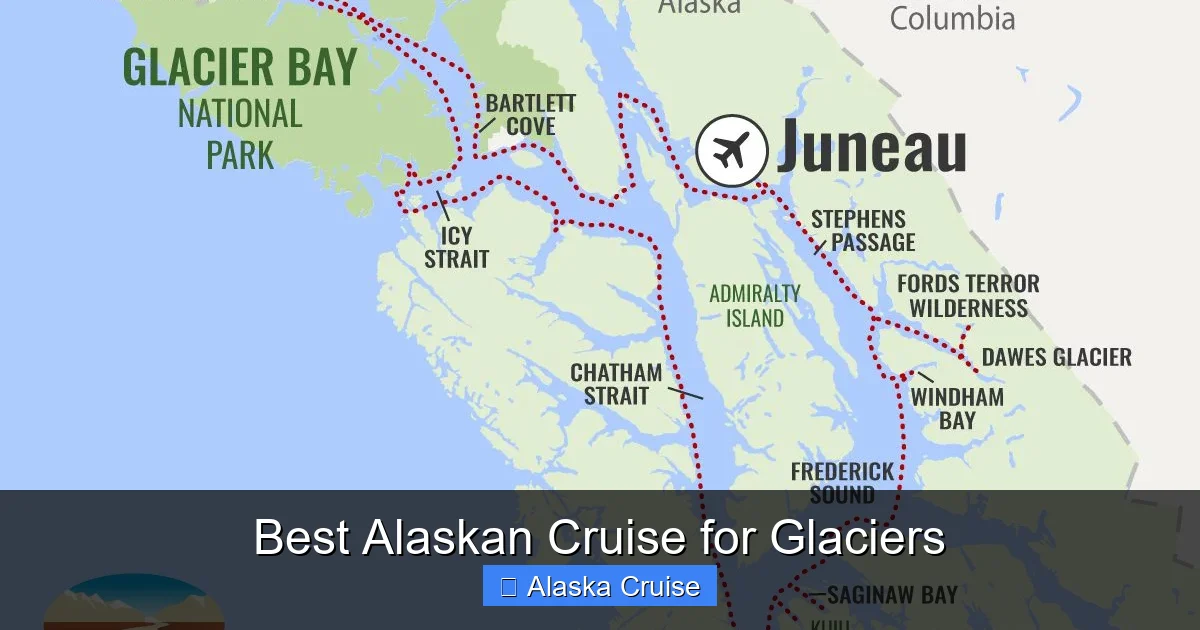
If you’re dreaming of towering blue glaciers, thunderous calving events, and wildlife-rich fjords, an Alaskan cruise is your best bet. This guide breaks down the top glacier-viewing itineraries, ships, and timing to help you choose the best Alaskan cruise for glaciers—whether you’re a first-timer or a seasoned explorer.
Key Takeaways
- Glacier Bay National Park is a must-see: A UNESCO World Heritage Site, it offers some of the most dramatic glacier views in Alaska, with over a dozen active tidewater glaciers.
- Timing matters: Late May to early September offers the best weather, calmer seas, and peak glacier activity, including calving events.
- Smaller ships access narrower fjords: Ships under 200 passengers can navigate closer to glaciers in places like Tracy Arm and Endicott Arm.
- Inside Passage vs. Gulf of Alaska routes: Inside Passage cruises focus on coastal scenery and wildlife, while Gulf routes reach deeper into glacier-heavy regions like Hubbard Glacier.
- Expedition cruises offer immersive experiences: Lines like UnCruise and Lindblad Expeditions provide expert naturalists, Zodiac tours, and kayaking near glaciers.
- Book early for best cabins and deals: Glacier-view staterooms and balcony suites sell out fast, especially on popular summer sailings.
- Pack layers and binoculars: Weather changes quickly, and binoculars help you spot distant calving and marine life near glaciers.
📑 Table of Contents
Why Glaciers Make Alaska Cruises Unforgettable
Imagine standing on the deck of a ship, the crisp mountain air filling your lungs, as a colossal wall of blue ice rises from the sea. Suddenly, with a deep rumble, a chunk the size of a skyscraper breaks free and crashes into the water—sending waves rippling across the fjord. This is the magic of an Alaskan glacier cruise.
Alaska is home to over 100,000 glaciers, covering nearly 29,000 square miles. These icy giants aren’t just beautiful—they’re dynamic, living forces shaping the landscape. From the thunderous calving of Hubbard Glacier to the serene beauty of Margerie Glacier in Glacier Bay, every glacier tells a story of time, climate, and nature’s power. A cruise offers the unique advantage of viewing these wonders from the water, where you can fully appreciate their scale and grandeur.
Unlike land-based tours, a cruise lets you glide silently past glaciers, often within a few hundred yards. The stillness of the water, the echo of ice cracking, and the occasional splash of a breaching humpback whale create an experience that’s both humbling and exhilarating. Whether you’re sipping hot cocoa on your balcony or listening to a naturalist explain glacial movement, you’ll feel connected to one of Earth’s last wild frontiers.
Top Glacier Destinations on an Alaskan Cruise
Not all Alaskan cruises are created equal when it comes to glacier viewing. Some routes prioritize wildlife and ports, while others are laser-focused on ice. Here are the top glacier destinations you’ll want to see—and the best ways to experience them.
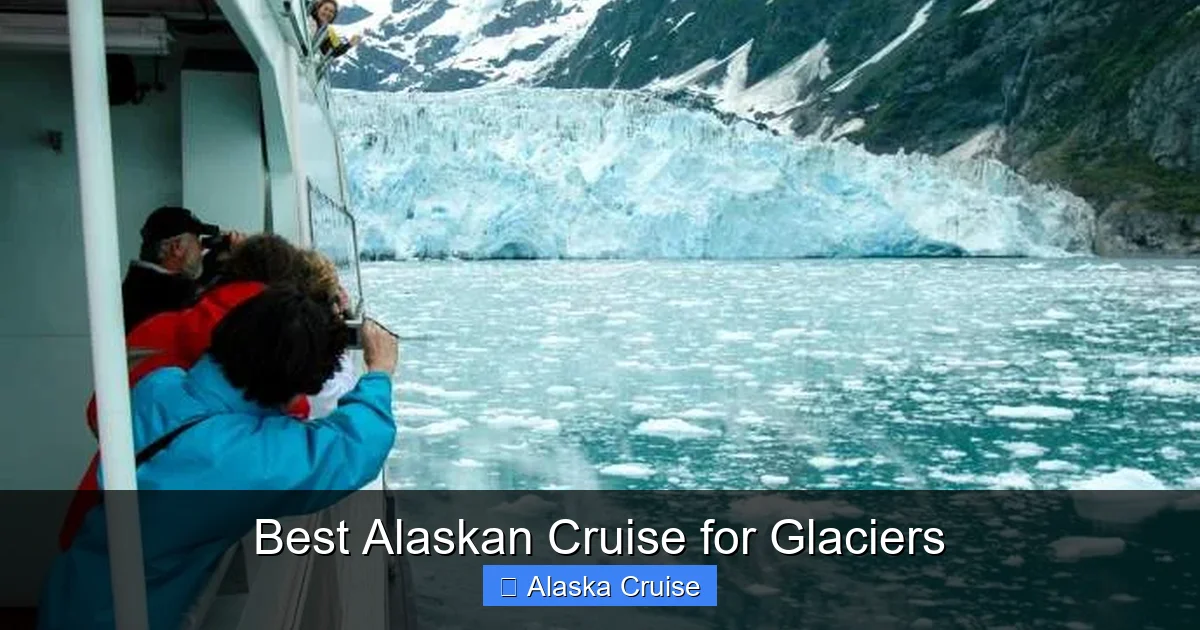
Visual guide about Best Alaskan Cruise for Glaciers
Image source: uploads.alaska.org
Glacier Bay National Park
This is the crown jewel of glacier cruising. Designated a UNESCO World Heritage Site, Glacier Bay is home to over a dozen active tidewater glaciers, including the famous Margerie and Johns Hopkins Glaciers. The park spans 3.3 million acres and is one of the most biologically diverse regions in Alaska.
Most major cruise lines, including Holland America, Princess, and Royal Caribbean, include a day in Glacier Bay on their Inside Passage itineraries. Ships typically spend 6–8 hours in the park, often accompanied by a National Park Service ranger who boards the ship to provide commentary. The ranger shares insights on glacial history, wildlife, and conservation efforts, making the experience both educational and awe-inspiring.
One of the best moments? Watching Margerie Glacier calve. This glacier is known for its frequent and dramatic icefalls, where massive chunks break off and crash into the bay. It’s not uncommon to hear the deep boom from miles away. Bring binoculars and a camera with a good zoom—you’ll want to capture every second.
Hubbard Glacier
At over 76 miles long and nearly 7 miles wide at its face, Hubbard Glacier is one of the largest tidewater glaciers in North America. Located in Disenchantment Bay near Yakutat, it’s a highlight on Gulf of Alaska cruises that sail between Seattle or Vancouver and Seward or Whittier.
Unlike many glaciers that are retreating, Hubbard is advancing—growing by about 10–12 feet per day. This movement makes it incredibly active and prone to calving. Ships often position themselves within a mile of the glacier’s face, giving passengers a front-row seat to nature’s power.
Cruise lines like Princess, Celebrity, and Norwegian Cruise Line include Hubbard Glacier on their one-way Gulf itineraries. These cruises typically last 7–10 days and offer more time at sea, allowing for longer viewing periods. Be sure to dress warmly—even in summer, the air near the glacier can be chilly.
Tracy Arm and Endicott Arm
For a more intimate glacier experience, head to Tracy Arm or Endicott Arm. These narrow, fjord-like inlets are accessible only to smaller ships, making them ideal for travelers seeking solitude and close-up views.
Tracy Arm is home to the twin Sawyer Glaciers, which flow down from the Stikine Icecap. The fjord is surrounded by 3,000-foot granite walls, waterfalls, and frequent sightings of black bears, mountain goats, and seals. Endicott Arm features the Dawes Glacier, known for its deep blue ice and dramatic calving events.
Expedition cruise lines like UnCruise Adventures, Lindblad Expeditions, and American Queen Voyages specialize in these remote areas. Their ships carry fewer than 200 passengers and often use Zodiacs or kayaks to get even closer to the ice. These cruises are perfect for photographers and nature lovers who want a deeper connection with the environment.
College Fjord
Located near Whittier, College Fjord is named after the Ivy League colleges whose alumni funded early expeditions to the area. It’s home to over a dozen glaciers, including the impressive Harvard and Yale Glaciers.
This destination is typically included on round-trip cruises departing from Seattle or Vancouver. Ships usually spend a few hours cruising slowly through the fjord, allowing passengers to take in the views from multiple decks. The fjord is especially beautiful in the late afternoon when the sun hits the ice, creating a stunning blue glow.
While not as large as Hubbard or Glacier Bay, College Fjord offers a peaceful, scenic experience with fewer crowds. It’s a great option if you’re looking for glacier views without the longer, one-way itineraries.
Best Cruise Lines for Glacier Viewing
Choosing the right cruise line can make or break your glacier experience. Some lines prioritize luxury and entertainment, while others focus on education and adventure. Here’s a breakdown of the best options based on your travel style.
Expedition Cruises: For the Adventurous Explorer
If you’re serious about glaciers and want to get up close, expedition cruises are the way to go. These smaller, more agile ships can navigate narrow fjords and anchor in remote areas where larger vessels can’t go.
UnCruise Adventures is a top choice for glacier lovers. Their 7-night “Alaska’s Glacier Bay & Island Adventure” itinerary includes multiple days in Glacier Bay, plus stops in Tracy Arm and Endicott Arm. Naturalists lead daily excursions, including kayaking near glaciers and Zodiac tours. The ships are cozy and intimate, with a focus on sustainability and wildlife.
Lindblad Expeditions, in partnership with National Geographic, offers science-based cruises with expert photographers, geologists, and naturalists on board. Their “Alaska: Exploring the Inside Passage” itinerary includes glacier viewing, wildlife spotting, and cultural visits to Native Alaskan communities. The ships are well-appointed but not overly luxurious—comfort is balanced with adventure.
American Queen Voyages (formerly Victory Cruise Lines) offers smaller ships with a focus on immersive experiences. Their “Glacier Bay & Inside Passage” cruise includes a full day in Glacier Bay, plus optional excursions like glacier hiking and dog sledding (via helicopter).
Mainstream Cruises: For Families and First-Timers
If you’re new to cruising or traveling with family, mainstream lines offer a great balance of glacier viewing, comfort, and onboard activities.
Holland America Line is known for its strong focus on Alaska. Their ships spend more time in Glacier Bay than most competitors, and they often have longer port stays in places like Juneau and Ketchikan. The onboard experience is refined but relaxed, with excellent dining and enrichment programs.
Princess Cruises offers a wide range of Alaska itineraries, including both Inside Passage and Gulf of Alaska routes. Their “Connoisseur” ships (like the Grand Princess) feature enhanced Alaska programming, including Glacier Bay ranger talks and themed dinners. Princess also offers land-and-sea packages, combining a cruise with a stay in Denali National Park.
Royal Caribbean and Celebrity Cruises are great for families and those who want a mix of adventure and entertainment. While their ships are larger, they still offer excellent glacier viewing, especially on Gulf routes that include Hubbard Glacier. Onboard amenities like rock climbing walls, Broadway-style shows, and multiple dining options make the journey enjoyable even on sea days.
Luxury Cruises: For the Discerning Traveler
If you’re looking for top-tier service, gourmet dining, and spacious suites, luxury lines offer a refined way to see Alaska’s glaciers.
Seabourn and Silversea operate smaller luxury ships that can access remote fjords. Their itineraries often include private tours, helicopter glacier landings, and expert-led excursions. While more expensive, these cruises offer unparalleled comfort and personalized service.
Regent Seven Seas Cruises offers all-inclusive luxury with balcony suites on every ship. Their Alaska itineraries include glacier viewing, plus complimentary shore excursions like whale watching and wildlife tours. It’s a great option if you want to see glaciers without sacrificing comfort.
Best Time to Cruise for Glaciers
Timing is everything when it comes to glacier viewing. While Alaska cruises run from May to September, the best time to see glaciers depends on what you want to experience.
May to Early June: Fewer Crowds, Active Ice
The shoulder season offers cooler temperatures, fewer tourists, and active glacier calving. Ice is still abundant, and wildlife is active as animals emerge from winter. However, some ports may have limited services, and weather can be unpredictable.
Mid-June to August: Peak Season
This is the most popular time to cruise, with warm weather, long daylight hours, and full port operations. Glaciers are highly active, and wildlife sightings are frequent. The downside? Crowds and higher prices. Book early to secure the best cabins and deals.
September: Quiet Beauty and Fall Colors
Late summer offers a quieter experience with stunning fall foliage in the Tongass National Forest. Glaciers are still visible, and the chance of seeing the northern lights increases. However, some excursions may be limited, and weather can turn quickly.
For the best glacier experience, aim for late June to early August. This period offers the warmest weather, longest days, and most active calving. If you’re flexible, consider a September departure for a more peaceful journey.
Practical Tips for Glacier Viewing
Seeing glaciers up close is unforgettable, but a little preparation goes a long way. Here are some practical tips to make the most of your experience.
Dress in Layers
Weather on the water can change in minutes. Even on a sunny day, the air near glaciers can be 10–20 degrees cooler. Pack a waterproof jacket, warm layers, gloves, and a hat. Waterproof boots are also helpful for shore excursions.
Bring Binoculars and a Good Camera
Glaciers can be miles away, and wildlife often appears unexpectedly. Binoculars help you spot details like calving ice, seals on ice floes, and distant whales. A camera with a zoom lens (at least 200mm) is ideal for capturing close-up shots without disturbing the environment.
Choose a Balcony Cabin
A private balcony lets you enjoy glacier views in peace, especially during early morning or late evening when the light is soft and golden. If a balcony isn’t in your budget, book a cabin with a large window or head to the ship’s observation decks.
Stay Alert During Glacier Days
Glacier viewing often happens early in the morning or late at night. Set your alarm and stay on deck—calving events can happen at any time, and you don’t want to miss the show. Many ships announce glacier sightings over the PA system.
Respect the Environment
Glaciers are fragile ecosystems. Follow your ship’s guidelines, stay quiet during viewing, and never throw anything overboard. Support cruise lines that follow sustainable practices and partner with conservation groups.
What to Expect Onboard During Glacier Days
When your ship approaches a glacier, the atmosphere onboard shifts. The usual buzz of activities quiets down as passengers gather on decks, cameras ready. Here’s what typically happens during a glacier day.
Early in the morning, the ship slows as it enters the fjord or bay. Naturalists and crew members begin making announcements, pointing out landmarks and wildlife. On ships with ranger programs, a National Park Service ranger boards to provide live commentary.
As the ship gets closer, you’ll notice the water change color—glacial melt gives it a milky turquoise hue. This is caused by “glacial flour,” fine rock particles ground by the moving ice. The air grows colder, and you might hear the distant crack of ice.
When a calving event occurs, the ship often stops to let passengers take it all in. It’s a moment of awe and respect—nature at its most powerful. Afterward, the ship may reposition for better views or continue to the next glacier.
Many ships offer themed meals or hot drinks during glacier days. Holland America serves “Glacier Bay Hot Chocolate,” while UnCruise offers warm cider and cookies. It’s a small touch that adds to the magic.
Conclusion: Choosing Your Perfect Glacier Cruise
An Alaskan cruise for glaciers is more than a vacation—it’s a journey into one of the world’s last great wildernesses. Whether you’re marveling at the towering walls of Hubbard Glacier, kayaking beside the Sawyer Glaciers in Tracy Arm, or listening to a ranger explain the science behind glacial movement in Glacier Bay, you’ll come away with memories that last a lifetime.
The best cruise for you depends on your interests, budget, and travel style. Expedition cruises offer intimacy and adventure, mainstream lines provide comfort and convenience, and luxury ships deliver top-tier service. Timing, itinerary, and ship size all play a role in how close you’ll get to the ice.
No matter which cruise you choose, remember to slow down, look up, and let the silence of the fjords speak to you. Glaciers have been shaping Alaska for thousands of years—and for a few magical hours, you get to witness their power firsthand.
Frequently Asked Questions
What is the best month to see glaciers on an Alaskan cruise?
The best time is from late June to early August, when weather is warmest, days are longest, and glaciers are most active with frequent calving events. This period also offers the best wildlife sightings and full port operations.
Can you get off the ship and walk on a glacier?
Yes, but not directly from the cruise ship. Most lines offer optional excursions like helicopter landings or guided hikes on glaciers near ports like Juneau or Skagway. These require advance booking and additional cost.
Do all Alaskan cruises go to Glacier Bay?
No, only certain Inside Passage cruises include Glacier Bay. Gulf of Alaska cruises often visit Hubbard Glacier instead. Check your itinerary carefully to ensure it includes your preferred glacier destinations.
Are smaller ships better for glacier viewing?
Yes, smaller ships can navigate narrower fjords like Tracy Arm and get closer to glaciers. They also offer more intimate experiences with naturalists and fewer crowds, making them ideal for nature lovers.
What should I pack for glacier viewing?
Pack layers, a waterproof jacket, warm hat and gloves, binoculars, and a camera with a zoom lens. Waterproof footwear is also recommended for shore excursions and deck time.
Is it safe to be near calving glaciers?
Yes, cruise ships maintain a safe distance (usually 1–2 miles) from active glaciers. Calving events are monitored, and ships reposition if needed. The experience is thrilling but carefully managed for passenger safety.