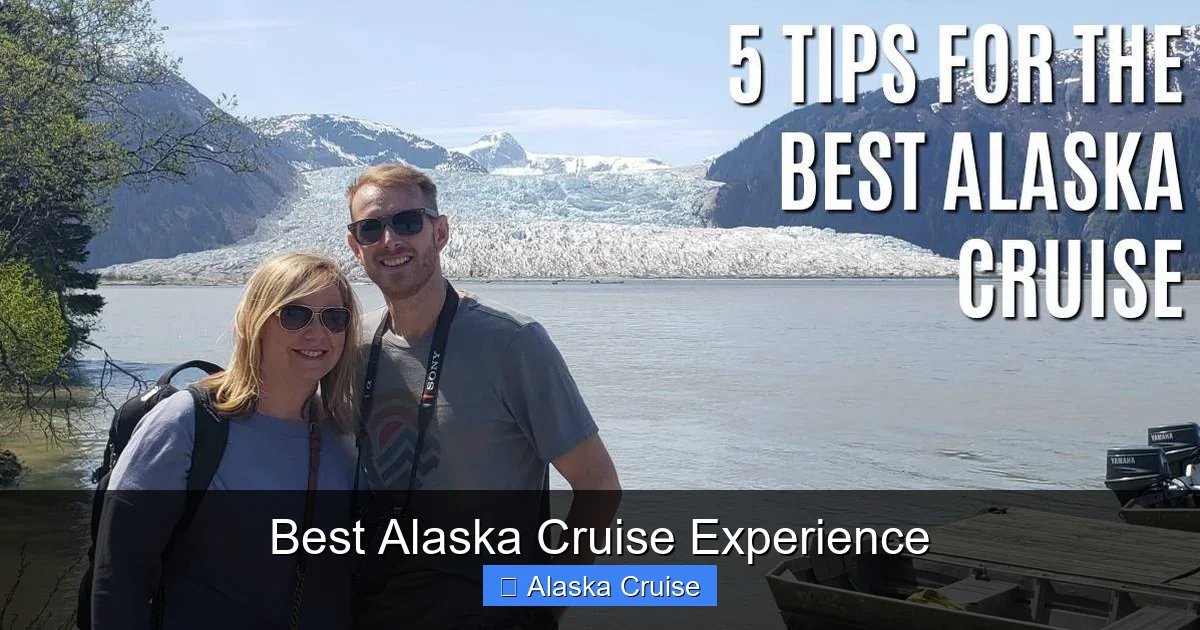
Experience the wild beauty of Alaska like never before with the best Alaska cruise experience. From towering glaciers and abundant wildlife to charming coastal towns, an Alaskan cruise offers unforgettable moments on the water. Whether you’re a first-time traveler or a seasoned cruiser, this journey blends adventure, relaxation, and natural wonder in one incredible voyage.
Key Takeaways
- Glacier Viewing is a Must: Witness massive tidewater glaciers calving into the sea—a sight you’ll never forget.
- Wildlife Encounters Abound: Spot humpback whales, orcas, sea lions, bears, and bald eagles in their natural habitat.
- Choose the Right Itinerary: Inside Passage cruises offer lush scenery, while Gulf of Alaska routes include glacier bays and remote ports.
- Pack for Variable Weather: Layers, waterproof gear, and binoculars are essential for comfort and sightseeing.
- Book Shore Excursions Early: Popular tours like dog sledding on glaciers or whale watching fill up fast.
- Best Time to Cruise: May through September offers mild weather, long daylight hours, and peak wildlife activity.
- Small Ships Offer Unique Access: Smaller vessels can navigate narrow fjords and reach remote areas larger ships can’t.
📑 Table of Contents
- Why an Alaska Cruise is the Ultimate Adventure
- Choosing the Right Alaska Cruise Itinerary
- Top Alaska Cruise Ports and What to Do There
- Wildlife and Nature: The Heart of the Alaska Cruise Experience
- Tips for the Best Alaska Cruise Experience
- Conclusion: Why the Best Alaska Cruise Experience is Worth It
Why an Alaska Cruise is the Ultimate Adventure
Imagine standing on the deck of a ship, the cool ocean breeze brushing your face, as a colossal wall of ice cracks and crashes into the sea. That’s the magic of an Alaska cruise—a front-row seat to nature’s most dramatic performances. Alaska isn’t just a destination; it’s a living, breathing wonderland of glaciers, fjords, and untamed wilderness. And the best way to experience it? From the water.
An Alaska cruise offers a unique blend of comfort and adventure. You get to explore remote coastlines, visit charming seaside towns, and witness awe-inspiring natural phenomena—all while enjoying the amenities of a floating hotel. Whether you’re sipping hot cocoa as a glacier calves or spotting a humpback whale breaching in the distance, every moment feels cinematic.
Unlike road trips or fly-in tours, a cruise lets you see vast stretches of coastline without the hassle of constant travel. You wake up in a new port each morning, often with panoramic views right from your cabin window. It’s the perfect way to immerse yourself in Alaska’s raw beauty without sacrificing comfort.
What Makes Alaska Cruises So Special?
Alaska’s geography is unlike anywhere else on Earth. The state is home to over 100,000 glaciers, rugged coastlines, and dense temperate rainforests. A cruise allows you to glide through these landscapes at a leisurely pace, giving you time to absorb the scale and serenity of the environment.
One of the biggest draws is the wildlife. Alaska is one of the few places where you can see marine mammals, bears, and birds in their natural habitats—often from the safety and comfort of your ship. From May to September, the long daylight hours and abundant food sources bring animals out in full force.
Another highlight is the cultural richness. Ports like Juneau, Ketchikan, and Skagway offer glimpses into Alaska’s gold rush history, Indigenous heritage, and modern-day fishing communities. You’ll find local art, fresh seafood, and stories that bring the region’s past to life.
The Best Time to Take an Alaska Cruise
Timing is everything when it comes to the best Alaska cruise experience. The official cruise season runs from May to September, with each month offering something unique.
May and early June are ideal for travelers seeking fewer crowds and lower prices. The weather is cool but pleasant, and the landscape is lush with spring blooms. Wildlife is active, and you’ll have a good chance of seeing bears foraging along the shorelines.
July and August are peak season—and for good reason. The weather is warmest, with daytime temperatures often reaching the 60s and 70s (Fahrenheit). These months also offer the longest daylight hours, sometimes stretching past 18 hours of sun. It’s the best time for photography, hiking, and extended shore excursions.
September brings a quieter, more reflective atmosphere. The crowds thin out, the fall colors begin to appear, and the wildlife is still active. It’s also a great time for whale watching, as many species migrate south during this period.
No matter when you go, pack layers. Alaska’s weather can change quickly, and even in summer, mornings and evenings can be chilly.
Choosing the Right Alaska Cruise Itinerary
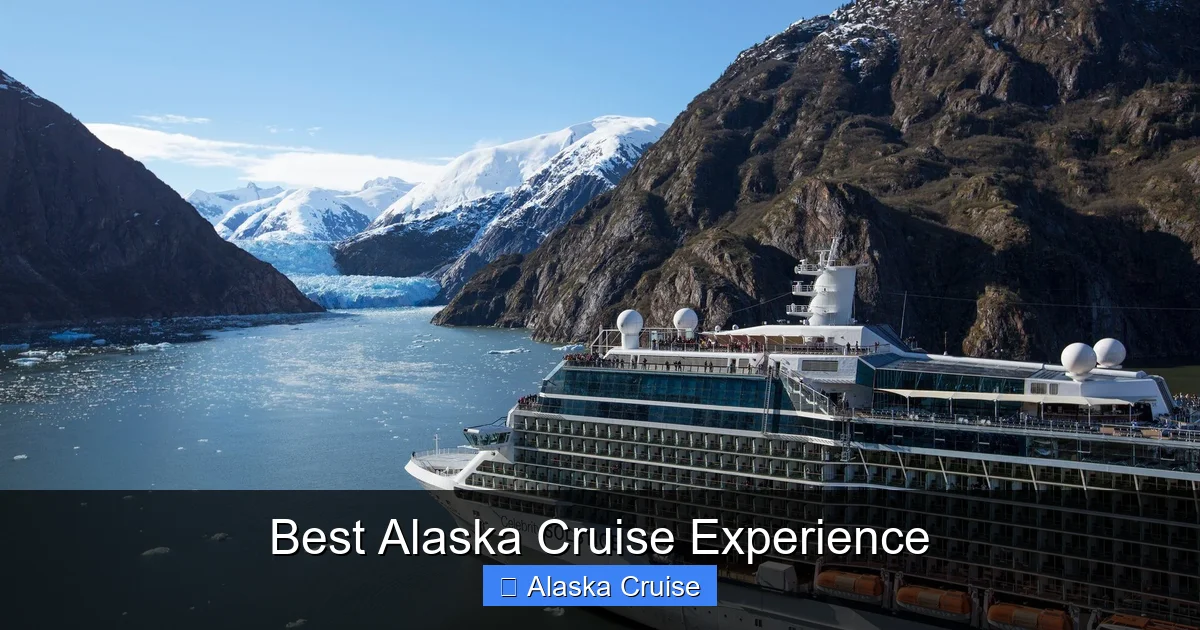
Visual guide about Best Alaska Cruise Experience
Image source: celebritycruises.com
Not all Alaska cruises are created equal. The best Alaska cruise experience depends on your interests, travel style, and how much time you have. There are two main types of itineraries: Inside Passage cruises and Gulf of Alaska (or one-way) cruises.
Inside Passage Cruises: Classic Coastal Beauty
The Inside Passage is the most popular route for first-time cruisers. It stretches from Washington State up through British Columbia and into southeastern Alaska. This route is known for its calm waters, lush green forests, and charming port towns.
Typical stops include Ketchikan, known as the “Salmon Capital of the World”; Juneau, Alaska’s capital (accessible only by boat or plane); and Skagway, a historic gold rush town. You’ll also pass through scenic areas like Tracy Arm and Endicott Arm, where you can see fjords and waterfalls up close.
Inside Passage cruises are usually round-trip from Seattle or Vancouver, making them convenient for travelers who don’t want to deal with one-way flights. They’re ideal for families, couples, and anyone looking for a classic Alaskan experience.
Gulf of Alaska Cruises: Glaciers and Remote Wilderness
For a more adventurous journey, consider a Gulf of Alaska cruise. These one-way itineraries typically start in Seattle or Vancouver and end in Seward or Whittier (near Anchorage), or vice versa. This route takes you deeper into Alaska’s wild heart.
You’ll spend more time at sea, with longer stretches between ports. But the payoff is incredible: access to Glacier Bay National Park, Hubbard Glacier, and Kenai Fjords National Park. These areas are home to some of the most dramatic glacier scenery in the world.
Gulf of Alaska cruises often include a stop in Icy Strait Point, where you can zipline through the rainforest or watch humpback whales from a coastal boardwalk. They’re perfect for travelers who want a more immersive, nature-focused experience.
Small Ship vs. Large Ship: Which Is Right for You?
Another key decision is ship size. Large cruise ships (like those from Royal Caribbean, Norwegian, or Princess) offer more amenities—multiple dining options, Broadway-style shows, and kids’ clubs. They’re great for families and first-time cruisers who want a full-service vacation.
But if you’re seeking a more intimate, nature-focused experience, consider a small ship cruise. Companies like UnCruise Adventures, Lindblad Expeditions, or Alaskan Dream Cruises operate smaller vessels that can navigate narrow channels and anchor in remote bays.
Small ships often include expert naturalists, guided kayaking, and Zodiac landings. You might even get off the ship to explore a hidden cove or walk on a glacier. These cruises are ideal for photographers, wildlife enthusiasts, and travelers who prefer a slower, more personal pace.
Top Alaska Cruise Ports and What to Do There
One of the joys of an Alaska cruise is the variety of ports you’ll visit. Each stop offers something different—from history and culture to outdoor adventures and wildlife viewing.
Ketchikan: The Gateway to the Tongass National Forest
Ketchikan is often the first Alaskan port on Inside Passage cruises. Nestled among islands and surrounded by the Tongass National Forest—the largest national forest in the U.S.—it’s a haven for nature lovers.
Don’t miss the opportunity to visit the Totem Heritage Center or take a guided tour to see original totem poles. You can also explore the Rainforest Canopy Zipline or take a floatplane tour over Misty Fjords National Monument.
For a taste of local life, stroll along Creek Street, a historic boardwalk built over a stream where salmon once swam upstream. Today, it’s lined with shops, galleries, and restaurants serving fresh seafood.
Juneau: Alaska’s Capital and Glacier Playground
Juneau is unique—it’s the only U.S. capital that can’t be reached by road. That means your cruise ship is the best way to get there.
The city is a gateway to some of Alaska’s most famous glaciers, including the Mendenhall Glacier, just 12 miles from downtown. You can hike the trails around the glacier, visit the visitor center, or take a guided ice trek.
For adventure seekers, Juneau offers whale watching tours, dog sledding on a glacier (via helicopter), and flightseeing tours over the Juneau Icefield. If you prefer something more relaxed, enjoy a local coffee and browse the art galleries in the downtown area.
Skagway: A Step Back in Time
Step off the ship in Skagway, and you’ll feel like you’ve traveled back to the Klondike Gold Rush. This historic town was once a bustling hub for prospectors heading to the Yukon.
Take a ride on the White Pass & Yukon Route Railway, a narrow-gauge train that climbs steep mountain passes with breathtaking views. Or explore the Gold Rush Cemetery and the Red Onion Saloon, a former brothel turned museum.
Skagway is also a great base for outdoor adventures. Hike the Chilkoot Trail, go gold panning, or take a wildlife cruise to see sea lions and eagles along the coast.
Seward and Whittier: Portals to Kenai Fjords
These ports, located near Anchorage, are the starting points for Gulf of Alaska cruises. They’re your gateway to Kenai Fjords National Park, where you can see tidewater glaciers and marine wildlife up close.
In Seward, take a boat tour into the fjords to see glaciers calving and whales feeding. You can also visit the Alaska SeaLife Center, a research and rehabilitation facility.
Whittier is a small, quirky town accessible through a tunnel that’s one of the few in the world used by both cars and trains. From here, you can take a scenic train ride or join a glacier and wildlife cruise.
Wildlife and Nature: The Heart of the Alaska Cruise Experience
If there’s one thing that defines the best Alaska cruise experience, it’s the wildlife. Alaska is one of the last great frontiers for nature lovers, and a cruise puts you in the perfect position to see it all.
Whales, Dolphins, and Sea Lions
Marine mammals are a highlight of any Alaska cruise. Humpback whales are the stars of the show, often seen breaching, tail-slapping, or feeding in groups. Orcas (killer whales) are also common, especially in areas like Icy Strait and Frederick Sound.
Dolphins and porpoises frequently ride the bow waves of ships, adding a playful touch to your journey. And keep an eye out for sea lions—they love to haul out on rocky shores and buoys, often barking loudly at passing ships.
Bears, Eagles, and Land Wildlife
While marine life steals the spotlight, don’t forget about land animals. Brown bears and black bears are often spotted along riverbanks, especially in areas like Admiralty Island and the Katmai Coast.
Bald eagles are everywhere—perched on trees, soaring overhead, or diving for fish. In fact, Alaska has the largest population of bald eagles in the U.S.
Other wildlife you might see includes moose, mountain goats, and Sitka black-tailed deer. On shore excursions, you might even spot wolves or lynx in more remote areas.
Glaciers: Nature’s Ice Sculptures
No Alaska cruise is complete without seeing a glacier. These massive rivers of ice are constantly moving, carving the landscape and calving icebergs into the sea.
Hubbard Glacier, one of the largest in North America, is a must-see. At over 7 miles wide and 700 feet high, it’s a sight to behold. Ships often stop nearby, allowing you to hear the deep rumble of ice breaking apart.
Glacier Bay National Park is another highlight. A UNESCO World Heritage Site, it’s home to over a dozen active glaciers. Naturalists on board will explain the science behind glacier formation and the impact of climate change.
Tips for the Best Alaska Cruise Experience
To make the most of your trip, a little planning goes a long way. Here are some practical tips to ensure your Alaska cruise is unforgettable.
Pack Smart: Layers Are Key
Alaska’s weather is famously unpredictable. Even in summer, temperatures can range from 40°F to 70°F, and rain is common. Pack in layers: a waterproof jacket, fleece or sweater, long pants, and comfortable walking shoes.
Don’t forget essentials like sunscreen, sunglasses, and a hat. And bring binoculars—they’re a game-changer for wildlife and glacier viewing.
Book Shore Excursions Early
Popular tours like dog sledding, whale watching, and flightseeing sell out quickly. Book your excursions as soon as your cruise is confirmed, either through the cruise line or a trusted local operator.
Consider a mix of active and relaxing tours. For example, pair a strenuous glacier hike with a leisurely wildlife cruise.
Bring a Camera—and Extra Batteries
You’ll want to capture every moment, from the first glimpse of a glacier to a bear catching salmon. Bring a camera with a good zoom lens, and pack extra batteries and memory cards. Cold weather drains batteries faster, so keep spares warm in an inner pocket.
Stay Flexible and Open-Minded
Alaska doesn’t follow a schedule. Weather can delay excursions, and wildlife sightings are never guaranteed. Embrace the unpredictability—it’s part of the adventure.
Respect the Environment
Alaska’s ecosystems are fragile. Follow Leave No Trace principles: stay on marked trails, don’t feed wildlife, and dispose of waste properly. Many cruise lines also offer eco-friendly tours and educational programs.
Conclusion: Why the Best Alaska Cruise Experience is Worth It
An Alaska cruise isn’t just a vacation—it’s a journey into one of the world’s last great wildernesses. From the thunderous crash of a calving glacier to the silent glide of a humpback whale, every moment reminds you of nature’s power and beauty.
Whether you choose a classic Inside Passage route or a rugged Gulf of Alaska adventure, you’ll return home with memories that last a lifetime. The best Alaska cruise experience combines comfort, adventure, and awe-inspiring scenery in a way few other destinations can match.
So pack your bags, bring your sense of wonder, and set sail for Alaska. The wild is waiting.
Frequently Asked Questions
What is the best time of year to take an Alaska cruise?
The best time is from May to September. July and August offer the warmest weather and longest days, while May and September provide fewer crowds and lower prices. Wildlife is active throughout the season.
Do I need to book shore excursions in advance?
Yes, it’s highly recommended. Popular tours like whale watching, dog sledding, and flightseeing fill up quickly, especially during peak season. Booking early ensures you get your top choices.
What should I pack for an Alaska cruise?
Pack layers, including a waterproof jacket, fleece, long pants, and sturdy shoes. Don’t forget binoculars, sunscreen, sunglasses, and a camera. Cold and wet weather can happen even in summer.
Can I see whales and bears on an Alaska cruise?
Yes! Humpback whales, orcas, and sea lions are commonly seen from the ship. Bears are often spotted during shore excursions, especially near rivers and coastal areas. Wildlife sightings depend on the season and location.
Are Alaska cruises family-friendly?
Absolutely. Many cruise lines offer kids’ clubs, family activities, and educational programs. Shore excursions like ziplining, gold panning, and wildlife tours are fun for all ages.
What is the difference between Inside Passage and Gulf of Alaska cruises?
Inside Passage cruises are round-trip from Seattle or Vancouver and focus on coastal towns and forests. Gulf of Alaska cruises are one-way and include glacier bays, remote wilderness, and more time at sea.