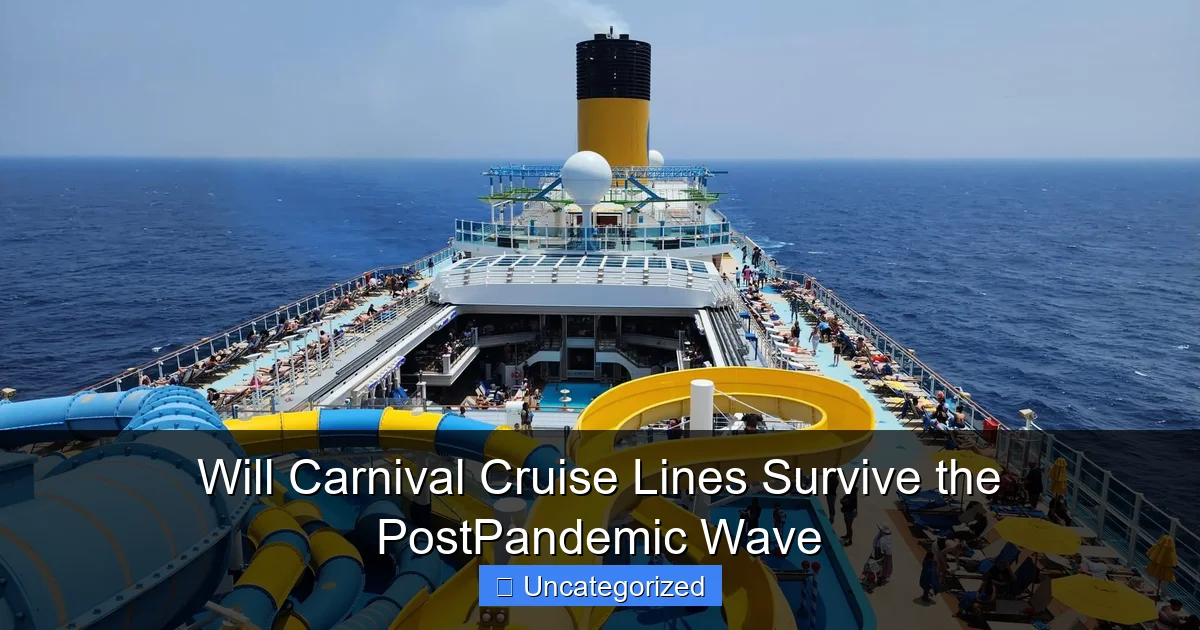
Featured image for will carnival cruise lines survive
Image source: cruisefever.net
Carnival Cruise Lines is navigating a turbulent post-pandemic recovery, but its survival hinges on aggressive cost-cutting, rising demand, and strategic fleet modernization. With debt levels high and consumer confidence slowly rebounding, the company faces pressure to deliver consistent profitability while adapting to new health and sustainability standards. While challenges remain, early booking trends and loyal customer base suggest Carnival may not just survive—but eventually thrive—if it maintains operational agility.
Key Takeaways
- Carnival must adapt to health protocols to regain passenger trust.
- Cost-cutting measures are critical to stabilize post-pandemic finances.
- Newer ships drive demand with modern safety and luxury features.
- Target younger travelers through digital marketing and unique experiences.
- Debt management is key to long-term survival and investor confidence.
- Flexible booking policies can boost short-term sales and loyalty.
📑 Table of Contents
- Will Carnival Cruise Lines Survive the Post-Pandemic Wave?
- Financial Health and Recovery: Can Carnival Afford the Comeback?
- Operational Adaptations: Reinventing the Cruise Experience
- Consumer Behavior and Market Demand: Are People Still Cruising?
- Competitive Landscape: How Carnival Stacks Up Against Rivals
- Long-Term Sustainability: Navigating Future Challenges
- Conclusion: The Future of the “Fun Ship”
Will Carnival Cruise Lines Survive the Post-Pandemic Wave?
The cruise industry, long a symbol of luxury, relaxation, and adventure, faced an unprecedented crisis during the global pandemic. Among the hardest hit was Carnival Cruise Lines, the largest cruise operator in the world by passenger volume. With ships idled for over a year, massive revenue losses, and widespread public concern over health and safety, the future of Carnival seemed uncertain. Headlines in 2020 and 2021 questioned whether the cruise giant could weather the storm—literally and figuratively. Yet, as the world emerges from the pandemic, the question remains: Will Carnival Cruise Lines survive the post-pandemic wave?
This is not just a question of financial resilience or operational agility. It’s a question about consumer trust, evolving travel behaviors, and the ability of a legacy brand to adapt to a new era of cruising. Carnival, with its 50-year history and fleet of over 25 ships, has weathered economic downturns, hurricanes, and even norovirus outbreaks. But the pandemic was different—it wasn’t just a temporary disruption; it fundamentally changed how people view travel, health, and risk. As the world reopens, Carnival must navigate a transformed landscape. In this comprehensive analysis, we explore Carnival’s financial health, operational recovery, strategic adaptations, competitive positioning, and long-term sustainability to determine whether the “Fun Ship” brand can sail confidently into the future.
Financial Health and Recovery: Can Carnival Afford the Comeback?
Massive Pandemic Losses and Liquidity Challenges
When the Centers for Disease Control and Prevention (CDC) issued a No Sail Order in March 2020, Carnival’s operations ground to a halt. The company reported a staggering $10.2 billion net loss in fiscal year 2020, compared to a $2.1 billion profit in 2019. With no revenue and ongoing fixed costs—crew salaries, fuel, maintenance, and port fees—Carnival faced a liquidity crisis. To survive, the company turned to aggressive financial restructuring, raising over $15 billion in debt and equity through bond offerings, stock sales, and asset sales.
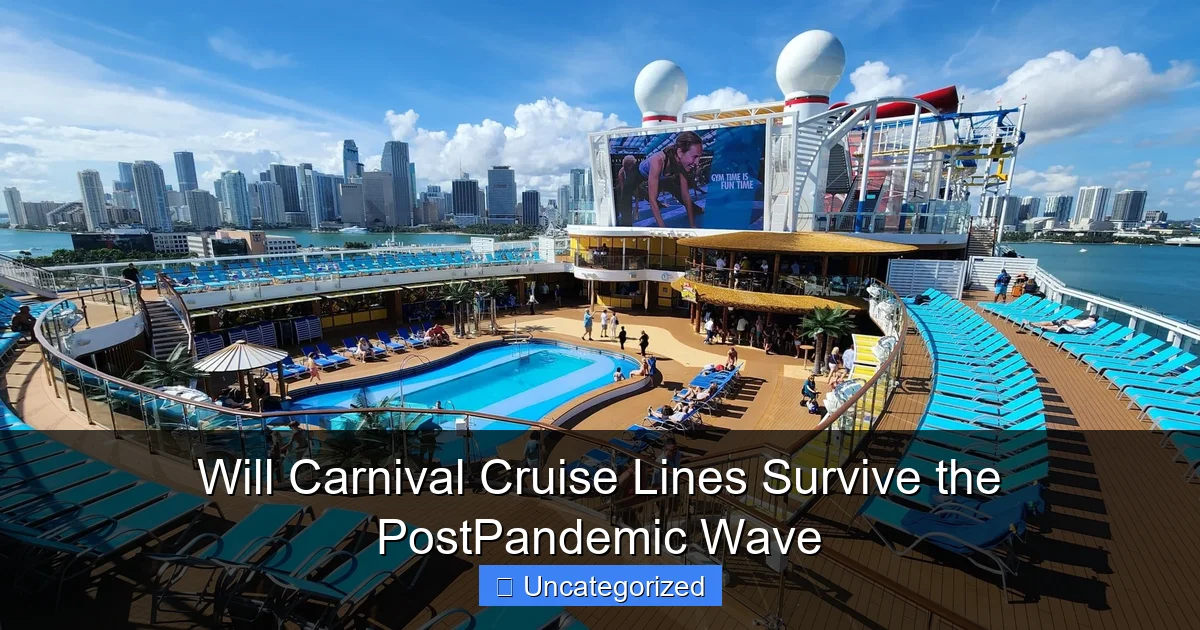
Visual guide about will carnival cruise lines survive
Image source: cruisefever.net
- Debt Load: As of 2023, Carnival’s total debt stands at approximately $33 billion, one of the highest in the cruise industry.
- Equity Dilution: The company issued over 1 billion new shares, diluting existing shareholders and sparking investor concern.
- Asset Sales: Carnival sold 13 older ships between 2020 and 2022, raising over $1 billion to reduce debt and modernize the fleet.
Return to Profitability: Signs of a Turnaround
Despite the debt burden, Carnival has shown signs of financial recovery. In Q4 2022, the company reported its first quarterly operating profit since the pandemic. By Q3 2023, Carnival posted a net income of $340 million, driven by strong demand, higher ticket prices, and cost control measures. The company’s revenue reached $4.9 billion in Q3 2023, up 59% from the same period in 2022.
Key drivers of financial recovery include:
- Higher Occupancy Rates: Carnival achieved 107% occupancy in Q3 2023 (including double occupancy and third/fourth passengers), exceeding pre-pandemic levels.
- Pricing Power: Average ticket prices increased by 15% year-over-year due to pent-up demand and premium experiences.
- Cost Optimization: The company reduced operating expenses by 12% through crew optimization, fuel efficiency, and supply chain renegotiations.
Example: Carnival Horizon, a 3,960-passenger ship, reported 98% occupancy on a 7-day Eastern Caribbean cruise in August 2023, with onboard spending up 22% compared to 2019. This suggests consumers are not only returning but spending more.
Long-Term Debt Strategy and Investor Confidence
While profitability is improving, Carnival’s high debt remains a concern. The company is focused on debt reduction through free cash flow generation. In 2023, Carnival generated $3.5 billion in operating cash flow, with plans to use 50% of future free cash flow for debt repayment. The goal is to reduce total debt to $25 billion by 2026.
Investor sentiment is cautiously optimistic. Carnival’s stock (CCL) rose from a low of $8 in 2020 to over $18 by late 2023, reflecting growing confidence in the recovery. However, Moody’s maintains a “Ba3” (junk) rating, citing ongoing refinancing risk and macroeconomic volatility.
Operational Adaptations: Reinventing the Cruise Experience
Enhanced Health and Safety Protocols
One of the biggest post-pandemic challenges for Carnival was rebuilding trust. The company implemented a comprehensive “Vacation Ready” program, developed with input from the CDC, WHO, and independent health experts. Key components include:
- Pre-Cruise Testing: Mandatory PCR or antigen tests 24-72 hours before embarkation (relaxed in 2023 but still recommended).
- Enhanced Air Filtration: HEPA filters installed on all ships, with air exchange rates increased by 50%.
- Onboard Medical Capacity: Expanded medical centers with isolation rooms, telehealth services, and rapid testing.
- Contactless Technology: Mobile check-in, digital key cards, and app-based dining reservations to reduce physical contact.
Tip: For travelers concerned about health risks, Carnival’s “Carnival Assurance” program offers flexible booking, free cancellations up to 48 hours before departure, and medical coverage for COVID-related issues.
Fleet Modernization and Sustainability
To remain competitive, Carnival is investing heavily in fleet modernization. The company has ordered 11 new LNG-powered (liquefied natural gas) ships, including the Carnival Jubilee (launched December 2023) and Carnival Firenze (2024). These ships produce 20% less CO2 and 95% fewer sulfur emissions than traditional vessels.
- LNG Technology: First used on Carnival Mardi Gras (2021), now standard on all new builds.
- Energy Efficiency: Advanced hull designs, LED lighting, and AI-driven power management reduce fuel consumption by 15%.
- Waste Reduction: Zero-discharge policies, onboard recycling, and partnerships with local ports to minimize environmental impact.
Example: The Carnival Breeze, retrofitted with new HVAC systems and solar panels in 2022, reduced fuel use by 12% on a 6-day Mexico cruise.
Digital Transformation and Personalization
Carnival is leveraging technology to enhance the guest experience. The HUB app now offers real-time navigation, AI-powered recommendations, and personalized itineraries. Features include:
- Dynamic Dining: AI suggests restaurants based on past preferences and real-time wait times.
- Virtual Concierge: Chatbot support for booking excursions, spa appointments, and special events.
- Smart Cabins: Voice-controlled lighting, temperature, and entertainment systems on newer ships.
Consumer Behavior and Market Demand: Are People Still Cruising?
The Return of the Cruise Enthusiast
Despite initial skepticism, cruise demand has rebounded strongly. According to CLIA (Cruise Lines International Association), 31.5 million passengers are expected to cruise in 2024, surpassing the 2019 record of 30 million. Carnival, as the market leader, is capturing a significant share.
Key demographic trends:
- Baby Boomers: The largest cruise demographic, with 62% of cruisers aged 50+. This group is returning quickly, valuing relaxation and all-inclusive packages.
- Gen X and Millennials: Growing interest in shorter cruises (3-5 days) and experiential travel. Carnival’s “Carnival Luminosa” and “Carnival Venezia” target this market with themed cruises (e.g., 90s throwback, wellness retreats).
- Families: Carnival’s “Camp Ocean” kids’ programs and family-friendly cabins drive 40% of bookings.
Shift in Booking Patterns and Pricing
Post-pandemic, travelers are booking later and paying more. Carnival reports:
- Shorter Booking Windows: 65% of bookings made within 90 days of departure (vs. 50% in 2019).
- Higher Spend: Average onboard spending per passenger increased to $185/day (up from $145 in 2019).
- Premium Packages: “Carnival Vacation Planner” add-ons (e.g., drink packages, shore excursions) now account for 28% of revenue.
Tip: For budget-conscious travelers, Carnival offers “Early Saver” fares with free upgrades and onboard credits when booking 6+ months in advance.
Geographic Expansion and New Markets
Carnival is expanding beyond traditional markets like the Caribbean and Mediterranean. New focus areas include:
- Asia: Partnerships with ports in Japan, South Korea, and Vietnam. The “Carnival Spirit” now offers 14-day Southeast Asia itineraries.
- Alaska: Increased capacity with the “Carnival Miracle” and “Carnival Luminosa” in 2023-2024.
- Australia: Homeporting the “Carnival Splendor” in Sydney, targeting the growing Australian cruise market.
Competitive Landscape: How Carnival Stacks Up Against Rivals
Market Share and Fleet Size
Carnival Corporation (parent of Carnival Cruise Lines, Princess, Holland America, etc.) controls 48% of the global cruise market, far ahead of Royal Caribbean (24%) and Norwegian (12%). Carnival Cruise Lines alone accounts for 22% of the company’s capacity.
Fleet comparison (as of 2023):
| Brand | Fleet Size | Avg. Ship Capacity | Market Focus |
|---|---|---|---|
| Carnival Cruise Lines | 27 ships | 3,200 passengers | Affordable, family-friendly |
| Royal Caribbean | 26 ships | 4,100 passengers | Luxury, adventure |
| Norwegian Cruise Line | 18 ships | 3,800 passengers | Freestyle cruising |
| Princess Cruises | 15 ships | 3,100 passengers | Premium, destination-focused |
Differentiation Through Brand Identity
While Royal Caribbean emphasizes “bigger is better” (e.g., Icon of the Seas, the world’s largest cruise ship), Carnival focuses on “fun, value, and accessibility.” Key differentiators include:
- Price Leadership: Carnival’s base fares are 15-20% lower than Royal Caribbean for comparable itineraries.
- Entertainment: Themed decks (e.g., “Serenity Adult-Only Retreat”), comedy clubs, and live music.
- Food & Beverage: 24-hour dining options, Guy’s Burger Joint (by celebrity chef Guy Fieri), and free soft drinks.
Innovation and Customer Loyalty
Carnival’s “VIFP Club” loyalty program has over 15 million members. Perks include:
- Free upgrades and priority boarding
- Exclusive events (e.g., “Behind the Fun” crew meet-and-greets)
- Discounts on future cruises
Royal Caribbean’s “Crown & Anchor Society” and Norwegian’s “Latitudes Rewards” are comparable, but Carnival’s program is more accessible, with no annual fees.
Long-Term Sustainability: Navigating Future Challenges
Environmental and Regulatory Pressures
The cruise industry faces increasing scrutiny over emissions, waste, and port congestion. Carnival has committed to:
- Net-Zero Emissions by 2050: Aligning with IMO (International Maritime Organization) targets.
- Shore Power: 65% of ships now capable of plugging into port electricity, reducing emissions by 90% while docked.
- Plastic Reduction: Eliminated single-use plastics on all ships by 2023.
Challenge: LNG, while cleaner than oil, is still a fossil fuel. Carnival is piloting hydrogen fuel cells and battery-powered tenders for short excursions.
Geopolitical and Economic Risks
Global instability—war, inflation, supply chain disruptions—threatens Carnival’s recovery. For example:
- Red Sea Crisis (2023): Forced rerouting of Mediterranean cruises, increasing fuel costs.
- Labor Shortages: Post-pandemic crew attrition remains high, with 15% of positions unfilled in 2023.
- Currency Fluctuations: Carnival earns 30% of revenue in euros, exposing it to EUR/USD volatility.
Digital and Experience Innovation
To stay relevant, Carnival is investing in immersive experiences:
- Virtual Reality (VR): Onboard VR zones for destination previews and games.
- AI-Driven Personalization: Machine learning to tailor itineraries, dining, and entertainment.
- Wellness Cruises: Partnerships with fitness brands (e.g., SoulCycle, Peloton) for onboard classes.
Conclusion: The Future of the “Fun Ship”
So, will Carnival Cruise Lines survive the post-pandemic wave? The evidence strongly suggests yes—but not without significant transformation. Carnival’s survival hinges on three pillars: financial discipline, operational innovation, and consumer trust.
Financially, Carnival has stabilized. While its debt load is high, the company’s return to profitability and disciplined cash flow management suggest it can manage its obligations. Operationally, Carnival has reinvented the cruise experience with health safety, digital tools, and sustainability at the core. And in the marketplace, demand is robust, with consumers—especially loyal cruisers—returning in record numbers.
However, the road ahead is not without challenges. Environmental regulations, geopolitical risks, and evolving consumer expectations will test Carnival’s agility. The company must continue to innovate, reduce its carbon footprint, and deliver exceptional value to maintain its position as the world’s most popular cruise line.
Final Thought: The pandemic was a near-fatal blow, but it also forced Carnival to evolve. By embracing change, investing in the future, and listening to its customers, the “Fun Ship” brand has a fighting chance not just to survive, but to thrive in the new era of cruising. For travelers, that means more choices, better experiences, and—yes—plenty of fun on the high seas.
Frequently Asked Questions
Is Carnival Cruise Lines at risk of shutting down after the pandemic?
While Carnival faced significant financial strain during the pandemic, aggressive cost-cutting measures, debt restructuring, and strong post-pandemic demand suggest it is unlikely to shut down entirely. The company remains the largest cruise operator globally, with a loyal customer base and diversified brand portfolio.
How has Carnival Cruise Lines adapted to post-pandemic travel trends?
Carnival has invested in health protocols, digital innovations like mobile check-ins, and expanded shorter itineraries to align with evolving traveler preferences. These adaptations, combined with pent-up demand, have helped restore confidence and bookings.
Will Carnival Cruise Lines survive amid rising fuel and operational costs?
Though rising costs pose challenges, Carnival’s multi-brand strategy, asset optimization, and focus on premium experiences (e.g., new ships like the *Carnival Celebration*) aim to offset expenses. Analysts project gradual recovery as pricing power strengthens.
Are Carnival’s debt levels a threat to its survival?
Carnival’s debt surged during the pandemic, but refinancing efforts and improved cash flow from record 2023 bookings have eased immediate concerns. The company is prioritizing debt reduction to ensure long-term stability.
How does Carnival compare to competitors in the post-pandemic wave?
Carnival’s early focus on affordability and aggressive marketing has helped it regain market share faster than rivals like Royal Caribbean and Norwegian. Its scale and brand recognition remain key advantages in the competitive landscape.
What does the future hold for Carnival Cruise Lines in the next 5 years?
Industry experts predict Carnival will consolidate its position by retiring older ships, adding innovative vessels, and targeting new demographics. If travel demand holds, the company could emerge leaner and more profitable post-pandemic.