Featured image for who owns what cruise lines
Image source: oceanblissjourneys.com
Major cruise corporations like Carnival Corporation, Royal Caribbean Group, and Norwegian Cruise Line Holdings dominate the industry, each owning multiple well-known brands. From Carnival’s portfolio including Princess and Holland America to Royal Caribbean’s ownership of Celebrity and Silversea, understanding these parent companies reveals the global reach and market influence behind your favorite cruise lines. This guide decodes who owns what, helping travelers make informed choices beyond the brand name.
Key Takeaways
- Carnival Corporation owns 9 major cruise lines, including Princess and Holland America.
- Royal Caribbean Group operates Royal Caribbean, Celebrity, and Silversea under its umbrella.
- Norwegian Cruise Line Holdings controls Norwegian, Oceania, and Regent Seven Seas Cruises.
- MSC Group dominates with MSC Cruises and recently acquired luxury line Explora Journeys.
- Luxury segment is split among niche players like Viking, Ponant, and Seabourn.
- Brand differentiation matters: budget, premium, and luxury lines often share parent companies.
- Check ownership to compare loyalty benefits and service standards across affiliated brands.
📑 Table of Contents
- The World of Cruise Line Ownership: An Overview
- Major Cruise Line Parent Companies and Their Portfolios
- Independent and Niche Cruise Lines: Beyond the Big Three
- Joint Ventures, Partnerships, and Strategic Alliances
- How Ownership Affects Your Cruise Experience
- Data Table: Major Cruise Line Ownership (2024)
- Conclusion: Navigating the Cruise Ownership Landscape
The World of Cruise Line Ownership: An Overview
The global cruise industry is a multi-billion dollar sector that transports millions of passengers annually to exotic destinations, offering unforgettable vacation experiences. But behind the glitz and glamour of luxury liners and family-friendly resorts at sea lies a complex network of corporate ownership. Understanding who owns what cruise lines is essential for travel agents, industry analysts, and even savvy cruisers who want to make informed choices about their vacations. The cruise market is dominated by a few key parent companies, each with a diverse portfolio of brands catering to different demographics, budgets, and travel styles.
From all-inclusive luxury voyages to budget-friendly mass-market cruises, the ownership structure of the cruise industry reveals a fascinating consolidation of power. While it might seem like there are countless cruise lines, the reality is that just three major corporations control the vast majority of the market. These parent companies operate multiple brands, often acquired through mergers, strategic partnerships, or organic growth. This guide will explore the intricate web of ownership, highlighting how these corporations manage their fleets, target different customer segments, and maintain competitive advantages. Whether you’re a frequent cruiser, a travel professional, or simply curious about the business of sea travel, knowing who owns what cruise lines offers valuable insight into the forces shaping your next vacation.
Major Cruise Line Parent Companies and Their Portfolios
The cruise industry is primarily controlled by three global giants: Carnival Corporation & plc, Royal Caribbean Group, and NCLH (Norwegian Cruise Line Holdings Ltd.). Together, these three corporations account for over 80% of the global cruise market share. Each operates a diverse portfolio of brands designed to appeal to different customer segments, from budget-conscious travelers to luxury seekers. Let’s break down their ownership structures and brand strategies.
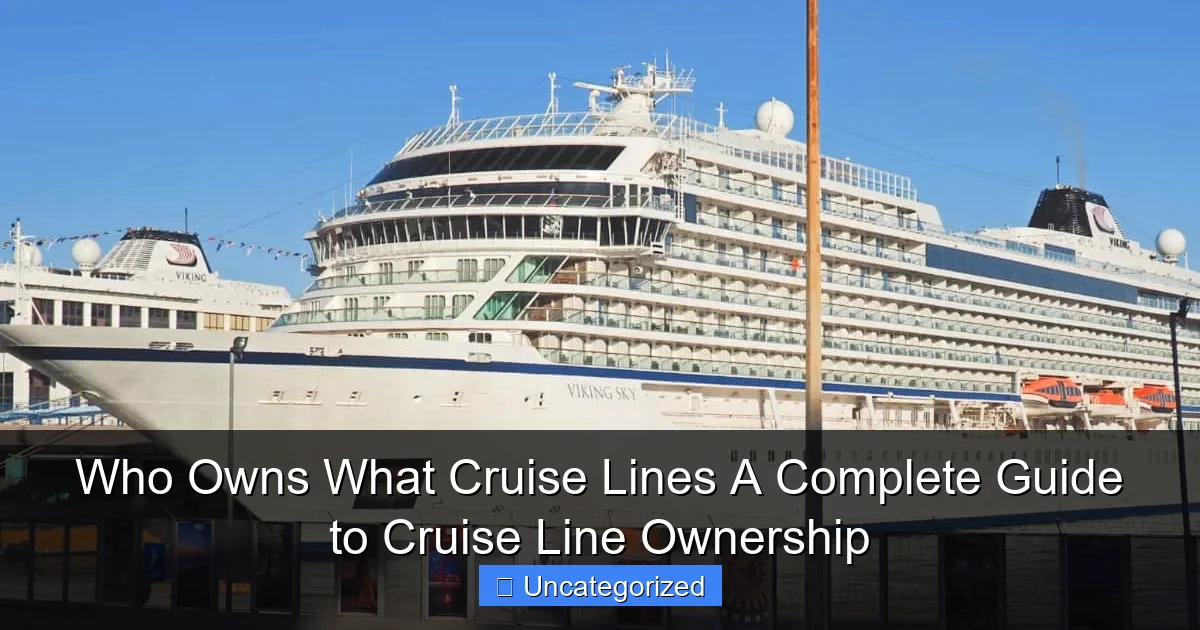
Visual guide about who owns what cruise lines
Image source: touristsecrets.com
Carnival Corporation & plc: The World’s Largest Cruise Company
Carnival Corporation & plc is the undisputed leader in the cruise industry, operating a fleet of more than 90 ships under 10 distinct brands. Headquartered in Miami, Florida, and London, UK, Carnival is a dual-listed company (a rare corporate structure), meaning it’s incorporated in both the United States and the United Kingdom. This structure allows the company to leverage tax advantages and access capital markets more effectively.
- Carnival Cruise Line – The flagship brand, known for its fun, family-friendly atmosphere and value-focused pricing.
- Princess Cruises – A mid-tier brand emphasizing destination-rich itineraries and premium service.
- Holland America Line – Focused on traditional cruising with an emphasis on elegance and cultural immersion.
- Seabourn – An ultra-luxury brand offering all-inclusive, intimate voyages.
- AIDA Cruises – A German-based brand popular in Europe with a lively, party-centric vibe.
- Costa Cruises – An Italian brand with a strong presence in the Mediterranean and Asia.
- P&O Cruises – A British brand with a long heritage, offering cruises tailored to UK and Australian markets.
- Cunard Line – A legendary luxury brand known for transatlantic crossings and formal elegance.
- Fathom – A short-lived social impact brand focused on volunteer travel (discontinued in 2017).
- Oceania Cruises – Acquired in 2021, this premium brand specializes in destination-intensive, culinary-focused cruises.
- Regent Seven Seas Cruises – Also acquired in 2021, this all-inclusive luxury line offers high-end amenities and butler service.
Tip: If you’re considering a Carnival-owned cruise, note that each brand has a unique identity. For example, AIDA Cruises is ideal for German-speaking travelers, while Seabourn offers a quieter, more refined experience than the lively Carnival Cruise Line.
Royal Caribbean Group: Innovation and Scale
Royal Caribbean Group is the second-largest cruise operator, with a fleet of over 60 ships and a reputation for innovation, including the world’s largest cruise ships like Symphony of the Seas and Icon of the Seas. The company is headquartered in Miami, Florida, and trades on the New York Stock Exchange (NYSE: RCL).
- Royal Caribbean International – The flagship brand, known for massive, activity-packed ships with features like surf simulators, ice rinks, and robotic bartenders.
- Royal Caribbean International – The flagship brand, known for massive, activity-packed ships with features like surf simulators, ice rinks, and robotic bartenders.
- Celebrity Cruises – A premium brand offering modern luxury, wellness-focused experiences, and gourmet dining.
- Silversea Cruises – Acquired in 2018, this ultra-luxury, all-inclusive line operates smaller, elegant ships with high staff-to-guest ratios.
- TUI Cruises – A joint venture with TUI Group, focused on the German market and offering a blend of German and international experiences.
- Hapag-Lloyd Cruises – Acquired in 2019, this German luxury and expedition brand offers high-end European itineraries and polar expeditions.
- Pulwama – A boutique luxury brand in India (minority stake).
Practical Insight: Royal Caribbean Group’s acquisition of Silversea and Hapag-Lloyd demonstrates its strategy to expand into the luxury and expedition markets, competing directly with Carnival’s Seabourn and Regent Seven Seas. The group’s focus on innovation—such as the Icon Class ships powered by liquefied natural gas (LNG)—positions it as a leader in sustainable cruising.
NCLH: The “Freestyle” Alternative
Norwegian Cruise Line Holdings Ltd. (NCLH), headquartered in Miami, operates three distinct brands, each with a unique positioning strategy. Unlike Carnival and Royal Caribbean, NCLH emphasizes flexibility and “freestyle cruising,” allowing passengers to dine when and where they want.
- Norwegian Cruise Line (NCL) – The core brand, known for its relaxed dress code, diverse dining options, and innovative entertainment.
- Oceania Cruises – A premium brand focusing on culinary excellence, destination immersion, and mid-sized ships (sold to Carnival in 2021, but NCLH retains a 20% stake).
- Regent Seven Seas Cruises – All-inclusive luxury with a focus on spacious suites, butler service, and high-end amenities (also sold to Carnival, with NCLH retaining a minority interest).
Note: In 2021, NCLH sold Oceania and Regent to Carnival Corporation for $2.7 billion, a strategic move to reduce debt and focus on core growth. However, NCLH retains a 20% stake in the newly formed entity, Oceania & Regent Holdings, giving it ongoing influence in the luxury segment.
Independent and Niche Cruise Lines: Beyond the Big Three
While the “Big Three” dominate the market, a growing number of independent and niche cruise lines cater to specialized audiences. These smaller operators often focus on sustainability, adventure, or cultural immersion, offering unique alternatives to mass-market cruising.
Luxury and Expedition Brands
The luxury and expedition segments are seeing rapid growth, driven by demand for personalized, high-end experiences. Key players include:
- Viking Cruises – Founded by Norwegian entrepreneur Torstein Hagen, Viking operates river, ocean, and expedition cruises with a focus on cultural enrichment and Scandinavian design. Viking is privately held and not owned by any of the Big Three.
- Scenic Luxury Cruises & Tours – An Australian-based company offering ultra-luxury river and ocean cruises, including expedition ships to Antarctica and the Arctic.
- Ponant – A French luxury cruise line specializing in polar expeditions and small-ship cruising. Owned by the French government (via the French Sovereign Wealth Fund) and Groupe Artémis (a holding company controlled by the Pinault family).
- Lindblad Expeditions – Partnered with National Geographic, this U.S.-based company offers eco-friendly, educational voyages to remote destinations. Publicly traded (NASDAQ: LIND).
Tip: If you’re interested in expedition cruising, Ponant and Lindblad are excellent choices, offering expert-led excursions, sustainable practices, and access to restricted areas like Antarctica and the Galápagos.
River and Coastal Cruising
River cruising is a niche but rapidly expanding market, particularly in Europe and Asia. Key operators include:
- AmaWaterways – A family-owned company offering luxury river cruises in Europe, Asia, and Africa. Known for its wellness programs and twin-balcony staterooms.
- Uniworld Boutique River Cruises – Part of the Travel Corporation, a privately held group that also owns Insight Vacations and Trafalgar. Uniworld offers all-inclusive, design-focused river cruises.
- Avalon Waterways – A subsidiary of Globus family of brands, offering modern river cruises with open-air balconies.
Example: AmaWaterways’ AmaMagna is one of the widest river ships in Europe, offering spacious suites and a wellness deck—perfect for travelers seeking comfort and innovation on the water.
Boutique and Themed Cruises
Several smaller lines focus on niche markets, such as LGBTQ+ travelers, music festivals, or wellness retreats:
- Virgin Voyages – Founded by Sir Richard Branson, this adult-only (18+) cruise line targets millennials and Gen Z with a rock-and-roll vibe, inclusive pricing, and no buffets.
- Hurtigruten Expeditions – A Norwegian company specializing in polar and adventure cruising. Recently rebranded to emphasize sustainability and expedition experiences.
- Atlas Ocean Voyages – A new luxury expedition brand launched in 2021, offering all-inclusive voyages to Antarctica, the Arctic, and the Amazon.
Joint Ventures, Partnerships, and Strategic Alliances
The cruise industry is not just about ownership—it’s also shaped by strategic partnerships, joint ventures, and alliances that allow companies to share resources, reduce costs, and expand into new markets.
Joint Ventures in Key Markets
- TUI Cruises – A joint venture between Royal Caribbean Group and TUI Group, focusing on the German-speaking market. Royal Caribbean provides ships and operational expertise, while TUI handles marketing and distribution.
- Cruise Saudi – A partnership between the Saudi Public Investment Fund and Carnival Corporation to develop a new cruise line focused on the Red Sea and Gulf regions. This reflects a growing trend of state-backed cruise ventures in emerging markets.
- MSC Cruises and China State Shipbuilding Corporation (CSSC) – A joint venture to build new cruise ships for the Chinese market, highlighting the importance of local partnerships in Asia.
Port and Infrastructure Alliances
Cruise lines often partner with port authorities and governments to develop new terminals and destinations. For example:
- Carnival and Royal Caribbean have both invested in private islands (e.g., CocoCay and Half Moon Cay) to control the guest experience and reduce port fees.
- MSC Cruises has partnered with the Port of Barcelona to develop a new cruise terminal, enhancing its European presence.
Tip: When booking a cruise, consider whether the line operates its own private island or terminal. These destinations often offer superior facilities, fewer crowds, and exclusive experiences.
Technology and Sustainability Partnerships
As the industry moves toward sustainability, cruise lines are forming alliances with technology firms and environmental organizations. Examples include:
- Royal Caribbean’s partnership with Wärtsilä to develop LNG-powered ships.
- Carnival’s collaboration with Shell to supply LNG for its Excel-class ships.
- Norwegian Cruise Line’s investment in biofuel trials and shore power connectivity.
How Ownership Affects Your Cruise Experience
Understanding who owns what cruise lines isn’t just about corporate trivia—it directly impacts your vacation experience. Parent company ownership influences everything from service standards to onboard amenities, sustainability practices, and even pricing strategies.
Brand Positioning and Target Audiences
Each brand within a parent company is carefully positioned to appeal to a specific demographic. For example:
- Carnival Cruise Line targets families and first-time cruisers with affordable pricing, fun activities, and a lively atmosphere.
- Celebrity Cruises focuses on couples and older travelers seeking a more refined, wellness-oriented experience.
- Silversea caters to affluent travelers who value exclusivity, all-inclusive pricing, and personalized service.
Tip: When choosing a cruise, research the brand’s target audience. A family with young children might prefer Carnival, while a luxury-seeking couple might opt for Regent Seven Seas or Silversea.
Onboard Experience and Amenities
Parent companies invest heavily in innovation and amenities to differentiate their brands. Royal Caribbean, for instance, leads in onboard entertainment with features like:
- Robotic bartenders (Bionic Bar)
- FlowRider surf simulators
- Sky Pad virtual reality trampolines
In contrast, Seabourn and Regent focus on quiet luxury, with spacious suites, butler service, and gourmet dining.
Sustainability and Corporate Responsibility
Ownership also affects a cruise line’s environmental and social policies. Carnival Corporation has committed to reducing carbon emissions by 40% by 2030, while Royal Caribbean aims for net-zero emissions by 2050. Smaller lines like Lindblad and Hurtigruten emphasize eco-friendly practices, such as:
- Zero single-use plastics
- Shore power connectivity
- Partnerships with conservation organizations
Data Table: Major Cruise Line Ownership (2024)
| Parent Company | Brands Owned | Fleet Size (2024) | Headquarters | Key Markets |
|---|---|---|---|---|
| Carnival Corporation & plc | Carnival, Princess, Holland America, Seabourn, AIDA, Costa, P&O, Cunard, Oceania, Regent | 90+ | Miami, FL / London, UK | Global (U.S., Europe, Asia) |
| Royal Caribbean Group | Royal Caribbean, Celebrity, Silversea, TUI Cruises, Hapag-Lloyd | 60+ | Miami, FL | Global (U.S., Europe, Asia) |
| NCLH | Norwegian, Oceania (20% stake), Regent (20% stake) | 30+ | Miami, FL | U.S., Europe, Asia |
| Viking Cruises | Viking River, Viking Ocean, Viking Expedition | 90+ | Basel, Switzerland | Global (U.S., Europe, Asia) |
| MSC Cruises | MSC Cruises, Explora Journeys | 20+ | Geneva, Switzerland | Europe, Asia, Middle East |
Conclusion: Navigating the Cruise Ownership Landscape
The cruise industry may appear fragmented, but a closer look reveals a tightly knit network of ownership dominated by a few key players. Understanding who owns what cruise lines empowers travelers to make informed decisions based on brand positioning, service quality, sustainability practices, and target demographics. Whether you’re drawn to the family-friendly fun of Carnival, the high-tech innovation of Royal Caribbean, or the quiet luxury of Silversea, knowing the corporate structure behind the brand helps you choose the right cruise for your needs.
As the industry evolves—driven by sustainability goals, technological advancements, and shifting consumer preferences—ownership dynamics will continue to shape the future of cruising. From joint ventures in emerging markets to partnerships with environmental organizations, the next decade promises exciting changes. For now, use this guide to navigate the complex world of cruise line ownership and set sail with confidence, knowing exactly who’s behind the helm of your next unforgettable voyage.
Frequently Asked Questions
Who owns the major cruise lines in the industry?
The two largest parent companies are Carnival Corporation & plc (owner of Carnival, Princess, Holland America, and others) and Royal Caribbean Group (owner of Royal Caribbean International, Celebrity Cruises, and Silversea). Norwegian Cruise Line Holdings is the third major player, operating Norwegian, Oceania, and Regent Seven Seas.
Which cruise line owns Disney Cruise Line?
Disney Cruise Line is fully owned by The Walt Disney Company, operating as a subsidiary of Disney Parks, Experiences and Products. Unlike most major lines, it’s not part of a larger cruise corporation but remains a standalone brand under Disney’s entertainment division.
Does Royal Caribbean Group own Celebrity Cruises?
Yes, Royal Caribbean Group owns Celebrity Cruises as one of its primary luxury brands. The group also includes Royal Caribbean International and Silversea Cruises, with Celebrity positioned as a premium, adults-focused line offering modern luxury itineraries.
Who owns Carnival Cruise Line and its sister brands?
Carnival Cruise Line is owned by Carnival Corporation, the world’s largest cruise operator, which also owns Princess Cruises, Holland America Line, and Costa Cruises. The corporation operates 9 distinct brands across various market segments, from budget to luxury.
Is Norwegian Cruise Line Holdings a publicly traded company?
Yes, Norwegian Cruise Line Holdings (NCLH) is publicly traded on the New York Stock Exchange (ticker: NCLH). It owns three brands: Norwegian Cruise Line, Oceania Cruises, and Regent Seven Seas Cruises, focusing on freestyle cruising and upscale experiences.
What cruise lines are owned by private equity firms?
Some niche or luxury lines, like Viking Cruises (majority-owned by TPG Capital) and Crystal Cruises (acquired by A&K Travel Group with backing from Heritage Equity Partners), are backed by private equity. These firms often target high-end or expedition cruise markets.