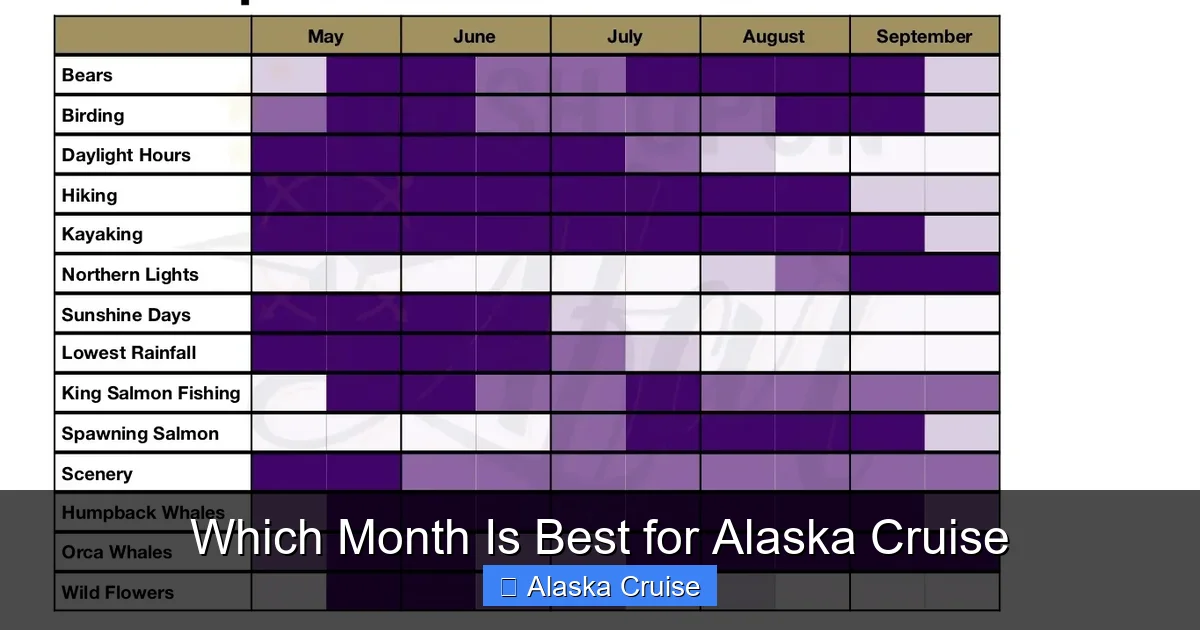
Choosing the best month for Alaska cruise depends on your priorities—wildlife, weather, or fewer crowds. Peak season runs from June to August, offering warm weather and long daylight hours, while shoulder months like May and September provide quieter experiences and lower prices.
Planning an Alaska cruise is an exciting adventure, but one of the most important decisions you’ll make is choosing the right time to go. With its dramatic glaciers, rugged coastlines, abundant wildlife, and Indigenous cultures, Alaska offers a once-in-a-lifetime experience—but the timing of your trip can greatly influence what you see, how you feel, and how much you spend. So, which month is best for Alaska cruise?
The short answer? It depends on what you’re looking for. Are you eager to spot humpback whales breaching near Juneau? Do you dream of hiking through mossy rainforests in Ketchikan? Or maybe you prefer quieter ports, lower prices, and the chance to see fall colors paint the landscape? Each month from May to September—the official Alaska cruise season—offers a unique flavor of the Last Frontier.
In this guide, we’ll walk you through the pros and cons of cruising Alaska in each month, from the early blooms of May to the crisp air of September. We’ll cover weather patterns, wildlife activity, crowd levels, pricing, and must-see experiences so you can make an informed decision. Whether you’re a first-time cruiser or a seasoned traveler, this detailed breakdown will help you pick the perfect month for your Alaska adventure.
Key Takeaways
- June to August is peak season: Offers the warmest weather, longest daylight, and best wildlife viewing, including whales and bears.
- May and September are shoulder months: Fewer crowds, lower prices, and still good weather, with May offering blooming flora and September showcasing fall colors.
- Wildlife viewing peaks in July: This is the best time to see humpback whales, orcas, and brown bears at Katmai or Admiralty Island.
- Weather varies significantly: Summer months are mild (50–70°F), while May and September can be cooler and wetter.
- Daylight hours increase in summer: June offers nearly 20 hours of daylight, perfect for sightseeing and photography.
- Prices are highest in July and August: Book early for better deals, or consider shoulder months for budget-friendly options.
- Glacier viewing is best from May to September: Calving glaciers are most active in warmer months, especially near Hubbard Glacier and Glacier Bay.
📑 Table of Contents
Understanding the Alaska Cruise Season
Alaska’s cruise season is relatively short, typically running from early May to late September. This six-month window aligns with the region’s brief but beautiful summer, when temperatures are mild, daylight is abundant, and wildlife is most active. Outside of this period, most cruise lines suspend operations due to harsh weather, icy waters, and limited daylight.
The season is often divided into three phases: the shoulder months (May and September), the peak summer months (June, July, and August), and the transition periods in between. Each phase offers distinct advantages and trade-offs, so understanding these differences is key to choosing the best month for your Alaska cruise.
During the shoulder months, you’ll find fewer tourists, lower prices, and a more relaxed atmosphere. May brings the first signs of spring—melting snow, blooming wildflowers, and returning migratory birds. September, on the other hand, offers crisp air, golden foliage, and the chance to see bears preparing for hibernation. These months are ideal for travelers seeking value and solitude.
The peak summer months, especially July, are when Alaska truly comes alive. The weather is at its warmest, the days are long, and wildlife is abundant. This is also when most families travel, so ports like Skagway and Juneau can get busy. If you’re looking for the full Alaska experience—glaciers, whales, and endless daylight—summer is the time to go.
Why the Season Matters
The timing of your cruise affects nearly every aspect of your trip. Weather conditions influence what you can do ashore, from hiking and kayaking to wildlife tours. Wildlife sightings vary by month, with certain animals more active during specific times. Even the scenery changes—glaciers calve more dramatically in warmer months, and fall colors emerge in September.
Additionally, cruise lines schedule different itineraries and shore excursions based on the season. Some remote areas, like Glacier Bay National Park, have limited access and require permits, so availability may be tighter in peak months. Understanding these nuances helps you set realistic expectations and plan accordingly.
May: The Start of the Season
Visual guide about Which Month Is Best for Alaska Cruise
Image source: cruisefever.net
May marks the beginning of the Alaska cruise season, and it’s a time of renewal and awakening. As the snow melts and the days grow longer, Alaska transforms from a frozen wilderness into a vibrant, green landscape. For travelers who enjoy a quieter, more intimate experience, May is an excellent choice.
Weather in May
Temperatures in May are cool but gradually warming. Average highs range from 45°F to 60°F (7°C to 15°C), depending on your itinerary. Coastal areas like Ketchikan and Juneau tend to be milder, while inland regions like Skagway can be cooler. Rain is common, so packing layers and waterproof gear is essential.
Despite the cooler weather, May offers increasing daylight—up to 16 hours by the end of the month. This gives you plenty of time to explore ports, take guided tours, and enjoy scenic cruising through fjords and channels.
Wildlife and Nature in May
May is a fantastic time for birdwatchers. Migratory birds, including bald eagles, puffins, and sandhill cranes, return to Alaska to nest and feed. You may also spot sea otters, seals, and porpoises in the coastal waters. While whales are less common in May than in summer, some early arrivals—especially humpbacks—can be seen near Glacier Bay and Icy Strait.
On land, the landscape is lush and green. Wildflowers like lupine and fireweed begin to bloom, and the forests come alive with the sounds of birds and rushing streams. It’s a peaceful, rejuvenating time to experience Alaska’s natural beauty.
Crowds and Pricing
One of the biggest advantages of cruising in May is the lack of crowds. Most schools are still in session, so families haven’t yet arrived in full force. Ports are quieter, tours are easier to book, and you’ll have more space on deck to enjoy the views.
Prices are also lower than in summer. Cruise fares, flights, and shore excursions are often discounted, making May a budget-friendly option. However, keep in mind that some remote excursions or small lodges may not yet be open, so check availability in advance.
Best Itineraries for May
Popular May itineraries often include ports like Ketchikan, Juneau, Skagway, and Victoria (Canada). These routes offer a mix of cultural experiences, outdoor adventures, and scenic cruising. Glacier viewing is possible, though calving activity may be less intense than in summer.
Consider a 7-night cruise with Holland America or Princess Cruises, which frequently offer May departures from Seattle or Vancouver. These lines are known for their Alaska expertise and well-planned shore excursions.
June: The Start of Peak Season
June is when Alaska’s cruise season truly kicks into gear. The weather warms up, the days stretch longer, and wildlife becomes more active. It’s a popular month for travelers seeking a balance between good conditions and manageable crowds.
Weather in June
June brings mild, pleasant weather. Average temperatures range from 50°F to 65°F (10°C to 18°C), with coastal areas staying cooler due to ocean influence. Rain is still possible, but sunny days are more frequent than in May.
Daylight is a major highlight—up to 18 hours by mid-June. This extended daylight allows for late-evening excursions, photography, and simply soaking in the stunning scenery. The famous “midnight sun” effect begins in northern regions, though most cruise itineraries stay in southern Alaska.
Wildlife Viewing in June
June is an excellent time for wildlife enthusiasts. Humpback whales are increasingly common, especially in areas like Icy Strait and Frederick Sound. Orcas, sea lions, and Dall’s porpoises are also frequently spotted.
On land, brown bears begin to appear along salmon streams and coastal areas. While sightings are not guaranteed, guided bear-viewing tours in places like Admiralty Island or Pack Creek increase your chances. Moose, black bears, and mountain goats are also active in forested regions.
Crowds and Availability
Crowds start to build in June, especially around the Fourth of July holiday. Popular ports like Juneau and Skagway can get busy, and shore excursions may fill up quickly. Booking tours in advance is highly recommended.
Despite the growing crowds, June still offers a more relaxed atmosphere than July and August. You’ll have a good mix of families, couples, and solo travelers, creating a friendly and diverse onboard community.
Glacier and Scenic Highlights
June is a great time for glacier viewing. Hubbard Glacier, one of the most active tidewater glaciers in North America, often calves dramatically in early summer. Glacier Bay National Park is also accessible, with ranger-led programs enhancing the experience.
Scenic cruising through Tracy Arm or Misty Fjords offers breathtaking views of waterfalls, cliffs, and wildlife. The combination of mild weather and long days makes June ideal for photography and outdoor exploration.
July: The Peak of Summer
July is the heart of Alaska’s cruise season—and for good reason. It’s the warmest, sunniest, and most active month of the year. If you want the full Alaska experience, July is hard to beat.
Weather in July
July offers the best weather of the season. Average temperatures range from 55°F to 70°F (13°C to 21°C), with occasional warmer days inland. Rain is less frequent than in spring, and sunny skies are common.
Daylight is at its peak—nearly 20 hours in some areas. This allows for extended shore excursions, evening wildlife tours, and late-night deck time. The long days also mean more time to explore ports and enjoy onboard activities.
Wildlife in Full Swing
July is prime time for wildlife viewing. Humpback whales are abundant, often seen breaching, tail-slapping, and bubble-net feeding. Orcas are also frequently spotted, especially in the Inside Passage.
Brown bears are highly active, particularly in areas like Katmai National Park and Admiralty Island, where they gather to feed on salmon. Guided bear-viewing tours are popular and often sell out quickly.
Other wildlife includes sea otters, harbor seals, puffins, and bald eagles. On land, moose, black bears, and mountain goats are commonly seen along hiking trails and roads.
Crowds and Pricing
July is the busiest month for Alaska cruises. Families, school groups, and international travelers flock to the region, leading to crowded ports and limited availability for tours.
Prices are at their highest. Cruise fares, airfare, and excursions can be significantly more expensive than in shoulder months. Booking at least 6–12 months in advance is recommended to secure the best cabins and deals.
Despite the crowds, the energy is infectious. Ports are lively, tours are plentiful, and the overall atmosphere is festive. If you don’t mind sharing the experience with others, July offers unmatched excitement.
Must-Do Experiences in July
– **Whale Watching in Icy Strait:** Take a Zodiac tour to see humpbacks up close.
– **Bear Viewing at Pack Creek:** Join a guided floatplane tour to a remote bear sanctuary.
– **Glacier Bay National Park:** Enjoy ranger-led programs and dramatic glacier calving.
– **Mendenhall Glacier Hike:** Explore trails near Juneau with stunning ice views.
– **Dog Sledding on a Glacier:** Experience a helicopter ride and meet sled dogs in Skagway.
August: Summer’s Grand Finale
August continues the summer magic, with warm weather, active wildlife, and long days. While crowds remain high, the month offers a slightly more relaxed pace than July, making it a favorite among many cruisers.
Weather in August
August weather is similar to July, with average temperatures between 55°F and 68°F (13°C to 20°C). Coastal areas remain cool and breezy, while inland regions can be warmer. Rainfall increases slightly toward the end of the month.
Daylight begins to shorten, but you’ll still enjoy 16–18 hours of light. This is ideal for evening excursions and scenic cruising under golden-hour skies.
Wildlife and Nature
Wildlife remains abundant in August. Whales are still commonly seen, and salmon runs peak in many rivers, attracting bears and eagles. Brown bears are especially active in coastal areas, preparing for the fall.
Fall colors begin to appear in late August, especially in the interior. While not as dramatic as September, the changing foliage adds a new layer of beauty to the landscape.
Crowds and Value
Crowds start to ease slightly in August, especially after the first week. Families with school-age children begin to return home, leaving more space on ships and in ports.
Prices remain high, but last-minute deals may be available for late-August departures. Consider booking a repositioning cruise, which often offers lower fares as ships move to or from Alaska.
Top August Experiences
– **Salmon Run Viewing:** Watch bears and eagles feed on salmon in rivers near Ketchikan or Haines.
– **Glacier Kayaking:** Paddle near Mendenhall or Tracy Arm for an up-close glacier experience.
– **Cultural Tours:** Learn about Tlingit and Haida cultures in Ketchikan and Juneau.
– **Scenic Train Rides:** Take the White Pass & Yukon Route Railroad in Skagway.
September: The Quiet Beauty of Fall
September marks the end of the cruise season, offering a peaceful, scenic, and budget-friendly alternative to summer. While weather cools and daylight shortens, the rewards are well worth it.
Weather in September
September brings cooler temperatures, ranging from 45°F to 60°F (7°C to 15°C). Rain is more frequent, especially in coastal areas. However, crisp, clear days are common, offering stunning views of fall colors.
Daylight drops to about 12–14 hours by month’s end, but the soft light is perfect for photography and reflection.
Wildlife and Fall Colors
September is prime time for bear viewing. With salmon runs in full swing, brown bears gather along rivers and coastlines. Eagles, too, are highly active, feeding on spawning fish.
Fall colors transform the landscape, especially in the interior. While coastal rainforests stay green, areas near Haines and Skagway burst with gold, red, and orange hues.
Crowds and Pricing
September is the quietest month of the season. Most families have returned home, and ports are peaceful. Shore excursions are easier to book, and you’ll have more personal space on the ship.
Prices drop significantly. Cruise fares, flights, and tours are often discounted, making September a great value. Some cruise lines even offer special fall-themed itineraries.
Best September Itineraries
Look for late-September departures with lines like Norwegian Cruise Line or Royal Caribbean, which often offer shorter or repositioning cruises. These itineraries may include unique ports or extended scenic cruising.
Conclusion: Choosing Your Perfect Month
So, which month is best for Alaska cruise? The answer depends on your priorities.
If you want the warmest weather, longest days, and best wildlife viewing, **July** is the top choice. For a balance of good conditions and fewer crowds, **June** or **August** are excellent. If you prefer solitude, lower prices, and the beauty of spring or fall, **May** or **September** are ideal.
No matter when you go, an Alaska cruise offers unforgettable experiences—glaciers that calve before your eyes, whales that breach in the distance, and landscapes that feel almost otherworldly. By understanding the differences between months, you can choose the timing that best fits your travel style and make the most of your Alaskan adventure.
Frequently Asked Questions
What is the best month for whale watching in Alaska?
July is the best month for whale watching, as humpback whales are most active and frequently seen in areas like Icy Strait and Frederick Sound. June and August also offer excellent sightings, though July has the highest concentration.
Is it cold on an Alaska cruise in June?
June weather is mild, with average temperatures between 50°F and 65°F. It’s not cold, but you’ll need layers and a waterproof jacket for rain and cooler coastal breezes.
Can you see the Northern Lights on an Alaska cruise?
The Northern Lights are not visible during the cruise season (May–September) due to extended daylight. For aurora viewing, travel in winter months, though cruises do not operate then.
Are Alaska cruises crowded in September?
No, September is one of the least crowded months. Most families have returned home, making ports and ships quieter and more peaceful.
What should I pack for an Alaska cruise in August?
Pack layers, including a waterproof jacket, warm fleece, hiking pants, and sturdy shoes. Don’t forget sunglasses, sunscreen, and a camera for wildlife and scenery.
Do glaciers calve more in certain months?
Yes, glaciers are most active in warmer months, especially July and August. Hubbard Glacier and Glacier Bay often see dramatic calving during this time due to melting and tidal forces.