
Choosing the best Alaska cruise itinerary depends on your travel style, interests, and time. Whether you prefer scenic glaciers, wildlife sightings, or cultural experiences, this guide helps you pick the perfect route for an unforgettable Alaskan adventure.
Planning an Alaska cruise is exciting—majestic glaciers, towering mountains, playful whales, and quaint coastal towns await. But with so many cruise lines, ships, and routes to choose from, one question keeps coming up: *Which itinerary is best for Alaska cruise?* The answer isn’t one-size-fits-all. It depends on what you want to see, how much time you have, and your travel preferences.
Alaska’s rugged coastline and vast wilderness make it a dream destination for nature lovers, photographers, and adventure seekers. But unlike tropical cruises, Alaska cruises are all about the journey—not just the destinations. The scenery changes daily, from misty fjords to snow-capped peaks, and each port offers a unique slice of Alaskan life. Whether you’re drawn to the thrill of calving glaciers, the charm of historic gold rush towns, or the chance to spot bears and bald eagles, the right itinerary can make all the difference.
In this guide, we’ll break down the most popular Alaska cruise routes, compare their highlights, and help you decide which one fits your ideal vacation. We’ll cover everything from short 7-day trips to extended land-and-sea adventures, so you can sail with confidence and make the most of your time in the Last Frontier.
Key Takeaways
- Round-trip itineraries from Seattle or Vancouver offer convenience and port variety, ideal for first-time cruisers.
- One-way cruises between Seattle/Vancouver and Seward/Whittier provide more time in Alaska and access to Denali National Park.
- Inside Passage routes focus on lush forests, charming towns, and frequent wildlife sightings.
- Gulf of Alaska cruises include glacier-heavy ports like Hubbard Glacier and Glacier Bay, perfect for nature lovers.
- 7-day cruises are the most popular and offer a balanced mix of scenery and shore excursions.
- Longer 10- to 14-day itineraries allow deeper exploration, including remote areas and extended land tours.
- Season matters: May to September offers the best weather, wildlife, and glacier activity.
📑 Table of Contents
Understanding Alaska Cruise Itinerary Types
Alaska cruises generally fall into two main categories: **round-trip** and **one-way (open-jaw)** itineraries. Each has its own advantages, and understanding the difference is key to choosing the best route for your trip.
Round-Trip Cruises
Round-trip cruises depart and return to the same port, typically Seattle or Vancouver. These are the most common and convenient options, especially for travelers who don’t want to deal with multiple flights or complex logistics. A typical round-trip cruise lasts 7 days and sails through the Inside Passage, visiting ports like Ketchikan, Juneau, and Skagway.
One of the biggest perks of a round-trip itinerary is simplicity. You board the ship, enjoy a week of scenic sailing and shore excursions, and return to your starting point without needing to arrange onward travel. This makes it ideal for families, first-time cruisers, or anyone looking for a hassle-free vacation.
Popular cruise lines offering round-trip Alaska cruises include Holland America, Princess Cruises, and Norwegian Cruise Line. These ships often feature comfortable amenities, multiple dining options, and enrichment programs about Alaskan history and wildlife.
One-Way (Open-Jaw) Cruises
One-way cruises, also known as open-jaw itineraries, start in one city and end in another—most commonly departing from Seattle or Vancouver and ending in Seward or Whittier (near Anchorage), or vice versa. These routes typically last 7 to 10 days and cover more ground, including the Gulf of Alaska.
The main advantage of a one-way cruise is access to more dramatic scenery and glacier-heavy ports like Hubbard Glacier, Glacier Bay National Park, and College Fjord. Because the ship travels in a straight line across the Gulf, you spend less time backtracking and more time exploring remote, awe-inspiring areas.
One-way cruises are especially popular with travelers who plan to combine their voyage with a land tour. For example, you might cruise from Vancouver to Seward, then take a train or bus to Denali National Park for a few days before flying home from Anchorage. This land-and-sea combo offers a fuller Alaskan experience, blending coastal beauty with inland wilderness.
Inside Passage vs. Gulf of Alaska Routes
Another way to categorize Alaska cruise itineraries is by region: the **Inside Passage** and the **Gulf of Alaska**.
The Inside Passage is a narrow, protected waterway that hugs the coast of British Columbia and southeastern Alaska. It’s known for its lush rainforests, abundant wildlife, and charming towns like Ketchikan and Juneau. Cruises here are generally calmer, with smoother seas and frequent stops at accessible ports.
In contrast, Gulf of Alaska itineraries venture further north and west, crossing open waters to reach glacier-rich areas like Hubbard Glacier and Glacier Bay. These routes offer more dramatic scenery and a greater chance to see massive tidewater glaciers calving into the sea. However, they can also be rougher, especially in early summer or late fall.
Most 7-day cruises focus on the Inside Passage, while longer or one-way trips often include Gulf of Alaska destinations. If glaciers are your top priority, a Gulf route may be the better choice.
Top Alaska Cruise Itineraries Compared
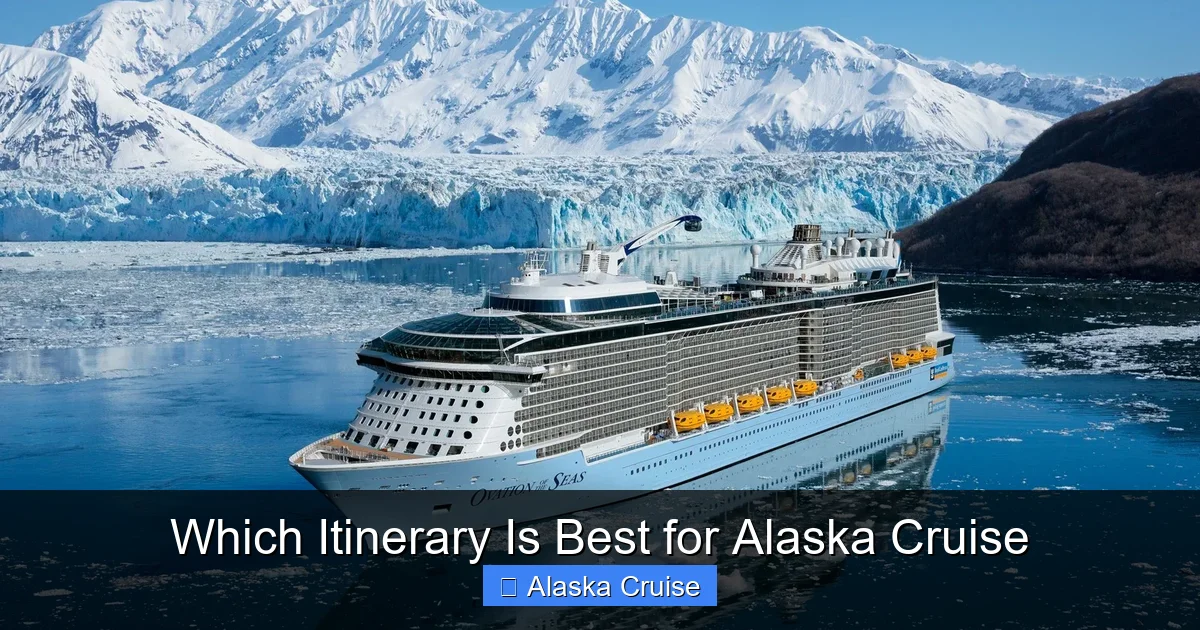
Visual guide about Which Itinerary Is Best for Alaska Cruise
Image source: royalcaribbeanblog.com
Now that you understand the basics, let’s look at some of the most popular Alaska cruise itineraries and what makes each one special.
7-Day Round-Trip from Seattle
This is one of the most convenient and family-friendly options. Ships like Norwegian Bliss and Carnival Horizon offer weekly departures from Seattle, making it easy to combine your cruise with a pre- or post-trip stay in the city.
A typical 7-day Seattle round-trip includes:
– **Day 1:** Depart Seattle
– **Day 2:** At sea (enjoy onboard activities)
– **Day 3:** Ketchikan (rainforest hikes, totem poles, salmon fishing)
– **Day 4:** Juneau (whale watching, Mendenhall Glacier, gold rush history)
– **Day 5:** Skagway (historic downtown, White Pass & Yukon Route Railway)
– **Day 6:** At sea (glacier viewing, possibly Tracy Arm or Endicott Arm)
– **Day 7:** Return to Seattle
This itinerary is great for first-timers because it covers the classic Alaskan ports and offers a mix of culture, nature, and adventure. The at-sea days often include scenic cruising through fjords, with chances to spot seals, sea lions, and even orcas.
7-Day Round-Trip from Vancouver
Similar to the Seattle route, Vancouver-based cruises offer a scenic departure with views of the Canadian coast. Ships like Royal Princess and Sapphire Princess sail this route, often with an extra stop in Victoria, BC, before heading into Alaskan waters.
A typical Vancouver round-trip might include:
– **Day 1:** Depart Vancouver
– **Day 2:** Victoria, BC (gardens, afternoon tea, coastal views)
– **Day 3:** Ketchikan
– **Day 4:** Juneau
– **Day 5:** Skagway
– **Day 6:** At sea (glacier viewing)
– **Day 7:** Return to Vancouver
The Victoria stop adds a touch of British charm and is a nice cultural contrast to the Alaskan ports. This itinerary is ideal for travelers coming from Canada or the Pacific Northwest.
7-Day One-Way: Vancouver to Seward
This open-jaw itinerary is perfect for travelers who want to see more of Alaska and plan a land extension. Ships like Holland America’s Nieuw Amsterdam and Princess’s Grand Princess offer this route, which includes Glacier Bay National Park—a UNESCO World Heritage Site.
A typical Vancouver-to-Seward cruise includes:
– **Day 1:** Depart Vancouver
– **Day 2:** At sea
– **Day 3:** Ketchikan
– **Day 4:** Juneau
– **Day 5:** Skagway
– **Day 6:** Glacier Bay (full-day scenic cruising)
– **Day 7:** Disembark in Seward
Glacier Bay is a major highlight, with towering glaciers, icy blue waters, and frequent wildlife sightings. The park is only accessible by boat or plane, making this cruise a rare opportunity to experience one of Alaska’s most pristine wilderness areas.
10-Day Gulf of Alaska Cruise
For travelers who want a deeper dive into Alaska’s natural wonders, a 10-day Gulf of Alaska cruise is an excellent choice. These itineraries often start in Seattle or Vancouver and end in Whittier or Seward, covering both the Inside Passage and the Gulf.
A sample 10-day route might include:
– **Days 1–2:** Depart Seattle, at sea
– **Day 3:** Ketchikan
– **Day 4:** Juneau
– **Day 5:** Skagway
– **Day 6:** Glacier Bay
– **Day 7:** Hubbard Glacier (one of the most active glaciers in Alaska)
– **Day 8:** College Fjord (spectacular tidewater glaciers)
– **Day 9:** At sea
– **Day 10:** Disembark in Whittier
This extended route allows more time for scenic cruising and reduces the rush between ports. It’s ideal for photographers, nature enthusiasts, and anyone who wants to fully immerse themselves in Alaska’s grandeur.
14-Day Land-and-Sea Adventures
For the ultimate Alaskan experience, consider a 14-day land-and-sea package. These trips combine a 7-day cruise with a 7-day land tour, often including stays in Denali National Park, Fairbanks, or Anchorage.
For example, you might:
– Cruise from Vancouver to Seward (7 days)
– Take a train to Denali for wildlife viewing and hiking
– Visit Anchorage and the Kenai Fjords
– Fly home from Anchorage
These packages are offered by cruise lines like Princess and Holland America, as well as tour operators like Alaska Rail Tours. They provide a comprehensive look at Alaska’s diverse landscapes—from coastal rainforests to alpine tundra.
Factors to Consider When Choosing an Itinerary
With so many options, how do you decide which itinerary is best for Alaska cruise? Here are the key factors to consider.
Your Travel Style
Are you looking for relaxation, adventure, or cultural immersion? If you prefer a laid-back vacation with plenty of onboard amenities, a round-trip cruise from Seattle or Vancouver might be ideal. If you’re an outdoor enthusiast, a one-way cruise with glacier viewing and hiking opportunities will suit you better.
Families with young children may appreciate the convenience of a round-trip itinerary, while solo travelers or couples might enjoy the flexibility of an open-jaw route.
Time Available
Most Alaska cruises last 7 days, which is enough time to see the major ports and enjoy a few excursions. But if you have 10 days or more, you can explore remote areas like Glacier Bay or Hubbard Glacier without feeling rushed.
Shorter 5-day cruises are available but are less common and may skip key destinations. Longer 14-day trips offer the most comprehensive experience but require more time and budget.
Budget
Round-trip cruises are often more affordable because they don’t require additional flights. One-way cruises may cost more due to the logistics of open-jaw travel, but they can be worth it for the added scenery and land tour options.
Keep in mind that shore excursions, gratuities, and onboard spending can add up. Look for cruise lines that include extras like Wi-Fi, drinks, or excursions in their fares.
Season and Weather
Alaska’s cruise season runs from May to September. Early season (May–June) offers fewer crowds and lower prices, but some excursions may be limited due to snow. Peak season (July–August) has the best weather and most wildlife activity, but it’s also the busiest and most expensive.
Late season (September) brings stunning fall colors and fewer tourists, but shorter days and cooler temperatures. Glacier calving is most active in July and August, so if that’s a priority, aim for mid-summer.
Wildlife and Glacier Viewing
If seeing whales, bears, or glaciers is a must, choose an itinerary that maximizes your chances. Juneau and Icy Strait Point are top spots for whale watching. Ketchikan and Hyder offer bear viewing opportunities. For glaciers, look for routes that include Glacier Bay, Hubbard Glacier, or Tracy Arm.
Best Itineraries for Specific Interests
Not all Alaska cruises are created equal—some are better suited to certain interests. Here’s how to match your passions with the right route.
For Glacier Lovers
If glaciers are your main draw, prioritize itineraries that include **Hubbard Glacier**, **Glacier Bay**, or **College Fjord**. These areas feature massive tidewater glaciers that calve dramatically into the sea.
One-way cruises from Vancouver to Seward or Whittier are your best bet, as they spend full days in glacier-rich zones. Princess and Holland America offer excellent glacier-viewing experiences with onboard naturalists to explain the science behind the ice.
For Wildlife Enthusiasts
Alaska is a wildlife paradise, and certain ports offer better chances to see animals in their natural habitat. **Icy Strait Point** near Hoonah is one of the best places in the world to see humpback whales. **Ketchikan** and **Hyder** are prime spots for bear viewing, especially during salmon runs.
Look for itineraries that include these ports and offer guided wildlife tours. Early morning excursions increase your chances of sightings.
For History and Culture Buffs
Alaska’s gold rush history is alive in towns like **Skagway** and **Juneau**. Skagway’s historic district features restored buildings from the 1898 Klondike Gold Rush, and the White Pass & Yukon Route Railway offers a scenic journey into the mountains.
Juneau, the state capital, blends natural beauty with cultural attractions like the Alaska State Museum and the Alaska State Capitol. If you love history, choose an itinerary that spends extra time in these ports.
For Families
Families will appreciate the convenience and variety of round-trip cruises from Seattle or Vancouver. These routes offer kid-friendly activities, multiple dining options, and shorter travel times.
Ports like **Ketchikan** and **Juneau** have family-oriented excursions, such as ziplining, gold panning, and interactive museums. Look for ships with dedicated kids’ clubs and entertainment programs.
For Photographers
Photographers should seek out itineraries with extended scenic cruising and early morning departures. **Glacier Bay** and **Tracy Arm** offer stunning light and reflections, especially at dawn.
One-way cruises often have better timing for photography, as ships can position themselves for optimal lighting. Bring a telephoto lens for wildlife and a wide-angle for landscapes.
Tips for Maximizing Your Alaska Cruise Experience
No matter which itinerary you choose, these tips will help you make the most of your Alaska cruise.
Book Shore Excursions Early
Popular excursions like whale watching, dog sledding, and glacier hikes sell out quickly, especially on peak-season cruises. Book them as soon as your cruise is confirmed—many lines allow advance booking online.
Pack for Variable Weather
Alaska’s weather can change rapidly. Even in summer, temperatures range from 40°F to 70°F. Pack layers, a waterproof jacket, sturdy walking shoes, and binoculars for wildlife viewing.
Bring a Camera with Extra Batteries
You’ll want to capture every glacier, whale, and mountain vista. Cold weather drains batteries faster, so bring spares or a portable charger.
Attend Onboard Lectures
Many cruise lines offer enrichment programs with naturalists, historians, and photographers. These free talks provide valuable insights into Alaska’s ecosystems, wildlife, and culture.
Try Local Cuisine
Don’t miss Alaskan specialties like fresh salmon, king crab, and reindeer sausage. Many ports have local restaurants worth exploring, or you can sample regional dishes onboard.
Respect the Environment
Alaska’s wilderness is fragile. Follow Leave No Trace principles, stay on marked trails, and never feed wildlife. Choose eco-friendly excursions and support local businesses.
Conclusion
So, which itinerary is best for Alaska cruise? The answer depends on your priorities. If convenience and port variety matter most, a 7-day round-trip from Seattle or Vancouver is a solid choice. For glacier lovers and adventure seekers, a one-way cruise through the Gulf of Alaska offers unparalleled scenery and access to remote wilderness.
Longer itineraries and land-and-sea packages provide the most comprehensive experience, blending coastal beauty with inland exploration. And no matter which route you pick, traveling between May and September ensures the best weather, wildlife, and glacier activity.
Ultimately, the best Alaska cruise itinerary is the one that aligns with your interests, schedule, and budget. With careful planning and a spirit of adventure, your Alaskan voyage will be a journey you’ll remember for a lifetime.
Frequently Asked Questions
What is the best time of year for an Alaska cruise?
The best time for an Alaska cruise is from late May to early September. July and August offer the warmest weather, longest days, and peak wildlife activity, including whale migrations and bear sightings.
Are Alaska cruises rough?
Most Alaska cruises sail through protected waters like the Inside Passage, so seas are generally calm. Gulf of Alaska routes can be rougher, especially in early summer or late fall, but modern ships are designed for stability.
Can I see the Northern Lights on an Alaska cruise?
The Northern Lights are rarely visible during the summer cruise season due to nearly 24-hour daylight. For aurora viewing, consider a late September or winter land tour instead.
Do I need a passport for an Alaska cruise?
If your cruise departs and returns to the same U.S. port (like Seattle), a passport is not required—but it’s highly recommended in case of emergencies. Cruises departing from or arriving in Canada (like Vancouver) require a passport.
What should I pack for an Alaska cruise?
Pack layers, a waterproof jacket, warm hat, gloves, sturdy walking shoes, binoculars, and a camera. Don’t forget sunscreen and sunglasses—UV rays are strong even on cloudy days.
Are Alaska cruises suitable for kids?
Yes, many Alaska cruises are family-friendly, with kids’ clubs, entertainment, and age-appropriate excursions. Round-trip itineraries from Seattle or Vancouver are especially convenient for families.