Featured image for which cruise lines go to the galapagos islands
Image source: quasarex.com
Only a select few cruise lines are authorized to operate in the Galapagos Islands, ensuring eco-friendly, wildlife-focused expeditions. Luxury and adventure leaders like Celebrity Cruises, Lindblad Expeditions-National Geographic, and Ecoventura offer expert-guided tours with intimate access to the archipelago’s unique biodiversity. These small-ship operators prioritize conservation while delivering unforgettable encounters with iconic species like giant tortoises and blue-footed boobies.
Key Takeaways
- Choose Lindblad Expeditions: Expert-led wildlife tours with National Geographic.
- Book Silversea for luxury: All-inclusive Galapagos cruises with top service.
- Pick Celebrity Flora: Modern ships designed for immersive island exploration.
- Opt for Ecoventura: Eco-friendly small ships, ideal for sustainable travel.
- Consider Quasar Expeditions: Intimate yachts with flexible itineraries.
- Check G Adventures: Budget-friendly, adventure-focused small group cruises.
📑 Table of Contents
- Why the Galapagos Islands Are a Must-Visit for Wildlife Enthusiasts
- Understanding Galapagos Cruise Regulations and Zoning
- Top Cruise Lines Sailing to the Galapagos Islands
- Choosing the Right Cruise: Key Factors to Consider
- Unique Experiences Offered by Different Cruise Lines
- Planning Your Galapagos Cruise: Practical Tips and Data
- Final Thoughts: Crafting Your Perfect Galapagos Adventure
Why the Galapagos Islands Are a Must-Visit for Wildlife Enthusiasts
The Galapagos Islands, an archipelago of volcanic islands straddling the equator in the Pacific Ocean, are nothing short of a living laboratory of evolution. Made famous by Charles Darwin’s groundbreaking studies on natural selection, these 19 islands—located roughly 600 miles off the coast of Ecuador—offer an unparalleled opportunity to witness wildlife in its most authentic, undisturbed state. From giant tortoises roaming freely across lush highlands to blue-footed boobies performing their iconic mating dances, the Galapagos is a sanctuary where animals have no fear of humans. The islands are protected as a UNESCO World Heritage Site and a national park, ensuring that conservation remains a top priority.
For travelers seeking a truly unforgettable wildlife adventure, a cruise is the most immersive and efficient way to experience the Galapagos. Unlike mainland destinations, where you might hop between hotels and tours, a Galapagos cruise allows you to wake up each morning at a new island, ready to explore unique ecosystems and rare species. Whether you’re snorkeling alongside sea lions, hiking lava tunnels, or observing marine iguanas basking in the sun, every day brings a new chapter in this evolutionary saga. But with over a dozen cruise lines offering itineraries to the Galapagos, choosing the right one can be overwhelming. That’s why understanding which cruise lines go to the Galapagos Islands is essential to crafting your dream wildlife adventure.
Understanding Galapagos Cruise Regulations and Zoning
Before diving into specific cruise lines, it’s crucial to understand the unique regulations that govern tourism in the Galapagos. Unlike other cruise destinations, the Galapagos Islands are highly regulated by the Ecuadorian government to preserve their fragile ecosystems. These rules directly impact your cruise experience, from the size of vessels allowed to the activities you can do onshore.
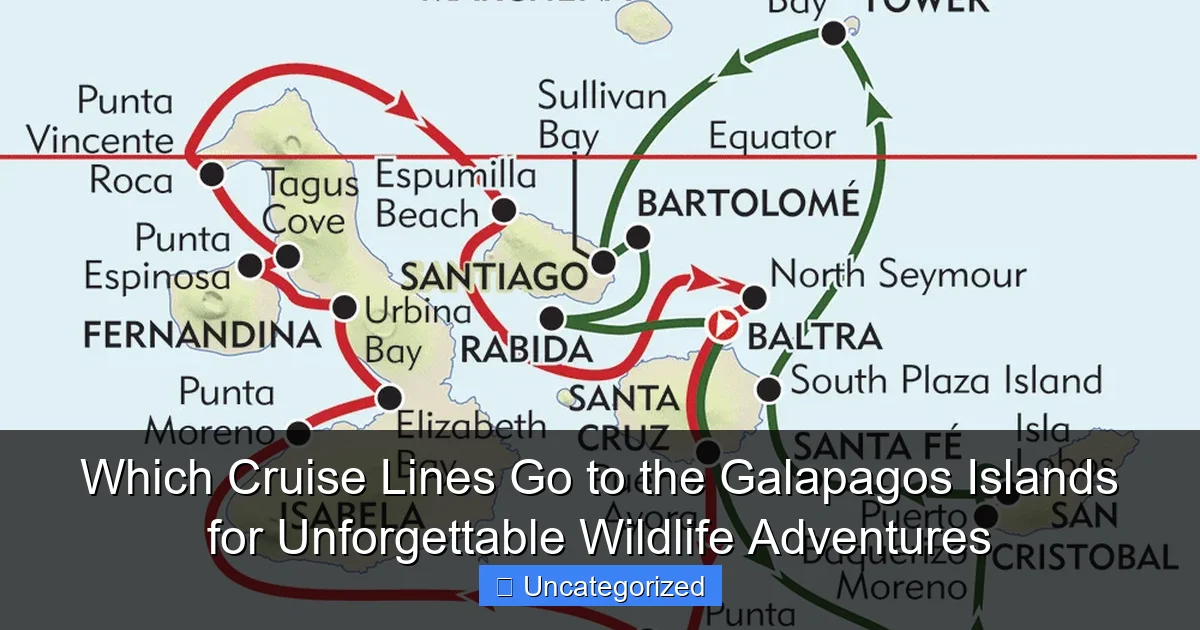
Visual guide about which cruise lines go to the galapagos islands
Image source: cruisemapper.com
Government-Controlled Zoning and Visitor Sites
The Galapagos National Park Directorate (GNPD) divides the archipelago into strict visitor zones. Each zone has designated landing sites, trails, and snorkeling spots, and only certified naturalist guides can lead excursions. This means your cruise itinerary isn’t just a suggestion—it’s a government-approved route that follows a set schedule. Most cruises operate on either a 4-day, 5-day, 7-day, or 10-day itinerary, with longer trips offering deeper exploration of both the central and outer islands.
For example, a 4-day cruise might focus on the central islands like Santa Cruz and North Seymour, while a 7-day voyage could include the remote western islands like Fernandina and Isabela, home to some of the most active volcanoes and largest colonies of marine iguanas. The GNPD rotates itineraries to prevent over-tourism, so two cruises on the same ship may visit different sites on different weeks.
Vessel Size and Passenger Limits
To minimize environmental impact, the Galapagos allows only small- to mid-sized vessels. Ships are categorized into three groups:
- Small Yachts (8–16 passengers): Offer intimate experiences, flexible pacing, and access to more remote sites.
- Mid-Sized Ships (17–100 passengers): Balance comfort and access, with more amenities like dining rooms and lounges.
- Large Vessels (101–160 passengers): Rare and highly regulated; only a few exist, and they often split into smaller groups for landings.
This regulation ensures that no more than 16 people can be on a single landing site at one time, preserving the serenity and safety of wildlife encounters. As a result, most travelers opt for small or mid-sized ships, which dominate the market among cruise lines that go to the Galapagos Islands.
Certified Naturalist Guides and Park Fees
Every Galapagos cruise includes a certified naturalist guide with at least a Level 1–3 certification from the GNPD. These guides are trained in biology, conservation, and local history, and they provide expert commentary during hikes, snorkeling sessions, and Zodiac rides. Additionally, all visitors must pay a park entrance fee (currently $100 for foreign adults, $50 for children) and a $20 transit control card. These fees fund conservation efforts and are typically included in your cruise package.
Top Cruise Lines Sailing to the Galapagos Islands
Now that you understand the framework, let’s explore the leading cruise lines offering Galapagos itineraries. These companies range from luxury yachts to eco-focused expedition ships, each catering to different travel styles and budgets.
Lindblad Expeditions (National Geographic)
Lindblad Expeditions, in partnership with National Geographic, is a pioneer in Galapagos cruising. Their fleet includes the National Geographic Endeavour II (96 passengers) and the National Geographic Islander II (48 passengers), both designed for immersive, science-based exploration. What sets Lindblad apart is their focus on citizen science: guests can participate in real-time research projects, such as tracking tortoise movements or collecting water samples.
Lindblad’s itineraries emphasize photography, snorkeling, and Zodiac safaris. Their naturalist guides often include marine biologists and conservationists. A highlight is the “Night Explorer” program, where guests use infrared technology to observe nocturnal wildlife. With a strong commitment to sustainability, Lindblad offsets 100% of its carbon emissions and supports local conservation NGOs.
Ideal for: Travelers who want an educational, hands-on experience with a luxury twist.
Quasar Expeditions
Quasar Expeditions is a family-owned company with over 30 years of experience in the Galapagos. They operate two elegant yachts: the Evolution (32 passengers) and the Grace (18 passengers), a former private yacht once owned by Grace Kelly. Both vessels offer spacious cabins, open decks, and a relaxed, intimate atmosphere.
Quasar’s itineraries are highly customizable, with options for 5-day, 8-day, and 10-day cruises. Their “Island Hopping” program allows guests to combine a cruise with land-based stays on Santa Cruz or San Cristóbal. Quasar is known for its personalized service—guests often praise the crew’s attention to detail and the quality of meals (featuring fresh, locally sourced ingredients).
Ideal for: Couples and families seeking a romantic, boutique-style cruise with a touch of vintage charm.
Metropolitan Touring
Metropolitan Touring is Ecuador’s largest Galapagos operator, managing three ships: the Santa Cruz II (90 passengers), Isabela II (40 passengers), and Yolita II (16 passengers). Their fleet caters to a wide range of travelers, from luxury seekers to budget-conscious adventurers.
The Santa Cruz II is a standout, offering a modern, upscale experience with a glass-bottom boat, kayaks, and a dedicated photo instructor. Metropolitan’s itineraries are designed to maximize wildlife encounters, with early-morning hikes and late-afternoon snorkeling sessions. They also partner with the Charles Darwin Research Station, allowing guests to visit the tortoise breeding center on Santa Cruz.
Ideal for: First-time visitors who want a well-rounded, professionally managed cruise with excellent value.
Ecoventura (Galapagos Sky & Eric)
Ecoventura is a leader in sustainable cruising. Their two vessels, the Galapagos Sky (20 passengers) and Eric (20 passengers), are carbon-neutral and use advanced water recycling systems. The company is certified by Rainforest Alliance and actively supports the Galapagos Conservancy.
Ecoventura’s itineraries focus on small-group exploration, with a maximum of 10 guests per guide. Their “Wildlife Immersion” program includes extended snorkeling with sea turtles, penguins, and reef sharks. The Galapagos Sky also features a glass-bottom kayak, a rare amenity in the Galapagos.
Ideal for: Eco-conscious travelers who prioritize sustainability without sacrificing comfort.
Silversea Expeditions (Silver Origin)
Silversea’s Silver Origin (100 passengers) is the only all-suite, all-balcony ship in the Galapagos. Designed by Ecuadorian architect Adrián Barceló, it blends luxury with local culture, using sustainable materials and featuring artwork by Galapagos artists.
The Silver Origin offers butler service, gourmet dining, and a 1:1 guest-to-crew ratio. Their itineraries include exclusive experiences, such as sunset champagne toasts on remote beaches and private dinners with local musicians. The ship also has a dedicated “Basecamp” for storing gear, making it easy to switch between hiking, snorkeling, and kayaking.
Ideal for: Luxury travelers who want five-star amenities in a remote, wild setting.
Choosing the Right Cruise: Key Factors to Consider
With so many options, selecting the perfect Galapagos cruise requires careful consideration. Here are the most important factors to guide your decision.
Itinerary Length and Route
Itinerary length determines how many islands you’ll visit and the diversity of wildlife you’ll see. A 4-day cruise covers 5–6 sites, while a 7-day trip can include 10–12. Longer itineraries often reach remote areas like Española (home to waved albatrosses) or Genovesa (a birdwatcher’s paradise).
Pro tip: Check the Galapagos National Park’s itinerary map to see which sites your cruise will visit. Some lines offer “A” and “B” itineraries that rotate weekly. For example, Lindblad’s 7-day cruise might cover the western islands one week and the eastern islands the next.
Ship Size and Passenger Experience
Smaller ships (under 20 passengers) offer more flexibility and personalized attention but may lack amenities like elevators or fitness centers. Mid-sized ships (50–100 passengers) strike a balance, with more dining options and social spaces. Larger ships (100+ passengers) are rare but can offer better value and more onboard activities.
Ask yourself: Do you prefer a quiet, intimate cruise or a livelier atmosphere with group activities? For families, mid-sized ships often have kids’ programs, while couples may prefer the romance of a small yacht.
Onboard Amenities and Dining
Galapagos cruises range from basic to ultra-luxury. Consider:
- Cabin type: Interior, exterior, or balcony? Some ships have suites with private terraces.
- Dining: Is it buffet-style or à la carte? Do they accommodate dietary restrictions?
- Activities: Do they offer kayaking, paddleboarding, or glass-bottom boats?
- Wi-Fi: Most ships offer limited connectivity, but some (like Silver Origin) have satellite internet.
For example, the National Geographic Endeavour II has a science lab and a photo studio, while the Grace features a piano bar and open-air dining.
Naturalist Guide Quality
The guide can make or break your experience. Look for cruise lines that employ Level 3 guides (the highest certification) and offer guest-to-guide ratios of 10:1 or better. Read reviews to see if guides are knowledgeable, engaging, and passionate about conservation.
Price and Value
Galapagos cruises range from $5,000 to $20,000+ per person. While luxury lines like Silversea are pricier, they include perks like airfare, premium drinks, and private excursions. Budget-friendly options (like Metropolitan’s Yolita II) still deliver exceptional wildlife encounters. Calculate the cost per day and compare inclusions—some lines charge extra for snorkeling gear or kayaks.
Unique Experiences Offered by Different Cruise Lines
Beyond the standard wildlife sightings, some cruise lines offer exclusive experiences that set them apart.
Underwater Exploration and Snorkeling
The Galapagos is a world-class snorkeling destination, with encounters with penguins, sea turtles, reef sharks, and playful sea lions. Cruise lines like Ecoventura and Lindblad provide high-quality snorkeling gear and even underwater cameras. The Galapagos Sky offers a “Snorkel Master” program for advanced swimmers, while the Endeavour II has a dedicated snorkeling tender.
For non-swimmers, glass-bottom boats (offered by Metropolitan and Silversea) allow you to view marine life from above. Some ships, like the Santa Cruz II, also have underwater viewing rooms.
Kayaking and Paddleboarding
Kayaking lets you glide silently through mangrove forests and coves, getting closer to wildlife without disturbing them. The Silver Origin has double kayaks and stand-up paddleboards, while the Isabela II offers guided kayak tours of Tortuga Bay.
Tip: Kayaking is weather-dependent, so check if your cruise includes backup activities like Zodiac rides.
Night Excursions and Stargazing
Some cruise lines offer night walks to see nocturnal species like owls and lava lizards. The Evolution hosts stargazing sessions with astronomers, using the Galapagos’ clear skies to view constellations and the Milky Way.
Land-Based Add-Ons and Island Hopping
Companies like Quasar and Metropolitan let you combine a cruise with land stays. For example, you could cruise for 5 days, then spend 3 nights at a luxury lodge on Santa Cruz, visiting the Charles Darwin Research Station and lava tunnels. This hybrid approach is ideal for travelers who want both flexibility and depth.
Conservation and Citizen Science
Lindblad and Ecoventura lead in this area. Guests can participate in tortoise monitoring, beach cleanups, and data collection for research projects. Lindblad’s “Photo Expeditions” include workshops with National Geographic photographers.
Planning Your Galapagos Cruise: Practical Tips and Data
Ready to book? Here’s how to plan a seamless Galapagos adventure.
Best Time to Visit
The Galapagos has two seasons:
- Dry Season (June–December): Cooler temps, windier, with nutrient-rich waters. Best for diving and seeing penguins, flightless cormorants, and blue-footed boobies.
- Warm Season (January–May): Warmer, calmer seas, with blooming flora. Ideal for snorkeling with sea lions and seeing marine iguanas mating.
Peak season is June–August and December–January, so book 6–12 months in advance.
Travel Logistics
Flights to the Galapagos depart from Quito or Guayaquil, Ecuador. Most cruises begin in Baltra or San Cristóbal. You’ll need:
- Valid passport
- Transit control card ($20)
- Park entrance fee ($100)
- Travel insurance (highly recommended)
Some lines include flights; others require you to book separately. Always confirm baggage allowances—cruise ships have strict limits.
Packing Essentials
Pack:
- Reef-safe sunscreen
- Water shoes
- Quick-dry clothing
- Binoculars and camera
- Motion sickness tablets (for Zodiac rides)
Avoid bringing single-use plastics—the Galapagos bans them.
Data Table: Cruise Line Comparison
| Cruise Line | Ship (Capacity) | Itinerary Length | Price Range (per person) | Unique Feature |
|---|---|---|---|---|
| Lindblad Expeditions | Endeavour II (96) | 7 days | $8,000–$12,000 | Citizen science programs |
| Quasar Expeditions | Grace (18) | 5–10 days | $6,500–$14,000 | Vintage luxury yacht |
| Metropolitan Touring | Santa Cruz II (90) | 4–8 days | $5,000–$9,000 | Glass-bottom boat |
| Ecoventura | Galapagos Sky (20) | 7 days | $7,000–$10,000 | Carbon-neutral sailing |
| Silversea | Silver Origin (100) | 7 days | $12,000–$20,000 | All-suite, all-balcony |
Final Thoughts: Crafting Your Perfect Galapagos Adventure
Choosing the right cruise line for the Galapagos Islands is about aligning your travel style with the unique opportunities this archipelago offers. Whether you’re drawn to the scientific rigor of Lindblad, the romantic elegance of Quasar, the sustainable ethos of Ecoventura, or the opulent comfort of Silversea, there’s a ship that matches your vision of an unforgettable wildlife adventure. The Galapagos isn’t just a destination—it’s a journey through evolutionary history, where every wave, every trail, and every animal encounter tells a story millions of years in the making.
As you plan your trip, remember that the best cruise line for you depends on your priorities: intimacy, luxury, education, or conservation. Don’t rush the decision—read reviews, compare itineraries, and consider booking a hybrid cruise-land experience for maximum flexibility. And when you finally step ashore, camera in hand and heart full of wonder, you’ll understand why the Galapagos remains one of Earth’s last true wild places. With the right cruise line, your adventure will be as seamless as it is extraordinary. So pack your bags, embrace the call of the wild, and prepare to explore the islands that changed the world. After all, when it comes to which cruise lines go to the Galapagos Islands, the real answer is: the one that speaks to your soul.
Frequently Asked Questions
Which cruise lines go to the Galapagos Islands for wildlife-focused itineraries?
Top cruise lines like Celebrity Cruises (via Celebrity Flora), Lindblad Expeditions-National Geographic, and Hurtigruten offer Galapagos itineraries with expert naturalists and immersive wildlife experiences. These operators prioritize eco-friendly practices and small-ship exploration to protect the fragile ecosystem.
What are the best luxury cruise lines for the Galapagos Islands?
Luxury options include Silversea Expeditions, Abercrombie & Kent, and Ecoventura’s premium-class yachts. These lines feature spacious suites, gourmet dining, and personalized service while maintaining sustainability standards required for Galapagos National Park access.
Can I find affordable cruise lines that go to the Galapagos Islands?
Yes, budget-friendly options like Quasar Expeditions and Galapagos Legend provide comfortable accommodations and guided excursions at lower price points. While more economical, they still follow strict park regulations and employ certified naturalist guides for unforgettable wildlife encounters.
Are there family-friendly cruise lines for Galapagos adventures?
Lindblad Expeditions-National Geographic and Celebrity Cruises cater to families with kid-focused activities, educational programs, and flexible cabin configurations. Their itineraries balance wildlife viewing with interactive experiences suitable for all ages.
Which cruise lines offer small-ship expeditions to the Galapagos Islands?
Small-ship specialists include Metropolitan Touring (with the Santa Cruz II), G Adventures, and International Expeditions. These vessels carry 16–100 passengers, enabling access to secluded visitor sites and minimizing environmental impact.
Do Galapagos cruise lines provide all-inclusive packages?
Most lines, including Silversea, Celebrity, and Lindblad, offer all-inclusive pricing covering meals, excursions, alcohol, and park fees. Exceptions like budget operators may charge extra for gear rentals or premium activities—always check inclusions before booking.