
Choosing the best Alaskan cruise depends on your travel style, budget, and must-see destinations. Whether you’re after luxury, family fun, or rugged adventure, Alaska offers unforgettable voyages through glaciers, wildlife, and scenic coastlines.
Key Takeaways
- Itinerary matters most: Look for routes that include Glacier Bay, Juneau, Ketchikan, and Skagway for the full Alaskan experience.
- Ship size affects experience: Smaller ships offer closer wildlife encounters and access to remote ports, while larger ships provide more amenities.
- Time of year impacts scenery and wildlife: May to September offers mild weather, longer days, and peak wildlife activity.
- Cruise line style varies widely: From luxury (Regent, Seabourn) to family-friendly (Disney, Royal Caribbean), pick a vibe that fits your group.
- Shore excursions enhance the journey: Book glacier hikes, whale watching, and dog sledding in advance for the best availability.
- Budget wisely: All-inclusive lines may cost more upfront but save on extras like drinks, Wi-Fi, and specialty dining.
- Book early for best cabins and deals: Popular routes fill fast, especially for inside cabins and balcony staterooms.
📑 Table of Contents
- Which Alaskan Cruise Is Best? A Complete Guide to Finding Your Perfect Voyage
- Understanding Alaskan Cruise Itineraries: Where Will You Go?
- Top Cruise Lines for Alaska: Matching Your Style to the Ship
- Ship Size and Onboard Experience: What Matters Most?
- Best Time to Cruise Alaska: Timing Your Trip for Maximum Impact
- Shore Excursions: Making the Most of Your Time in Port
- Budgeting for Your Alaskan Cruise: What to Expect
- Final Tips for Choosing the Best Alaskan Cruise
Which Alaskan Cruise Is Best? A Complete Guide to Finding Your Perfect Voyage
So you’ve decided to take an Alaskan cruise—congratulations! You’re about to embark on one of the most breathtaking journeys on Earth. Towering glaciers, snow-capped mountains, playful whales, and charming coastal towns await. But with so many cruise lines, ships, and itineraries to choose from, the big question remains: which Alaskan cruise is best?
The truth is, there’s no single “best” cruise for everyone. The ideal voyage depends on what you value most: luxury, adventure, family fun, wildlife, or budget-friendly travel. Some travelers dream of sipping champagne while watching a glacier calve into the sea. Others want to zip through icy waters on a zodiac, camera in hand, hoping to snap a photo of a humpback whale breaching. Whether you’re a first-time cruiser or a seasoned sailor, Alaska offers something magical for every type of explorer.
In this guide, we’ll break down the top cruise lines, compare itineraries, and help you match your travel style to the perfect Alaskan cruise. We’ll cover everything from ship size and onboard amenities to the best time to go and how to maximize your shore excursions. By the end, you’ll have the confidence to choose the cruise that’s right for you—and start packing for the adventure of a lifetime.
Understanding Alaskan Cruise Itineraries: Where Will You Go?
One of the first things to consider when choosing an Alaskan cruise is the itinerary. Not all routes are created equal, and the ports you visit can make or break your experience. Most cruises depart from either Seattle or Vancouver and sail north through the Inside Passage, stopping at a mix of iconic Alaskan towns and natural wonders.
Classic Inside Passage Route
The most popular itinerary is the 7-day Inside Passage cruise, typically sailing round-trip from Seattle or Vancouver. This route usually includes stops in Ketchikan, Juneau, Skagway, and often a glacier viewing experience in Tracy Arm or Endicott Arm. Some ships also visit Glacier Bay National Park, a UNESCO World Heritage Site known for its massive tidewater glaciers and abundant wildlife.
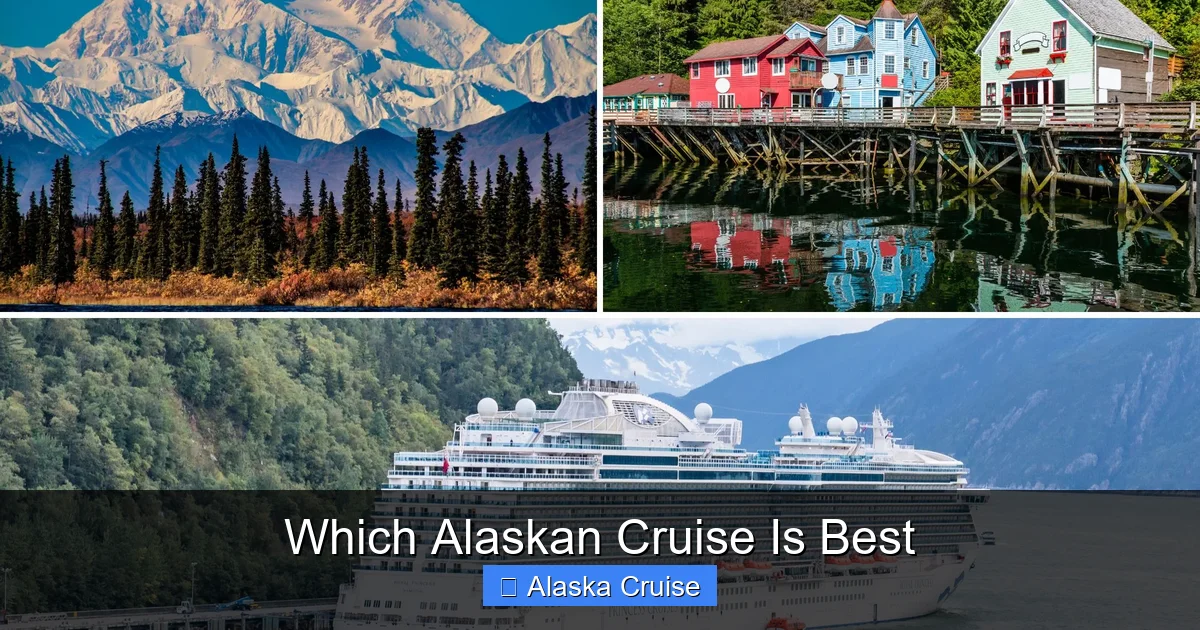
Visual guide about Which Alaskan Cruise Is Best
Image source: cruisefever.net
Ketchikan is famous for its totem poles, Native Alaskan culture, and the stunning Misty Fjords National Monument. Juneau, the state capital, offers glacier tours, whale watching, and the chance to ride the Mount Roberts Tram for panoramic views. Skagway brings the Gold Rush era to life with historic saloons, the White Pass & Yukon Route Railway, and access to the remote Chilkoot Trail.
One-Way Gulf Routes: The Ultimate Adventure
For travelers seeking a longer, more immersive experience, one-way Gulf cruises are a fantastic option. These voyages typically last 10 to 14 days and sail between Seattle/Vancouver and Seward or Whittier (near Anchorage). This route allows you to explore deeper into Alaska’s interior, with stops in ports like Kodiak, Homer, and even remote fishing villages.
One-way cruises often include more time in Glacier Bay and Hubbard Glacier, one of the largest tidewater glaciers in North America. They also offer better opportunities to see bears in Katmai National Park or take a flightseeing tour over Denali. While these cruises are more expensive and require additional travel planning (like flying into one city and out of another), they provide a fuller, more diverse Alaskan experience.
Short Cruises vs. Extended Voyages
If you’re short on time, 5- to 7-day cruises are a great way to sample Alaska. These shorter trips are ideal for first-time cruisers or families with limited vacation days. However, they often skip some of the more remote destinations and may spend less time in port.
On the other hand, 10- to 14-day extended voyages allow for a more relaxed pace, multiple glacier stops, and deeper cultural immersion. If you’re serious about wildlife photography, hiking, or learning about Alaskan history, a longer cruise is worth the extra time and cost.
Top Cruise Lines for Alaska: Matching Your Style to the Ship
With so many cruise lines sailing to Alaska, it’s important to choose one that aligns with your travel personality. Some lines focus on luxury and service, while others prioritize family fun or adventure. Let’s look at the top players in the Alaskan cruise market.
Holland America Line: The Classic Choice
Holland America has been cruising Alaska for over 70 years and is often considered the gold standard for traditional Alaskan voyages. Their mid-sized ships, like the ms Nieuw Amsterdam and ms Eurodam, offer a refined, elegant experience with a focus on enrichment and destination immersion.
What sets Holland America apart is their onboard programming. Naturalists from the National Park Service often join the cruise to give lectures on wildlife and geology. They also offer the “Explorations Central” program, which includes local music, cooking demos, and cultural performances. Their itineraries frequently include Glacier Bay, and they’re known for excellent service and a relaxed pace.
Princess Cruises: The All-Around Winner
Princess Cruises is another veteran of Alaskan cruising, with a fleet of modern ships and a strong reputation for quality. Their “North to Alaska” program brings local Alaskan culture onboard, with regional food, music, and even a lumberjack show in Skagway.
Princess offers a wide range of itineraries, including one-way Gulf cruises and shorter Inside Passage trips. Their ships, like the Grand Princess and Discovery Princess, feature spacious balconies, multiple dining options, and the popular “Movies Under the Stars” outdoor theater. They also have a strong partnership with the Glacier Bay National Park, ensuring priority access and expert guides.
Royal Caribbean: Family Fun and Adventure
If you’re traveling with kids or love a lively onboard atmosphere, Royal Caribbean is a top pick. Ships like the Ovation of the Seas and Radiance of the Seas offer rock climbing walls, surf simulators, ice skating rinks, and Broadway-style shows.
While Royal Caribbean’s ships are larger and more bustling, they still deliver a solid Alaskan experience. Their itineraries include the major ports, and they offer a wide range of shore excursions, from dog sledding on a glacier to zip-lining through the rainforest. Just keep in mind that larger ships can’t always dock in smaller ports, so tendering may be required.
Disney Cruise Line: Magic in the Wilderness
Disney Cruise Line brings its signature magic to Alaska with the Disney Wonder. This ship is perfect for families with young children, offering character meet-and-greets, themed kids’ clubs, and Disney-quality entertainment.
The Disney Wonder sails a 7-day itinerary from Vancouver, visiting Juneau, Skagway, and Ketchikan, with a stop at Tracy Arm Fjord. While the onboard experience is top-notch, the itinerary is fairly standard. However, Disney’s attention to detail, exceptional service, and family-friendly excursions make it a standout for multi-generational trips.
Luxury Lines: Regent Seven Seas, Seabourn, and Silversea
For travelers seeking a high-end, all-inclusive experience, luxury lines like Regent Seven Seas, Seabourn, and Silversea offer unparalleled service and comfort. These ships are smaller, allowing access to more remote ports and a more intimate atmosphere.
Regent Seven Seas, for example, includes airfare, unlimited shore excursions, premium drinks, and gratuities in their fare. Their ships, like the Seven Seas Explorer, feature spacious suites with balconies and gourmet dining. Seabourn and Silversea offer similar luxury, with a focus on personalized service and immersive experiences like Zodiac tours and guided hikes.
Adventure and Expedition Cruises: UnCruise and Lindblad
If you’re looking for something truly unique, consider an expedition cruise with companies like UnCruise Adventures or Lindblad Expeditions. These small ships (often under 100 passengers) focus on adventure, wildlife, and off-the-beaten-path destinations.
UnCruise offers itineraries that include kayaking among icebergs, hiking in temperate rainforests, and even visiting remote Native Alaskan villages. Lindblad partners with National Geographic to provide expert naturalists, photographers, and cutting-edge technology like underwater cameras. These cruises are perfect for active travelers who want to get up close and personal with Alaska’s wild side.
Ship Size and Onboard Experience: What Matters Most?
When deciding which Alaskan cruise is best, don’t overlook the importance of ship size. The vessel you sail on can dramatically affect your experience, from the quality of service to the types of activities available.
Small Ships: Intimacy and Access
Smaller ships (under 500 passengers) offer a more personalized experience. With fewer people onboard, you’ll enjoy shorter lines, more attentive service, and easier access to common areas. These ships can also navigate narrower waterways and dock in smaller ports that larger vessels can’t reach.
For example, a small ship might anchor in the heart of Ketchikan, allowing you to walk off and explore the town immediately. Larger ships often have to tender passengers from a distance, which can eat into your shore time. Small ships also tend to spend more time in scenic areas, like fjords and glacier bays, because they don’t need to keep to a strict schedule.
Large Ships: Amenities and Entertainment
Larger ships (1,000+ passengers) offer a resort-like experience with endless entertainment options. Think multiple pools, water slides, specialty restaurants, live shows, and even ice rinks or surf simulators. These ships are ideal for families, couples, or groups who want a mix of relaxation and activity.
However, larger ships may have less time in port due to docking limitations and passenger logistics. They also tend to have a more crowded feel, especially during peak season. If you value space and quiet, a large ship might not be the best fit.
Mid-Sized Ships: The Sweet Spot
Mid-sized ships, like those from Holland America and Princess, strike a balance between intimacy and amenities. They offer enough dining and entertainment options to keep you busy, while still providing a relaxed, uncrowded atmosphere. These ships are often the best choice for first-time cruisers or those who want a well-rounded experience without the hustle of a mega-ship.
Best Time to Cruise Alaska: Timing Your Trip for Maximum Impact
Alaska’s cruise season runs from May to September, but each month offers a different experience. Choosing the right time to go can enhance your trip significantly.
May and Early June: Fewer Crowds, Lower Prices
Traveling in May or early June means smaller crowds, lower prices, and the chance to see spring in full bloom. Wildlife is active, and the weather is mild, though it can still be chilly, especially in the mornings. Some remote excursions may not yet be available, but major attractions like Glacier Bay and whale watching are operational.
Mid-June to August: Peak Season
This is the busiest time to cruise Alaska, with warm weather, long daylight hours, and full access to all excursions. It’s the best time for families, as kids are out of school, and many tours operate at full capacity. However, expect higher prices and more crowded ports.
September: Fall Colors and Fewer Tourists
September offers a quieter, more serene experience. The fall foliage is stunning, especially in places like Skagway and Haines. Wildlife is still active, and you may have better chances of seeing bears feeding on salmon. While some tours begin to wind down, major attractions remain open, and the weather is often pleasant.
Shore Excursions: Making the Most of Your Time in Port
One of the biggest draws of an Alaskan cruise is the opportunity to explore the state’s natural wonders and cultural sites. Shore excursions can range from gentle walking tours to adrenaline-pumping adventures.
Must-Do Excursions
- Glacier Hiking: Walk on ancient ice with a guided tour in Juneau or Skagway. Companies like Alaska Shore Excursions offer safe, informative hikes on the Mendenhall or Matanuska Glacier.
- Whale Watching: Juneau and Icy Strait Point are prime spots for seeing humpback whales. Book a boat tour early, as these fill up fast.
- Dog Sledding: Experience the thrill of mushing on a glacier with a helicopter ride and dog sled tour. This is a highlight for many travelers.
- Flightseeing: Take a small-plane tour over Denali or the Juneau Icefield for breathtaking aerial views.
- Native Cultural Tours: Learn about Tlingit, Haida, and Athabascan cultures through storytelling, art, and traditional dance in Ketchikan or Sitka.
Booking Tips
Book excursions as early as possible—many popular tours sell out months in advance. Consider booking directly through the cruise line for convenience, or look for third-party operators for potentially lower prices. Always check cancellation policies, especially for weather-dependent activities like helicopter tours.
Budgeting for Your Alaskan Cruise: What to Expect
Alaska cruises can vary widely in price, from budget-friendly options under $1,000 per person to luxury voyages costing $5,000 or more. Here’s how to plan your budget.
Base Fare vs. All-Inclusive
Most cruise lines offer a base fare that includes your cabin, main dining, and basic entertainment. However, extras like drinks, Wi-Fi, specialty dining, and shore excursions can add up quickly. Luxury lines often include these in the fare, making them a better value for some travelers.
Hidden Costs to Watch For
- Gratuities: Typically $14–$18 per person per day, automatically added to your bill.
- Port Fees and Taxes: Usually $200–$300 per person, included in most quotes.
- Excursions: Can range from $50 to $500+ per person, depending on the activity.
- Alcohol and Beverages: Drink packages start around $60 per day.
- Wi-Fi: Often expensive; consider purchasing a package or using port Wi-Fi.
Saving Money
To save, consider booking an inside cabin, traveling in May or September, and bringing your own drinks (most lines allow one bottle of wine per person). Look for promotions that include free airfare or onboard credit, and compare prices across multiple booking sites.
Final Tips for Choosing the Best Alaskan Cruise
So, which Alaskan cruise is best? The answer depends on you. If you value luxury and all-inclusive convenience, go with Regent or Seabourn. For families, Disney or Royal Caribbean offer unbeatable fun. Adventure seekers should consider UnCruise or Lindblad, while traditionalists will love Holland America or Princess.
No matter which cruise you choose, remember to pack layers, bring binoculars, and keep your camera ready. Alaska is a land of surprises—you never know when a bear will appear on the shore or a glacier will calve with a thunderous crash.
Start planning early, read reviews, and talk to a travel agent if you’re unsure. With the right cruise, Alaska will leave you with memories that last a lifetime.
Frequently Asked Questions
What is the best time of year to take an Alaskan cruise?
The best time is typically mid-June to August, when weather is warm, daylight is long, and all excursions are available. However, May and September offer fewer crowds and lower prices.
Do I need a passport for an Alaskan cruise?
If your cruise departs and returns to the same U.S. port (like Seattle), a passport is not required, but it’s highly recommended. For cruises departing from Vancouver, a passport is necessary.
Can I see the Northern Lights on an Alaskan cruise?
It’s rare. The Northern Lights are best seen in winter, but Alaska cruises run in summer when nights are short. You’re unlikely to see them on a standard cruise.
Are Alaskan cruels suitable for kids?
Yes! Lines like Disney, Royal Caribbean, and Carnival offer family-friendly activities, kids’ clubs, and shore excursions designed for all ages.
How much should I budget for shore excursions?
Plan to spend $100–$300 per person for a mix of activities. Popular tours like dog sledding or flightseeing can cost $200–$500.
What should I pack for an Alaskan cruise?
Pack layers, including a waterproof jacket, warm fleece, gloves, and sturdy walking shoes. Don’t forget binoculars, sunscreen, and a reusable water bottle.