Choosing the best Alaska cruise route depends on your interests, budget, and travel style. Whether you crave glacier views, wildlife encounters, or cultural experiences, Alaska offers unforgettable journeys through pristine wilderness and charming coastal towns.
Planning an Alaska cruise feels like preparing for a once-in-a-lifetime adventure—and it really can be. The Last Frontier offers towering glaciers, rugged coastlines, abundant wildlife, and charming seaside towns that seem frozen in time. But with so many cruise routes to choose from, how do you pick the best one? The truth is, there’s no single “best” Alaska cruise route—only the best one *for you*. Your ideal journey depends on what you want to see, how much time you have, your budget, and even the time of year you travel.
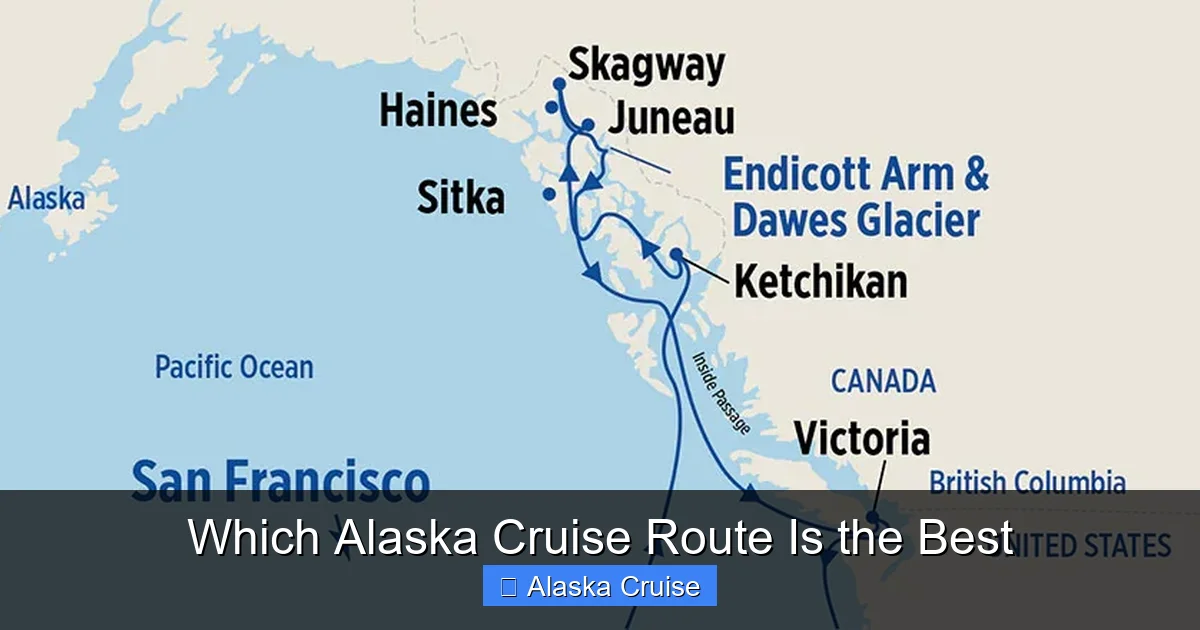
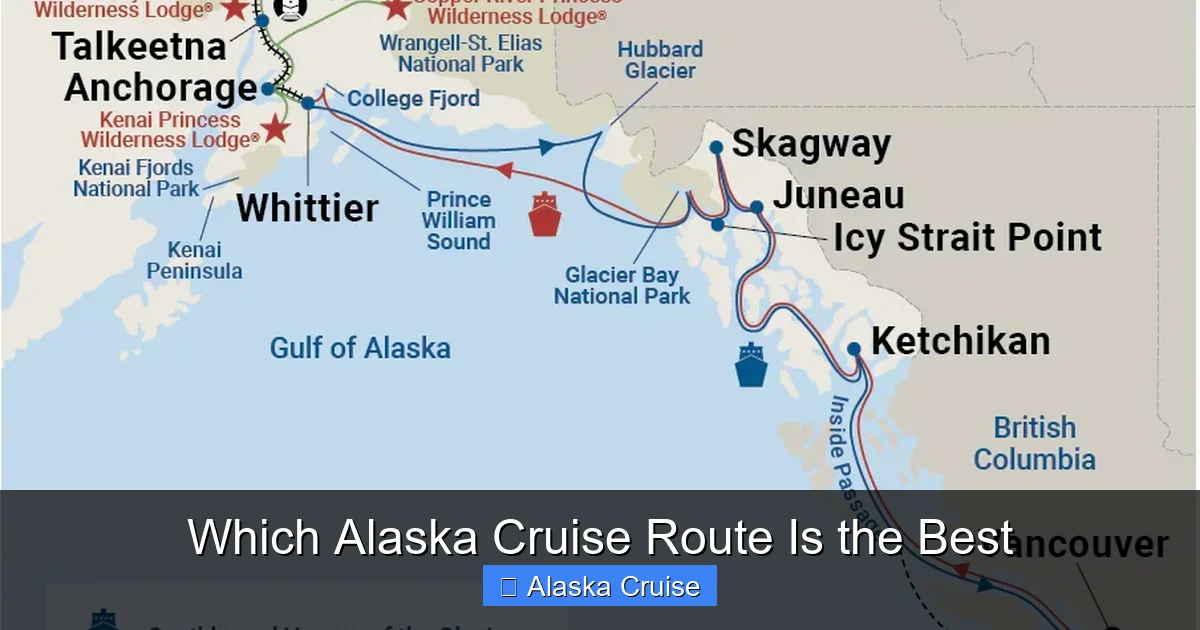
Alaska cruises generally fall into two main categories: the Inside Passage and the Gulf Coast (also called the Gulf of Alaska or one-way itineraries). The Inside Passage is the most popular, especially for first-time cruisers, because it’s shorter, roundtrip, and packed with scenic beauty. These cruises typically depart from Seattle or Vancouver and visit iconic ports like Juneau, Skagway, and Ketchikan. On the other hand, Gulf Coast cruises are longer, one-way journeys that sail between Seattle or Vancouver and Seward or Whittier (near Anchorage). These routes venture farther north, often including Glacier Bay National Park, Hubbard Glacier, and more remote wilderness areas.
In this guide, we’ll break down the top Alaska cruise routes, compare their highlights, and help you decide which one aligns with your travel dreams. Whether you’re chasing glaciers, hoping to see whales, or eager to explore Gold Rush history, there’s a perfect Alaska cruise waiting for you.
Key Takeaways
- Inside Passage cruises are ideal for first-timers: These shorter, roundtrip routes from Seattle or Vancouver offer stunning scenery, wildlife, and accessible ports like Juneau and Ketchikan.
- Gulf Coast itineraries provide deeper exploration: One-way cruises between Seattle/Vancouver and Seward/Whittier include Glacier Bay and more time in nature, perfect for adventure seekers.
- Glacier Bay National Park is a must-see: Cruises that include Glacier Bay offer close-up views of massive glaciers and diverse wildlife, but require longer itineraries.
- Wildlife varies by route and season: Spot humpback whales, bears, and eagles more reliably on Gulf Coast and Inside Passage routes during peak summer months.
- Port experiences differ significantly: Smaller towns like Skagway offer gold rush history, while larger hubs like Juneau provide more dining and shopping options.
- One-way cruises offer more flexibility: Fly in or out of Anchorage to avoid backtracking and maximize time in Alaska’s interior.
- Consider cruise line and ship size: Smaller ships access remote areas, while larger vessels offer more amenities and entertainment.
📑 Table of Contents
- Understanding Alaska Cruise Routes
- Inside Passage Cruises: The Classic Alaska Experience
- Gulf Coast Cruises: The Ultimate Alaskan Adventure
- Comparing Itineraries: What to Expect on Each Route
- Wildlife and Scenic Highlights by Route
- Choosing the Right Cruise Line and Ship
- Final Tips for Choosing Your Alaska Cruise
Understanding Alaska Cruise Routes
Before diving into specific routes, it’s helpful to understand the basic structure of Alaska cruises. Most voyages last between 7 and 14 days, with 7-day trips being the most common. The two primary route types—Inside Passage and Gulf Coast—offer very different experiences, even though they both showcase Alaska’s natural beauty.
The Inside Passage is a narrow, protected waterway that hugs the coast of British Columbia and southeastern Alaska. It’s famous for its lush rainforests, cascading waterfalls, and abundant marine life. Cruises here are typically roundtrip, meaning you sail out and back on the same ship, usually departing from Seattle or Vancouver. This makes them convenient for travelers who don’t want to deal with one-way flights or complex logistics.
Gulf Coast cruises, by contrast, are one-way journeys that cross the Gulf of Alaska. These itineraries often begin in Seattle or Vancouver and end in Seward or Whittier (both near Anchorage), or vice versa. Because they don’t return to the starting point, you’ll need to fly home from a different city—usually Anchorage. While this adds a bit of planning, it also allows you to see more of Alaska, including remote glaciers and national parks that aren’t accessible on shorter routes.
One key difference between the two is the inclusion of Glacier Bay National Park. Most Gulf Coast cruises spend a full day navigating this UNESCO World Heritage Site, where you can witness calving glaciers, spot brown bears, and hear the thunderous crack of ice breaking into the sea. Inside Passage cruises rarely enter Glacier Bay due to time and distance constraints, though some extended 9- or 10-day versions may include it.
Another factor to consider is the time of year. Alaska’s cruise season runs from May to September, with peak wildlife viewing in July and August. Early-season cruises (May and June) offer longer daylight hours and fewer crowds, while late-season trips (August and September) may have better chances of seeing bears fishing for salmon. Each route has its own seasonal advantages, so timing matters just as much as the itinerary.
Inside Passage Cruises: The Classic Alaska Experience
Visual guide about Which Alaska Cruise Route Is the Best
Image source: princess.com
If you’re new to Alaska cruising, the Inside Passage is often the best place to start. These routes are shorter, more affordable, and packed with iconic sights that define the Alaskan experience. Most Inside Passage cruises last 7 days and sail roundtrip from Seattle or Vancouver, making them ideal for families, couples, and first-time cruisers.
One of the biggest draws of the Inside Passage is its accessibility. You can board your ship in a major city, enjoy a week of stunning scenery, and return home without worrying about one-way flights or extra travel days. Popular ports include Juneau, the state capital, which is only reachable by boat or plane; Skagway, a historic Gold Rush town with wooden boardwalks and steam train rides; and Ketchikan, known for its Native American totem poles and vibrant arts scene.
Scenery along the Inside Passage is nothing short of breathtaking. As your ship glides through narrow channels, you’ll pass towering evergreen forests, snow-capped mountains, and cascading waterfalls. Wildlife is abundant—keep your camera ready for humpback whales breaching, sea lions basking on rocks, and bald eagles soaring overhead. Many cruises also include a stop at Tracy Arm or Endicott Fjord, where you can witness active glaciers calving into the water.
One of the best things about Inside Passage cruises is the variety of onboard and shore experiences. Larger ships offer Broadway-style shows, multiple dining options, and kids’ clubs, making them great for families. Smaller ships provide a more intimate atmosphere and often have naturalists on board to explain the ecosystem. Onshore, you can take a whale-watching tour in Juneau, ride the White Pass & Yukon Route Railway in Skagway, or visit a Native cultural center in Ketchikan.
That said, Inside Passage cruises do have limitations. Because they’re roundtrip and shorter, they don’t venture as far north as Gulf Coast routes. You’ll miss out on Glacier Bay and the massive tidewater glaciers like Hubbard Glacier. Additionally, some travelers find the ports a bit touristy, especially in peak season when multiple ships dock on the same day. Still, for a well-rounded introduction to Alaska, the Inside Passage is hard to beat.
Gulf Coast Cruises: The Ultimate Alaskan Adventure
For travelers seeking a deeper, more immersive Alaskan experience, Gulf Coast cruises are the way to go. These one-way itineraries typically last 7 to 14 days and sail between Seattle or Vancouver and Seward or Whittier, near Anchorage. Because they don’t return to the starting point, you’ll need to fly home from a different city—usually Anchorage—but the trade-off is worth it for the incredible scenery and wildlife.
The biggest advantage of Gulf Coast cruises is access to remote wilderness areas that aren’t reachable on shorter routes. Most itineraries include a full day in Glacier Bay National Park, where your ship will slow to a crawl as you pass towering cliffs, icebergs, and calving glaciers. The silence is profound—broken only by the crack of ice and the call of seabirds. Naturalists often come on board to explain the park’s geology and ecology, adding educational value to the experience.
Another highlight is Hubbard Glacier, one of the most active tidewater glaciers in North America. At over 7 miles wide and 300 feet tall, it’s a sight to behold. Some cruises even offer the chance to see the glacier calving—when massive chunks of ice break off and crash into the water, creating a thunderous splash. These moments are unpredictable but unforgettable.
Ports on Gulf Coast cruises often include Seward, a gateway to Kenai Fjords National Park, where you can take a boat tour to see glaciers and marine wildlife up close. Whittier, though smaller, offers easy access to Prince William Sound and the stunning Columbia Glacier. Some itineraries also stop in Icy Strait Point, a private Native-owned resort near Hoonah that offers zip-lining, bear viewing, and cultural performances.
One-way cruises also allow more time for exploration. Because you’re not backtracking, you can spend extra days in ports or add land tours to Denali National Park or Fairbanks. Many travelers combine their cruise with a 2- to 4-day land tour, creating a seamless Alaska vacation that covers both sea and land.
The main drawback of Gulf Coast cruises is the added logistics. You’ll need to book a one-way flight home from Anchorage, which can be more expensive and less convenient than a roundtrip flight to Seattle. Additionally, these cruises tend to be more expensive due to their length and the inclusion of premium destinations like Glacier Bay. Still, for those who want the full Alaskan adventure, the Gulf Coast route delivers in spades.
Comparing Itineraries: What to Expect on Each Route
When deciding between an Inside Passage and Gulf Coast cruise, it’s helpful to compare sample itineraries to see what each offers. While exact schedules vary by cruise line and season, here’s a general overview of what you can expect.
A typical 7-day Inside Passage cruise from Seattle might look like this: Day 1 – Depart Seattle; Day 2 – At sea; Day 3 – Ketchikan; Day 4 – Tracy Arm Fjord (scenic cruising); Day 5 – Juneau; Day 6 – Skagway; Day 7 – At sea; Day 8 – Return to Seattle. This route focuses on port experiences and scenic cruising through narrow fjords. You’ll have time to explore towns, take excursions, and enjoy onboard activities.
In contrast, a 7-day Gulf Coast cruise from Vancouver to Seward might include: Day 1 – Depart Vancouver; Day 2 – At sea; Day 3 – Ketchikan; Day 4 – Icy Strait Point; Day 5 – Glacier Bay National Park; Day 6 – Hubbard Glacier (scenic cruising); Day 7 – Seward. This itinerary emphasizes natural wonders over port time, with two full days of glacier viewing and less time in towns.
One key difference is the amount of time spent at sea. Gulf Coast cruises often have longer stretches at sea, especially when crossing the Gulf of Alaska. While this can mean more downtime, it also offers incredible views of open water, wildlife, and changing landscapes. Inside Passage cruises, by contrast, are constantly surrounded by land, with narrow channels and frequent port stops.
Another consideration is the pace. Inside Passage cruises tend to be more relaxed, with shorter days at sea and more time for shopping, dining, and shore excursions. Gulf Coast cruises can feel more adventurous, with early mornings for glacier viewing and longer days on deck. If you prefer a slower pace, the Inside Passage might be better. If you’re up for an active, nature-focused journey, the Gulf Coast is ideal.
It’s also worth noting that some cruise lines offer hybrid itineraries that combine elements of both routes. For example, a 9-day cruise might start in Seattle, sail the Inside Passage, then cross the Gulf to Seward. These extended trips offer the best of both worlds but come at a higher price and require more vacation time.
Wildlife and Scenic Highlights by Route
One of the biggest reasons people cruise Alaska is for the wildlife and scenery. Both routes deliver, but in different ways. Understanding what you’re likely to see can help you choose the best Alaska cruise route for your interests.
On Inside Passage cruises, wildlife viewing is often concentrated around ports and narrow fjords. Humpback whales are common, especially in Juneau and near Icy Strait Point. Orcas, sea otters, and Dall’s porpoises are also frequently spotted. Birdwatchers will love the chance to see bald eagles, puffins, and cormorants. On land, black bears can sometimes be seen foraging along the shore, particularly in Ketchikan and near Tracy Arm.
Scenery in the Inside Passage is lush and green, with dense temperate rainforests, waterfalls, and snow-capped peaks. The water is often calm, making it ideal for photography and wildlife spotting. Fjords like Tracy Arm and Endicott offer close-up views of glaciers, though they’re not as massive as those on the Gulf Coast.
Gulf Coast cruises, on the other hand, offer more dramatic and remote landscapes. Glacier Bay is a UNESCO World Heritage Site and one of the most biodiverse places in Alaska. Here, you might see brown bears, moose, mountain goats, and even wolves. The park is also home to marine mammals like harbor seals and sea lions, often seen lounging on icebergs.
Hubbard Glacier is another highlight, with its sheer ice walls and frequent calving events. The sound of ice crashing into the water is unforgettable. In Prince William Sound, near Whittier, you can see tidewater glaciers, fjords, and abundant marine life, including sea otters and whales.
Season also plays a role in wildlife viewing. July and August are peak months for whale watching and bear viewing, as salmon runs attract both predators and prey. Early-season cruises (May and June) offer longer daylight hours and fewer crowds, while late-season trips (August and September) may have better chances of seeing bears fishing in rivers.
No matter which route you choose, bring binoculars, a good camera, and layers of clothing. Wildlife sightings are never guaranteed, but the chances are high—and the memories last a lifetime.
Choosing the Right Cruise Line and Ship
Once you’ve decided on a route, the next step is choosing a cruise line and ship. Alaska cruises are offered by all the major lines, including Holland America, Princess, Norwegian, Celebrity, and Royal Caribbean, each with its own style and amenities.
Larger ships, like those from Norwegian and Royal Caribbean, offer more entertainment options, multiple dining venues, and family-friendly activities. They’re great for travelers who want a resort-like experience at sea. However, they may not be able to access the most remote areas due to their size.
Smaller ships, such as those from UnCruise Adventures or Lindblad Expeditions, provide a more intimate experience with expert naturalists, flexible itineraries, and access to hidden coves and wildlife hotspots. These are ideal for nature lovers and photographers who want a deeper connection with the environment.
Holland America and Princess are often considered the gold standard for Alaska cruising. Both offer a balance of comfort, service, and scenic itineraries. Princess, in particular, has a strong partnership with the National Park Service and offers enhanced Glacier Bay experiences.
When choosing a ship, consider cabin location, onboard activities, and shore excursion options. Oceanview and balcony cabins offer the best views, especially during scenic cruising days. Look for ships with outdoor decks, observation lounges, and naturalist programs.
Also, check the ship’s itinerary details. Some lines offer more time in ports, while others prioritize scenic cruising. Read reviews and compare schedules to find the best fit for your travel style.
Final Tips for Choosing Your Alaska Cruise
Choosing the best Alaska cruise route comes down to matching your interests with the right itinerary. If you’re short on time or traveling with kids, an Inside Passage cruise from Seattle or Vancouver is a great choice. If you’re seeking adventure and don’t mind extra planning, a Gulf Coast cruise with Glacier Bay is unbeatable.
Book early for the best cabin selection and prices, especially for peak season. Consider adding a land tour to Denali or Anchorage for a complete Alaska experience. Pack layers, rain gear, and binoculars—Alaska’s weather can change quickly, and you’ll want to be ready for anything.
No matter which route you choose, an Alaska cruise is a journey you’ll never forget. The glaciers, wildlife, and landscapes are unlike anywhere else on Earth. Take your time, do your research, and pick the route that speaks to your sense of adventure.
Frequently Asked Questions
What is the best time of year to take an Alaska cruise?
The best time for an Alaska cruise is typically July and August, when weather is mildest and wildlife is most active. June offers longer daylight hours and fewer crowds, while September provides better chances of seeing bears during salmon runs.
Do I need to fly into a different city for a one-way cruise?
Yes, one-way Gulf Coast cruises end in Seward or Whittier near Anchorage, so you’ll need to fly home from Anchorage. Roundtrip Inside Passage cruises return to Seattle or Vancouver, making travel easier.
Can I see glaciers on an Inside Passage cruise?
Yes, but only smaller fjord glaciers like those in Tracy Arm or Endicott Fjord. For massive tidewater glaciers like Hubbard or Glacier Bay, you’ll need a Gulf Coast itinerary.
Are Alaska cruises suitable for families?
Absolutely. Many cruise lines offer kids’ clubs, family-friendly activities, and educational programs. Inside Passage cruises are especially popular with families due to their shorter length and port variety.
What should I pack for an Alaska cruise?
Pack layers, including a waterproof jacket, warm fleece, gloves, and sturdy shoes. Don’t forget binoculars, sunscreen, and a camera. Even in summer, temperatures can be cool, especially at sea.
How far in advance should I book my Alaska cruise?
Book at least 6 to 12 months in advance, especially for peak season (July–August). Early booking ensures better cabin selection, lower prices, and availability for popular shore excursions.