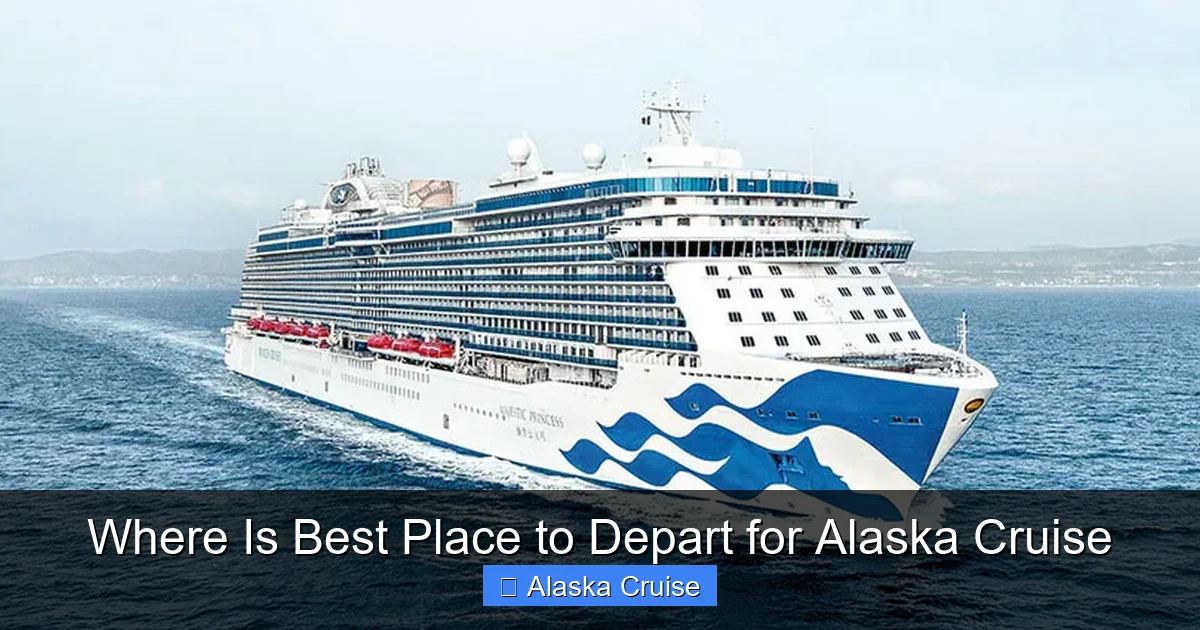
Choosing the best place to depart for an Alaska cruise depends on your travel style, budget, and itinerary preferences. Major departure ports like Seattle, Vancouver, and Seward offer unique advantages, from shorter flights to stunning scenery and flexible cruise options.
Key Takeaways
- Seattle, Washington: Ideal for U.S. travelers with direct flights, year-round departures, and round-trip itineraries that simplify logistics.
- Vancouver, Canada: Offers international flair, scenic coastal routes, and access to both one-way and round-trip cruises with major lines like Princess and Holland America.
- Seward and Whittier, Alaska: Best for one-way cruises ending in Vancouver or Seattle, offering dramatic glacier views right from departure and access to Kenai Fjords National Park.
- San Francisco and Los Angeles: Great for extended pre-cruise vacations and unique 10–14-day itineraries, though less common and more expensive.
- Flight and Travel Time: Consider proximity to home, flight availability, and total travel time when choosing a departure port to maximize your vacation experience.
- Cost Considerations: Round-trip cruises from Seattle or Vancouver often save on airfare and eliminate backtracking, while one-way options may require repositioning flights.
- Seasonal Availability: Most Alaska cruises run from May to September, with peak season in July and August offering the best weather and wildlife viewing.
[FEATURED_IMAGE_PLACEHOLDER]
Where Is Best Place to Depart for Alaska Cruise?
Planning an Alaska cruise is one of the most exciting travel decisions you can make. The rugged coastline, towering glaciers, abundant wildlife, and breathtaking national parks make Alaska a bucket-list destination. But before you can marvel at a humpback whale breaching near Glacier Bay or explore the charming town of Ketchikan, you’ll need to answer a crucial question: where is the best place to depart for an Alaska cruise?
The answer isn’t one-size-fits-all. It depends on your starting location, budget, travel preferences, and how much time you have. Some ports offer convenience and cost savings, while others provide scenic advantages or unique itineraries. In this guide, we’ll walk you through the top departure ports for Alaska cruises, comparing their pros and cons, travel logistics, and what makes each one special.
Whether you’re flying in from the East Coast, driving from the Midwest, or already living on the West Coast, choosing the right departure point can make or break your Alaska cruise experience. We’ll help you weigh your options so you can set sail with confidence—and maybe even save a few dollars along the way.
Top Departure Ports for Alaska Cruises
When it comes to Alaska cruises, not all departure ports are created equal. While several cities serve as gateways to the Last Frontier, a handful stand out as the most popular and practical choices. These ports are serviced by major cruise lines like Carnival, Royal Caribbean, Norwegian Cruise Line, Princess Cruises, and Holland America, offering a range of itineraries, cabin types, and onboard experiences.
The most common departure points fall into two categories: round-trip ports and one-way (or “open-jaw”) ports. Round-trip cruises begin and end at the same city, which simplifies travel logistics and often reduces airfare costs. One-way cruises, on the other hand, start in one city and end in another, allowing you to experience different regions and avoid backtracking—though they may require more complex travel planning.
Let’s dive into the top departure ports and what makes each one a contender for the title of “best place to depart for Alaska cruise.”
Seattle, Washington: The All-American Gateway
Seattle is arguably the most convenient departure point for U.S. travelers heading to Alaska. Located on Puget Sound, this vibrant Pacific Northwest city is home to a major international airport (SEA) with direct flights from most major U.S. cities. It’s also a hub for several cruise lines, including Norwegian Cruise Line and Royal Caribbean, which offer frequent round-trip Alaska sailings from May through September.
One of Seattle’s biggest advantages is its round-trip itineraries. These cruises typically last 7 to 10 days and visit popular ports like Juneau, Skagway, Ketchikan, and Victoria, B.C. Because you start and end in the same city, you avoid the hassle and cost of repositioning flights. This makes Seattle a top choice for families, first-time cruisers, and travelers who want a seamless vacation experience.
Another perk? Seattle itself is a fantastic city to explore. Arrive a day or two early to visit the Space Needle, Pike Place Market, or the Museum of Pop Culture. Many cruise lines even offer pre-cruise hotel packages, making it easy to extend your trip.
But Seattle isn’t perfect. Summer is peak tourist season, so flights and hotels can be pricey. And while the port is modern and efficient, it’s also busy—expect crowds during boarding and disembarkation.
Still, for most travelers, Seattle’s combination of accessibility, cruise options, and round-trip convenience makes it a strong contender for the best place to depart for Alaska cruise.
Vancouver, British Columbia: The International Favorite
Just a short drive north of Seattle, Vancouver offers a distinctly different Alaska cruise experience. As Canada’s largest west coast city, Vancouver blends urban sophistication with natural beauty. It’s a major departure port for cruise lines like Princess Cruises, Holland America, and Celebrity Cruises, with both round-trip and one-way itineraries available.
One of Vancouver’s standout features is its scenic approach to Alaska. Ships departing from Vancouver sail through the Inside Passage, passing lush rainforests, snow-capped mountains, and charming coastal towns before reaching Alaskan ports. This journey is often described as one of the most beautiful cruise routes in the world—and it starts the moment you leave port.
Vancouver is also a great option for international travelers. With a major airport (YVR) and excellent public transit, it’s easy to reach from Europe, Asia, or other parts of North America. Plus, Canadian departure taxes are often lower than U.S. port fees, which can translate to savings on your cruise fare.
Another advantage? Vancouver’s cruise terminal is located right in the heart of downtown, within walking distance of hotels, restaurants, and attractions like Stanley Park and Granville Island. Many travelers choose to spend a few days exploring the city before or after their cruise.
However, Vancouver isn’t ideal for everyone. If you’re flying in from the U.S., you’ll need to cross the border, which can add time and complexity. And while one-way cruises from Vancouver to Seattle (or vice versa) are popular, they require careful planning to coordinate flights and luggage transfers.
Still, for travelers seeking a mix of urban charm, natural beauty, and cruise flexibility, Vancouver is a top pick for the best place to depart for Alaska cruise.
Seward and Whittier, Alaska: The True Alaskan Start
If you want to dive straight into the Alaskan wilderness, consider departing from Seward or Whittier—two small ports located on the Kenai Peninsula, about 120 miles south of Anchorage. These ports are primarily used for one-way cruises that end in Vancouver or Seattle, making them ideal for travelers who want to experience Alaska from the inside out.
Seward, in particular, is a gateway to Kenai Fjords National Park, where glaciers calve into the sea and marine life thrives. Many cruises departing from Seward include glacier viewing in College Fjord or Hubbard Glacier, offering some of the most dramatic scenery in the region. It’s also a great starting point for land tours, including train rides on the Alaska Railroad or wildlife excursions in Resurrection Bay.
Whittier, meanwhile, is known for its unique access via the Anton Anderson Memorial Tunnel—the longest highway-railroad tunnel in North America. While smaller and less touristy than Seward, Whittier offers a more rugged, authentic Alaskan experience.
The main drawback? Getting to Seward or Whittier requires flying into Anchorage and then taking a train, bus, or rental car to the port. This adds time and cost to your trip, especially if you’re coming from outside the region. And because these are one-way departure points, you’ll need to book a return flight from your cruise’s endpoint, which can complicate travel plans.
Still, for travelers who want to maximize their time in Alaska and experience the state’s raw beauty from day one, Seward and Whittier offer an unforgettable start to your cruise.
Comparing Departure Ports: Pros and Cons
Now that we’ve explored the top departure ports, let’s compare them side by side to help you decide which is truly the best place to depart for Alaska cruise based on your needs.
Convenience and Accessibility
Seattle and Vancouver are the clear winners when it comes to ease of access. Both cities have major international airports with frequent flights from across the U.S. and Canada. Seattle, in particular, is a hub for Alaska Airlines, making it easy to find direct flights from cities like Chicago, Denver, and Dallas.
Vancouver, while slightly farther north, is still highly accessible—especially for travelers coming from the East Coast or internationally. The city’s SkyTrain system connects the airport to downtown in under 30 minutes, and the cruise terminal is centrally located.
Seward and Whittier, by contrast, require a flight into Anchorage followed by ground transportation. While the Alaska Railroad offers scenic train rides to both ports, the journey can take 2–3 hours and may not be ideal for travelers with limited time or mobility.
Cost Considerations
Round-trip cruises from Seattle or Vancouver often offer the best value. Because you return to your starting point, you avoid the cost of repositioning flights, which can run $300–$600 per person on one-way itineraries. Additionally, round-trip cruises may include perks like free hotel nights or onboard credits.
One-way cruises departing from Seward or Whittier can be more expensive overall, especially when you factor in airfare to Anchorage and ground transfers. However, they allow you to see more of Alaska in a single trip, which some travelers find worth the extra cost.
Itinerary and Scenic Value
If you’re looking for the most scenic cruise experience, departing from Vancouver or Seward may be your best bet. Vancouver’s Inside Passage route offers stunning coastal views from the very beginning, while Seward provides immediate access to glaciers and wildlife.
Seattle-based cruises also offer beautiful scenery, but the journey to Alaska takes a bit longer. Still, many Seattle itineraries include a stop in Victoria, B.C., adding a touch of British charm to your trip.
Travel Flexibility
One-way cruises offer more flexibility in terms of itinerary length and route. For example, you could fly into Anchorage, take a land tour, then board a cruise in Seward that ends in Vancouver. This allows you to combine a land-and-sea adventure in one trip.
Round-trip cruises, while less flexible, are easier to plan and often more budget-friendly. They’re ideal for travelers who prefer a straightforward vacation with minimal logistics.
Tips for Choosing the Right Departure Port
Choosing the best place to depart for Alaska cruise isn’t just about picking a city—it’s about aligning your departure point with your travel goals. Here are some practical tips to help you make the right decision.
Consider Your Home Location
Start by looking at flight options from your nearest major airport. If you live on the West Coast, Seattle or Vancouver may be the most convenient. East Coasters might find Vancouver or even San Francisco more accessible, depending on flight availability.
Use flight comparison tools like Google Flights or Skyscanner to compare airfare to different ports. Sometimes, flying into one city and out of another (for one-way cruises) can actually save money—especially if you book open-jaw tickets.
Factor in Total Travel Time
Don’t just look at the cruise duration—consider the entire trip, including flights, transfers, and pre- or post-cruise stays. A 7-day cruise from Seattle might take 10 days total when you include travel, while a one-way cruise from Seward could stretch to 12 days or more.
If you’re short on vacation days, a round-trip cruise from a nearby city may be the most efficient option.
Check Cruise Line Itineraries
Different cruise lines offer different routes and ports of call. For example, Princess Cruises is known for its “Connoisseur” itineraries that include Glacier Bay National Park, while Norwegian Cruise Line often features longer 10–14 day voyages.
Visit cruise line websites or work with a travel agent to compare itineraries based on your departure port. Some ports offer more variety in terms of duration, pricing, and onboard experiences.
Book Early for Better Deals
Alaska cruises are popular, and the best cabins and departure dates sell out quickly—especially during peak season (July and August). Booking 6–12 months in advance can help you secure lower fares, better cabin locations, and preferred departure ports.
Many cruise lines also offer early-bird discounts, onboard credits, or free upgrades for advance bookings.
Plan for Pre- and Post-Cruise Stays
Consider arriving a day or two early to explore your departure city. Seattle and Vancouver both offer world-class dining, shopping, and attractions. In Alaska, Anchorage is a great base for exploring before heading to Seward or Whittier.
Some cruise lines offer bundled packages that include hotel nights, transfers, and even city tours. These can simplify planning and often save money compared to booking separately.
Seasonal Considerations for Alaska Cruises
Timing is everything when it comes to Alaska cruises. The cruising season runs from May to September, with each month offering a unique experience.
May and June: Early Season Advantages
Early-season cruises (May and June) offer lower prices, fewer crowds, and the chance to see spring blooms and newborn wildlife. However, weather can be unpredictable, and some ports may have limited services.
July and August: Peak Season
These are the most popular months for Alaska cruises, with warm weather, long daylight hours, and peak wildlife activity. Expect higher prices and larger crowds, but also the best overall conditions for sightseeing and excursions.
September: Shoulder Season Benefits
Late-season cruises (September) offer cooler temperatures, fall colors, and lower prices. Wildlife is still active, and you’ll avoid the summer rush. However, some attractions may begin to close, and weather can be more variable.
Conclusion
So, where is the best place to depart for Alaska cruise? The answer depends on your priorities. For most travelers, Seattle offers the perfect blend of convenience, affordability, and cruise options. Vancouver appeals to those seeking international flair and scenic beauty, while Seward and Whittier provide an authentic Alaskan adventure from the very start.
Ultimately, the best departure port is the one that fits your travel style, budget, and itinerary goals. By considering factors like flight access, total travel time, and seasonal conditions, you can choose a departure point that enhances your Alaska cruise experience.
No matter where you set sail, one thing is certain: an Alaska cruise is a journey you’ll never forget. From towering glaciers to playful sea otters, the Last Frontier awaits. Choose your departure port wisely, and get ready for the adventure of a lifetime.
FAQs
Which is better for an Alaska cruise: Seattle or Vancouver?
Seattle is often more convenient for U.S. travelers with direct flights and round-trip itineraries, while Vancouver offers scenic coastal routes and international appeal. Choose based on your location and travel preferences.
Can I depart from Alaska for a cruise?
Yes, Seward and Whittier are popular departure points for one-way cruises ending in Vancouver or Seattle. These ports offer immediate access to glaciers and wildlife but require flying into Anchorage first.
Are round-trip cruises cheaper than one-way?
Generally, yes. Round-trip cruises eliminate the need for repositioning flights, which can save hundreds of dollars. One-way cruises offer more flexibility but often cost more overall.
What’s the best time to book an Alaska cruise?
Book 6–12 months in advance for the best prices, cabin selection, and departure dates. Early bookings often include perks like onboard credits or free upgrades.
Do I need a passport for an Alaska cruise?
If your cruise visits Canadian ports like Victoria, you’ll need a passport. Even for closed-loop cruises (departing and returning to the same U.S. port), a passport is recommended for emergencies.
How long are most Alaska cruises?
Most Alaska cruises last 7 days, but 5-day, 10-day, and 14-day options are also available. Longer itineraries often include more ports and extended glacier viewing.
This is a comprehensive guide about where is best place to depart for alaska cruise.
Key Takeaways
- Understanding where is best place to depart for alaska cruise: Provides essential knowledge
Frequently Asked Questions
What is where is best place to depart for alaska cruise?
where is best place to depart for alaska cruise is an important topic with many practical applications.