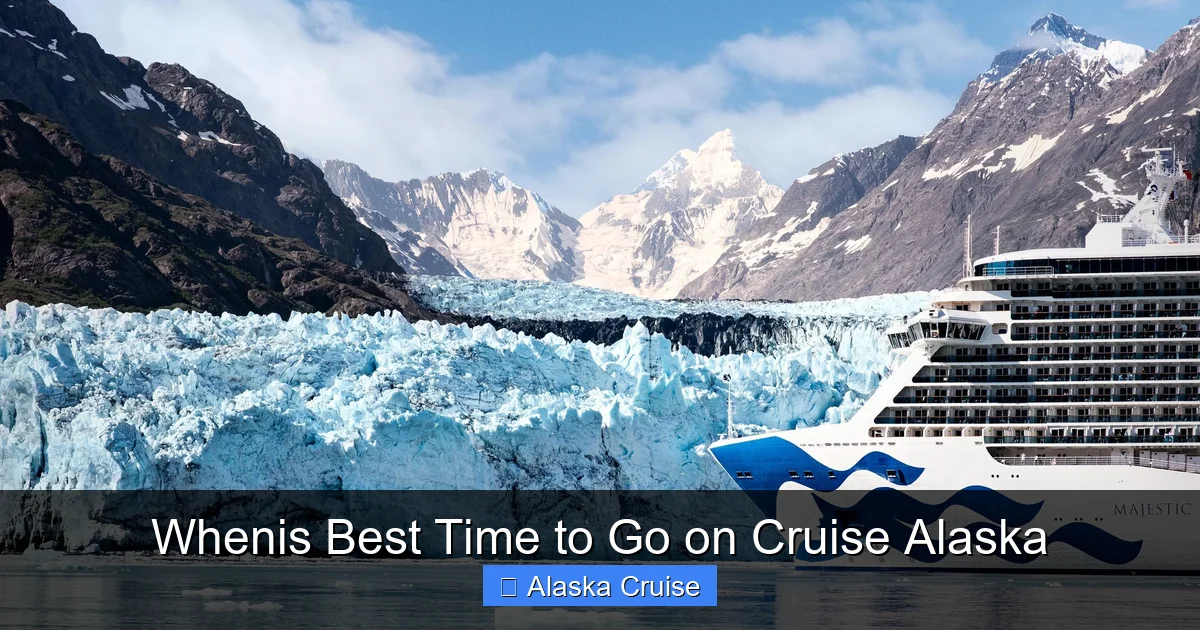
The best time to go on a cruise Alaska is from late May to early September, when weather is mild, wildlife is active, and daylight lasts up to 18 hours. Peak season (June–August) offers the warmest temperatures and most excursions, while shoulder months (May and September) provide fewer crowds and lower prices.
Dreaming of snow-capped peaks, towering glaciers, and breaching humpback whales? A cruise to Alaska is one of the most breathtaking ways to experience the Last Frontier. But with a short sailing season and dramatic seasonal shifts, timing your trip right can make all the difference. So, when is the best time to go on a cruise Alaska?
Unlike tropical destinations that welcome travelers year-round, Alaska’s cruise season is tightly packed into a few short months. From late May to early September, the state transforms from a frozen wilderness into a lush, vibrant paradise teeming with life. During this window, cruise lines operate full schedules, ports open their doors, and natural wonders come alive. But not every month offers the same experience. Some travelers prioritize warm weather and long days, while others prefer quieter ports and lower prices. Understanding the nuances of each month will help you choose the perfect time for your Alaskan adventure.
Whether you’re a first-time cruiser or a seasoned explorer, this guide will walk you through the pros and cons of each month, highlight key experiences, and help you decide when to set sail. From whale watching in June to spotting bears in August, we’ll cover everything you need to know to make the most of your cruise. So grab your parka, pack your camera, and let’s dive into the best time to go on a cruise Alaska.
Key Takeaways
- Best Overall Time: Mid-June to mid-August offers the warmest weather, longest days, and peak wildlife activity.
- Shoulder Season Advantages: May and September provide lower prices, fewer crowds, and still-decent weather.
- Wildlife Viewing: Bears, whales, and migratory birds are most active from June through August.
- Glacier Views: Glaciers are most accessible and dramatic in July and August, with calving events more common.
- Weather Considerations: Expect cool temperatures (45–65°F) year-round; pack layers regardless of the month.
- Daylight Hours: Summer months offer nearly 18–20 hours of daylight, perfect for sightseeing and photography.
- Budget vs. Experience: Early May and late September offer the best value, while July and August deliver the fullest experience.
📑 Table of Contents
Understanding Alaska’s Cruise Season
Alaska’s cruise season is relatively short, typically running from mid-May to early October. Most major cruise lines—like Holland America, Princess, Norwegian, and Royal Caribbean—begin their Alaska itineraries in late May and wrap up by early September. A few smaller or luxury lines may extend into early October, but options become limited as weather turns colder and daylight fades.
The season is divided into three main periods: early season (May), peak season (June–August), and late season (September). Each offers a unique blend of weather, wildlife, crowds, and pricing. Understanding these phases is key to choosing the right time for your trip.
Early Season: May – The Quiet Start
May marks the beginning of Alaska’s cruise season. While it’s still early in the year, the landscape is waking up from winter. Snow is melting, rivers are swelling, and the first wildflowers begin to bloom. Daylight increases rapidly—by late May, you’ll enjoy up to 17 hours of sunlight.
One of the biggest advantages of cruising in May is the lack of crowds. Ports like Juneau, Ketchikan, and Skagway are far less busy than in summer. You’ll have more space on excursions, shorter lines at popular attractions, and a more intimate experience overall. Hotels and tour operators are also less booked, so last-minute plans are easier.
However, the weather in May can be unpredictable. Temperatures typically range from 40°F to 60°F (4°C to 15°C), and rain is common. Some high-elevation areas may still have snow, and glacier calving is less frequent than in summer. Wildlife is beginning to emerge—bears are out of hibernation, and birds are returning—but sightings may be less frequent than in peak months.
If you’re looking for a peaceful, budget-friendly start to the season, May is a great choice. Just be prepared for cooler temps and pack waterproof gear.
Peak Season: June to August – The Heart of Summer
June, July, and August are the most popular months for Alaska cruises—and for good reason. This is when the state truly comes alive. Temperatures are at their warmest, averaging between 50°F and 70°F (10°C to 21°C), though it can feel cooler on the water or in shaded areas.
Daylight is abundant—especially in June and July, when the sun barely sets. In places like Fairbanks, you can experience the “midnight sun,” with up to 20 hours of daylight. This extended light gives you more time for sightseeing, photography, and spontaneous adventures.
Wildlife is at its peak during these months. Humpback whales migrate north to feed in Alaska’s rich waters, and whale-watching tours are highly active. Orcas, sea lions, and porpoises are also commonly spotted. On land, brown and black bears are frequently seen foraging along riverbanks, especially in areas like Katmai National Park or during salmon runs.
Glaciers are another highlight. In July and August, warmer temperatures increase glacial activity, making calving events—when massive chunks of ice break off into the water—more dramatic and frequent. Glacier Bay and Hubbard Glacier are must-see stops, and the views are often more dynamic during peak season.
Ports are bustling, and excursions are in full swing. Popular activities like dog sledding on a glacier, flightseeing over Denali, or kayaking among icebergs are widely available. However, this popularity comes with a cost: higher prices, more crowds, and limited availability for last-minute bookings.
If you want the full Alaska experience—warm weather, vibrant wildlife, and endless daylight—peak season is the way to go. Just book early and expect to share the spotlight with fellow travelers.
Late Season: September – The Golden Finale
September marks the end of the cruise season, but it’s far from a letdown. In fact, many travelers consider it one of the best times to go on a cruise Alaska. The summer crowds have thinned, prices drop significantly, and the landscape transforms into a stunning palette of gold, red, and orange as fall foliage takes hold.
Weather in September is generally mild, with daytime temperatures ranging from 45°F to 65°F (7°C to 18°C). Mornings and evenings can be chilly, especially on deck or in higher elevations, so layers are essential. Rain is still possible, but storms are less frequent than in summer.
One of the biggest draws of a September cruise is the wildlife. Bears are especially active as they prepare for hibernation, gorging on late-season salmon runs. This makes for incredible viewing opportunities in places like Admiralty Island or along the Chilkat River. Whales are still present, though some species begin migrating south by mid-September.
Glaciers remain accessible, and the cooler air can make for crisp, clear views. While calving may be less frequent than in July, the serene beauty of ice formations against autumn-colored mountains is unforgettable.
Another advantage is the lower cost. Cruise fares, flights, and excursions are often discounted in September as demand decreases. You’ll also find more availability for premium cabins and last-minute deals.
The only downside? Daylight begins to shorten rapidly. By late September, you’ll have about 12 hours of daylight, and some remote ports may close earlier. A few cruise lines reduce their schedules or end operations by early September, so options are more limited.
If you value tranquility, affordability, and stunning fall scenery, September is an excellent choice for your Alaska cruise.
Weather and Climate by Month
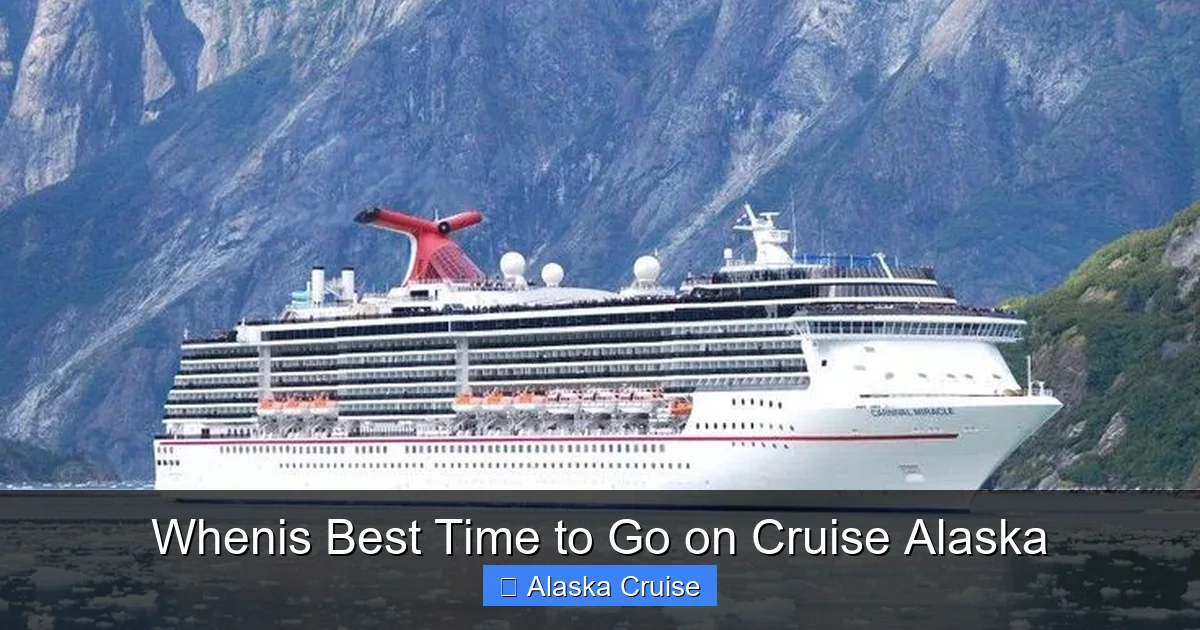
Visual guide about Whenis Best Time to Go on Cruise Alaska
Image source: i.pinimg.com
Alaska’s weather is famously unpredictable, but understanding the typical climate patterns can help you pack and plan wisely. While no two years are exactly the same, certain trends hold true across the cruise season.
Temperature Trends
Temperatures in Alaska rarely reach extremes, but they can vary significantly by region and time of day. Coastal areas—where most cruise ports are located—tend to be cooler and more humid than inland regions.
– May: Average highs range from 50°F to 60°F (10°C to 15°C). Mornings can dip into the 40s (4–9°C), especially in the north.
– June: Warmer, with highs between 55°F and 65°F (13°C to 18°C). Evenings are mild, but sea breezes can make it feel cooler.
– July: The warmest month, with highs often reaching 60°F to 70°F (15°C to 21°C). Inland areas like Skagway can get warmer.
– August: Similar to July, though nights start to cool slightly. Highs average 58°F to 68°F (14°C to 20°C).
– September: Cooling begins, with highs from 50°F to 60°F (10°C to 15°C). Frost is possible in early mornings by late September.
Regardless of the month, it’s wise to pack layers. A waterproof jacket, fleece, long underwear, and a warm hat are essential. Even in summer, temperatures on the water or in shaded fjords can drop quickly.
Rainfall and Precipitation
Rain is common in coastal Alaska, especially in the southeast (Ketchikan, Juneau). The region is part of a temperate rainforest, so expect frequent showers—particularly in May, June, and September.
– May: Moderate rainfall, averaging 4–6 inches. Overcast skies are common.
– June: Rainfall increases slightly, with 5–7 inches. Afternoon showers are typical.
– July: Slightly drier than June, but still wet. Expect 4–6 inches of rain.
– August: Rainfall begins to decrease, averaging 4–5 inches. Skies may clear more often.
– September: Rain returns, with 5–7 inches. Storms are less intense but more frequent.
Don’t let rain deter you—many Alaskan adventures happen in the mist. Waterproof gear and quick-dry clothing will keep you comfortable. And remember: rain often leads to dramatic waterfalls and lush greenery.
Daylight Hours
One of the most magical aspects of an Alaska cruise is the abundance of daylight. In summer, the sun barely sets, creating endless opportunities for exploration.
– May: Daylight increases from about 15 hours in early May to nearly 18 hours by the end of the month.
– June: Peak daylight—up to 19 hours in southern Alaska and nearly 24 hours in the far north.
– July: Similar to June, with up to 18–19 hours of daylight.
– August: Days shorten gradually, from 17 hours in early August to 14 hours by late August.
– September: Daylight drops quickly—from 13 hours in early September to about 10 hours by the end.
This extended light is perfect for photography, especially during the “golden hour” that can last for hours. It also means you can enjoy evening wildlife tours or deck strolls long after dinner.
Wildlife Viewing Opportunities
Alaska is a wildlife lover’s paradise, and the best time to go on a cruise Alaska often depends on what animals you hope to see. Different species are active at different times, so timing your trip around wildlife can enhance your experience.
Whales and Marine Life
Humpback whales are the stars of Alaska’s marine scene. They migrate north from Hawaii and Mexico in spring to feed on krill and small fish in Alaska’s nutrient-rich waters. Peak whale season runs from June through August, with the highest concentration in July.
– June: Whales begin arriving. Early-season sightings are common, especially in Glacier Bay and Icy Strait.
– July: Prime whale-watching month. Tours report frequent sightings, including breaching, tail slapping, and bubble-net feeding.
– August: Still excellent, though some whales begin migrating south by late August.
Orcas (killer whales) are also present year-round, with higher sightings in summer. Sea lions, harbor seals, and Dall’s porpoises are commonly seen near shorelines and on floating ice.
Bears and Land Mammals
Brown bears (including grizzlies) and black bears are most active from May through September. They emerge from hibernation in spring and spend the summer foraging for food.
– May–June: Bears are often seen near rivers and meadows, feeding on early vegetation and spawning salmon.
– July–August: Peak bear activity. Salmon runs attract large numbers of bears to rivers like the Brooks River in Katmai or the Chilkat River near Haines.
– September: Bears are hyperphagic—eating nonstop to prepare for winter. This makes them highly visible, especially in coastal areas.
Moose, mountain goats, and Sitka black-tailed deer are also common. Mountain goats are often spotted on cliff faces in places like Tracy Arm Fjord, while moose frequent wetlands near Juneau and Haines.
Birds and Migratory Species
Alaska is a birdwatcher’s dream. Over 300 species nest in the state, including bald eagles, puffins, and sandhill cranes.
– May–June: Migratory birds return. Puffins nest on coastal cliffs, and eagles build nests near rivers.
– July–August: Nesting season peaks. You may see chicks learning to fly or parents feeding young.
– September: Some birds begin migrating south, but resident species like ravens and jays remain.
Birdwatching excursions are available in many ports, especially in Ketchikan and Glacier Bay.
Glacier and Scenic Highlights
No Alaska cruise is complete without seeing a glacier. These icy giants are among the most awe-inspiring sights on Earth, and the best time to go on a cruise Alaska for glacier viewing is during the warmer months.
Glacier Bay National Park
One of the most popular stops on Alaska cruises, Glacier Bay is home to over a dozen tidewater glaciers. The park is a UNESCO World Heritage Site and offers some of the most dramatic ice formations in the world.
– June–August: Glaciers are most active. Warmer temperatures increase calving, creating thunderous splashes as ice crashes into the water.
– July: Peak calving season. Ships often slow down or stop to allow passengers to witness these natural events.
– September: Still accessible, but calving decreases. The quieter atmosphere allows for more peaceful viewing.
Park rangers often join ships to provide commentary and answer questions, enhancing the educational experience.
Hubbard Glacier
At over 76 miles long, Hubbard Glacier is one of the largest tidewater glaciers in North America. It’s a highlight on many cruise itineraries, especially those departing from Seward or Whittier.
– June–August: The glacier is most dynamic. Icebergs calve frequently, and the sheer scale is breathtaking.
– July: Ideal for photography. Clear skies and long daylight hours provide perfect lighting.
– September: Still impressive, though activity slows. Fewer crowds mean a more personal experience.
Tracy Arm and Endicott Arm
These narrow fjords near Juneau offer intimate views of glaciers like Sawyer and South Sawyer. The towering cliffs and floating icebergs create a surreal landscape.
– June–August: Best time for kayaking and small-boat tours. Ice is more accessible, and wildlife is abundant.
– September: Fewer tour boats, but the fall colors add a unique beauty to the scenery.
Pricing and Crowd Considerations
Budget and crowd levels are major factors when deciding when to go on a cruise Alaska. Prices fluctuate significantly throughout the season, and your experience can vary based on how busy the ports are.
Cruise Fare Trends
– May: Lower prices. Early-season discounts are common, with fares often 20–30% cheaper than peak months.
– June–August: Highest prices. Demand is strong, and cabins fill quickly. Premium suites and balcony rooms sell out months in advance.
– September: Prices drop again. Last-minute deals and repositioning cruises can offer significant savings.
Port Crowds
– May: Quiet ports. You’ll have more space on excursions and shorter wait times at attractions.
– June–August: Busy season. Popular spots like Mendenhall Glacier or the Skagway train can be crowded. Booking excursions in advance is essential.
– September: Fewer tourists. A more relaxed pace allows for spontaneous exploration.
Flight and Hotel Costs
Airfare to Seattle, Vancouver, or Anchorage—common departure cities—also varies. Summer flights are more expensive, while May and September offer better deals. Hotel prices in port cities follow a similar pattern.
Tips for Choosing Your Cruise Date
With so many factors to consider, how do you decide when to go on a cruise Alaska? Here are some practical tips:
– Book early for peak season: If you want to sail in July, book 9–12 months in advance.
– Be flexible with dates: Shifting your trip by a week can save hundreds and reduce crowds.
– Consider your priorities: Are you chasing whales? Want warm weather? Prefer solitude? Match your goals to the season.
– Pack for all conditions: Even in summer, bring layers, rain gear, and sturdy shoes.
– Check port schedules: Some excursions or parks may have limited hours in May or September.
Conclusion
So, when is the best time to go on a cruise Alaska? The answer depends on what you value most. For the warmest weather, longest days, and peak wildlife, mid-June to mid-August is ideal. If you prefer fewer crowds, lower prices, and stunning fall colors, May or September offers a magical alternative.
No matter when you go, an Alaska cruise promises unforgettable scenery, incredible wildlife, and a sense of adventure that’s hard to match. With proper planning and the right timing, your journey through the Last Frontier will be nothing short of extraordinary.
Frequently Asked Questions
What is the best month for an Alaska cruise?
The best month for an Alaska cruise is July. It offers the warmest weather, longest daylight hours, peak wildlife activity, and the most dynamic glacier calving. However, it’s also the busiest and most expensive time.
Can you see whales on an Alaska cruise in May?
Yes, you can see whales in May, but sightings are less frequent than in summer. Humpback whales begin arriving in late May, and early-season whale-watching tours are available in Glacier Bay and Icy Strait.
Is September too cold for an Alaska cruise?
September is not too cold for an Alaska cruise. Daytime temperatures average 45°F to 65°F (7°C to 18°C), which is comfortable with proper layers. Mornings and evenings can be chilly, but it’s still a great time to visit.
Are glaciers still visible in September?
Yes, glaciers are still visible in September. While calving activity decreases compared to summer, glaciers like Hubbard and Sawyer remain accessible and offer stunning views, especially against fall foliage.
Do I need to book excursions in advance?
Yes, especially during peak season (June–August). Popular tours like dog sledding, flightseeing, and whale watching fill up quickly. Booking in advance ensures you get your top choices.
What should I pack for an Alaska cruise?
Pack layers, including a waterproof jacket, fleece, long underwear, warm hat, gloves, and sturdy walking shoes. Even in summer, temperatures can drop, and rain is common. Don’t forget sunscreen, sunglasses, and a camera!