The best time to cruise Alaska for visibility is from late June to mid-August, when daylight is longest and weather is most stable. This period offers clear skies, calm seas, and optimal chances to see glaciers, wildlife, and mountain peaks in full view.
Dreaming of towering glaciers, snow-capped mountains, and breaching humpback whales? A cruise through Alaska’s Inside Passage is one of the most breathtaking travel experiences on Earth. But to truly soak in the grandeur of this wild frontier, timing is everything. If your top priority is visibility—clear views of landscapes, wildlife, and icy fjords—then knowing when to sail can make or break your trip.
Alaska’s cruise season runs from May to September, but not all months offer the same scenic rewards. While every week has its charm, some periods stand out for their consistently clear skies, calm waters, and long daylight hours. Whether you’re hoping to photograph a calving glacier at sunrise or spot a brown bear fishing along a riverbank, choosing the right time ensures you won’t miss a thing. In this guide, we’ll break down the best time to cruise Alaska for visibility, so you can plan your adventure with confidence.
From weather patterns and daylight duration to wildlife activity and crowd levels, we’ll cover everything you need to know. Whether you’re a first-time cruiser or a seasoned Alaska traveler, this article will help you maximize your chances of seeing Alaska at its most stunning.
Key Takeaways
- Peak visibility occurs from late June to mid-August: Long daylight hours and mild weather create ideal conditions for sightseeing.
- July offers the clearest skies and warmest temperatures: This month has the highest chance of sunny days and minimal fog.
- Early morning and late evening enhance scenic views: Soft light during golden hours improves photography and glacier visibility.
- Weather varies by region and cruise route: Coastal areas like Juneau may be cloudier than inland fjords like Tracy Arm.
- Shoulder seasons (May and September) offer trade-offs: Fewer crowds and lower prices, but reduced visibility due to rain and overcast skies.
- Wildlife sightings peak in July and August: Bears, whales, and seabirds are most active during summer months.
- Book early for summer cruises: High demand means cabins and excursions fill quickly during peak visibility season.
📑 Table of Contents
- Understanding Alaska’s Cruise Season and Visibility Factors
- The Best Months for Visibility: A Month-by-Month Breakdown
- Regional Differences in Visibility
- Tips for Maximizing Visibility on Your Alaska Cruise
- Wildlife and Visibility: Seeing Alaska’s Animals in Clear View
- Conclusion: Planning Your Perfect Alaska Cruise for Visibility
Understanding Alaska’s Cruise Season and Visibility Factors
Alaska’s cruise season is relatively short, spanning just five months from May through September. During this window, the state transforms from a frozen tundra into a lush, vibrant wilderness teeming with life. But not all months are created equal when it comes to visibility. Several key factors influence how clearly you’ll be able to see the landscape, wildlife, and natural wonders during your cruise.
One of the biggest determinants is weather. Alaska’s coastal climate is heavily influenced by the Pacific Ocean, which brings frequent rain, fog, and cloud cover—especially in the spring and fall. These conditions can obscure mountain peaks, reduce visibility at sea, and make it harder to spot wildlife. In contrast, summer months tend to be drier and sunnier, especially in July and August.
Another critical factor is daylight. During the summer solstice in late June, parts of Alaska experience nearly 20 hours of daylight. This “midnight sun” effect means you’ll have ample time to explore, take photos, and enjoy scenic views—even after dinner. Longer days also increase your chances of catching wildlife in action, as animals are more active during daylight hours.
Sea conditions also play a role. Calm waters make for smoother sailing and better visibility, especially when cruising through narrow fjords like Glacier Bay or Tracy Arm. Rough seas, which are more common in spring and fall, can limit your ability to get close to glaciers or spot marine life near the surface.
Finally, wildlife behavior shifts with the seasons. Many animals, including bears, whales, and migratory birds, are most active during the summer months when food is abundant. This not only enhances your chances of sightings but also improves the overall visual experience of your cruise.
How Weather Impacts Visibility
Weather is arguably the most important factor affecting visibility on an Alaska cruise. While the state is known for its dramatic scenery, it’s also famous for its unpredictable weather. Rain, fog, and cloud cover can roll in quickly, especially along the coast.
In May and September—the shoulder months—rainfall is more frequent, and overcast skies are common. These conditions can obscure mountain views and reduce the clarity of glacier faces. Fog, in particular, can be a challenge in areas like Ketchikan and Juneau, where low-lying clouds often hug the shoreline.
By contrast, July and August typically see the most stable weather. High-pressure systems dominate, bringing clearer skies and less precipitation. This doesn’t mean it never rains—Alaskan weather is never 100% predictable—but the chances of sunny, clear days are significantly higher during midsummer.
Temperature also plays a role. Warmer air holds more moisture, which can lead to haze or reduced visibility on hot, humid days. However, in Alaska’s cool coastal climate, this is less of an issue than in tropical destinations. In fact, the crisp, clean air of summer often enhances visibility, making distant peaks and glaciers appear sharper and more defined.
The Role of Daylight in Scenic Views
Daylight is a game-changer for visibility in Alaska. The state’s high latitude means dramatic shifts in daylight hours throughout the year. In June, cities like Juneau and Skagway enjoy up to 18 hours of daylight, with the sun barely dipping below the horizon. This extended light gives you more time to explore, take photos, and enjoy the scenery.
Longer days also mean more opportunities to see wildlife. Many animals are crepuscular—most active at dawn and dusk. With sunrise as early as 4 a.m. and sunset after 10 p.m. in July, you’ll have plenty of chances to spot bears foraging along riverbanks, eagles soaring overhead, or whales breaching in the distance.
Photographers will especially appreciate the “golden hours”—the soft, warm light just after sunrise and before sunset. During these times, the low angle of the sun enhances textures and colors, making glaciers glow blue and forests shimmer in golden hues. Even if you’re not a shutterbug, the enhanced lighting makes everything look more vivid and dramatic.
Sea Conditions and Their Effect on Sightseeing
Calm seas are essential for optimal visibility, especially when cruising through narrow, scenic waterways. Alaska’s fjords—like Glacier Bay, Tracy Arm, and Misty Fjords—are best appreciated up close, where you can hear the crack of calving ice and see the intricate patterns on glacier faces.
Rough seas, which are more common in spring and fall, can limit your ability to get close to these natural wonders. High winds and swells may force ships to slow down or alter course, reducing time spent in key viewing areas. Additionally, choppy water makes it harder to spot marine life, as animals are less likely to surface in turbulent conditions.
Summer months generally offer the calmest seas, particularly in July and August. The combination of stable weather and reduced storm activity creates ideal conditions for smooth sailing and unobstructed views. This is especially important for passengers prone to motion sickness—calmer waters mean a more comfortable journey and better access to scenic spots.
The Best Months for Visibility: A Month-by-Month Breakdown
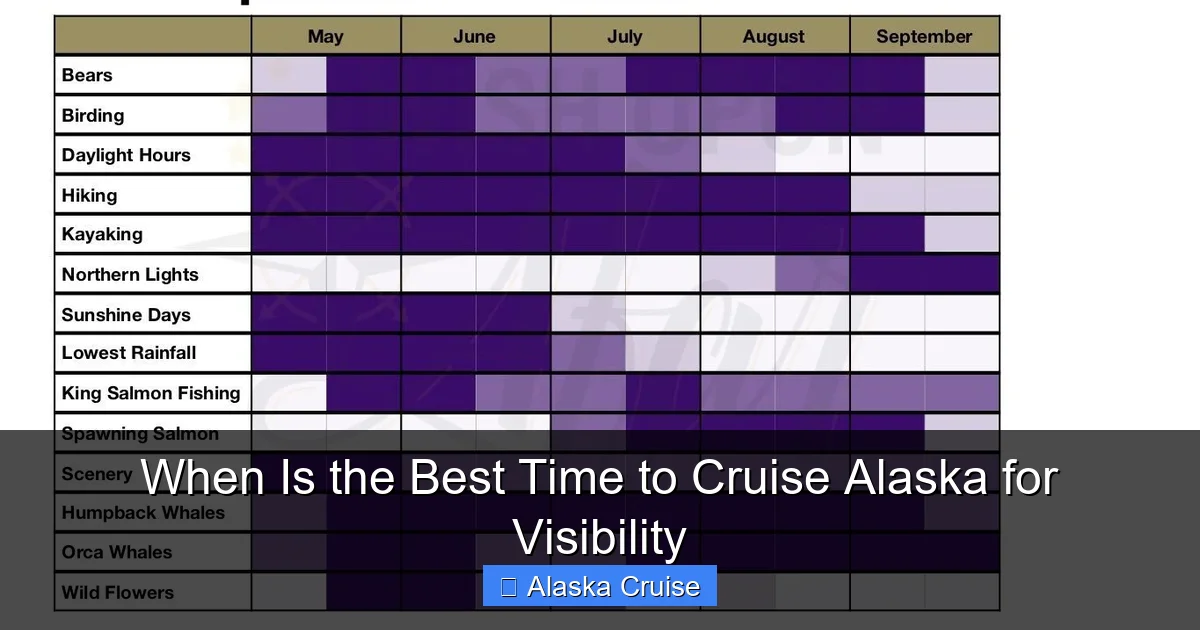
Visual guide about When Is the Best Time to Cruise Alaska for Visibility
Image source: i.pinimg.com
To help you choose the ideal time for your Alaska cruise, let’s take a closer look at each month of the season and how it stacks up in terms of visibility.
May: The Start of the Season
May marks the beginning of Alaska’s cruise season. While it’s a beautiful time to visit—with blooming wildflowers and fewer tourists—visibility can be hit or miss. Weather is still transitioning from winter to summer, so rain and overcast skies are common. Fog is frequent in coastal areas, and mountain views may be obscured by low clouds.
That said, May offers some unique advantages. The landscape is lush and green, and wildlife is becoming more active as food sources return. You may also enjoy lower prices and more availability on popular cruise lines. However, if clear views are your top priority, May may not be the best choice.
June: Long Days, Improving Conditions
June is when conditions begin to improve significantly. Daylight hours increase dramatically, with nearly 18 hours of sun by the end of the month. Weather becomes more stable, and the chance of clear skies rises. While rain is still possible, it’s less frequent than in May.
This is a great time for photographers and early risers. The long days allow for extended sightseeing, and the soft morning light enhances scenic views. Wildlife is also more active, with bears emerging from hibernation and whales migrating north.
One thing to note: June can still see some fog, especially in the mornings. But overall, visibility is much better than in the spring, and the scenery is stunning.
July: Peak Visibility and Ideal Conditions
July is widely considered the best time to cruise Alaska for visibility. The weather is at its most stable, with the highest chance of sunny days and minimal fog. Temperatures are warm—typically ranging from 55°F to 70°F—making it comfortable for outdoor activities.
Daylight is nearly continuous, with the sun setting after 10 p.m. in many areas. This gives you plenty of time to explore ports, take excursions, and enjoy the scenery. Wildlife is abundant, with bears fishing for salmon, whales feeding in coastal waters, and birds nesting in cliffs.
Glaciers are also at their most impressive in July. The warmer weather causes increased calving, so you’re more likely to witness ice breaking off into the water—a truly unforgettable sight. Just be prepared for crowds, as July is the busiest month of the season.
August: Still Great, But Changing Conditions
August remains an excellent time for visibility, though conditions begin to shift toward the end of the month. Weather is still generally good, with clear skies and calm seas. However, the chance of rain increases slightly, and fog can return, especially in the latter half of the month.
Daylight starts to decrease, but there’s still plenty of time to enjoy the scenery. Wildlife remains active, and glacier views are still spectacular. August is also a great time for bear watching, as salmon runs peak and bears congregate along rivers.
One advantage of August is that crowds begin to thin after mid-month, making it easier to secure popular excursions and enjoy a more relaxed pace.
September: The Shoulder Season Trade-Off
September marks the end of the cruise season. While it’s a beautiful time to visit—with fall colors beginning to appear—visibility can be reduced. Rain is more frequent, and overcast skies are common. Fog returns to coastal areas, and mountain views may be limited.
That said, September offers unique rewards. The landscape is painted in gold and red, and wildlife is still active. You’ll also enjoy lower prices and fewer tourists. If you’re willing to trade some visibility for solitude and seasonal beauty, September can be a rewarding choice.
Regional Differences in Visibility
Not all parts of Alaska offer the same visibility, even during peak season. The state’s diverse geography means weather and scenery can vary significantly from one port to the next.
Southeastern Alaska: The Inside Passage
The Inside Passage—home to ports like Juneau, Ketchikan, and Skagway—is the most popular cruise route. This region is known for its lush rainforests, towering mountains, and abundant wildlife. However, it’s also the wettest part of Alaska, with frequent rain and fog.
Visibility here depends heavily on weather patterns. On clear days, the views are breathtaking, with snow-capped peaks rising directly from the water. But on overcast days, the landscape can feel muted and distant. July and August offer the best chances for clear skies, but even then, afternoon showers are possible.
Glacier Bay National Park
Glacier Bay is one of the most iconic stops on any Alaska cruise. This UNESCO World Heritage Site is home to massive tidewater glaciers, including the famous Margerie and Johns Hopkins Glaciers. Visibility here is often excellent, especially in July and August.
The park’s location—sheltered from the open ocean—means calmer seas and less fog. The glaciers themselves are best viewed in the early morning or late afternoon, when the light is soft and the ice appears bluer. Rangers aboard cruise ships provide expert commentary, enhancing the experience.
Hubbard Glacier and Disenchantment Bay
Located near the end of many cruise itineraries, Hubbard Glacier is one of the largest tidewater glaciers in North America. Visibility here can vary, but summer months offer the best conditions. The glacier is best viewed from the ship’s deck, where you can hear the thunderous crack of calving ice.
Disenchantment Bay, which leads to the glacier, can be foggy in the mornings. But as the day warms, the fog often burns off, revealing stunning views of the ice and surrounding mountains.
Prince William Sound and College Fjord
These areas, often visited on longer or specialty cruises, offer dramatic glacier views and pristine wilderness. Visibility is generally good in summer, though weather can change quickly. The fjords here are narrow and sheltered, reducing the impact of wind and waves.
Tips for Maximizing Visibility on Your Alaska Cruise
Even during the best months, visibility can be affected by weather and timing. Here are some practical tips to help you make the most of your Alaska cruise.
Choose the Right Itinerary
Not all cruise routes are equal when it comes to visibility. Look for itineraries that spend more time in scenic areas like Glacier Bay, Tracy Arm, and Hubbard Glacier. Avoid routes that focus heavily on ports with frequent fog, like Ketchikan, unless you’re visiting in peak summer.
Book Shore Excursions Wisely
Some excursions offer better visibility than others. Helicopter tours, for example, provide aerial views of glaciers and mountains, often above the cloud line. Kayaking in calm fjords allows you to get close to icebergs and wildlife. Choose activities that maximize your chances of clear views.
Be an Early Riser
Many of the best views happen in the early morning. Glaciers are often calmer and more photogenic at dawn, and wildlife is most active. Plus, morning light enhances colors and reduces haze. Set your alarm and head to the deck—you won’t regret it.
Pack for Variable Weather
Even in summer, Alaska’s weather can change quickly. Bring layers, a waterproof jacket, and sunglasses. A good pair of binoculars can also enhance your ability to spot distant wildlife and details on glaciers.
Stay Flexible
Weather is unpredictable, and cruise lines may alter itineraries to avoid storms or fog. Stay flexible and embrace the journey. Sometimes, the most memorable moments happen when plans change.
Wildlife and Visibility: Seeing Alaska’s Animals in Clear View
One of the biggest draws of an Alaska cruise is the chance to see wildlife in its natural habitat. But just like scenic views, wildlife sightings depend heavily on timing and visibility.
Whales
Humpback whales, orcas, and gray whales are commonly seen along the coast. They’re most active in July and August, when food is plentiful. Clear skies and calm seas improve your chances of spotting them breaching or feeding near the surface.
Bears
Brown bears and black bears are often seen along riverbanks, especially during salmon runs in July and August. Visibility is best in the early morning or late evening, when bears are most active. Excursions to places like Anan Creek or Pack Creek offer excellent viewing opportunities.
Birds and Marine Life
Seabird colonies, sea otters, and harbor seals are common sights. Clear weather enhances visibility, making it easier to spot these animals from the deck. Binoculars are a must for birdwatching and distant sightings.
Conclusion: Planning Your Perfect Alaska Cruise for Visibility
When it comes to cruising Alaska, visibility is key to unlocking the full magic of this wild and beautiful destination. While every month of the season has its own charm, the best time to cruise Alaska for visibility is from late June to mid-August. During these months, you’ll enjoy the clearest skies, longest days, and most stable weather—perfect conditions for seeing glaciers, mountains, and wildlife in stunning detail.
July stands out as the peak month, offering the highest chance of sunny days and optimal viewing conditions. August is also excellent, with slightly fewer crowds and still-great visibility. If you’re flexible and willing to trade some clarity for solitude and lower prices, May and September can be rewarding alternatives.
No matter when you go, choosing the right itinerary, packing appropriately, and staying flexible will help you make the most of your trip. Alaska’s beauty is worth the wait—and with the right timing, you’ll see it in all its glory.
Frequently Asked Questions
What is the best month to cruise Alaska for clear views?
The best month is July, when weather is most stable, skies are clearest, and daylight is longest. August is also excellent, with slightly fewer crowds.
Can you see glaciers clearly in May or September?
Visibility is lower in May and September due to rain and fog. While glaciers can still be seen, views may be obscured by overcast conditions.
Does fog affect visibility on Alaska cruises?
Yes, fog is common in coastal areas like Juneau and Ketchikan, especially in spring and fall. It can reduce visibility, particularly in the mornings.
Are wildlife sightings better in summer?
Yes, July and August offer the best wildlife viewing, as animals are most active during warm, food-rich summer months.
How does daylight impact visibility in Alaska?
Long summer days provide more time for sightseeing and enhance lighting for photography. The “golden hour” light improves scenic views significantly.
Should I bring binoculars on my Alaska cruise?
Absolutely. Binoculars help you spot distant wildlife, glacier details, and scenic features, especially in areas with limited shore access.