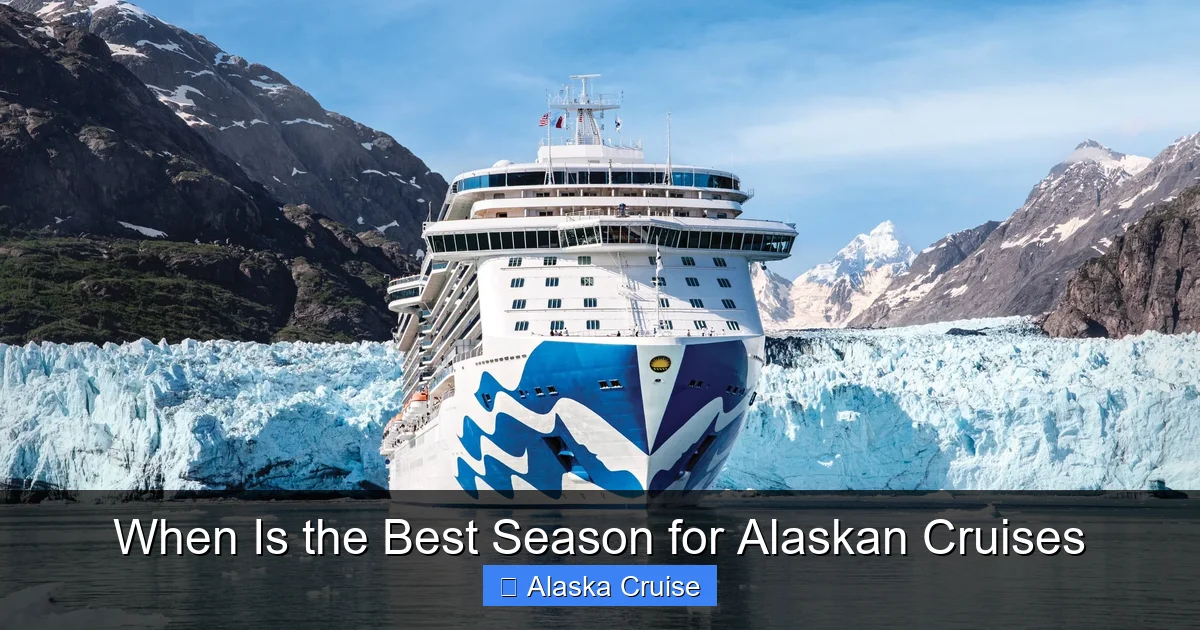
The best season for Alaskan cruises runs from late May to early September, offering mild weather, long daylight hours, and abundant wildlife. While each month has unique perks, June through August is ideal for first-time visitors seeking the full Alaska experience.
Dreaming of towering glaciers, breaching whales, and snow-capped mountains framed by endless sky? An Alaskan cruise might just be the adventure of a lifetime. But before you start packing your parka and binoculars, there’s one big question to answer: When is the best season for Alaskan cruises?
Alaska’s cruise season is surprisingly short—typically running from mid-May to early October—but that doesn’t mean every month is created equal. The “best” time depends on what you want to see and do. Are you chasing wildlife? Want to hike under the midnight sun? Or maybe you’re looking for a quieter, more affordable trip with fewer tourists? Each month in the Alaskan cruise calendar brings its own magic, weather patterns, and opportunities.
In this guide, we’ll walk you through the entire cruise season, month by month, so you can pick the perfect time for your Alaskan adventure. Whether you’re a first-time cruiser or a seasoned traveler, understanding the nuances of Alaska’s seasons will help you make the most of your journey. From the thawing landscapes of May to the crisp autumn air of September, we’ll cover everything you need to know—weather, wildlife, crowds, pricing, and must-see experiences—so you can sail with confidence.
Key Takeaways
- Peak season is June to August: This period offers the warmest weather, longest days, and best access to ports and excursions.
- May and September offer fewer crowds and lower prices: These shoulder months provide a quieter, more budget-friendly experience with still-decent weather.
- Wildlife viewing peaks in summer: Bears, whales, and migratory birds are most active from June through August.
- Glacier viewing is best in late summer: July and August offer the most stable ice conditions and clearer views of glaciers like Hubbard and Mendenhall.
- Northern Lights are not visible during cruise season: The midnight sun prevents aurora sightings, so plan a separate winter trip if that’s your goal.
- Packing layers is essential year-round: Weather can change quickly, so bring waterproof gear, warm layers, and sun protection.
- Book early for peak months: Cruises fill up fast in summer, so reserve 6–12 months in advance for the best cabins and deals.
📑 Table of Contents
Understanding Alaska’s Cruise Season
Alaska’s cruise season is tightly bound to its dramatic climate. Unlike tropical destinations that welcome visitors year-round, Alaska’s harsh winters make cruising impossible from October through April. Roads close, ports freeze, and daylight shrinks to just a few hours. That’s why the official cruise season runs from **mid-May to early October**, with the majority of ships sailing between **June and August**.
This narrow window is your only chance to explore Alaska by sea, and it’s packed with natural wonders. But within this season, conditions vary significantly. May is cool and quiet, with melting snow and blooming wildflowers. July is warm and bustling, with nearly 24 hours of daylight. September brings crisp air, golden foliage, and fewer crowds.
Knowing how the season unfolds helps you set realistic expectations. For example, you won’t see the Northern Lights during a summer cruise—Alaska experiences the “midnight sun,” where the sun barely sets. But you *will* enjoy long days perfect for sightseeing, hiking, and photography.
Why the Season Matters
Timing your cruise isn’t just about comfort—it’s about access. Many of Alaska’s top attractions, like Denali National Park and the Inside Passage, are only fully accessible during the summer months. Smaller ports like Haines or Skagway may have limited services in May and September. Wildlife migrations, glacier calving, and even flightseeing tours depend on weather and daylight.
For instance, bear viewing in Katmai National Park peaks in July and August when salmon run upstream. Whale watching in Glacier Bay is best from June to August when humpbacks and orcas are most active. And glacier tours by boat or helicopter are safest and most scenic in July and August when ice is stable and visibility is high.
So while you *can* cruise in May or September, your experience will differ from a mid-summer trip. Understanding these differences helps you choose the season that aligns with your travel goals.
May: The Quiet Start to Cruise Season
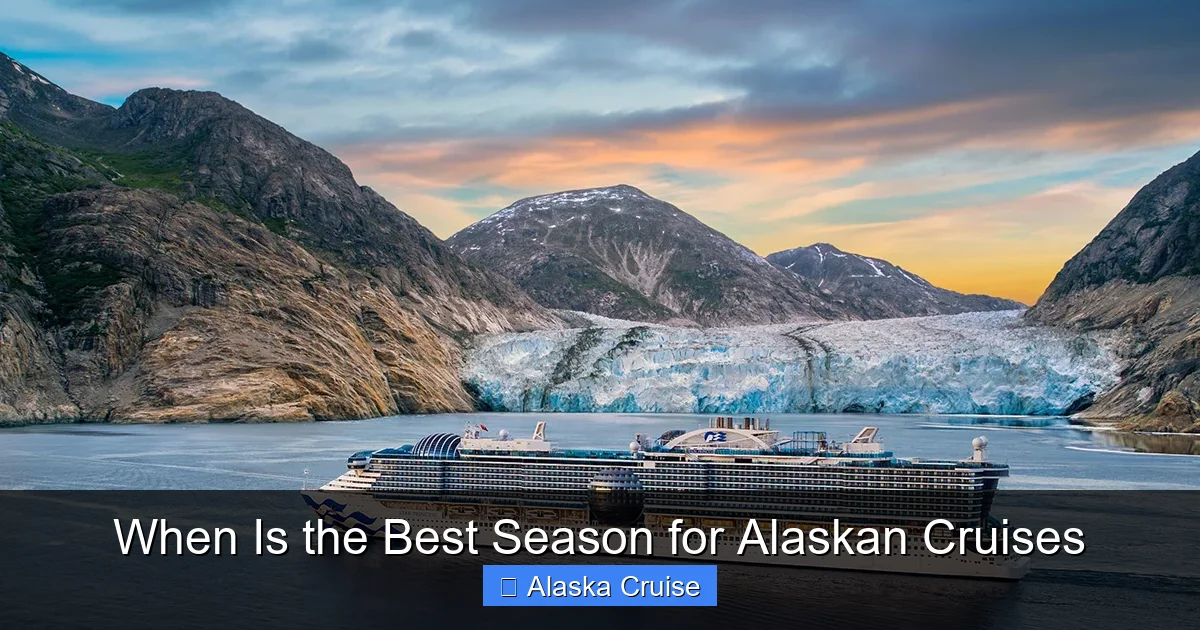
Visual guide about When Is the Best Season for Alaskan Cruises
Image source: qtxasset.com
May marks the beginning of Alaska’s cruise season, and it’s a time of transformation. Snow is melting, rivers are swelling, and the landscape is waking up from winter. If you’re looking for a peaceful, budget-friendly start to your Alaskan adventure, May might be your sweet spot.
Weather and Daylight in May
Temperatures in May range from **40°F to 60°F (4°C to 15°C)**, depending on your route. Coastal areas like Juneau and Ketchikan are milder, while inland destinations like Skagway can still feel chilly. Rain is common, so waterproof clothing is a must.
One of the biggest perks of a May cruise? The daylight. By late May, the sun rises around 4:30 a.m. and sets after 9:30 p.m.—giving you over 17 hours of daylight. This means more time to explore ports, take excursions, and snap photos without rushing.
Pros and Cons of Cruising in May
Pros:
– Fewer crowds and lower prices
– Beautiful spring scenery with blooming wildflowers
– Wildlife beginning to emerge—bears are active, and birds are returning
– Ships often offer early-season discounts
Cons:
– Some excursions and tours may not be fully operational
– Weather can be unpredictable—cold snaps and rain are possible
– Limited access to remote areas like Denali due to snow
What to Expect in May
In May, you’ll notice a sense of renewal. Glaciers are still impressive, and waterfalls are at their peak flow from melting snow. Wildlife is active: black bears are foraging in coastal areas, and bald eagles are nesting. Whale sightings are less common than in summer, but you might spot early arrivals like gray whales migrating north.
Ports like Juneau and Ketchikan are open, but smaller towns may have reduced hours. Some helicopter tours to glaciers or dog sledding experiences on ice fields (like on the Juneau Icefield) are available, but options are more limited than in peak season.
If you’re flexible and don’t mind cooler weather, May offers a unique, intimate Alaska experience. It’s ideal for travelers who want to avoid crowds and enjoy lower fares—just pack layers and a good rain jacket.
June: The Start of Peak Season
June is when Alaska truly comes alive. The cruise season hits its stride, and the state transforms into a vibrant, green paradise. This is one of the most popular months to cruise, and for good reason.
Weather and Daylight in June
Temperatures in June average **50°F to 65°F (10°C to 18°C)**, with coastal areas staying mild and inland regions warming up. Rain is still possible, but sunny days are more frequent. By mid-June, the sun rises around 4 a.m. and sets after 10 p.m.—giving you nearly 18 hours of daylight. This is the beginning of the “midnight sun” phenomenon, where the sun barely dips below the horizon.
Wildlife and Nature in June
June is prime time for wildlife. Bears are active in places like Admiralty Island and Katmai, feeding on early salmon runs. Humpback whales arrive in Glacier Bay and the Inside Passage, and orcas are frequently spotted near Ketchikan and Juneau. Birdwatchers will love the return of migratory species—puffins, eagles, and sandhill cranes are all common.
Glaciers are also impressive in June. While calving (when chunks of ice break off) is more dramatic in July and August, June offers clear views and fewer icebergs blocking the waterways.
Excursions and Activities
By June, most excursions are running at full capacity. Popular activities include:
– Whale watching tours in Juneau and Icy Strait Point
– Helicopter rides to glaciers like Mendenhall or Hubbard
– Dog sledding on the Juneau Icefield (weather permitting)
– Hiking in Tongass National Forest
– Cultural tours in Skagway and Haines
Ports are bustling, and cruise ships often arrive early to maximize daylight. This is also a great time to visit Denali National Park via land tours from Anchorage or Fairbanks.
Pros and Cons of Cruising in June
Pros:
– Excellent weather and long daylight hours
– Wildlife is active and visible
– Full range of excursions and tours available
– Beautiful green landscapes and blooming flora
Cons:
– Prices are higher than May
– Crowds begin to build, especially in popular ports
– Some cabins may already be booked
June strikes a great balance between good weather, full access, and manageable crowds. It’s a fantastic choice for first-time cruisers who want the full Alaska experience without the peak summer rush.
July: The Heart of Summer
July is the peak of Alaska’s cruise season—and for many travelers, the best time to go. The weather is warmest, the days are longest, and the wildlife is at its most active. If you’re looking for the quintessential Alaskan adventure, July delivers.
Weather and Daylight in July
Temperatures in July range from **55°F to 70°F (13°C to 21°C)**, making it the warmest month of the cruise season. Coastal areas stay comfortable, while inland regions can get quite warm. Rain is less frequent than in spring, and sunny days are common.
Daylight is at its peak—by late July, the sun rises around 4:30 a.m. and sets after 10 p.m. In some northern areas, the sun barely sets at all. This gives you endless opportunities to explore, take photos, and enjoy outdoor activities.
Wildlife and Glacier Viewing
July is prime time for wildlife. Bears are everywhere—fishing for salmon in rivers, foraging in meadows, and teaching cubs to swim. Whale watching is exceptional, with humpbacks, orcas, and even minke whales frequently spotted. Sea otters, seals, and porpoises are common in coastal waters.
Glaciers are also at their most dramatic. Hubbard Glacier, one of the largest in North America, often calves spectacularly in July, sending massive icebergs into the bay. Mendenhall Glacier near Juneau is accessible by foot, and boat tours offer close-up views of its icy blue face.
Excursions and Crowds
Every major excursion is running in July. Popular options include:
– Flightseeing over Denali or the Juneau Icefield
– Kayaking among icebergs in Tracy Arm Fjord
– Visiting the Alaska Raptor Center in Sitka
– Gold panning and historical tours in Skagway
– Bear viewing tours in Anan Creek or Pack Creek
Ports are busy, and popular tours can sell out weeks in advance. Booking early is essential if you have specific activities in mind.
Pros and Cons of Cruising in July
Pros:
– Warmest weather and longest days
– Best wildlife viewing opportunities
– Full access to all ports and excursions
– Stunning glacier calving and ice formations
Cons:
– Highest prices and largest crowds
– Limited cabin availability—book early
– Some areas can feel touristy
July is ideal for travelers who want the full Alaska experience with optimal conditions. Just be prepared for higher costs and busier ports.
August: Still Summer, Slightly Quieter
August is often considered the best of both worlds—still summer, but with fewer crowds than July. The weather remains pleasant, wildlife is still active, and the scenery is stunning. It’s a favorite among repeat visitors and families.
Weather and Daylight in August
Temperatures in August are similar to July, ranging from **55°F to 68°F (13°C to 20°C)**. Nights start to cool slightly, especially in northern regions. Daylight begins to shorten, but you’ll still enjoy 16–17 hours of sun, depending on your route.
Wildlife and Nature in August
August is a great time for bear viewing. Salmon runs peak in rivers like the Anan Creek, attracting large numbers of black and brown bears. Whale activity remains strong, and seabird colonies are still active. The landscape is lush and green, with late-blooming wildflowers in alpine areas.
Glaciers are still impressive, and calving events are common. Hubbard Glacier often puts on a show in August, and boat tours get you close to the action.
Excursions and Ports
Most excursions are still available in August, though some helicopter tours may be limited by weather. Popular activities include:
– Bear viewing at Anan Wildlife Observatory
– Glacier Bay National Park cruises
– Whale watching in Icy Strait Point
– Hiking in Tongass National Forest
– Cultural experiences in Sitka and Haines
Ports are less crowded than in July, making for a more relaxed experience. Some cruise lines even offer late-season deals in August.
Pros and Cons of Cruising in August
Pros:
– Great weather and wildlife viewing
– Fewer crowds than July
– Full range of excursions available
– Beautiful late-summer scenery
Cons:
– Prices are still high
– Some tours may start winding down
– Weather can be less predictable than July
August is a smart choice for travelers who want summer conditions without the peak-season chaos.
September: The Quiet Farewell
September marks the end of the cruise season, and it’s a time of transition. The crowds thin, the air turns crisp, and the landscape begins to shift toward autumn. If you’re looking for a peaceful, scenic cruise with lower prices, September is worth considering.
Weather and Daylight in September
Temperatures in September range from **45°F to 60°F (7°C to 15°C)**. Coastal areas stay mild, but inland regions can get chilly, especially at night. Rain returns, and early snow is possible in northern areas. Daylight shortens rapidly—by late September, you’ll have about 12 hours of sun.
Wildlife and Scenery
September is a great time for bear viewing, as salmon runs continue and bears prepare for winter. Whale activity tapers off, but you might still spot late stragglers. The real highlight? The fall colors. In places like Haines and Skagway, the hills turn golden and red, creating a stunning backdrop for photos.
Glaciers are still visible, though ice conditions can be less stable. Some helicopter tours may be limited due to weather.
Excursions and Availability
Many excursions are still available in early September, but options shrink as the month progresses. Some ports may have reduced hours, and certain tours (like dog sledding on ice) may not operate. However, cultural sites, museums, and scenic drives remain open.
Pros and Cons of Cruising in September
Pros:
– Fewer crowds and lower prices
– Beautiful fall foliage
– Great bear viewing opportunities
– Peaceful, relaxed atmosphere
Cons:
– Cooler weather and more rain
– Shorter daylight hours
– Limited excursion availability later in the month
September is ideal for budget-conscious travelers and nature lovers who don’t mind cooler weather.
Choosing the Best Time for You
So, when is the best season for Alaskan cruises? The answer depends on your priorities.
– **For first-time cruisers:** June to August offers the best weather, wildlife, and access.
– **For budget travelers:** May and September provide lower prices and fewer crowds.
– **For wildlife enthusiasts:** July and August are peak times for bears, whales, and birds.
– **For photographers:** June and July offer long daylight and dramatic light.
– **For solitude seekers:** May and September are quieter and more peaceful.
No matter when you go, Alaska will leave you in awe. Just remember to pack layers, book early, and stay flexible. The Last Frontier rewards those who come prepared.
Frequently Asked Questions
What is the best month for an Alaskan cruise?
The best month for an Alaskan cruise is typically July, offering the warmest weather, longest days, and peak wildlife activity. June and August are also excellent choices with slightly fewer crowds.
Can you see the Northern Lights on an Alaskan cruise?
No, the Northern Lights are not visible during the cruise season due to the midnight sun. For aurora viewing, plan a winter trip between October and March.
Is May too cold for an Alaskan cruise?
May can be chilly, with temperatures ranging from 40°F to 60°F, but it’s manageable with proper layers. It’s a great time for fewer crowds and lower prices.
Are there whales in Alaska in September?
Whale sightings decrease in September, but you may still spot late-migrating humpbacks or orcas, especially in early September.
Do I need to book excursions in advance?
Yes, especially for popular activities like bear viewing, helicopter tours, and whale watching. Book 3–6 months ahead for peak season.
What should I pack for an Alaskan cruise?
Pack waterproof jackets, warm layers, sturdy shoes, sunglasses, sunscreen, and binoculars. Weather changes quickly, so be prepared for rain, wind, and sun.