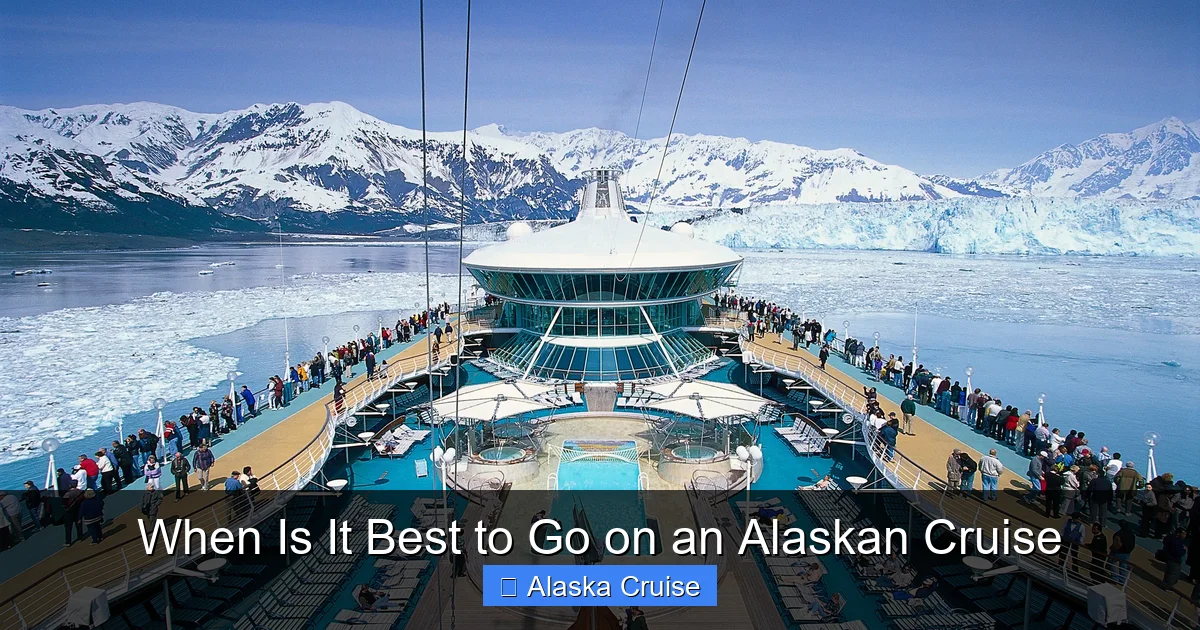
The best time to go on an Alaskan cruise is from late May to early September, with peak season in June, July, and August. These months offer mild weather, long daylight hours, abundant wildlife, and full access to ports and excursions. Choosing the right month depends on your priorities—whether it’s avoiding crowds, spotting bears, or enjoying the midnight sun.
Dreaming of towering glaciers, breaching whales, and snow-capped peaks? An Alaskan cruise offers one of the most unforgettable travel experiences on Earth. But with a short sailing season and dramatic seasonal changes, timing is everything. So, when is it best to go on an Alaskan cruise? The answer isn’t one-size-fits-all—it depends on what you want to see, do, and experience.
Alaska’s cruise season runs from mid-May to early October, but the heart of the season is June through August. During these months, the weather is mildest, the days are longest, and wildlife is most active. Whether you’re hoping to kayak beside a calving glacier, hike through lush temperate rainforests, or spot a grizzly bear fishing for salmon, summer offers the best overall conditions. However, traveling during the shoulder months—May and September—can reward you with fewer crowds, lower prices, and unique seasonal beauty.
In this guide, we’ll break down the pros and cons of each month, help you match your travel style to the right time of year, and give you insider tips to make the most of your Alaskan adventure. Whether you’re a first-time cruiser or a seasoned explorer, knowing when to go can make all the difference.
Key Takeaways
- Peak Season (June–August): Ideal for warm weather, full itinerary access, and peak wildlife activity, but expect larger crowds and higher prices.
- Shoulder Seasons (May & September): Offer fewer tourists, lower prices, and unique experiences like spring blooms or fall colors, with slightly cooler temperatures.
- Wildlife Viewing: Bears are most active in July and August, while whales are commonly seen from May through September.
- Weather & Daylight: Summer months provide up to 18–20 hours of daylight, making sightseeing easier and more enjoyable.
- Port Accessibility: Some remote ports and glaciers are only accessible during the summer due to ice conditions.
- Budget Considerations: Cruises in May and September often cost 20–30% less than peak summer months.
- Packing Tips: Layered clothing is essential year-round, as temperatures can vary widely even in summer.
📑 Table of Contents
Understanding Alaska’s Cruise Season
Alaska’s cruise season is relatively short compared to tropical destinations, typically running from mid-May to early October. This window is determined by weather, ice conditions, and the operational schedules of cruise lines and tour operators. Most major cruise lines—including Holland America, Princess, Royal Caribbean, and Norwegian—begin their Alaska itineraries in late May and wrap up by early October.
The season is divided into three main periods: the early shoulder season (May), the peak summer months (June, July, August), and the late shoulder season (September). Each offers a distinct experience, and understanding these differences is key to choosing the best time for your trip.
During the early season, many ports are just opening up after the long winter. Ice may still be present in certain areas, especially in the northern regions like Glacier Bay. However, this time of year offers a sense of discovery—fewer tourists, blooming wildflowers, and animals emerging from hibernation. As summer progresses, the landscape transforms. Days grow longer, temperatures rise, and wildlife becomes more active. July and August are the busiest months, with nearly all excursions and ports fully operational.
By September, the crowds begin to thin, the air turns crisp, and the fall colors start to paint the landscape. Some cruise lines offer “last chance” sailings in early October, but these are less common and may have limited itinerary options. Overall, the core season from June to August remains the most popular—and for good reason.
Best Time for Weather and Comfort
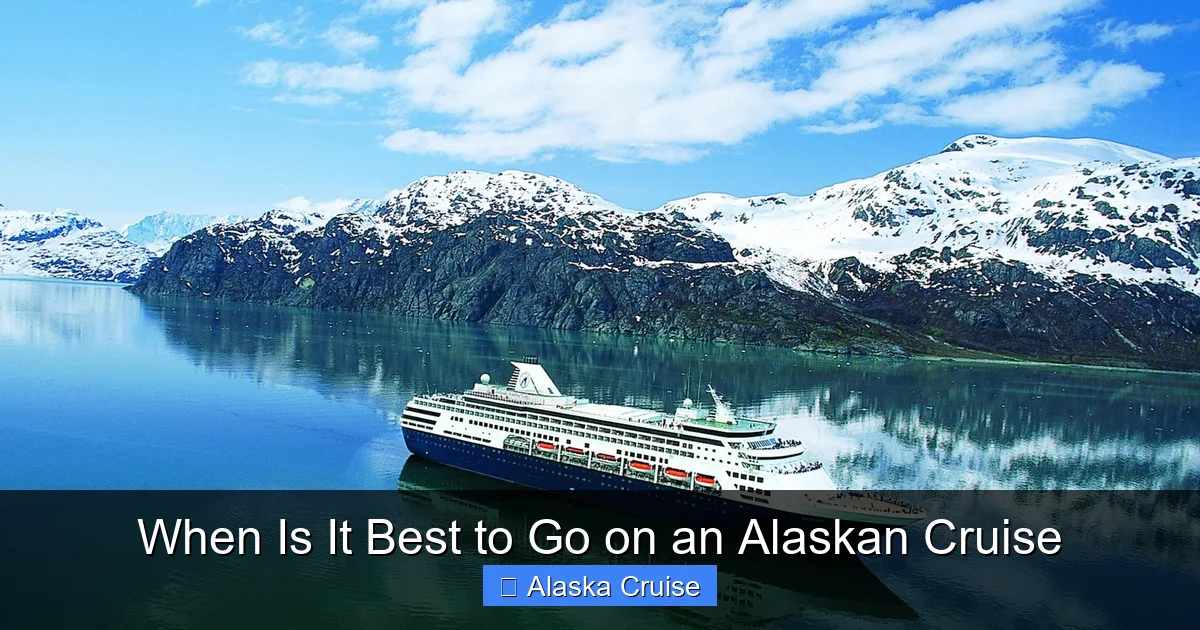
Visual guide about When Is It Best to Go on an Alaskan Cruise
Image source: alaskatours.com
When planning an Alaskan cruise, weather is one of the most important factors to consider. Unlike tropical cruises where sunshine is almost guaranteed, Alaska’s climate can be unpredictable—even in summer. That said, the summer months offer the most comfortable conditions for cruising and exploring.
Temperatures in Alaska during the cruise season typically range from 50°F to 70°F (10°C to 21°C), though it can feel cooler on the water or in shaded areas. Coastal regions like Juneau, Ketchikan, and Skagway tend to be milder, while inland areas such as Denali can be warmer during the day but cooler at night. Rain is common, especially in the southeast (the “Inside Passage”), so packing a waterproof jacket is essential.
June, July, and August are the warmest and driest months, making them ideal for outdoor activities. July is often considered the peak of comfort, with average highs around 65°F (18°C) and long daylight hours. The sun rises as early as 4:30 a.m. and sets around 10:30 p.m. in June and July, giving you nearly 18 hours of daylight to explore. This extended daylight is a huge advantage—you can enjoy evening wildlife tours, late-night glacier viewing, or even a midnight hike without missing a thing.
In contrast, May and September are cooler, with average temperatures ranging from 45°F to 60°F (7°C to 15°C). While still pleasant for cruising, you may need heavier layers, especially in the mornings and evenings. Rain is more likely in May, and September can bring earlier sunsets and cooler breezes. However, these months offer a trade-off: fewer crowds and a more intimate experience.
One thing to keep in mind is that Alaska’s weather can change quickly. A sunny morning in Ketchikan can turn into a misty afternoon in Tracy Arm Fjord. That’s why dressing in layers is crucial. A base layer, insulating mid-layer, and waterproof outer shell will keep you comfortable no matter what the day brings.
Wildlife Viewing: When to See Alaska’s Iconic Animals
One of the biggest draws of an Alaskan cruise is the chance to see incredible wildlife in their natural habitat. From humpback whales to brown bears, the state is a haven for animal lovers. But timing your trip correctly can dramatically improve your chances of spotting these majestic creatures.
Whales and Marine Life
Whale watching is a highlight for many cruisers, and the good news is that several species are commonly seen throughout the cruise season. Humpback whales, orcas (killer whales), and gray whales migrate through Alaskan waters from May to September. May and June are excellent months to see gray whales as they travel north along the coast. Humpbacks arrive in larger numbers by July and stay through August, feeding in nutrient-rich waters.
One of the best places to see whales is in Icy Strait Point near Hoonah, where whale-watching tours are a major attraction. Glacier Bay and the waters around Juneau are also prime spots. If seeing whales is a top priority, aim for a cruise in July or August when sightings are most frequent.
Sea otters, sea lions, and porpoises are also commonly spotted from the ship or during shore excursions. Puffins, with their colorful beaks and comical expressions, nest along coastal cliffs from May to August. Look for them on guided tours to places like St. Lazaria Island near Sitka.
Bears and Land Wildlife
For many travelers, seeing a brown bear in the wild is a once-in-a-lifetime experience. Alaska is home to both coastal brown bears (often called grizzlies) and black bears, with the highest concentrations found in areas like Katmai National Park and Admiralty Island.
The best time to see bears is during the salmon runs, which peak in July and August. As salmon swim upstream to spawn, bears gather along rivers and streams to feed. Popular bear-viewing destinations include Brooks Falls in Katmai and Pack Creek on Admiralty Island. Many cruise lines offer excursions that include bear-watching flights or guided tours to these remote locations.
In May and June, bears are still emerging from hibernation and may be harder to spot, though you might see them foraging in coastal areas. By September, some bears are still active, but the salmon runs are winding down, and the animals begin preparing for winter.
Other land animals you might encounter include moose, mountain goats, and Dall sheep. Moose are often seen near wetlands and lakes, especially in the early morning or evening. Mountain goats and sheep are typically spotted in rocky, high-altitude areas like the Chilkat Mountains near Haines.
Birdwatching and Seasonal Migrations
Alaska is a birdwatcher’s paradise, with over 400 species recorded in the state. The summer months bring an explosion of bird activity as migratory species return to nest and raise their young. Bald eagles are everywhere—perched on trees, soaring over fjords, and diving for fish. In fact, Alaska has the largest population of bald eagles in the United States.
Puffins, murres, and kittiwakes nest on coastal cliffs from May to August. Guided birding tours are available in places like Ketchikan and Sitka, where you can explore old-growth forests and rocky shorelines. September marks the beginning of migration for many species, so you might see large flocks of geese and ducks heading south.
Glacier Viewing and Ice Conditions
No Alaskan cruise is complete without seeing a glacier up close. These massive rivers of ice are not only awe-inspiring but also play a crucial role in the region’s ecosystem. However, glacier visibility and accessibility depend heavily on the time of year.
When Glaciers Are Most Active
Glaciers are dynamic, constantly moving and calving—breaking off into the water. The best time to witness calving is during the warmer months when meltwater lubricates the glacier’s base, increasing movement. July and August are peak months for glacier activity, especially in popular spots like Hubbard Glacier, Mendenhall Glacier, and Glacier Bay.
Hubbard Glacier, one of the largest in North America, is a highlight on many cruise itineraries. Ships often sail close to the glacier’s face, giving passengers a front-row seat to the thunderous crash of ice falling into the sea. This spectacle is most dramatic in summer when the glacier is most active.
Mendenhall Glacier, located just outside Juneau, is easily accessible and offers hiking trails and viewing platforms. While it’s retreating due to climate change, it remains a stunning sight. Visiting in July or August gives you the best chance to see it in full glory.
Ice Conditions and Navigation
Ice can affect cruise routes, especially in the northern regions. In May, some areas like Glacier Bay may still have ice floes, which can limit how close ships can get to certain glaciers. By June, most ice has melted, and ships can navigate freely.
September brings cooler temperatures, and while major glaciers remain accessible, there’s a higher chance of ice forming in sheltered bays. Some cruise lines may adjust itineraries slightly in early October due to ice, but this is rare.
One of the most dramatic ice experiences is sailing through Tracy Arm Fjord, a narrow, glacier-carved channel near Juneau. Here, you might see icebergs floating in the water and hear the eerie sound of dripping meltwater. This area is best visited in summer when the water is clear of ice and the fjord is fully navigable.
Crowds, Prices, and Availability
If you’re looking to avoid crowds and save money, timing your Alaskan cruise during the shoulder seasons can be a smart move. While June, July, and August offer the best weather and wildlife, they also come with peak demand—and peak prices.
Peak Season: June to August
These three months are the busiest for Alaskan cruises. Ships are often fully booked months in advance, and popular excursions—like whale watching, dog sledding on a glacier, or flightseeing over Denali—can sell out quickly. Ports like Skagway and Juneau can feel crowded, especially on days when multiple ships are in port.
Prices are at their highest during this time, with cruise fares often 20–30% more than in May or September. However, you’re paying for optimal conditions: warm weather, full access to all ports and tours, and the best chances of seeing wildlife and glaciers.
If you’re set on traveling during peak season, book your cruise at least 6–12 months in advance. Early booking not only secures your spot but often comes with perks like onboard credit or free upgrades.
Shoulder Seasons: May and September
Traveling in May or September offers significant advantages. Crowds are thinner, prices are lower, and you’ll have a more relaxed experience. May is especially quiet, with many travelers still in school or waiting for summer vacation. September sees a drop in visitors after Labor Day, making it a great time for a peaceful cruise.
Cruise fares in these months can be 20–30% cheaper than peak season. You’ll also have better availability for cabins and excursions. However, be aware that some tours may have reduced schedules or limited availability, especially in early May or late September.
One unique benefit of September is the fall colors. As the leaves change, the landscape transforms into a palette of gold, red, and orange—especially in inland areas like Haines and Skagway. It’s a photographer’s dream and a quieter alternative to the summer rush.
Packing Tips and What to Expect
Packing for an Alaskan cruise requires preparation. The weather can be unpredictable, and you’ll be spending time both on the ship and exploring rugged terrain. Here are some essential tips to help you pack smart.
Layering Is Key
The golden rule for Alaska is to dress in layers. Mornings and evenings can be chilly, even in summer, while afternoons may be warm and sunny. Start with a moisture-wicking base layer, add a fleece or sweater for insulation, and top it off with a waterproof and windproof jacket.
Don’t forget a warm hat, gloves, and a scarf—especially if you plan to visit glaciers or take a zodiac tour. Even in July, it can feel cold on the water.
Footwear Matters
Comfortable, waterproof shoes are a must. You’ll be walking on docks, hiking trails, and possibly muddy paths. Hiking boots or sturdy walking shoes with good grip are ideal. Bring a pair of casual shoes for evenings on the ship.
Essential Gear
- Binoculars: Essential for spotting wildlife from a distance.
- Camera with zoom lens: Capture whales, bears, and glaciers up close.
- Reusable water bottle: Stay hydrated during excursions.
- Sunscreen and sunglasses: The sun can be strong, even on cloudy days.
- Daypack: For carrying essentials during shore tours.
What to Expect Onboard
Cruise ships in Alaska are well-equipped for the climate and offer a range of activities. Many have heated pools, hot tubs, and indoor lounges with panoramic views. Evening entertainment often includes lectures on Alaskan history, wildlife, and geology—great for learning more about what you’re seeing.
Dining options vary by cruise line, but most offer fresh, locally sourced seafood like salmon and halibut. Some ships even host cooking demonstrations or Alaska-themed menus.
Conclusion: Choosing the Right Time for You
So, when is it best to go on an Alaskan cruise? The answer depends on your priorities. If you want the best weather, full access to all ports and excursions, and the highest chances of seeing wildlife and glaciers, then June, July, or August is your best bet. These months offer the full Alaska experience—long days, mild temperatures, and vibrant activity.
However, if you prefer fewer crowds, lower prices, and a more intimate journey, consider traveling in May or September. May offers spring blooms and emerging wildlife, while September brings fall colors and a peaceful atmosphere. Both shoulder seasons provide excellent value and unique seasonal beauty.
Ultimately, there’s no “wrong” time to cruise Alaska—just different experiences. Whether you’re chasing the midnight sun, hoping to spot a bear, or simply want to marvel at towering ice walls, Alaska will leave you in awe. With the right timing and preparation, your Alaskan cruise will be an adventure you’ll never forget.
Frequently Asked Questions
What is the best month for an Alaskan cruise?
July is often considered the best month for an Alaskan cruise due to warm weather, long daylight hours, peak wildlife activity, and full access to all ports and excursions. It offers the most balanced experience for first-time visitors.
Can you see glaciers in May?
Yes, you can see glaciers in May, but ice conditions may limit how close ships can get to some glaciers like Hubbard or in Glacier Bay. By June, most ice has melted, improving access and viewing opportunities.
Are Alaskan cruises crowded in September?
No, September is part of the shoulder season, so cruises are significantly less crowded than in summer. You’ll enjoy a more relaxed experience with fewer tourists at ports and on excursions.
What should I pack for an Alaskan cruise?
Pack layered clothing, a waterproof jacket, sturdy walking shoes, binoculars, a camera, sunscreen, and a daypack. Even in summer, temperatures can vary, so preparation is key.
Can you see the northern lights on an Alaskan cruise?
It’s unlikely. The northern lights (aurora borealis) are best seen in winter months with long, dark nights. Cruise season runs in summer when there’s nearly 20 hours of daylight, making aurora sightings rare.
Do I need to book excursions in advance?
Yes, especially during peak season. Popular tours like whale watching, bear viewing, and flightseeing often sell out months in advance. Booking early ensures you get your preferred activities.