
The best time to cruise Alaska is from late May to early September, with peak season in June, July, and August offering the warmest weather, longest days, and best wildlife viewing. However, shoulder months like May and September provide fewer crowds, lower prices, and unique seasonal experiences like spring blooms or fall colors.
Key Takeaways
- Peak Season (June–August): Offers the most reliable weather, full access to ports and excursions, and prime wildlife viewing—ideal for first-time cruisers.
- Shoulder Seasons (May & September): Feature fewer crowds, lower prices, and unique seasonal beauty, though some attractions may have limited hours.
- Weather Varies Greatly: Summer temperatures range from 50°F to 70°F, but rain is common—pack layers and waterproof gear.
- Wildlife Viewing Peaks in Summer: Bears, whales, seals, and puffins are most active between June and August.
- Northern Lights Are Rare on Cruises: Aurora sightings are unlikely due to summer’s nearly 24-hour daylight; consider a post-cruise land tour in winter for this experience.
- Shore Excursions Fill Fast: Book popular tours like glacier hikes or dog sledding early, especially during peak months.
- Choose Your Cruise Line Wisely: Different lines cater to various interests—family-friendly, luxury, adventure, or small-ship exploration.
📑 Table of Contents
- When Is Best to Cruise Alaska? A Complete Guide to Timing Your Perfect Trip
- Understanding Alaska’s Cruise Season: Why Timing Matters
- May: The Start of the Season – Fresh, Quiet, and Full of Promise
- June: The Sweet Spot for Weather and Wildlife
- July: Peak Season – Bustling, Beautiful, and Full of Energy
- August: Still Summer, But with a Hint of Change
- September: The Quiet Farewell – Crisp Air and Golden Light
- How to Choose the Best Time for Your Alaska Cruise
- Final Tips for Planning Your Alaska Cruise
- Conclusion: There’s No Wrong Time—Just the Right Time for You
When Is Best to Cruise Alaska? A Complete Guide to Timing Your Perfect Trip
So, you’re dreaming of cruising Alaska—crystal-clear fjords, towering glaciers calving into icy waters, and bald eagles soaring above snow-capped peaks. It’s no surprise that Alaska cruises rank among the most sought-after travel experiences in the world. But here’s the big question: *When is the best time to cruise Alaska?*
The answer isn’t one-size-fits-all. It depends on what you want from your trip—whether it’s spotting humpback whales, hiking through wildflower meadows, avoiding crowds, or snagging a great deal. Alaska’s cruise season is short, running roughly from May to September, but each month offers a unique flavor of the Last Frontier. From the first thaw of spring to the crisp air of early fall, your experience will vary dramatically based on timing.
In this guide, we’ll break down the pros and cons of each month, help you understand Alaska’s weather patterns, and give you practical tips to plan the Alaskan cruise that fits your style, budget, and travel goals. Whether you’re a first-time cruiser or a seasoned adventurer, knowing when to go can make all the difference.
Understanding Alaska’s Cruise Season: Why Timing Matters
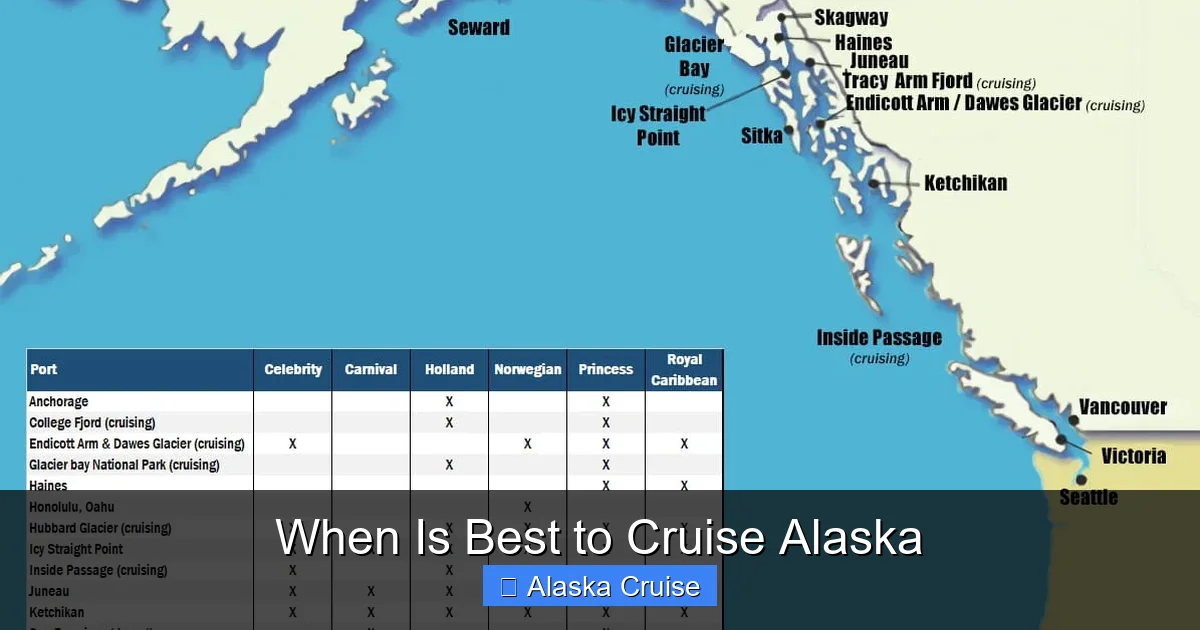
Visual guide about When Is Best to Cruise Alaska
Image source: cruisespotlight.com
Alaska’s cruise season is tightly bound to its climate. The state’s long, harsh winters make most ports inaccessible from October through April, so cruise lines operate on a strict summer schedule. The season typically kicks off in early May and wraps up by late September. That gives you about five months to explore the coastline, but not all months are created equal.
Why does timing matter so much? Because Alaska is a land of extremes. In summer, the sun barely sets—June and July see nearly 24 hours of daylight in northern regions. That means more time for sightseeing, hiking, and wildlife watching. But it also means peak tourist season, with higher prices and busier ports.
On the flip side, cruising in May or September offers a quieter, more intimate experience. You’ll share the scenery with fewer people, enjoy lower cruise fares, and witness seasonal transitions—like the blooming of wildflowers in spring or the golden hues of fall in the Tongass National Forest. However, you may face cooler temperatures, more rain, and limited access to certain excursions.
Understanding these trade-offs is key. Let’s dive into each month to help you decide when the best time to cruise Alaska truly is for *you*.
May: The Start of the Season – Fresh, Quiet, and Full of Promise
Weather and Daylight in May
May marks the beginning of Alaska’s cruise season, and it’s a time of renewal. Temperatures are slowly climbing, averaging between 40°F and 60°F (4°C to 15°C) in coastal areas like Juneau, Ketchikan, and Skagway. Snow is still present in higher elevations, but lower valleys are greening up, and wildflowers are beginning to bloom.
Daylight increases rapidly in May. By the end of the month, you’ll enjoy up to 17 hours of daylight in southern Alaska—plenty of time to explore. However, don’t expect the midnight sun just yet; that’s more of a June and July phenomenon.
Pros of Cruising in May
One of the biggest advantages of a May cruise is the lack of crowds. Most schools are still in session, and summer vacations haven’t begun, so ports are far less busy. You’ll have a more peaceful experience at popular stops like Glacier Bay National Park or the Mendenhall Glacier.
Wildlife is also starting to become active. Bears are emerging from hibernation, and migratory birds are returning. Whale season is just beginning—humpbacks and orcas start arriving in May, though sightings aren’t as frequent as in summer.
Another perk? Lower prices. Cruise lines often offer early-season discounts to fill ships. You might find cabins at 20–30% off peak rates, making May a budget-friendly option.
Cons and Considerations
The downside? Some attractions and tours may not be fully operational. For example, helicopter tours to glaciers or dog sledding on ice fields might be limited due to lingering snow and ice. Shore excursions can be weather-dependent, and rain is common—May is one of the wetter months in Southeast Alaska.
Also, not all cruise lines begin sailing in May. Major operators like Holland America and Princess typically start in mid-to-late May, while smaller expedition ships may launch earlier. Be sure to check your cruise line’s schedule.
Who Should Cruise in May?
May is ideal for travelers who prioritize value, tranquility, and the beauty of spring awakening. If you don’t mind cooler weather and a few rainy days, and you’re flexible with excursion availability, May offers a magical, uncrowded introduction to Alaska.
June: The Sweet Spot for Weather and Wildlife
Ideal Conditions for Sightseeing
June is widely considered one of the best times to cruise Alaska. The weather is mild and stable, with average temperatures ranging from 50°F to 65°F (10°C to 18°C). Rainfall decreases compared to May, and the landscape is lush and green.
Daylight is abundant—up to 18 hours in Juneau by mid-month. This extended daylight allows for longer shore excursions, evening wildlife cruises, and even midnight kayaking under the soft glow of the sun.
Peak Wildlife Viewing
June is prime time for wildlife. Humpback whales are now in full force, feeding in the nutrient-rich waters of the Inside Passage. Orcas, sea lions, and harbor seals are commonly spotted. On land, brown bears are active along riverbanks, especially in areas like Pack Creek on Admiralty Island, where they gather to catch salmon.
Birdwatchers will love June—puffins, bald eagles, and marbled murrelets are all nesting and visible. Glacier Bay and Tracy Arm Fjord are especially stunning this time of year, with calving glaciers and icebergs dotting the waters.
Excursions and Activities
Most tours and attractions are fully operational in June. Helicopter glacier landings, whale-watching cruises, and rail journeys on the White Pass & Yukon Route are all running at full capacity. National parks like Glacier Bay and Kenai Fjords are accessible and vibrant.
Drawbacks of June
The main downside? It’s getting busy. While not as crowded as July, June sees a significant uptick in tourists. Popular excursions can sell out weeks in advance, so booking early is essential. Prices are also higher than in May, though still below peak July rates.
Who Should Cruise in June?
June is perfect for first-time cruisers who want reliable weather, excellent wildlife viewing, and full access to activities. It’s also great for families with school-aged children, as it falls just before the summer break rush.
July: Peak Season – Bustling, Beautiful, and Full of Energy
The Height of Summer in Alaska
July is the heart of Alaska’s cruise season—and for good reason. It’s the warmest month, with temperatures often reaching 60°F to 70°F (15°C to 21°C) in coastal cities. The days are long, the skies are often clear, and the energy is electric.
This is when Alaska truly comes alive. Flowers are in full bloom, rivers are rushing with snowmelt, and wildlife is at its most active. It’s also the busiest month for tourism, so expect bustling ports and full ships.
Wildlife and Natural Wonders
July is the ultimate month for wildlife enthusiasts. Humpback whales are everywhere, often breaching close to ships. Orcas patrol the waters, and sea otters float on their backs in kelp beds. On land, bears are frequently seen fishing for salmon in rivers like the Chilkat or along the shores of Kluane National Park.
Glaciers are also at their most dramatic. The combination of warm weather and long days means more calving activity—watching a chunk of ice the size of a house crash into the sea is a once-in-a-lifetime experience.
Excursions and Events
Every tour operator is in full swing. Dog sledding on glacier ice, flightseeing over Denali, and kayaking among icebergs are all available. Cultural experiences, like visiting Tlingit villages in Ketchikan or attending a traditional dance performance in Hoonah, are also popular.
July also hosts several local festivals, such as the Alaska State Fair in Palmer (late August, but preparations begin in July) and the Sitka Summer Music Festival. These events add a festive touch to your port visits.
Challenges of July Cruises
The biggest challenge? Crowds. Popular ports like Skagway and Juneau can feel packed, especially on days when multiple ships dock. Shore excursions book out quickly—some sell out months in advance. Prices are at their highest, and cabin availability may be limited.
Weather, while generally good, can still be unpredictable. Afternoon thunderstorms are possible, and fog can occasionally delay glacier viewing.
Who Should Cruise in July?
July is ideal for travelers who want the full Alaskan experience—great weather, abundant wildlife, and a lively atmosphere. It’s also a top choice for families, honeymooners, and those celebrating special occasions. Just be prepared to plan ahead and pay a premium.
August: Still Summer, But with a Hint of Change
Weather and Daylight in August
August continues to offer excellent cruising conditions. Temperatures remain mild, averaging 55°F to 68°F (13°C to 20°C), and daylight is still generous—around 16 hours by late August. The landscape is still green, though you may start to see the first hints of fall color in the higher elevations.
Wildlife and Glacier Activity
Wildlife remains abundant in August. Whales are still active, and bear sightings are common, especially in areas where salmon runs are peaking. Glaciers continue to calve, and the waterways are filled with icebergs—perfect for photography.
One unique advantage of August? The salmon runs are in full swing. You might see bears fishing at Brooks Falls in Katmai National Park (accessible via flightseeing tours) or witness the annual salmon bake in Haines.
Fewer Crowds, Better Availability
While August is still part of peak season, it’s slightly less crowded than July. Many families have returned from summer vacations, and some cruise lines begin offering late-summer discounts. This can mean better cabin availability and slightly lower prices.
Shore excursions are still widely available, though popular ones like helicopter tours and whale-watching should still be booked early.
Considerations for August
The main downside? The season is winding down. Some smaller tour operators may begin reducing hours or closing by late August. Weather can also become more variable, with increased chances of rain and cooler temperatures as the month progresses.
Who Should Cruise in August?
August is a great compromise between peak-season benefits and slightly quieter conditions. It’s ideal for travelers who want great weather and wildlife but prefer to avoid the July rush. It’s also a smart choice for those booking later in the season.
September: The Quiet Farewell – Crisp Air and Golden Light
Weather and Seasonal Shifts
September marks the end of the cruise season, and with it comes a shift in mood. Temperatures cool to 45°F to 60°F (7°C to 15°C), and daylight shortens rapidly—down to about 13 hours by late September. The first frost may appear, and rain becomes more frequent.
But September has its own magic. The Tongass National Forest begins to transform, with yellow and gold leaves painting the landscape. The light takes on a soft, golden hue—perfect for photography.
Pros of a September Cruise
One of the biggest draws? Peace and quiet. Most tourists have left, and ports feel serene. You’ll have more space on excursions and a more personal experience with locals.
Wildlife is still active. Bears are preparing for hibernation and can be seen feeding heavily along rivers. Whales may still be present, especially in early September. And if you’re lucky, you might spot the first signs of the northern lights—though sightings are rare due to lingering daylight.
Prices drop significantly in September. Cruise lines often offer end-of-season deals, with discounts of 20–40% off peak rates. Cabin upgrades are more common, and last-minute bookings can yield great value.
Limitations in September
The trade-off? Some attractions begin to close. Helicopter tours, dog sledding, and certain national park services may reduce operations or shut down entirely by mid-September. Weather can be unpredictable, with more rain and wind.
Also, not all cruise lines sail in September. Major lines like Norwegian and Royal Caribbean typically end their Alaska season in early September, while others like Holland America and small expedition ships may continue into mid-month.
Who Should Cruise in September?
September is perfect for travelers seeking solitude, value, and the beauty of seasonal change. It’s ideal for photographers, nature lovers, and those who prefer a more relaxed pace. If you don’t mind cooler weather and potential rain, September offers a peaceful and affordable way to experience Alaska.
How to Choose the Best Time for Your Alaska Cruise
Now that you know what each month offers, how do you decide? Here are a few questions to help guide your choice:
- What’s your priority? If wildlife and weather are top concerns, aim for June or July. If you want value and fewer crowds, consider May or September.
- Are you traveling with kids? Families often prefer June or July to align with school breaks, but May and September can be great for avoiding crowds.
- What’s your budget? Shoulder months offer the best deals. Peak season means premium prices.
- Do you have flexible dates? If so, you can take advantage of last-minute deals or repositioning cruises that offer deep discounts.
- What kind of experience do you want? Adventure seekers might prefer June for full excursion access, while photographers may love September’s golden light.
Final Tips for Planning Your Alaska Cruise
No matter when you go, a few smart planning tips can enhance your experience:
- Book early: Popular cruises and excursions sell out months in advance, especially in peak season.
- Pack layers: Alaska’s weather changes quickly. Bring waterproof jackets, warm layers, and sturdy footwear.
- Choose the right ship: Larger ships offer more amenities, while smaller expedition vessels provide closer access to wildlife and glaciers.
- Consider a land tour: Many cruisers combine their voyage with a pre- or post-cruise land tour to Denali or Fairbanks for a fuller Alaskan experience.
- Check visa and passport requirements: Most Alaska cruises visit Canadian ports like Vancouver or Victoria, so ensure your documents are in order.
Conclusion: There’s No Wrong Time—Just the Right Time for You
So, when is the best time to cruise Alaska? The truth is, there’s no single answer. Each month offers something unique—whether it’s the quiet beauty of spring, the vibrant energy of summer, or the golden calm of fall.
For most travelers, **June and July** deliver the ideal balance of weather, wildlife, and activities. But if you’re looking for value, solitude, or a different kind of Alaskan magic, **May or September** might be your perfect match.
Ultimately, the best time to cruise Alaska is the time that aligns with your travel style, budget, and dreams. With careful planning and a sense of adventure, your Alaskan cruise will be an unforgettable journey through one of the world’s last great wildernesses.
Frequently Asked Questions
What is the cheapest time to cruise Alaska?
The cheapest time to cruise Alaska is during the shoulder seasons—May and September. Cruise lines often offer significant discounts during these months to attract travelers, with savings of 20–40% compared to peak summer rates.
Can you see the northern lights on an Alaska cruise?
It’s very unlikely. The northern lights are rarely visible during the cruise season (May–September) due to nearly 24-hour daylight in summer. For aurora viewing, consider a winter land tour in places like Fairbanks or Anchorage.
Is it cold on an Alaska cruise?
Not typically. Summer temperatures range from 50°F to 70°F, but it can feel cooler on the water or in shaded areas. Rain is common, so pack layers and waterproof clothing for comfort.
Do I need a passport for an Alaska cruise?
It depends. If your cruise visits Canadian ports (like Vancouver or Victoria), a passport is required. Closed-loop cruises (departing and returning to the same U.S. port) may only require a passport card or REAL ID, but a passport is strongly recommended.
What wildlife can I see on an Alaska cruise?
You can see humpback whales, orcas, sea lions, harbor seals, brown and black bears, bald eagles, puffins, and more. Wildlife viewing peaks in June, July, and August when animals are most active.
Are shore excursions worth it?
Yes—shore excursions offer unique experiences like glacier hikes, whale-watching tours, dog sledding, and cultural visits. They can be pricey, so book early and prioritize the ones that matter most to you.