
The best time of year to cruise Alaska is from late May to early September, with peak season in June, July, and August offering warm weather, long daylight hours, and abundant wildlife. However, shoulder months like May and September provide fewer crowds, lower prices, and unique seasonal experiences, making them ideal for budget-conscious travelers seeking a more intimate journey.
Planning a cruise to Alaska is an exciting adventure—crystal-clear fjords, towering glaciers, snow-capped mountains, and abundant wildlife make it one of the most breathtaking destinations on Earth. But with a cruising season that spans just five months, choosing the right time to go can make or break your experience. So, when is the best time of year to cruise Alaska?
The answer isn’t one-size-fits-all. It depends on what you value most: warm weather and long days, fewer crowds and lower prices, or the chance to see specific wildlife like humpback whales or brown bears. Alaska’s short but intense summer season—from mid-May to mid-September—offers a narrow window of opportunity, and each month brings its own unique charm and challenges.
Whether you’re a first-time cruiser or a seasoned traveler, understanding the seasonal rhythms of Alaska will help you pick the perfect time for your voyage. From the midnight sun of June to the crisp autumn air of September, every month paints the Last Frontier in a different light. In this guide, we’ll break down the pros and cons of each month, highlight key experiences, and give you practical tips to help you decide when to set sail.
Key Takeaways
- Peak Season (June–August): Offers the warmest weather, longest days, and best wildlife viewing, but also the highest prices and largest crowds.
- Shoulder Seasons (May & September): Feature fewer tourists, lower cruise fares, and unique seasonal highlights like spring blooms or fall colors.
- Wildlife Viewing Varies by Month: Whale migrations peak in July, while bears are most active in August and September near salmon runs.
- Daylight Hours Dramatically Change: Expect up to 19 hours of daylight in June, ideal for sightseeing, but near-constant twilight in May and September.
- Weather Fluctuates Widely: Summer temperatures range from 50°F to 70°F, but rain and cool winds are common—pack layers regardless of when you go.
- Port Availability and Activities Depend on Timing: Some remote ports and excursions (like glacier hikes) may not operate in early May or late September.
- Booking Strategy Matters: Book early for peak season; consider last-minute deals in shoulder months for significant savings.
📑 Table of Contents
Understanding Alaska’s Cruise Season
Alaska’s cruise season is short—typically running from mid-May to mid-September—due to the state’s harsh winter climate. Most major cruise lines, including Holland America, Princess, Royal Caribbean, and Norwegian, operate during this window, with the majority of sailings concentrated between June and August. This five-month period is when the weather is mildest, ports are accessible, and wildlife is most active.
The season begins in May, as ice melts and daylight increases, and ends in September, when temperatures begin to drop and some remote communities prepare for winter. While the core season is brief, it’s packed with natural wonders. However, because demand is high, especially during peak summer months, planning ahead is essential.
One of the biggest factors influencing your experience is daylight. In June, you’ll enjoy up to 19 hours of sunlight, giving you plenty of time to explore ports, take excursions, and soak in the scenery. By contrast, May and September offer slightly shorter days, but still far more daylight than most travelers expect. This extended daylight is a major perk of cruising Alaska—no need to rush your sightseeing!
Another key consideration is port accessibility. Some smaller ports, like Haines or Skagway, may have limited services or excursions in early May or late September. Similarly, glacier-viewing opportunities can vary depending on ice conditions and weather. For example, the famous Hubbard Glacier may be more accessible in July and August, while earlier or later in the season, it might be partially blocked by ice.
Peak Season: June, July, and August
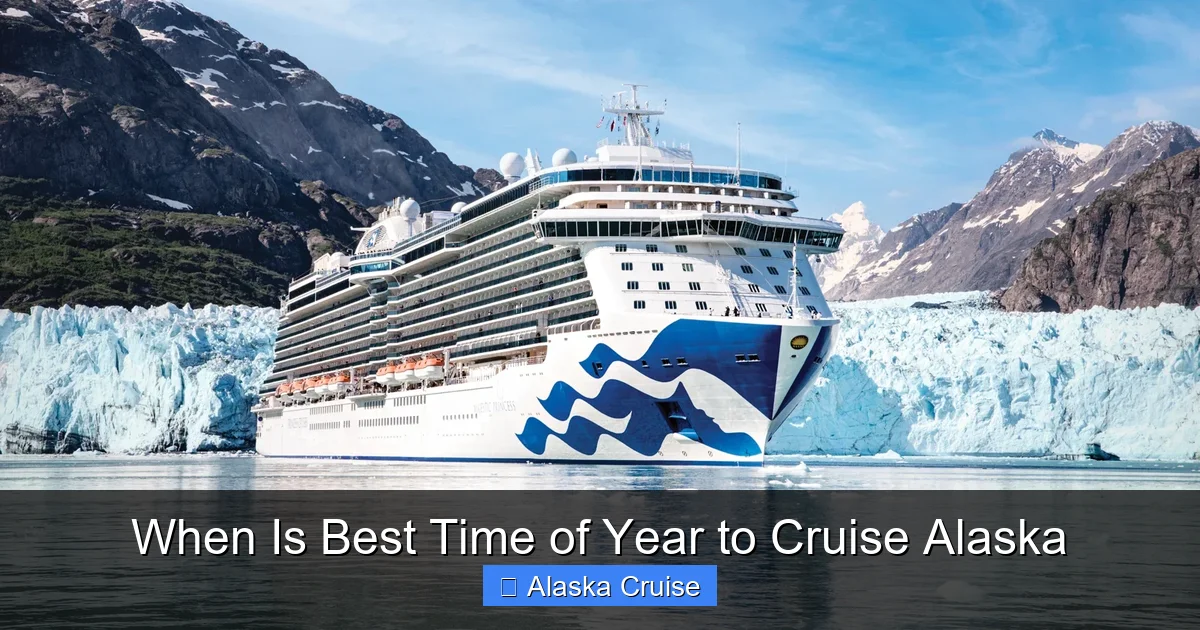
Visual guide about When Is Best Time of Year to Cruise Alaska
Image source: thepointsguy.global.ssl.fastly.net
If you’re looking for the most reliable weather, the widest range of activities, and the best chance to see wildlife, the peak season from June to August is your best bet. These three months are the heart of Alaska’s summer, and for good reason.
Weather and Daylight
During peak season, temperatures in coastal Alaska typically range from 50°F to 70°F (10°C to 21°C), though it can feel cooler with wind or rain. Rain is common, especially in southeastern ports like Ketchikan and Juneau, so packing a waterproof jacket is a must. That said, summer is the driest time of year, and you’re more likely to enjoy clear skies and calm seas.
Daylight is another major advantage. In June, the sun rises around 4:30 a.m. and sets after 10:00 p.m. in places like Anchorage and Juneau. This means you can take a morning whale-watching tour, explore a historic gold rush town in the afternoon, and still have time for dinner with a view of the sunset—all in one day. The extended daylight also allows cruise ships to schedule more port time and offer evening excursions.
Wildlife Viewing
Peak season is prime time for wildlife. Humpback whales migrate to Alaskan waters in large numbers during July and August, making whale-watching one of the most popular excursions. You might spot them breaching near Juneau or feeding in the nutrient-rich waters around Icy Strait Point.
Sea lions, otters, and porpoises are commonly seen along the coast, while bald eagles soar above the treetops. On land, brown bears are active in places like Katmai National Park and Admiralty Island, especially in August when salmon begin their upstream runs. If you’re hoping to see bears fishing for salmon, late July through September is ideal.
Crowds and Pricing
The downside of peak season is the crowds. Popular ports like Juneau, Skagway, and Ketchikan can feel bustling, especially on days when multiple ships dock. Excursions like the Mendenhall Glacier hike or the White Pass Railroad sell out quickly, so booking in advance is highly recommended.
Prices are also at their highest during these months. Cruise fares, flights, and excursions can be 20–30% more expensive than in shoulder seasons. If you’re on a budget, consider booking early—many cruise lines offer early-bird discounts—or look for promotions during less busy weeks in June or August.
Excursions and Activities
With longer days and better weather, peak season offers the full range of Alaskan experiences. Helicopter tours over glaciers, dog sledding on snowfields, and flightseeing over Denali are all widely available. You can also take a scenic train ride, visit native cultural centers, or try your hand at gold panning in Skagway.
For adventure seekers, this is the time to go. Kayaking in Tracy Arm Fjord, hiking in Tongass National Forest, or taking a zipline tour in Icy Strait Point are all popular options. Many cruise lines also offer exclusive shore excursions, such as private wildlife cruises or gourmet dining experiences with local chefs.
Shoulder Seasons: May and September
While peak season gets all the attention, the shoulder months of May and September offer a more relaxed, intimate, and often more affordable Alaskan cruise experience. These months are perfect for travelers who want to avoid crowds, enjoy lower prices, and experience Alaska in a slightly different light.
May: Spring Awakening in Alaska
May marks the beginning of the cruise season, and while it’s still early in the year, the landscape is coming alive. Snow is melting, rivers are swelling, and the first wildflowers are beginning to bloom. Daylight is increasing rapidly—by late May, you’ll have nearly 18 hours of sunlight.
Weather in May can be unpredictable. Temperatures range from 40°F to 60°F (4°C to 15°C), and rain is still common. However, you’re less likely to encounter heavy snow or ice, and the scenery is lush and green. One of the biggest advantages of cruising in May is the lack of crowds. Ports are quieter, excursions are easier to book, and you’ll have more space on the ship.
Wildlife is also beginning to emerge. Bears are active after hibernation, and you might spot them foraging along the coast. Whales are less numerous than in summer, but sightings are still possible, especially in protected bays. Birdwatchers will enjoy the return of migratory species like puffins and bald eagles.
September: Fall Colors and Final Wildlife Surges
September is a magical time to cruise Alaska. The summer crowds have thinned, the weather is still pleasant, and the landscape is painted in vibrant fall colors. As the days grow shorter, the light takes on a golden hue, perfect for photography.
Temperatures in September range from 45°F to 65°F (7°C to 18°C), and while rain is still possible, it’s generally less frequent than in summer. The biggest draw in September is wildlife. This is the peak time for bear viewing, especially in areas like Pack Creek on Admiralty Island, where brown bears gather to feed on salmon. Whale activity also remains strong, with humpbacks and orcas still present in many areas.
Another advantage of September is the lower prices. Cruise fares drop significantly compared to summer, and many lines offer last-minute deals. Flights to Seattle or Vancouver (common departure cities) are also cheaper, making it a great time for budget travelers.
However, keep in mind that some excursions and ports may have reduced hours or limited availability in late September. For example, helicopter tours may be canceled due to weather, and some remote communities may close for the season. It’s wise to check with your cruise line about what’s available during your specific sailing date.
Wildlife and Natural Phenomena by Month
One of the biggest draws of an Alaska cruise is the chance to see incredible wildlife and natural wonders. But timing matters—different species are active at different times of the year.
Whales
Humpback whales are the stars of Alaska’s marine life, and they’re most abundant from June to August. July is considered the peak month for whale-watching, with large pods often seen near Juneau, Icy Strait Point, and Glacier Bay. Orcas (killer whales) are also commonly spotted, especially in September as they follow salmon runs.
Gray whales migrate through Alaskan waters in spring and fall, so you might see them in May or September, particularly in the Inside Passage. Minke and fin whales are less common but can be seen throughout the season.
Bears
Brown bears (also called grizzlies) are most active in late summer and early fall. In August and September, they congregate near rivers to feed on spawning salmon. Popular bear-viewing spots include Pack Creek, Anan Creek, and the McNeil River Sanctuary. If seeing bears is a top priority, aim for a late summer or early fall cruise.
Black bears are more widespread and can be seen throughout the season, especially in forested areas near Ketchikan and Hoonah.
Birds and Other Wildlife
Alaska is a birdwatcher’s paradise. Puffins return to coastal cliffs in May and stay through August. Bald eagles are present year-round but are especially visible during salmon runs. Seabird colonies, like those on St. Lazaria Island near Sitka, are bustling in summer.
Marine mammals like sea otters, Steller sea lions, and harbor seals are commonly seen along the coast. On land, you might spot moose, mountain goats, or even a rare wolf, though sightings are less predictable.
Glaciers and Ice
Glacier viewing is a highlight of any Alaska cruise. The most accessible glaciers, like Mendenhall near Juneau and Hubbard near Yakutat, are visible throughout the season. However, ice conditions can vary. In May, some glaciers may still be partially frozen, while in September, calving activity can be more dramatic due to warmer temperatures.
Glacier Bay National Park, a UNESCO World Heritage Site, is a must-see. Ships typically spend a full day navigating the park, with rangers on board to provide commentary. The best views are often in July and August, when the weather is clearest.
Packing Tips for Any Time of Year
No matter when you cruise Alaska, packing smart is essential. The weather can change quickly, and layers are your best friend.
Start with a waterproof, windproof outer layer—a good rain jacket is non-negotiable. Underneath, wear moisture-wicking base layers, a fleece or sweater, and a warm hat. Even in summer, evenings can be chilly, especially on deck.
Footwear is important too. Bring sturdy, waterproof hiking boots for shore excursions and comfortable walking shoes for the ship. Don’t forget gloves, sunglasses, and sunscreen—yes, the sun can be strong, even in cool weather.
Other essentials include binoculars for wildlife viewing, a reusable water bottle, and a daypack for excursions. If you plan to hike or kayak, consider packing quick-dry clothing and a dry bag.
Choosing the Right Cruise Line and Itinerary
Different cruise lines offer varying experiences, so choose one that matches your travel style. Princess and Holland America are known for their scenic routes and educational programs, often including park rangers on board. Royal Caribbean and Norwegian offer more onboard entertainment and family-friendly activities.
Itineraries also vary. Some cruises focus on the Inside Passage (Seattle or Vancouver to Juneau, Skagway, Ketchikan), while others venture further north to Glacier Bay or even to Anchorage and Seward. Round-trip cruises from Seattle are convenient, but one-way cruises (e.g., Seattle to Vancouver) can offer more port time.
Consider the length of your cruise. Seven-day itineraries are most common, but longer 10- to 14-day cruises allow for deeper exploration, including visits to Denali National Park or remote wilderness areas.
Final Tips for a Great Alaska Cruise
– Book early for peak season: Popular sailings sell out months in advance.
– Check visa and passport requirements: Even though you’re not leaving the U.S., some ports are in Canada, so ensure your documents are in order.
– Arrive a day early: Flights to departure cities can be delayed, especially in spring or fall.
– Bring cash for tips and souvenirs: Many small vendors and tour guides prefer cash.
– Stay flexible: Weather can impact excursions, so have backup plans.
Conclusion
So, when is the best time of year to cruise Alaska? The answer depends on your priorities. For warm weather, long days, and peak wildlife, June through August is ideal. For fewer crowds, lower prices, and unique seasonal beauty, consider May or September. Each month offers something special, and no matter when you go, Alaska will leave you in awe.
With its dramatic landscapes, rich wildlife, and unforgettable experiences, an Alaska cruise is a journey of a lifetime. By understanding the seasonal rhythms and planning accordingly, you can ensure your trip is as magical as the destination itself.
Frequently Asked Questions
What is the best month to see whales in Alaska?
The best month to see whales in Alaska is July, when humpback whales are most abundant in coastal waters. August is also excellent, with active feeding and breaching behavior.
Can you see the Northern Lights on an Alaska cruise?
The Northern Lights are rarely visible during the cruise season due to extended daylight. They are more likely in late September or early October, after the season ends.
Is it cold on an Alaska cruise?
Temperatures range from 50°F to 70°F in summer, but wind and rain can make it feel cooler. Layering is key to staying comfortable.
Are there mosquitoes on an Alaska cruise?
Mosquitoes are more common in inland areas and during early summer. Coastal ports have fewer, but bringing insect repellent is still a good idea.
Do I need a passport for an Alaska cruise?
If your cruise visits Canadian ports, a passport is required. Closed-loop cruises (departing and returning to the same U.S. port) may accept other documents, but a passport is recommended.
Can you cruise Alaska in October?
Most cruise lines end their Alaska season by mid-September. A few specialty or expedition cruises may operate in early October, but options are very limited.