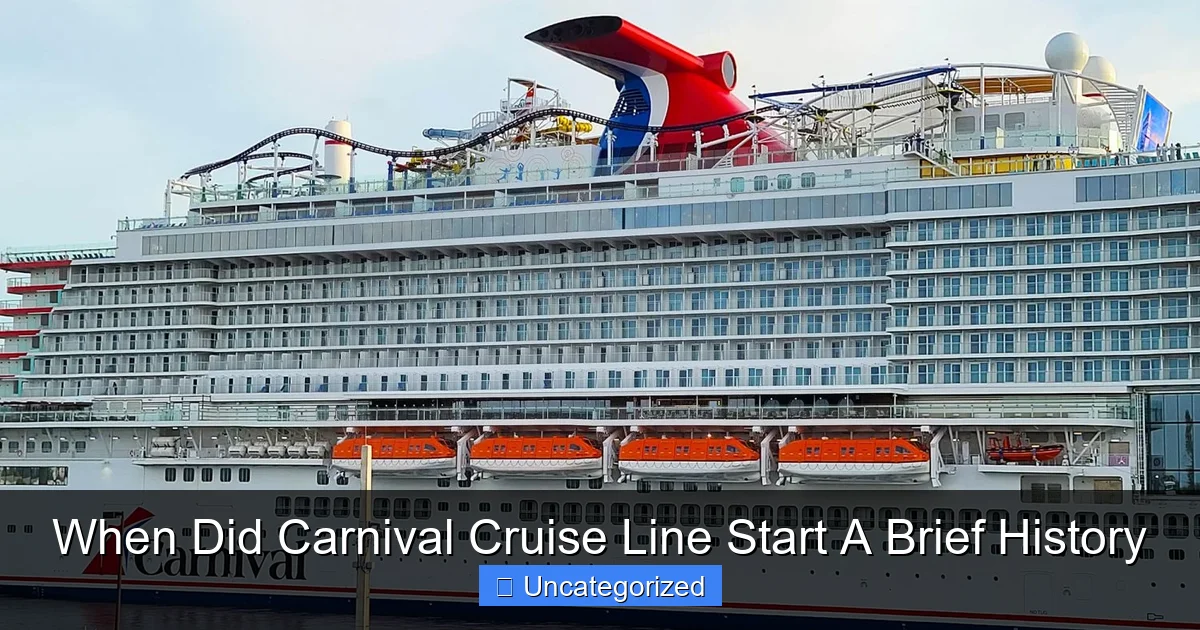
Featured image for when did carnival cruise line start
Image source: cruisefever.net
Carnival Cruise Line launched in 1972 with a single ship, the *Mardi Gras*, marking the beginning of what would become the “Fun Ship” vacation experience. Founded by Ted Arison, the brand quickly grew into the world’s largest cruise line by focusing on affordable, entertaining voyages that revolutionized modern cruising. From humble beginnings to a global fleet, Carnival’s start signaled a new era of leisure travel.
Key Takeaways
- Carnival Cruise Line began in 1972 with one ship, the TSS Mardi Gras.
- Founded by Ted Arison, it pioneered affordable, fun-focused cruising for the masses.
- Early financial struggles nearly sank the company before its turnaround in the 1980s.
- Introduced “Fun Ships” branding in 1984, reshaping modern cruise vacations.
- Became the world’s largest cruise line by the 1990s through aggressive expansion.
- Merged with P&O Princess Cruises in 2003 to form Carnival Corporation & plc.
📑 Table of Contents
- When Did Carnival Cruise Line Start A Brief History
- The Founding of Carnival Cruise Line: A Bold Vision
- Growth and Expansion: The 1970s to 1990s
- Modernization and the Rise of Megaships (2000s–2010s)
- Recent Innovations and the Post-Pandemic Era (2020–Present)
- Carnival’s Cultural Impact and Legacy
- Conclusion: The Enduring Legacy of Carnival Cruise Line
When Did Carnival Cruise Line Start A Brief History
For over five decades, Carnival Cruise Line has been synonymous with fun, relaxation, and unforgettable vacation experiences on the high seas. From its modest beginnings as a single-ship operation to becoming one of the largest cruise lines in the world, Carnival has revolutionized the cruise industry with its unique blend of affordability, entertainment, and family-friendly offerings. If you’ve ever wondered when did Carnival Cruise Line start, the answer lies in the entrepreneurial spirit of Ted Arison and a bold vision to make cruising accessible to the average American traveler. This blog post takes you through the fascinating journey of Carnival’s founding, its evolution, and its impact on modern cruising.
The story of Carnival Cruise Line is more than just a timeline of ships and milestones—it’s a narrative of innovation, resilience, and cultural transformation in travel. What began as a daring gamble in the 1970s has grown into a global brand with over 20 ships and millions of passengers annually. Whether you’re a seasoned cruiser or someone planning your first voyage, understanding the roots of Carnival offers valuable insights into how the cruise experience has evolved. From its first voyage in 1972 to its dominance in the “fun ship” market, Carnival’s history is a testament to how a simple idea can reshape an entire industry. Let’s dive into the key moments that defined Carnival’s rise.
The Founding of Carnival Cruise Line: A Bold Vision
The Entrepreneur Behind the Dream: Ted Arison
The story of Carnival Cruise Line begins with Ted Arison, a visionary Israeli-American businessman with a passion for maritime ventures. Before founding Carnival, Arison had already made a name for himself in the shipping industry, co-founding Norwegian Cruise Line (NCL) in 1966. However, after a falling out with his partners, Arison set his sights on creating a new cruise brand—one that would cater to a broader, more budget-conscious audience. His goal was to make cruising less elitist and more accessible, a radical idea at a time when ocean liners were still seen as luxury experiences for the wealthy.
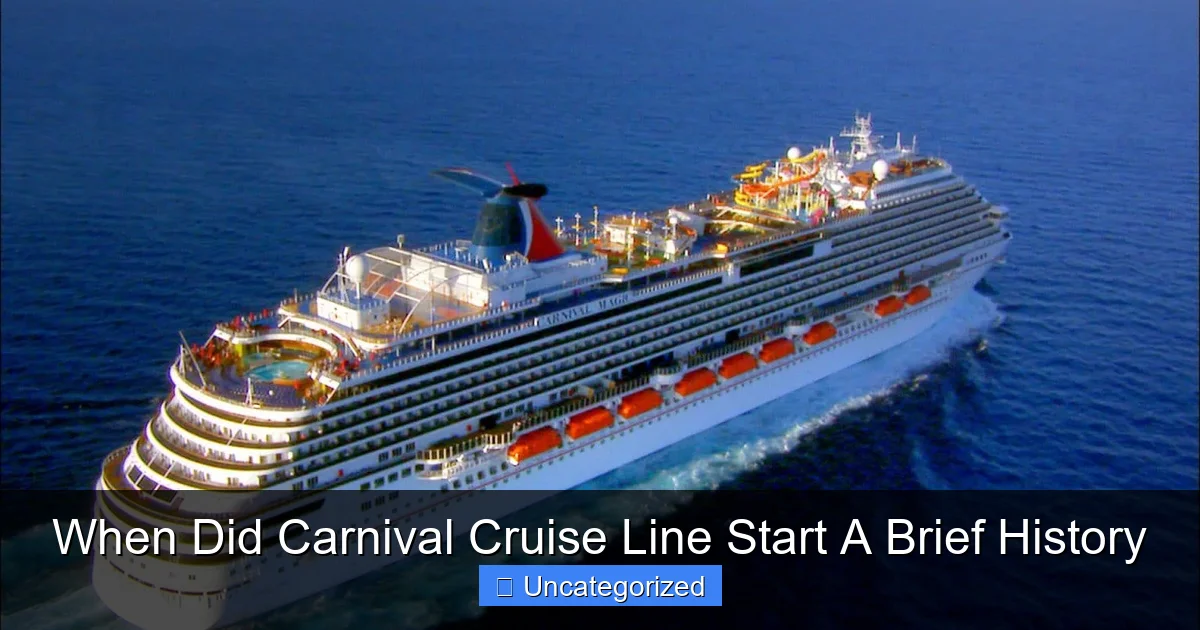
Visual guide about when did carnival cruise line start
Image source: cruisefever.net
Arison’s philosophy was simple: “We’re in the vacation business, not the cruise business.” He envisioned a cruise line that prioritized fun, relaxation, and entertainment over formality and exclusivity. This approach was revolutionary and laid the foundation for what would become Carnival’s iconic “fun ship” branding. Arison’s background in logistics and his deep understanding of customer needs gave him a unique edge in shaping a cruise experience that resonated with middle-class families, couples, and groups of friends.
The Birth of Carnival: 1972 and the Mardi Gras
The official launch of Carnival Cruise Line occurred on April 17, 1972, when the Mardi Gras set sail from Miami on its maiden voyage to the Bahamas. The ship, a converted transatlantic liner originally named Empress of Canada, was purchased for $13 million and underwent extensive renovations to transform it into a vibrant, festive vessel. The name “Mardi Gras” was chosen to evoke the spirit of New Orleans’ famous festival—a symbol of celebration, color, and joy. This naming strategy was a deliberate move to differentiate Carnival from traditional cruise lines and appeal to a younger, more energetic demographic.
The Mardi Gras offered 3- and 4-day cruises to the Bahamas, a novel concept at the time. Most cruises then were week-long or longer, catering to retirees and affluent travelers. Carnival’s short, affordable trips opened the door for first-time cruisers and families looking for a quick getaway. The ship featured casual dining, lively entertainment, and a relaxed atmosphere—elements that would become hallmarks of the Carnival brand. Despite a rocky start (the Mardi Gras ran aground on its first voyage due to a navigational error), the cruise was a commercial success, proving Arison’s vision had merit.
Early Challenges and Lessons Learned
The Mardi Gras’s maiden voyage wasn’t without hiccups. The grounding incident, while embarrassing, highlighted the importance of operational expertise and safety protocols. Carnival quickly addressed these issues by investing in better navigation systems and crew training. The company also learned the value of branding and customer service—two areas that would become central to its long-term success. For example, Carnival introduced the “Carnival Fun” loyalty program in the 1980s, rewarding repeat guests with perks like free drinks and cabin upgrades. These early lessons shaped Carnival’s commitment to continuous improvement and customer satisfaction.
Growth and Expansion: The 1970s to 1990s
Fleet Expansion and the “Fun Ship” Era
Buoyed by the success of the Mardi Gras, Carnival expanded rapidly in the 1970s and 1980s. The company acquired two more ships—Carnival Holiday (1975) and Carnival Jubilee (1976)—and rebranded them to fit the “fun ship” theme. These vessels featured bright colors, tropical decor, and onboard amenities like swimming pools, discos, and casinos. The “fun ship” concept was a game-changer, attracting a new generation of cruisers who valued entertainment and relaxation over formal dining and rigid schedules.
By the late 1970s, Carnival had established itself as a leader in the budget cruise market. The company’s marketing campaigns, which emphasized affordability and fun, resonated with middle-class Americans. For example, Carnival’s 1978 ad campaign with the slogan “The Fun Ships” became iconic, featuring colorful visuals and catchy jingles. This era also saw the rise of Carnival’s signature entertainment offerings, such as live bands, comedy shows, and themed parties, which set it apart from competitors.
Going Public and Financial Milestones
In 1987, Carnival Cruise Line made history by becoming the first cruise line to go public on the New York Stock Exchange. The IPO raised $400 million, providing capital for further expansion and modernization. The influx of funds allowed Carnival to invest in newer, larger ships like the Carnival Fantasy (1990) and Carnival Ecstasy (1991), which introduced innovations like atrium lobbies, multiple dining options, and onboard spas. These ships also featured Carnival’s first “megaship” amenities, including waterslides and expansive sun decks.
The 1990s were a period of aggressive growth. Carnival acquired several smaller cruise lines, including Holland America Line (1989) and Seabourn Cruise Line (1992), forming the Carnival Corporation & plc, a holding company that would later become the world’s largest cruise operator. This diversification strategy allowed Carnival to cater to different market segments while maintaining its core “fun ship” identity.
Innovation and Brand Differentiation
Carnival’s success wasn’t just about adding ships—it was about redefining the cruise experience. The company pioneered several industry-firsts, such as:
- Casual dining options: Buffets and 24-hour snack bars replaced traditional set dining times.
- Onboard entertainment: Themed nights, live music, and comedy clubs became staples.
- Family-friendly amenities: Kids’ clubs, water parks, and teen lounges were introduced.
- All-inclusive packages: Early adoption of bundled pricing for drinks, excursions, and gratuities.
<
These innovations helped Carnival attract a younger, more diverse audience. For instance, the Carnival Destiny (1996), the line’s first 100,000-ton ship, featured a retractable roof for its main pool—a first in the industry. Such features reinforced Carnival’s reputation as a forward-thinking, customer-centric brand.
Modernization and the Rise of Megaships (2000s–2010s)
The Carnival Destiny and the Era of Superliners
The 2000s marked Carnival’s transition into the “megaship” era. The Carnival Destiny (1996) and its successors, like the Carnival Triumph (1999) and Carnival Victory (2000), were designed to accommodate over 2,000 passengers each. These ships introduced revolutionary features, such as:
- Three-deck-high atrium lobbies with glass elevators.
- Multiple specialty restaurants (e.g., steakhouses, sushi bars).
- Expansive spa and fitness centers.
- Onboard nightclubs and lounges.
The Carnival Destiny also debuted the “Serenity” adult-only retreat, a concept that would be adopted across the fleet. This focus on luxury and comfort, while maintaining Carnival’s fun-centric ethos, appealed to a broader demographic, including couples and retirees.
Environmental and Safety Upgrades
As Carnival grew, so did its commitment to safety and sustainability. The 2000s saw significant investments in:
- Advanced navigation systems: GPS and radar technology to prevent incidents like the Mardi Gras grounding.
- Liquefied natural gas (LNG) engines: Introduced on newer ships like the Carnival Mardi Gras (2021) to reduce emissions.
- Waste management systems: Advanced recycling and wastewater treatment to meet international standards.
For example, the Carnival Vista (2016) featured the line’s first onboard brewery and a “SkyRide” aerial attraction, showcasing Carnival’s willingness to experiment with new technologies and experiences.
Brand Extensions and Subsidiaries
Carnival’s parent company, Carnival Corporation, expanded its portfolio to include luxury brands like Princess Cruises (acquired in 2003) and ultra-luxury lines like Regent Seven Seas Cruises. These acquisitions allowed Carnival to cater to every segment of the market, from budget-conscious travelers to high-end clients. However, the Carnival Cruise Line brand itself remained focused on its “fun ship” identity, with ships like the Carnival Breeze (2012) and Carnival Magic (2011) offering family-friendly amenities like water parks and outdoor movie screens.
Recent Innovations and the Post-Pandemic Era (2020–Present)
The Impact of COVID-19 and Recovery
The COVID-19 pandemic brought unprecedented challenges to the cruise industry, and Carnival was no exception. In 2020, the company suspended all operations for over a year, resulting in significant financial losses. However, Carnival’s recovery strategy was swift and multifaceted:
- Health protocols: Implementation of enhanced cleaning, mask mandates, and vaccination requirements.
- Flexible booking policies: Free cancellations and rebooking options to rebuild customer trust.
- New itineraries: Focus on domestic and short-haul cruises to minimize travel risks.
By 2022, Carnival had resumed full operations, with ships like the Carnival Horizon and Carnival Celebration setting sail with updated safety measures. The company also introduced “Carnival Journeys,” longer voyages to exotic destinations like Alaska and the Mediterranean, to attract travelers seeking new experiences post-pandemic.
The LNG-Powered Fleet and Sustainability Goals
Environmental sustainability has become a key focus for Carnival in recent years. The company has pledged to achieve net-zero emissions by 2050, with initiatives like:
- LNG-powered ships: The Carnival Mardi Gras (2021) and Carnival Celebration (2022) run on LNG, reducing greenhouse gas emissions by up to 25%.
- Advanced wastewater treatment: Systems that recycle 95% of onboard water.
- Partnerships with conservation groups: Collaboration with organizations like the World Wildlife Fund to protect marine ecosystems.
These efforts have positioned Carnival as a leader in sustainable cruising, appealing to environmentally conscious travelers.
Technology and Guest Experience Enhancements
Carnival has embraced technology to enhance the guest experience. Innovations include:
- Wearable tech: The “Ocean Medallion” (introduced on Princess Cruises) is being adapted for Carnival ships, allowing contactless check-in, room access, and personalized recommendations.
- Virtual concierge: AI-powered chatbots for 24/7 customer support.
- Onboard apps: Real-time updates on dining, entertainment, and excursions.
For example, the Carnival Panorama (2019) features a “Sky Zone” trampoline park and a “Drone Racing Club,” highlighting Carnival’s commitment to cutting-edge entertainment.
Carnival’s Cultural Impact and Legacy
Democratizing Cruising
Carnival’s greatest legacy is its role in making cruising accessible to the masses. By offering affordable, short-duration trips, Carnival broke down the barriers that once limited cruising to the wealthy. The company’s focus on fun and relaxation—rather than formality—created a new market for “vacation cruising,” inspiring competitors like Royal Caribbean and Norwegian to adopt similar strategies.
Shaping the Cruise Experience
Carnival’s influence extends beyond pricing. The line’s innovations in entertainment, dining, and onboard activities have become industry standards. For instance:
- Themed nights (e.g., “80s Rock Night”) are now common across the industry.
- Family-friendly amenities like water parks and kids’ clubs are expected on modern ships.
- Casual dining options have replaced traditional set dining times on many lines.
Carnival’s “fun ship” concept has also influenced pop culture, with appearances in movies, TV shows, and music videos.
Data Table: Carnival’s Key Milestones
| Year | Milestone | Significance |
|---|---|---|
| 1972 | Launch of Mardi Gras | First Carnival ship; maiden voyage to Bahamas |
| 1987 | IPO on NYSE | Raised $400M for expansion |
| 1996 | Launch of Carnival Destiny | First 100,000-ton ship; retractable roof |
| 2021 | Launch of Carnival Mardi Gras | First LNG-powered ship in fleet |
| 2022 | Resumption of full operations post-COVID | Implemented new health protocols |
Conclusion: The Enduring Legacy of Carnival Cruise Line
The question “When did Carnival Cruise Line start?” is answered by a rich history that spans over 50 years of innovation, growth, and cultural impact. From Ted Arison’s bold vision in 1972 to the LNG-powered megaships of today, Carnival has consistently redefined what it means to cruise. The company’s ability to adapt to changing market demands—whether through technological advancements, environmental initiatives, or post-pandemic recovery strategies—has cemented its status as a leader in the industry.
As Carnival looks to the future, its legacy of fun, accessibility, and customer-centric service remains its greatest strength. Whether you’re a first-time cruiser or a seasoned veteran, Carnival’s history offers valuable lessons in entrepreneurship, resilience, and the power of a simple idea. The next time you step aboard a Carnival ship, remember: you’re not just on a vacation—you’re part of a story that began with a single ship and a dream of making the world a little more fun. Bon voyage!
Frequently Asked Questions
When did Carnival Cruise Line start?
Carnival Cruise Line was founded in 1972 by Ted Arison, initially operating with a single ship, the TSS Mardi Gras. The company began as a subsidiary of Carnival Corporation & plc, which is now one of the largest cruise operators in the world.
What year did Carnival Cruise Line begin operations?
The cruise line officially launched in 1972, with its maiden voyage departing from Miami on the TSS Mardi Gras. This marked the start of Carnival’s journey to becoming the “Fun Ships” leader in the cruise industry.
How did Carnival Cruise Line get its start?
Founded by entrepreneur Ted Arison, Carnival Cruise Line started with a vision to make cruising affordable and fun for the average traveler. Its first ship, the Mardi Gras, was purchased from the French Line and rebranded to kick off the iconic “Fun Ship” experience.
Who founded Carnival Cruise Line and when?
Carnival Cruise Line was founded in 1972 by Ted Arison, an Israeli-American businessman. Arison’s goal was to revolutionize cruising by offering budget-friendly, entertaining voyages, which later became Carnival’s trademark.
What was Carnival Cruise Line’s first ship?
The TSS Mardi Gras, originally built for the French Line, was Carnival Cruise Line’s first vessel in 1972. After renovations, it debuted as the first “Fun Ship,” setting the tone for Carnival’s future fleet.
How has Carnival Cruise Line grown since it started?
Since its 1972 launch, Carnival has expanded from one ship to over 25 modern vessels, becoming a dominant force in the cruise industry. The brand’s focus on affordable, family-friendly vacations has driven its global success.