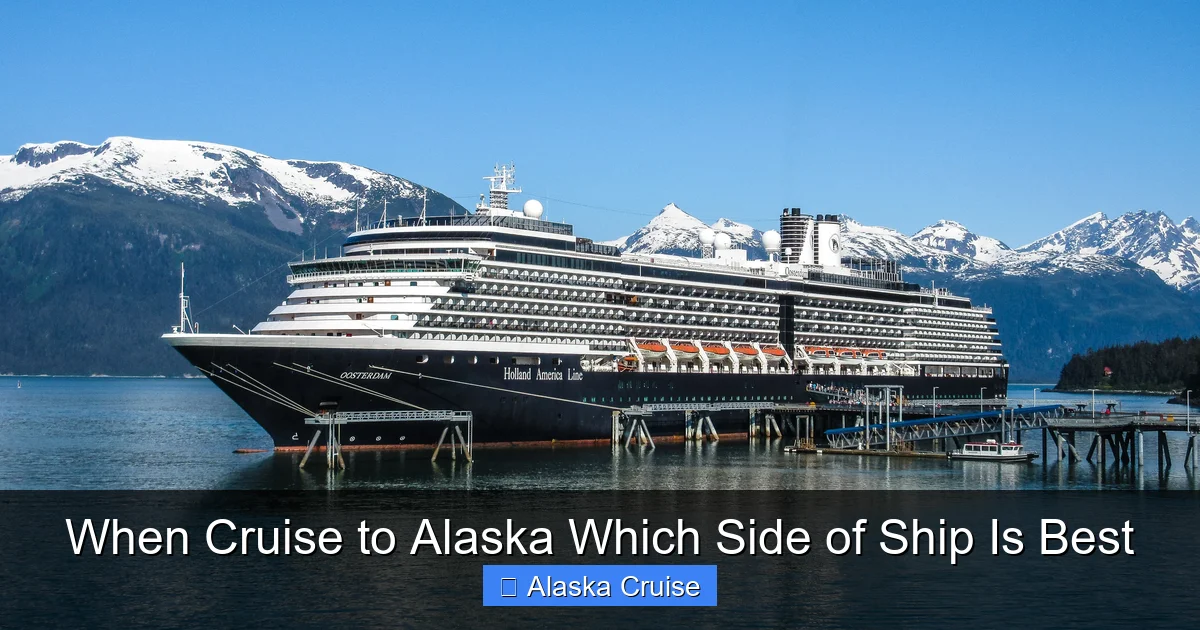
Choosing the best side of the ship for your Alaska cruise can dramatically enhance your experience. While there’s no one-size-fits-all answer, understanding the route, weather patterns, and key scenic highlights helps you make the smartest choice for unforgettable views and wildlife encounters.
Planning an Alaska cruise is exciting—majestic glaciers, towering mountains, playful whales, and endless wilderness await. But once you’ve booked your cabin, a new question arises: *Which side of the ship is best?* It’s a common dilemma among first-time cruisers and seasoned travelers alike. After all, your cabin’s location can mean the difference between waking up to a jaw-dropping glacier calving event or missing it entirely because you were on the wrong side.
The truth is, there’s no single “best” side for every Alaska cruise. The ideal side depends on your specific itinerary, the direction of travel, weather conditions, and personal preferences. Some travelers prioritize sunrise views, while others want the best chance to spot orcas or catch a glacier in full action. Understanding how the ship moves through Alaska’s Inside Passage and Gulf waters can help you make an informed decision. Whether you’re sailing with Holland America, Princess, Norwegian, or Royal Caribbean, the principles remain the same: location, timing, and a bit of luck all play a role.
In this guide, we’ll break down everything you need to know about choosing the best side of the ship for your Alaska cruise. From glacier viewing tips to wildlife hotspots and weather patterns, we’ll help you maximize your experience—no matter which direction the wind blows.
Key Takeaways
- Port vs. Starboard matters: The side of the ship you choose depends on your itinerary and whether the ship docks on the port (left) or starboard (right) side in each port.
- Glacier views are often starboard: On southbound routes, the starboard side typically offers better views of glaciers like Hubbard and Sawyer.
- Wildlife sightings vary by side: Humpback whales and orcas are often spotted on the port side during certain legs of the journey, especially near Icy Strait Point.
- Sunrise and sunset views differ: The port side catches morning sun, while the starboard side enjoys golden evening light—ideal for photographers.
- Weather impacts visibility: Prevailing winds and rain often hit one side harder; choosing the leeward side can mean clearer skies and calmer seas.
- Balcony placement affects privacy: Cabins on the quieter side may offer more peaceful mornings, especially in busy ports like Juneau or Ketchikan.
- Flexibility is key: Even the “best” side can’t guarantee perfect views—pack binoculars, stay mobile, and enjoy the journey from multiple spots.
📑 Table of Contents
- Understanding Port vs. Starboard: The Basics
- Glacier Viewing: Which Side Gets the Best Shots?
- Wildlife Encounters: Where to Spot Whales, Bears, and More
- Sunrise, Sunset, and Lighting: The Photographer’s Perspective
- Weather and Sea Conditions: Staying Comfortable
- Port-Specific Insights: Where Each Side Shines
- Final Tips for Choosing the Best Side
- Conclusion
Understanding Port vs. Starboard: The Basics
Before diving into which side is best, it’s important to understand the nautical terms used on ships. In maritime language, the **port side** refers to the left side of the ship when facing the front (bow), while the **starboard side** is the right side. These terms are used consistently across all cruise lines and are essential for understanding cabin placement and docking procedures.
When your ship arrives in port, it will dock on either the port or starboard side, depending on the harbor layout and local regulations. For example, in Juneau, ships typically dock on the starboard side, meaning passengers disembark from the right side of the ship. In Ketchikan, docking is usually on the port side. This affects not only your disembarkation but also which side of the ship faces the town, mountains, or water.
Knowing the docking side can help you decide where to position yourself for the best views during tender rides or when watching the ship leave port. If you’re on the side facing the shore, you’ll have a front-row seat to local life—vendors setting up, seaplanes landing, and wildlife along the shoreline. But if you’re on the opposite side, you might enjoy unobstructed ocean views or better angles for photographing the ship as it departs.
How to Find Your Ship’s Docking Pattern
Most cruise lines publish docking information in advance, either on their website or in pre-cruise documents. You can also check cruise forums like Cruise Critic or Facebook groups dedicated to Alaska cruises, where past passengers share detailed logs of which side docked where. Some ships even have consistent patterns—for instance, certain vessels always dock starboard in Skagway due to harbor constraints.
If you’re unsure, don’t hesitate to ask your travel agent or the cruise line directly. They can often provide a general idea based on past sailings. Keep in mind that docking can change due to weather, tides, or port congestion, so flexibility is important.
Why Side Matters for Cabin Selection
When booking your cabin, you’ll usually have the option to choose a port or starboard side, especially if you’re selecting a balcony or oceanview room. While interior cabins don’t offer views, balcony and window cabins give you a personal vantage point—making side selection more impactful.
For example, if you know your ship will dock starboard in Juneau and you want to watch the action from your balcony, choosing a starboard cabin makes sense. Conversely, if you prefer quiet mornings away from the bustle of tenders and crowds, a port-side cabin might be more peaceful.
Ultimately, understanding port and starboard helps you align your cabin choice with your priorities—whether that’s convenience, views, or tranquility.
Glacier Viewing: Which Side Gets the Best Shots?
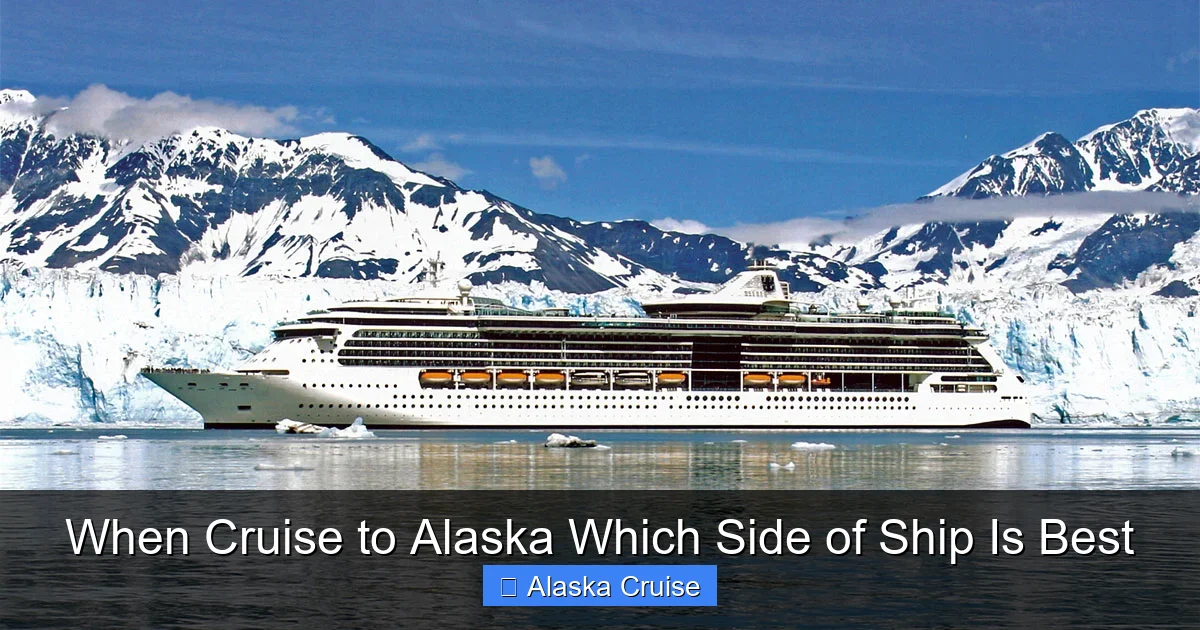
Visual guide about When Cruise to Alaska Which Side of Ship Is Best
Image source: cruisestoalaska.com
One of the most thrilling moments on an Alaska cruise is witnessing a glacier calving—chunks of ice crashing into the water with thunderous force. But to catch this natural spectacle, you need to be on the right side of the ship at the right time.
On most southbound itineraries (starting in Seattle or Vancouver and ending in Seward or Whittier), the **starboard side** tends to offer the best glacier views. This is especially true for iconic stops like **Hubbard Glacier** and **Sawyer Glacier** in Tracy Arm or **Margerie Glacier** in Glacier Bay.
Hubbard Glacier: A Starboard Showcase
Hubbard Glacier, one of the largest tidewater glaciers in North America, is a highlight for many cruisers. As the ship approaches from the south, the glacier comes into view on the starboard side. Passengers on this side often report unobstructed views of the massive blue ice wall, with calving events happening just a few hundred yards away.
In contrast, port-side passengers may have a more angled or distant view, especially if the ship positions itself to allow starboard-side viewing. Some ships even slow down or reposition slightly to give starboard passengers the best experience.
Tracy Arm and Endicott Arm: Narrow and Dramatic
In fjords like Tracy Arm and Endicott Arm, the ship navigates narrow channels flanked by steep cliffs and glaciers. Here, the starboard side often faces the more dramatic Sawyer Glaciers, while the port side may offer views of waterfalls, wildlife, or distant ice formations.
However, because these fjords are so narrow, the ship may turn or shift position, giving both sides a chance to see the glaciers up close. Still, if you’re hoping to photograph the glacier’s face, starboard is generally the safer bet.
Glacier Bay: A Balanced Experience
Glacier Bay National Park is a UNESCO World Heritage Site and a must-see on many Alaska cruises. Here, the National Park Service rangers come aboard to guide the ship through the park, and the route is carefully planned to showcase multiple glaciers.
While Margerie and Johns Hopkins Glaciers are often visible from the starboard side, other ice formations like Lamplugh and Reid Glaciers may appear on the port side. The ship typically slows and turns to allow all passengers a fair view, but starboard still tends to get the most direct exposure.
Pro Tip: Arrive Early and Stay Mobile
Even if you’ve booked a starboard cabin, don’t assume you’ll have the best view from your balcony. Glaciers are best seen from public decks, especially the front (bow) or upper decks, where sightlines are clearer. Arrive early—many passengers gather hours in advance—and bring binoculars for a closer look.
Also, consider switching sides during the approach. If the glacier is on starboard, head to that side, but don’t ignore the port side entirely. You might catch a stunning reflection in the water or a pod of seals resting on ice floes.
Wildlife Encounters: Where to Spot Whales, Bears, and More
Alaska is a wildlife paradise, and your side of the ship can influence what you see. While animals don’t follow schedules, certain patterns emerge based on geography and behavior.
Whale Watching: Port Side Hotspots
Humpback whales and orcas are commonly spotted in areas like **Icy Strait Point** and **Frederick Sound**. On many itineraries, the ship approaches these regions from the south, making the **port side** the prime location for whale sightings.
In Icy Strait Point, the ship often sails close to the shoreline, and passengers on the port side report frequent whale breaches, tail slaps, and even close encounters with orcas. The starboard side, facing open water, may offer fewer sightings but better views of the surrounding mountains and forests.
Bears and Land Wildlife: Shore-Side Advantage
If your itinerary includes stops near bear habitats—such as **Ketchikan** or **Haines**—the side facing the shore will give you the best chance to spot brown bears fishing for salmon or black bears foraging in the forest.
In Ketchikan, for example, ships often dock on the port side, placing that side closest to the town and surrounding wilderness. Passengers on this side can watch bears from a distance, especially during early morning or late afternoon when activity peaks.
Seabirds and Marine Life: Both Sides Count
While larger animals may favor one side, seabirds, sea lions, and porpoises can appear anywhere. Keep an eye on both sides, especially in areas with strong currents or feeding zones. Binoculars and a good camera with zoom will help you capture these fleeting moments.
Weather and Wildlife Visibility
Cloud cover, rain, and fog can reduce visibility, making wildlife harder to spot. On overcast days, the side with clearer skies—often the leeward side—may offer better viewing conditions. Pay attention to the forecast and position yourself accordingly.
Sunrise, Sunset, and Lighting: The Photographer’s Perspective
For photographers and nature lovers, lighting is everything. The side of the ship you choose can dramatically affect your ability to capture stunning images.
Morning Light: Port Side Glow
The **port side** of the ship faces east, making it ideal for catching sunrise over the water. Imagine sipping coffee on your balcony as the sky turns pink and orange, with mist rising off the fjords and mountains silhouetted against the light.
This side is especially magical in early summer when the sun rises around 4:30 a.m. and the light lasts for hours. If you’re an early riser, a port-side cabin can be a dream come true.
Evening Glow: Starboard Side Magic
As the sun sets in the west, the **starboard side** basks in golden hour light. This is perfect for photographing glaciers, wildlife, and the ship’s wake in warm, soft tones. Sunset views over the Pacific or inside a quiet fjord can be breathtaking.
Even if you’re not a photographer, the starboard side offers a serene end to the day—perfect for unwinding with a drink and watching the sky change colors.
Balancing Both Worlds
If you can’t decide, consider booking a cabin in the middle of the ship. While you won’t have direct sunrise or sunset views, you’ll be closer to public decks and can easily move to either side depending on the lighting.
Alternatively, some travelers book two shorter cruises on opposite sides to experience both perspectives. It’s a splurge, but for serious Alaska enthusiasts, it’s worth considering.
Weather and Sea Conditions: Staying Comfortable
Alaska’s weather is famously unpredictable. One day you’re basking in sunshine, the next you’re wrapped in layers under gray skies. Your side of the ship can influence how you experience these conditions.
Wind and Rain: The Leeward Side Advantage
Prevailing winds in Alaska often come from the southwest, meaning the **port side** (facing northeast) is frequently the leeward side—sheltered from wind and rain. This can make a big difference on deck, where wind chill can make temperatures feel much colder.
If you’re prone to motion sickness or prefer calm conditions, choosing a port-side cabin or spending time on the leeward side can help. You’ll also find that tenders and shore excursions are often less choppy on this side.
Sun Exposure: Starboard for Warmth
On sunny days, the **starboard side** tends to get more direct sunlight, especially in the afternoon. This can be a blessing if you’re looking to warm up or dry off after a rainy excursion. Just remember to pack sunscreen—Alaska’s UV rays can be strong, even on cool days.
Dealing with Fog and Low Visibility
Fog is common in coastal Alaska, especially in the mornings. When visibility is low, being on the side facing the shore can still offer interesting views—misty forests, distant lights, or the sound of foghorns. Use these moments to relax, read, or enjoy the ship’s amenities.
Port-Specific Insights: Where Each Side Shines
Every port in Alaska has its own character, and the best side of the ship can vary depending on where you are.
Juneau: Starboard for Town, Port for Water
In Juneau, ships typically dock on the **starboard side**, placing that side closest to the town, shops, and tram. If you want to watch the action from your balcony or disembark quickly, starboard is ideal. However, the **port side** offers stunning views of the surrounding mountains and water, perfect for photography.
Ketchikan: Port for Shore, Starboard for Ocean
Ketchikan usually sees ships docking on the **port side**, making this the best side for watching life in the “Salmon Capital of the World.” The starboard side, facing open water, offers expansive ocean views and better chances to spot marine wildlife.
Skagway: Starboard for Mountains, Port for Glacier Bay Approach
In Skagway, docking is often on the **starboard side**, giving passengers great views of the town and the White Pass. However, as the ship departs and heads toward Glacier Bay, the **port side** may offer better views of the coastline and approaching glaciers.
Seward and Whittier: Departure Points Matter
If your cruise begins or ends in Seward or Whittier, the side you choose can affect your first or last impressions. In Seward, the **starboard side** often faces the harbor and mountains, while Whittier’s narrow entrance may limit views on one side.
Final Tips for Choosing the Best Side
After considering all these factors, here are some practical tips to help you decide:
- Review your itinerary: Look at the direction of travel and key stops. Southbound cruises often favor starboard for glaciers; northbound may reverse the pattern.
- Check docking patterns: Use cruise forums or contact the cruise line to find out which side docks where.
- Prioritize your interests: Are you a photographer? Choose based on lighting. A wildlife lover? Focus on port-side whale hotspots.
- Book midship if unsure: A central cabin gives you flexibility to move to either side for views.
- Stay mobile: Even the best cabin can’t replace being on deck. Arrive early for glacier viewing and bring binoculars.
- Pack for weather: Layers, rain gear, and sunscreen will keep you comfortable no matter which side you choose.
Conclusion
So, when cruise to Alaska which side of ship is best? The answer isn’t black and white—it’s as dynamic as Alaska itself. While the starboard side often wins for glacier views and sunset magic, the port side shines for wildlife, sunrise, and sheltered comfort. The best choice depends on your itinerary, interests, and a bit of luck.
Rather than stressing over the perfect side, embrace the journey. Alaska’s beauty reveals itself in unexpected ways—whether it’s a whale breaching off the starboard bow or a rainbow arching over the port-side fjord. With the right preparation and an open mind, you’ll create memories that last a lifetime.
So go ahead, book that cabin, and get ready to experience the Last Frontier from the deck of a ship—where every side has its own kind of magic.
Frequently Asked Questions
Which side of the ship is best for glacier viewing in Alaska?
The starboard side is generally best for glacier viewing on southbound cruises, especially for Hubbard Glacier and Sawyer Glacier. However, ships often reposition to give all passengers a fair view.
Do ships always dock on the same side in each port?
Most ports have consistent docking patterns—Juneau usually docks starboard, Ketchikan port—but changes can occur due to weather or port conditions.
Can I see whales from both sides of the ship?
Yes, but humpback and orca whales are often spotted on the port side near Icy Strait Point and Frederick Sound, especially during southbound sailings.
Is the port side better for sunrise views?
Yes, the port side faces east and offers stunning sunrise views over the water, ideal for early risers and photographers.
Does the side of the ship affect motion sickness?
The leeward side (often port) is usually calmer and less windy, which can help reduce motion sickness, especially in rough seas.
Should I book a balcony cabin on a specific side?
It depends on your priorities. Choose starboard for glaciers and sunsets, port for sunrise and wildlife. Midship cabins offer flexibility if you’re unsure.