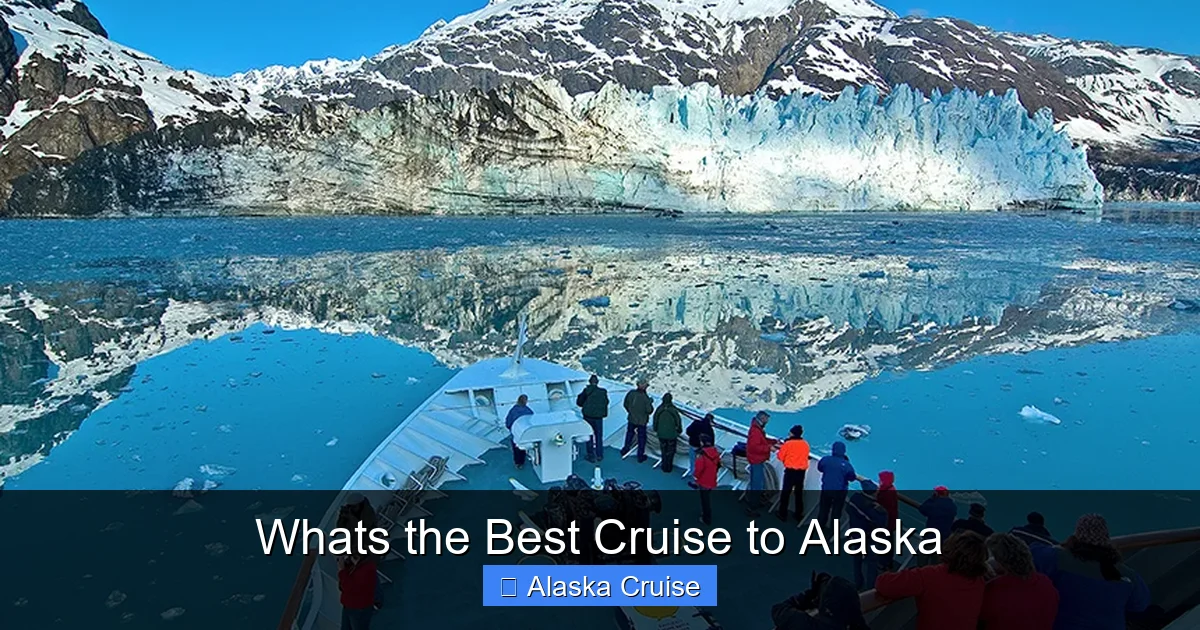
Choosing the best cruise to Alaska depends on your travel style, budget, and must-see destinations. From luxury liners to small expedition ships, Alaska offers unforgettable experiences—glaciers, wildlife, and rugged coastlines—all from the comfort of a cruise ship.
Key Takeaways
- Best Time to Go: May through September offers mild weather, long daylight hours, and peak wildlife activity.
- Top Cruise Lines: Holland America, Princess, and Norwegian Cruise Line are popular for balanced itineraries and onboard comfort.
- Small Ships Excel: Expedition vessels like those from UnCruise or Lindblad offer intimate wildlife encounters and remote access.
- Must-See Ports: Juneau, Ketchikan, Skagway, and Glacier Bay are iconic stops with rich history and natural beauty.
- Shore Excursions Matter: Book glacier hikes, whale watching, or dog sledding in advance for the best experience.
- Budget Wisely: Inside cabins save money, but balcony rooms enhance glacier viewing and wildlife spotting.
- Pack Smart: Layers, waterproof gear, and binoculars are essential for Alaska’s unpredictable weather.
📑 Table of Contents
- Why Alaska Should Be on Your Bucket List
- When Is the Best Time to Take a Cruise to Alaska?
- Top Cruise Lines for Alaska: Which One Is Right for You?
- Must-See Ports and Itineraries
- Shore Excursions: Making the Most of Your Time Ashore
- Packing Tips and What to Expect Onboard
- Budgeting for Your Alaska Cruise
- Conclusion: Finding Your Perfect Alaska Cruise
Why Alaska Should Be on Your Bucket List
Imagine standing on the deck of a ship, the crisp air filling your lungs, as a massive glacier calves into the sea with a thunderous crack. Or spotting a humpback whale breaching just yards away, its spray glittering in the midnight sun. This is Alaska—raw, wild, and breathtakingly beautiful. And there’s no better way to experience it than on a cruise.
Alaska’s coastline stretches over 6,000 miles, dotted with fjords, towering peaks, and pristine wilderness. A cruise lets you glide through these dramatic landscapes while enjoying the comfort of a floating hotel. You’ll visit remote towns steeped in Gold Rush history, witness glaciers up close, and share the waters with orcas, sea lions, and bald eagles. Whether you’re a nature lover, history buff, or just craving adventure, Alaska delivers.
When Is the Best Time to Take a Cruise to Alaska?
The Alaska cruise season runs from mid-May to mid-September, with each month offering a unique experience. Timing your trip right can make a big difference in weather, wildlife sightings, and crowd levels.
May and Early June: Quiet Start to the Season
Traveling in May or early June means fewer crowds and lower prices. The weather is cool but pleasant, with average temperatures ranging from 45°F to 60°F. Snow is still visible on mountain peaks, and the landscape is lush and green. Wildlife is active—bears are emerging from hibernation, and migratory birds are returning. However, some shore excursions may have limited availability, and daylight hours are rapidly increasing, with nearly 18 hours of sunlight by late June.
July and August: Peak Season
These are the most popular months for a reason. The weather is warmest, with temperatures often reaching the 60s and even 70s. Wildlife is abundant—whales, sea otters, and puffins are commonly spotted. Shore excursions run at full capacity, and towns like Skagway and Ketchikan buzz with activity. But be prepared for higher prices and larger crowds. Booking well in advance is essential if you want the best cabins and excursions.
September: Shoulder Season Magic
September offers a quieter, more intimate experience. The summer crowds have thinned, but the weather is still mild, and the fall colors begin to paint the landscape in gold and crimson. Wildlife is still active, and you might even catch the northern lights on clear nights. Some cruise lines end their season in early September, so options are more limited, but the value and scenery are hard to beat.
Top Cruise Lines for Alaska: Which One Is Right for You?
Not all cruise lines are created equal when it comes to Alaska. Some focus on luxury and comfort, while others prioritize adventure and exploration. Here’s a breakdown of the best cruise lines for an Alaskan voyage.
Holland America Line: Classic Elegance and Reliability
Holland America has been cruising Alaska for over 70 years, and it shows. Their ships, like the MS Rotterdam and MS Nieuw Amsterdam, offer a refined experience with spacious staterooms, excellent dining, and a focus on enrichment. Their itineraries often include Glacier Bay National Park, a UNESCO World Heritage Site, and they partner with the National Park Service for onboard naturalists.
Holland America excels in cultural programming—think lectures on Tlingit history or cooking demos featuring local seafood. They also offer a robust shore excursion program, from helicopter tours to salmon bakes. If you want a balanced mix of comfort, education, and adventure, Holland America is a top choice.
Princess Cruises: Scenic Rail and Glacier Viewing
Princess is another Alaska veteran, known for its “North to Alaska” campaign and iconic dome cars on their rail tours. Their ships, such as the Grand Princess and Ruby Princess, are large but well-designed, with plenty of outdoor viewing areas.
One of Princess’s standout features is their “SeaDay”—a full day at sea dedicated to glacier viewing in Tracy Arm or Endicott Arm. These fjords are narrow and dramatic, with towering walls and active calving glaciers. Princess also offers the “Denali Star” train journey from Seward to Denali National Park, a seamless way to extend your trip inland.
Norwegian Cruise Line: Freestyle Cruising and Flexibility
If you prefer a more relaxed, casual vibe, Norwegian Cruise Line (NCL) might be your match. Their “Freestyle Cruising” concept means no fixed dining times or dress codes—perfect for travelers who want to explore at their own pace.
NCL’s ships, like the Norwegian Bliss and Norwegian Encore, are modern and packed with amenities—multiple dining venues, water parks, and live entertainment. Their Alaska itineraries often include Icy Strait Point, a private excursion hub with zip-lining and bear viewing. NCL also offers unique experiences like the “Glacier Bay Fly-In” tour, where you fly from Juneau into the park for a helicopter landing on a glacier.
Expedition Ships: For the Adventurous Traveler
For a more intimate and immersive experience, consider a small expedition cruise. Lines like UnCruise Adventures, Lindblad Expeditions (in partnership with National Geographic), and Silversea operate smaller vessels that can navigate narrow inlets and remote areas larger ships can’t reach.
These cruises focus on wildlife, photography, and hands-on exploration. You might kayak alongside sea otters, hike through temperate rainforests, or Zodiac cruise near icebergs. With fewer than 100 passengers, the experience is personal and educational. Naturalists and photographers are onboard to enhance your understanding of the environment. While more expensive, these trips offer unparalleled access and authenticity.
Must-See Ports and Itineraries
Alaska’s ports are as diverse as its landscapes. Each stop offers something unique—history, wildlife, or jaw-dropping scenery. Here’s what to expect at the most popular destinations.
Juneau: The Capital with a Wild Heart
Alaska’s capital is accessible only by boat or plane, adding to its remote charm. Juneau sits at the base of Mount Juneau and Mount Roberts, with glaciers just a short distance away. The Mendenhall Glacier is a must-see—this 13-mile-long river of ice is easily accessible and offers hiking trails and a visitor center.
Don’t miss a whale-watching tour. Juneau is one of the best places in the world to see humpback whales, especially in summer. You can also take a helicopter tour to land on a glacier or visit the Alaska State Museum to learn about Native cultures and Gold Rush history.
Ketchikan: The Salmon Capital of the World
Known as the “First City” due to its position at the southern end of the Inside Passage, Ketchikan is rich in Native heritage. The Totem Heritage Center and Tongass Historical Museum showcase intricate totem poles and Tlingit, Haida, and Tsimshian art.
Ketchikan is also a prime spot for fishing and rainforest exploration. Take a guided walk through the Rainforest Canopy Trail or visit Herring Cove to see bald eagles and sea lions. If you’re lucky, you might catch the annual salmon run, where thousands of fish swim upstream to spawn.
Skagway: Gateway to the Klondike
Step back in time in Skagway, a Gold Rush town frozen in the 1890s. Wooden boardwalks, false-front buildings, and historic saloons give it a Wild West feel. The White Pass and Yukon Route Railway is a highlight—this narrow-gauge train climbs 2,865 feet in just 20 miles, offering stunning views of waterfalls and mountain peaks.
Adventure seekers can hike the Chilkoot Trail, follow in the footsteps of prospectors, or take a dog sledding tour on a glacier. Skagway is also a great place to learn about the challenges faced by stampeders during the Klondike Gold Rush.
Glacier Bay National Park: A UNESCO Treasure
One of the most awe-inspiring stops on any Alaska cruise is Glacier Bay National Park. This 3.3-million-acre wilderness is home to over a dozen active glaciers, including the massive Margerie and Johns Hopkins Glaciers.
Ships enter the park early in the morning and spend the day cruising slowly through icy waters. Naturalists from the National Park Service come aboard to provide commentary. Keep your camera ready—calving events, where chunks of ice break off and crash into the sea, are common and unforgettable.
Sitka: Where Russian and Native Cultures Meet
Sitka offers a unique blend of Russian and Tlingit history. Once the capital of Russian America, the town features onion-domed churches and the Russian Bishop’s House. The Sitka National Historical Park includes totem pole trails and a museum detailing the 1804 Battle of Sitka.
Sitka is also a wildlife hotspot. Take a boat tour to see sea otters, puffins, and Steller sea lions. The surrounding waters are rich with marine life, and the lush forests are home to black-tailed deer and bald eagles.
Shore Excursions: Making the Most of Your Time Ashore
Shore excursions are where your Alaska cruise truly comes alive. These guided experiences let you dive deeper into the culture, history, and natural wonders of each port. But with so many options, how do you choose?
Wildlife and Nature Tours
Whale watching, bear viewing, and glacier hikes are among the most popular excursions. In Juneau, companies like Harv and Marv’s Whale Watching offer small-boat tours with high success rates for spotting humpbacks. In Ketchikan, Alaska Sea Adventures takes you to remote coves where sea otters and eagles thrive.
For glacier lovers, a helicopter tour to Mendenhall Glacier or a kayak trip in Tracy Arm offers up-close encounters with ice. These excursions often include a landing on the glacier itself—walking on thousands of years of compacted snow is a surreal experience.
Cultural and Historical Experiences
Learn about Alaska’s rich heritage through cultural tours. In Ketchikan, visit a Tlingit village and watch a traditional dance performance. In Sitka, take a guided tour of the St. Michael’s Cathedral and hear stories of Russian influence.
Gold Rush history comes alive in Skagway with walking tours and visits to the Klondike Gold Rush National Historical Park. Some tours even include a ride on the historic railway or a visit to a recreated mining camp.
Adventure Activities
If you’re seeking thrills, Alaska delivers. Dog sledding on a glacier, zip-lining through the rainforest, and flightseeing over Denali are just a few options. Icy Strait Point near Hoonah offers one of the world’s longest zip lines, stretching over 5,000 feet.
Hiking and biking tours are also popular. Trails range from easy walks in temperate rainforests to challenging climbs with panoramic views. Many excursions include knowledgeable guides who share insights about the local ecosystem.
Pro Tip: Book excursions early—especially popular ones like helicopter tours or whale watching. They often sell out months in advance. Also, consider booking directly with local operators for potentially lower prices and more personalized experiences.
Packing Tips and What to Expect Onboard
Alaska’s weather can change in minutes, so packing smart is essential. Even in summer, temperatures can vary widely, and rain is common.
Clothing and Gear
Layering is key. Start with a moisture-wicking base layer, add a fleece or sweater, and top it off with a waterproof jacket. Waterproof pants and sturdy hiking boots are also recommended, especially if you plan to hike or kayak.
Don’t forget:
- Binoculars for wildlife spotting
- Sunglasses and sunscreen (yes, the sun is strong, even when it’s cool)
- A warm hat and gloves
- A compact backpack for shore excursions
- Camera with extra batteries (cold drains them fast)
Onboard Experience
Modern cruise ships offer a surprising range of amenities. Expect multiple dining options, from casual buffets to specialty restaurants featuring fresh Alaskan seafood. Many ships have theaters, casinos, spas, and fitness centers.
Evenings often include lectures by naturalists, live music, or cultural performances. Some lines offer themed nights, like a “Northern Lights” party or a salmon bake. Take advantage of enrichment programs—they’re a great way to learn more about the regions you’re visiting.
Wi-Fi is available but can be slow and expensive. Consider purchasing an internet package if you need to stay connected. Cell service is spotty in remote areas, so don’t rely on it.
Budgeting for Your Alaska Cruise
Alaska cruises can range from budget-friendly to luxury. Here’s how to plan your expenses.
Cruise Fare
Prices vary by line, ship, and cabin type. Inside cabins start around $800–$1,200 per person for a 7-day cruise, while balcony staterooms can cost $1,500–$3,000 or more. Luxury lines like Silversea or Regent Seven Seas start at $5,000+ per person.
Look for promotions—many lines offer discounts for early booking, seniors, or military personnel. Also, consider repositioning cruises (ships moving between seasons), which can be significantly cheaper.
Additional Costs
Don’t forget:
- Shore excursions: $50–$500+ per person
- Gratuities: $14–$18 per day per passenger
- Beverages: Alcohol and soda often not included
- Wi-Fi and phone: $10–$30 per day
- Travel insurance: Highly recommended
To save money, book an inside cabin, bring your own drinks (most lines allow a bottle of wine per person), and research free or low-cost activities in port.
Conclusion: Finding Your Perfect Alaska Cruise
So, what’s the best cruise to Alaska? The answer depends on what you’re looking for. If you want comfort, education, and classic itineraries, Holland America or Princess are excellent choices. For flexibility and fun, Norwegian Cruise Line delivers. And if you crave adventure and intimacy, an expedition cruise is worth the splurge.
No matter which cruise you choose, Alaska will leave you in awe. It’s a place where nature reigns supreme, history echoes in the streets, and every sunset feels like a miracle. Pack your bags, bring your sense of wonder, and get ready for the journey of a lifetime.
Frequently Asked Questions
What is the best month to cruise to Alaska?
July and August offer the warmest weather and best wildlife sightings, but September provides fewer crowds and stunning fall colors. May and June are ideal for budget travelers seeking a quieter experience.
Do I need a passport for an Alaska cruise?
If your cruise departs and returns to the same U.S. port (like Seattle or Vancouver), a passport is not required—but it’s highly recommended in case of emergencies or itinerary changes.
Can you see glaciers on an Alaska cruise?
Yes! Most itineraries include stops at Glacier Bay, Tracy Arm, or Endicott Arm, where you can witness active calving glaciers up close.
Are there bears in Alaska?
Absolutely. Brown bears and black bears are common, especially in areas like Ketchikan, Juneau, and Icy Strait Point. Guided bear-viewing tours offer safe and respectful wildlife encounters.
What should I wear on an Alaska cruise?
Pack layers, including a waterproof jacket, warm fleece, and sturdy shoes. Even in summer, temperatures can drop, and rain is frequent.
Can you extend your trip with a land tour?
Yes! Many cruise lines offer cruise-tour packages that include a cruise plus a land tour to Denali National Park or Fairbanks, often with rail travel and hotel stays.