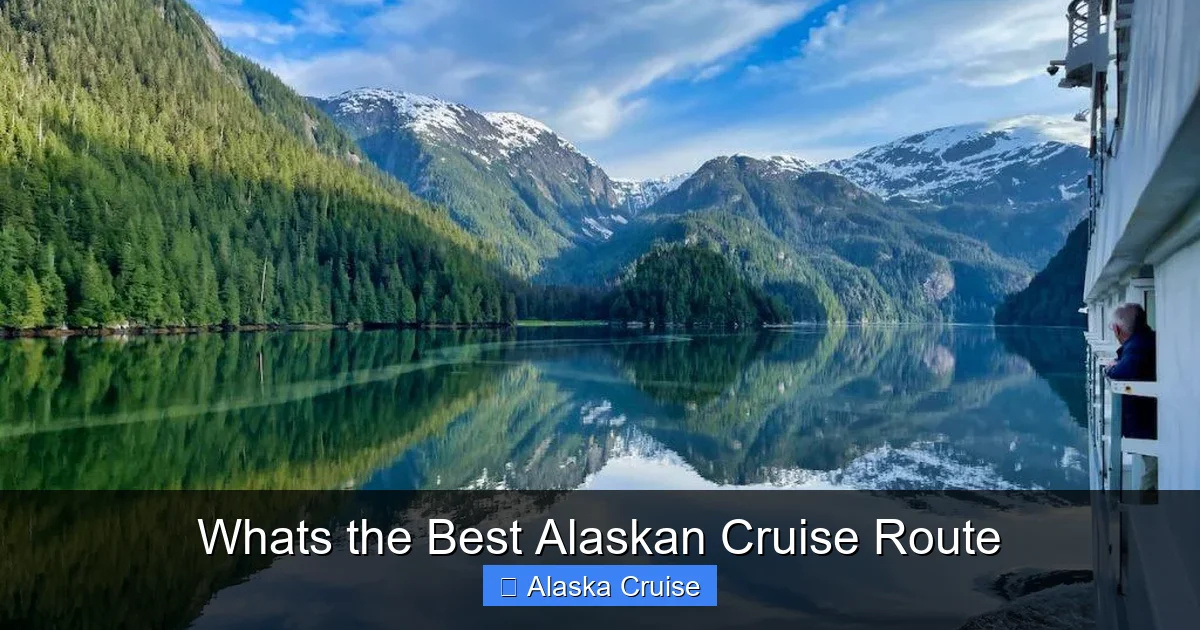
Choosing the best Alaskan cruise route depends on your interests, time, and travel style. Whether you crave glacier views, wildlife spotting, or cultural experiences, Alaska offers diverse itineraries—from Inside Passage classics to Gulf of Alaska adventures.
Dreaming of icy fjords, towering glaciers, and breaching humpback whales? An Alaskan cruise might just be the adventure of a lifetime. But with so many routes, ports, and cruise lines to choose from, how do you pick the best Alaskan cruise route for your trip? The answer isn’t one-size-fits-all—it depends on what you want to see, how much time you have, and your travel preferences.
Alaska’s coastline is over 6,000 miles long, dotted with dramatic landscapes, Indigenous communities, and wildlife that feels straight out of a nature documentary. From the misty rainforests of the Inside Passage to the raw power of glaciers calving into the sea, every route offers something unique. Whether you’re a first-time cruiser or a seasoned traveler, understanding the differences between itineraries can make all the difference in creating unforgettable memories.
In this guide, we’ll break down the top Alaskan cruise routes, compare their highlights, and help you decide which one suits your ideal vacation. We’ll cover everything from classic roundtrip voyages to one-way adventures, small-ship expeditions, and the best times to go. By the end, you’ll have a clear picture of what to expect—and how to choose the route that’s right for you.
Key Takeaways
- Inside Passage routes are ideal for first-timers: These southbound cruises from Seattle or Vancouver offer mild weather, lush rainforests, and charming ports like Juneau and Ketchikan.
- Gulf of Alaska itineraries deliver glacier grandeur: Roundtrip voyages from Seattle or one-way trips between Seattle and Seward/Whittier provide access to Hubbard Glacier and Glacier Bay National Park.
- One-way cruises maximize scenery and minimize backtracking: Sailing from north to south (or vice versa) lets you see more of Alaska without retracing your route.
- Smaller ships access remote areas: Expedition-style vessels can reach Tracy Arm, Misty Fjords, and other hidden gems larger ships can’t access.
- Peak season is May through September: Summer offers longer days, calmer seas, and the best chance to see whales, bears, and active glaciers.
- Shore excursions enhance the experience: Kayaking near glaciers, dog sledding on ice fields, and native cultural tours add depth to your journey.
- Book early for best cabins and pricing: Popular routes fill quickly, especially for balcony staterooms with ocean views.
📑 Table of Contents
Understanding Alaskan Cruise Routes: An Overview
Before diving into specific itineraries, it’s helpful to understand the two main types of Alaskan cruise routes: the Inside Passage and the Gulf of Alaska. Each offers a different pace, scenery, and experience.
The Inside Passage is the most popular route for first-time cruisers. These southbound journeys typically depart from Seattle or Vancouver and wind through a protected network of waterways along the Pacific coast. The waters are calm, the scenery is lush and green, and the ports are rich in history and culture. You’ll pass through temperate rainforests, spot eagles and seals, and visit charming towns like Ketchikan, Juneau, and Skagway.
In contrast, the Gulf of Alaska route is more dramatic and remote. These cruises often run one-way between Seattle and Seward or Whittier (near Anchorage), crossing the open waters of the Gulf. This route includes stops at iconic glacier destinations like Hubbard Glacier, Glacier Bay National Park, and College Fjords. The scenery is more rugged, with snow-capped mountains, deep fjords, and massive ice fields.
Another key difference is ship size. Inside Passage cruises are typically operated by larger mainstream cruise lines like Norwegian, Royal Caribbean, and Carnival, which offer extensive onboard amenities. Gulf of Alaska routes often feature mid-sized ships or even smaller expedition vessels that can get closer to glaciers and wildlife.
Understanding these distinctions helps set the stage for choosing your ideal route. If you want a relaxed, scenic journey with plenty of onboard entertainment, the Inside Passage might be perfect. If you’re after raw natural beauty and glacier viewing, the Gulf of Alaska could be your best bet.
Top Inside Passage Cruise Routes
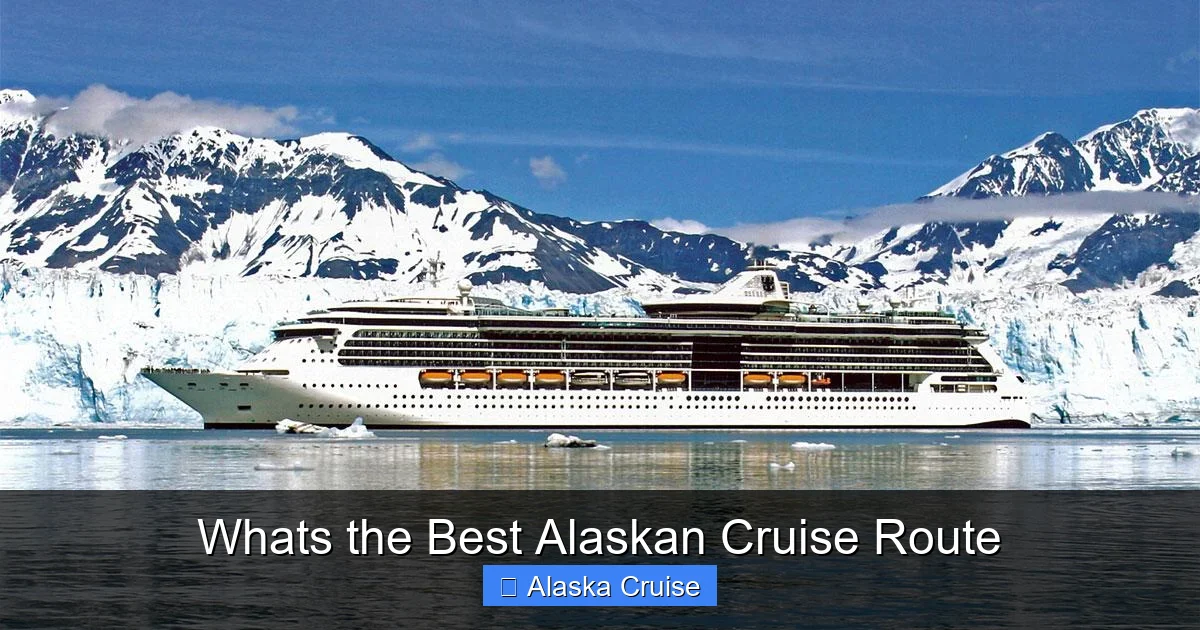
Visual guide about Whats the Best Alaskan Cruise Route
Image source: juneauhotels.net
If you’re new to Alaskan cruising or prefer a more traditional cruise experience, the Inside Passage is a fantastic starting point. These routes are known for their accessibility, mild weather, and a mix of natural beauty and cultural stops.
Seattle to Seattle Roundtrip Itineraries
One of the most convenient options is a roundtrip cruise from Seattle. These 7-night voyages are offered by lines like Norwegian Cruise Line, Royal Caribbean, and Holland America. You’ll sail north through the Inside Passage, visit three or four ports, and return to Seattle without backtracking.
A typical itinerary might include:
– Ketchikan: Known as the “Salmon Capital of the World,” Ketchikan offers rainforest hikes, totem pole parks, and opportunities to see bears fishing in the rivers.
– Juneau: Alaska’s capital is accessible only by boat or plane. Here, you can take a helicopter tour to a glacier, go whale watching, or visit the Mendenhall Glacier.
– Skagway: A historic gold rush town with preserved buildings and the famous White Pass & Yukon Route Railway.
These cruises are great for families and first-timers because they offer a balance of adventure and comfort. You’ll enjoy Broadway-style shows, multiple dining options, and kids’ clubs—all while soaking in stunning coastal views.
Vancouver to Vancouver Roundtrip Cruises
Similar to Seattle departures, Vancouver-based roundtrip cruises are popular with Canadian and international travelers. Lines like Princess Cruises and Celebrity Cruises operate these 7-night journeys, which often include a stop in Victoria, British Columbia, before heading into Alaskan waters.
The inclusion of Victoria adds a touch of European charm, with its British colonial architecture and beautiful gardens. From there, the ship sails north through the Inside Passage, visiting the same Alaskan ports as Seattle-based cruises.
One advantage of departing from Vancouver is the scenic sail through the Strait of Georgia and the San Juan Islands. You might spot orcas, sea lions, and bald eagles before even reaching Alaska.
One-Way Inside Passage Cruises
For travelers who want to maximize their time in Alaska without returning the same way, one-way Inside Passage cruises are an excellent option. These itineraries typically run from Vancouver to Seattle or vice versa, often with an additional stop in a deeper Alaskan port like Sitka or Haines.
One-way cruises are ideal if you plan to extend your trip with land adventures. For example, you could cruise from Vancouver to Seattle, then fly to Denali National Park for a few days before returning home. This allows you to experience both coastal and interior Alaska.
Gulf of Alaska: The Glacier Lover’s Route
If glaciers are at the top of your must-see list, the Gulf of Alaska route is where you’ll want to go. These cruises offer some of the most dramatic scenery in the world, with towering ice walls, calving glaciers, and vast wilderness.
Seattle to Seward/Whittier One-Way Cruises
One-way Gulf of Alaska cruises between Seattle and Seward (near Anchorage) are among the most popular for glacier viewing. These 7- to 10-night itineraries often include:
– Ketchikan or Juneau: A stop in the Inside Passage to break up the journey.
– Hubbard Glacier: One of the largest tidewater glaciers in North America, Hubbard Glacier can be over 7 miles wide and 300 feet tall. Ships often pause here for hours, allowing passengers to watch chunks of ice crash into the water.
– Glacier Bay National Park: A UNESCO World Heritage Site, this park is home to over a dozen active glaciers. Rangers come aboard to share insights about the ecosystem and history.
– Icy Strait Point: A private destination near Hoonah, offering zip-lining, bear viewing, and native cultural performances.
These cruises are typically operated by lines like Princess, Holland America, and Celebrity, which offer mid-sized ships with excellent viewing decks and naturalist programs.
Roundtrip Gulf of Alaska from Seattle
Some cruise lines offer roundtrip Gulf of Alaska cruises from Seattle, which include a mix of Inside Passage and glacier stops. These itineraries might sail north to Hubbard Glacier and Glacier Bay, then return via the Inside Passage.
While convenient, roundtrip Gulf cruises can involve more sea days and less time in port compared to one-way routes. However, they’re a great option if you prefer not to deal with post-cruise travel logistics.
Small-Ship Expeditions in the Gulf
For a more intimate and immersive experience, consider a small-ship expedition cruise in the Gulf of Alaska. Lines like UnCruise Adventures, Lindblad Expeditions, and Alaskan Dream Cruises operate vessels with fewer than 100 passengers.
These ships can navigate narrower channels and get closer to glaciers and wildlife. You might kayak among icebergs, take Zodiac tours into fjords, or go hiking in remote areas. Expedition cruises often include expert naturalists, photographers, and cultural guides.
One example is a 9-night voyage from Juneau to Ketchikan, which includes stops in Tracy Arm (home to the Sawyer Glaciers), Misty Fjords National Monument, and the Tongass National Forest. These routes are perfect for travelers who want a more active, educational experience.
Best Time to Cruise Alaska: Timing Your Trip
Timing is everything when it comes to an Alaskan cruise. The cruising season runs from mid-May to mid-September, but each month offers a different experience.
May and Early June: Shoulder Season Advantages
Traveling in May or early June means fewer crowds, lower prices, and the chance to see spring blooms and newborn wildlife. Bears are active, and migratory birds are returning. However, some shore excursions may be limited, and weather can be unpredictable.
July and August: Peak Season Highlights
These are the most popular months for a reason. The weather is warmest, daylight lasts up to 18 hours, and all excursions are operating. You’ll have the best chance to see whales, bears, and active glaciers. However, ports can be crowded, and prices are at their highest.
September: Fall Colors and Calm Seas
Late-season cruises offer a quieter experience with stunning fall foliage. Wildlife is still active, and the water is often calmer. Some cruise lines offer special fall-themed itineraries with local food and cultural events. Just be prepared for cooler temperatures and the possibility of rain.
No matter when you go, pack layers. Alaska’s weather can change quickly, and even in summer, temperatures rarely exceed 70°F (21°C).
Choosing the Right Cruise Line and Ship
With so many cruise lines offering Alaskan itineraries, it’s important to choose one that matches your travel style.
Mainstream Cruise Lines
Lines like Norwegian, Royal Caribbean, and Carnival are great for families and first-timers. They offer large ships with pools, theaters, multiple dining venues, and kids’ programs. Their Alaskan cruises focus on port experiences and onboard entertainment.
Premium and Luxury Lines
Holland America, Princess, and Celebrity offer a more refined experience with better dining, spacious cabins, and enrichment programs like cooking classes and lectures. Their ships are mid-sized, striking a balance between comfort and access to scenic areas.
Expedition and Small-Ship Operators
For adventure seekers, companies like UnCruise, Lindblad, and Alaskan Dream provide intimate, nature-focused voyages. These cruises emphasize wildlife, photography, and cultural immersion. Cabins are cozy, and the pace is slower, but the experiences are unmatched.
Family-Friendly vs. Adult-Oriented Cruises
If you’re traveling with kids, look for ships with youth programs and family-friendly activities. If you prefer a quieter, more relaxed atmosphere, consider adult-oriented lines like Seabourn or Silversea.
Maximizing Your Alaskan Cruise Experience
A great Alaskan cruise isn’t just about the ship—it’s about what you do onshore and how you prepare.
Book Shore Excursions Early
Popular tours like whale watching in Juneau, dog sledding on a glacier, or the White Pass Railway in Skagway sell out quickly. Book through your cruise line or a trusted third-party provider as soon as possible.
Pack Smart
Bring waterproof layers, sturdy shoes, binoculars, and a good camera. Don’t forget motion sickness medication if you’re prone to seasickness—even in calm waters, some people feel uneasy.
Engage with Local Culture
Take time to learn about Alaska’s Indigenous peoples. Visit cultural centers, attend native dance performances, and support local artisans by buying authentic crafts.
Be Flexible
Weather and wildlife are unpredictable. A glacier might be socked in by fog, or a whale might not appear on schedule. Embrace the unexpected—it’s all part of the adventure.
Final Thoughts: Which Route Is Best for You?
So, what’s the best Alaskan cruise route? The answer depends on your priorities.
If you’re a first-time cruiser or traveling with family, a roundtrip Inside Passage cruise from Seattle or Vancouver offers a perfect blend of scenery, comfort, and convenience. You’ll see lush forests, charming towns, and plenty of wildlife—all while enjoying top-notch onboard amenities.
If glaciers and dramatic landscapes are your main draw, a one-way Gulf of Alaska cruise from Seattle to Seward is hard to beat. You’ll witness the raw power of nature at Hubbard Glacier and Glacier Bay, with fewer crowds and more time to soak in the views.
For the ultimate adventure, consider a small-ship expedition. These intimate voyages let you get up close to glaciers, kayak among icebergs, and learn from expert guides—all in a more personal setting.
No matter which route you choose, an Alaskan cruise is a journey you’ll never forget. The combination of pristine wilderness, abundant wildlife, and rich culture makes it one of the world’s most rewarding travel destinations. So pack your bags, grab your camera, and get ready to explore the Last Frontier.
Frequently Asked Questions
What is the best month to take an Alaskan cruise?
The best month depends on your preferences. July and August offer the warmest weather and most wildlife activity, while May and September provide fewer crowds and lower prices. June strikes a nice balance with good weather and active glaciers.
Can you see glaciers on an Inside Passage cruise?
Yes, but typically smaller ones like the Mendenhall Glacier near Juneau. For massive tidewater glaciers like Hubbard or Glacier Bay, you’ll need a Gulf of Alaska itinerary.
Do I need a passport for an Alaskan cruise?
If your cruise departs and returns to the same U.S. port (like Seattle), a passport is not required—but it’s highly recommended in case of emergencies. Cruises from Vancouver may require a passport for U.S. citizens.
Are Alaskan cruises expensive?
Prices vary widely. Mainstream lines offer budget-friendly options starting around $800 per person, while luxury and expedition cruises can cost $3,000 or more. Booking early and traveling in shoulder season can save money.
What wildlife can I expect to see on an Alaskan cruise?
Common sightings include humpback and orca whales, sea lions, bald eagles, bears, moose, and puffins. Wildlife viewing depends on the season, location, and luck—binoculars are a must!
Can I extend my trip with land adventures?
Absolutely! Many travelers combine their cruise with a land tour to Denali National Park, Fairbanks, or the Kenai Fjords. Cruise lines often offer packaged cruise-and-land itineraries for convenience.