The best way to cruise Alaska combines breathtaking scenery, wildlife encounters, and immersive cultural experiences. Whether you’re sailing from Seattle or Vancouver, choosing the right itinerary and ship can make all the difference in creating an unforgettable journey through America’s last frontier.
If you’ve ever dreamed of towering glaciers, misty fjords, and breaching humpback whales, then cruising Alaska might just be the adventure of a lifetime. There’s something almost mythical about sailing through icy waters where mountains rise straight from the sea and eagles soar above untouched wilderness. But with so many cruise lines, itineraries, and departure ports to choose from, figuring out the best way to cruise Alaska can feel overwhelming.
The good news? You don’t have to navigate this journey alone. Whether you’re a first-time cruiser or a seasoned traveler, this guide will walk you through everything you need to know to plan the perfect Alaskan cruise. From choosing the right ship and route to packing tips and must-do excursions, we’ll help you turn your dream trip into a reality. So grab a warm drink, settle in, and let’s explore the best way to cruise Alaska—one fjord at a time.
Key Takeaways
- Choose the right itinerary: Look for 7- to 10-day cruises that include Glacier Bay, Juneau, Skagway, and Ketchikan for the most iconic Alaskan experiences.
- Depart from major ports: Cruises from Seattle, Vancouver, or Seward offer different advantages—Seattle is convenient for U.S. travelers, while Vancouver provides a scenic pre-cruise city experience.
- Pick the right ship size: Smaller ships (under 1,000 passengers) access narrower fjords and offer more intimate wildlife viewing, while larger ships provide more amenities and stability.
- Book excursions in advance: Popular activities like whale watching, dog sledding, and glacier hikes sell out quickly—reserve early for the best options.
- Pack for variable weather: Even in summer, Alaska can be cool and rainy—layered clothing, waterproof gear, and binoculars are essential.
- Travel during peak season: Late May to early September offers the best weather, longest daylight hours, and most active wildlife.
- Consider a cruise-tour combo: Extend your trip with a land tour to Denali National Park or the interior for a fuller Alaskan adventure.
📑 Table of Contents
- Why Cruise Alaska? The Ultimate Scenic Adventure
- Choosing the Right Itinerary: Ports, Duration, and Routes
- Picking the Perfect Ship: Size, Amenities, and Experience
- Best Time to Cruise Alaska: Timing Your Trip Right
- Must-Do Excursions and Onshore Activities
- Packing Tips for an Alaskan Cruise
- Combining Cruise and Land: The Cruise-Tour Experience
- Final Thoughts: Making the Most of Your Alaska Cruise
Why Cruise Alaska? The Ultimate Scenic Adventure
Alaska isn’t just a destination—it’s a state of mind. Known as “The Last Frontier,” it’s a place where nature still reigns supreme. And there’s no better way to experience its raw beauty than from the deck of a cruise ship. Imagine waking up to the sight of a glacier calving into the sea, or spotting a brown bear fishing for salmon along a riverbank. These aren’t just postcard moments—they’re real, vivid experiences that stay with you forever.
Cruising offers a unique blend of comfort and adventure. You get to explore remote, rugged coastlines without sacrificing the amenities of a floating hotel. Most Alaskan cruises include multiple stops at charming port towns, each with its own personality and history. You’ll also spend days at sea navigating protected waterways like the Inside Passage, where calm waters and stunning scenery make for smooth sailing.
One of the biggest advantages of a cruise is accessibility. Many of Alaska’s most spectacular sights—like Glacier Bay National Park—are only reachable by boat or plane. A cruise lets you see them up close without the hassle of arranging separate transportation. Plus, with meals, entertainment, and accommodations all included, it’s one of the most convenient ways to travel.
The Magic of the Inside Passage
The Inside Passage is the heart of most Alaska cruises. This network of waterways winds through the Pacific Northwest, hugging the coast of British Columbia and southern Alaska. It’s a protected route, shielded from the rougher waters of the open ocean, making it ideal for cruising.
As you sail through, you’ll pass dense temperate rainforests, snow-capped peaks, and quiet inlets dotted with fishing villages. Wildlife is abundant—keep your eyes peeled for orcas, sea lions, porpoises, and even the occasional black bear along the shoreline. The passage is also rich in Indigenous culture, with many ports offering opportunities to learn about Tlingit, Haida, and Tsimshian heritage.
One of the most memorable parts of the Inside Passage is the sheer silence. With no roads or cities in sight, the only sounds are the wind, the water, and the call of a distant loon. It’s a reminder of how vast and untouched this part of the world still is.
Glacier Bay: A Natural Wonder
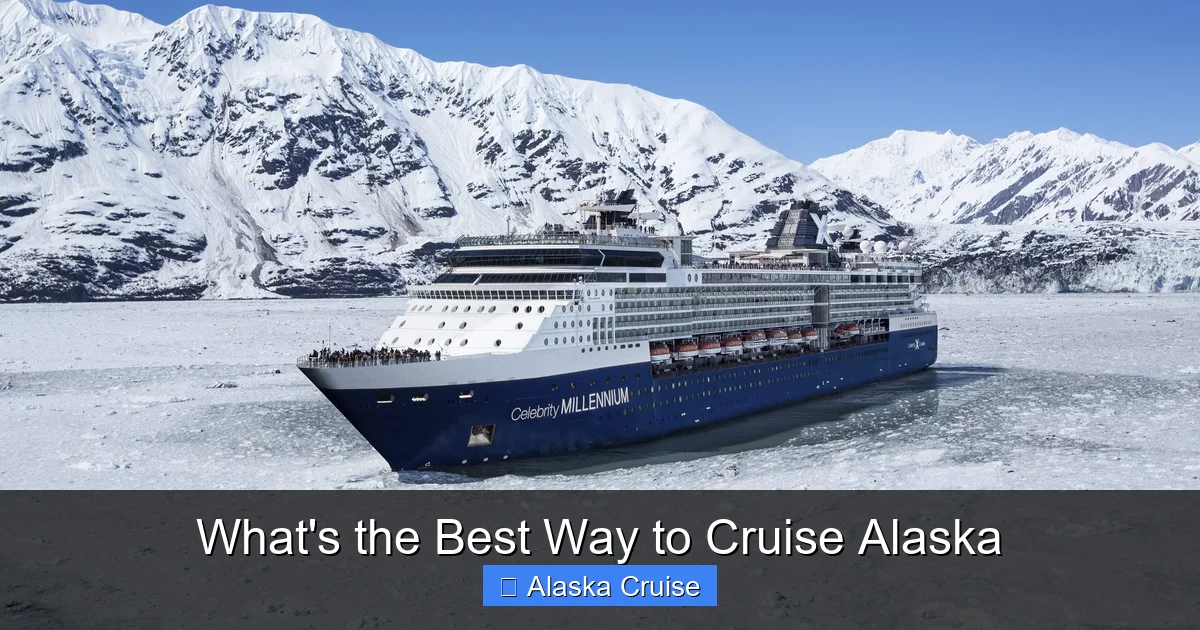
No Alaska cruise is complete without a visit to Glacier Bay National Park. This UNESCO World Heritage Site is home to over a dozen active glaciers, some stretching for miles across the landscape. The park is a living laboratory of glacial movement, with ice constantly advancing and retreating in a slow, powerful dance.
Cruise ships enter the park early in the morning, often with a National Park Service ranger on board to provide commentary. As you glide past towering ice walls, you might hear the deep crack of a glacier calving—a thunderous event that sends chunks of ice crashing into the water below. It’s both beautiful and humbling.
The best viewing spots are usually on the starboard (right) side of the ship, so try to grab a seat there if you can. And don’t forget your camera—though no photo can truly capture the scale and sound of a glacier up close.
Choosing the Right Itinerary: Ports, Duration, and Routes
Visual guide about What’s the Best Way to Cruise Alaska
Image source: celebritycruises.com
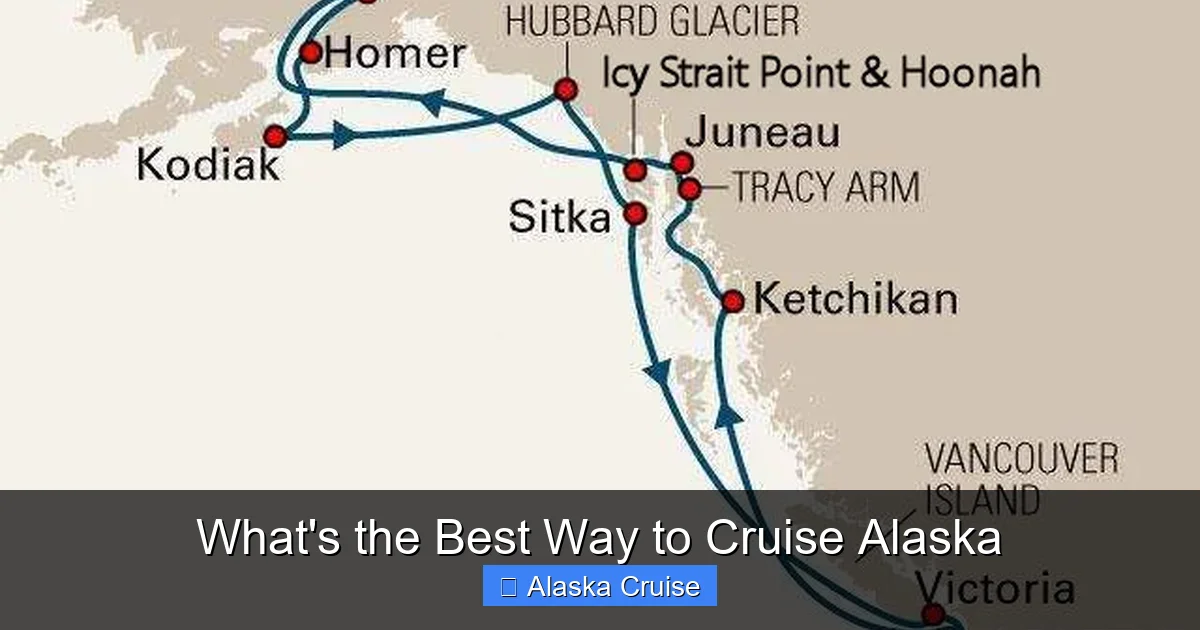
When it comes to the best way to cruise Alaska, your itinerary is everything. The route you choose will determine which ports you visit, how much time you spend at sea, and what experiences you’ll have along the way. Most Alaska cruises fall into one of two categories: round-trip from Seattle or Vancouver, or one-way “open-jaw” cruises between Seattle/Vancouver and Seward or Whittier (near Anchorage).
Round-Trip vs. One-Way Cruises
Round-trip cruises are the most popular option. They typically depart from Seattle or Vancouver and return to the same port after 7 to 10 days. These itineraries are great for travelers who want a straightforward trip without worrying about flights or transfers at the end.
One-way cruises, on the other hand, offer more flexibility. For example, you might fly into Vancouver, cruise north to Seward, and then take a train or bus to Anchorage before flying home. This type of trip often includes more time in Alaska’s interior, such as a visit to Denali National Park. It’s ideal if you want to combine coastal cruising with a land adventure.
Must-Visit Ports
While every port has its charm, a few stand out as must-sees on any Alaska cruise:
– **Juneau:** The state capital is accessible only by boat or plane, giving it a remote, frontier feel. It’s the gateway to Mendenhall Glacier and offers excellent whale-watching tours.
– **Skagway:** This historic gold rush town is frozen in time, with wooden boardwalks and saloons straight out of the 1890s. The White Pass & Yukon Route Railway is a highlight.
– **Ketchikan:** Known as the “Salmon Capital of the World,” Ketchikan is rich in Indigenous culture and rainforest scenery. Don’t miss a visit to Totem Bight State Park.
– **Glacier Bay:** As mentioned earlier, this national park is a natural wonder and a highlight of any cruise.
– **Hubbard Glacier:** One of the largest tidewater glaciers in North America, it’s a dramatic sight, especially when ice calves into the water.
Duration Matters
Most first-time cruisers opt for a 7-day itinerary, which is enough time to see the major ports and experience a glacier day. However, if you have the time, consider a 10-day cruise. These longer trips often include additional stops, more time at sea, and a better chance to see wildlife. They also tend to be less rushed, allowing you to truly soak in the scenery.
Picking the Perfect Ship: Size, Amenities, and Experience
Not all cruise ships are created equal—especially when it comes to Alaska. The size and style of your ship can dramatically affect your experience. So, how do you choose the right one?
Small Ships: Intimate and Adventurous
Smaller ships (under 1,000 passengers) are often the best way to cruise Alaska for travelers seeking a more personal experience. These vessels can navigate narrower channels and get closer to glaciers and wildlife. They also tend to have fewer crowds, making it easier to find a quiet spot on deck.
Companies like UnCruise Adventures, Lindblad Expeditions, and American Cruise Lines specialize in small-ship Alaskan voyages. Many offer expert naturalists on board, Zodiac landings, and even kayaking or paddleboarding excursions. If you’re looking for adventure and immersion, a small ship might be your best bet.
Large Ships: Comfort and Convenience
Major cruise lines like Holland America, Princess, and Norwegian Cruise Line operate larger ships (2,000+ passengers) that offer more amenities. Think multiple dining options, Broadway-style shows, spas, and even rock climbing walls. These ships are great if you want a mix of relaxation and entertainment.
While they can’t get as close to glaciers as smaller vessels, they still offer excellent viewing opportunities and often have better stabilizers for smoother sailing. Plus, with more onboard activities, there’s always something to do when you’re not exploring ports.
Boutique and Luxury Options
For a more refined experience, consider a luxury cruise line like Seabourn, Silversea, or Regent Seven Seas. These ships offer spacious suites, gourmet dining, and personalized service. Many include excursions in the fare, so you don’t have to worry about extra costs.
Luxury cruises often feature longer itineraries and unique ports of call, giving you a deeper look at Alaska’s culture and landscapes. They’re ideal for travelers who want to explore in style.
Best Time to Cruise Alaska: Timing Your Trip Right
Timing is everything when it comes to Alaska. The cruise season runs from May to September, but each month offers a different experience.
May and Early June: Quiet and Wild
Early season cruises are less crowded and often less expensive. The weather is cooler, but you’ll have a better chance of seeing wildlife as animals are more active in the spring. Wildflowers are in bloom, and the landscape feels fresh and new.
July and August: Peak Season
These are the most popular months to cruise Alaska. The weather is warmest, with daytime temperatures in the 60s and 70s. Daylight lasts up to 18 hours, giving you plenty of time to explore. However, ports can be crowded, and prices are at their highest.
September: Fall Colors and Fewer Crowds
Late-season cruises offer a unique beauty. The leaves begin to change, painting the mountains in gold and red. Wildlife is still active, and you’ll find fewer tourists. The weather can be unpredictable, but if you don’t mind a little rain, September can be a magical time to visit.
Must-Do Excursions and Onshore Activities
One of the best parts of cruising Alaska is the chance to get off the ship and explore. Each port offers a variety of excursions, from gentle walks to adrenaline-pumping adventures.
Whale Watching in Juneau
Juneau is one of the best places in the world to see humpback whales. Many tours take you into Stephens Passage, where whales feed on herring. You might also spot orcas, sea lions, and porpoises. Bring binoculars and a waterproof jacket—even on sunny days, it can be windy on the water.
Dog Sledding on a Glacier in Skagway
Experience the thrill of mushing across a glacier with a team of sled dogs. Most tours include a helicopter ride to a remote glacier, where you’ll meet the dogs and learn about the history of dog sledding in Alaska. It’s a once-in-a-lifetime adventure.
Rainforest Hiking in Ketchikan
Ketchikan is surrounded by lush temperate rainforest. Guided hikes take you through moss-covered trees, past rushing streams, and to hidden waterfalls. Some tours also include a visit to a Native cultural center, where you can learn about traditional crafts and storytelling.
Glacier Hiking and Kayaking
For the more adventurous, consider a glacier hike or kayaking tour. These excursions take you up close to icy landscapes and quiet fjords. Kayaking near a glacier is especially peaceful—just you, the water, and the sound of ice cracking in the distance.
Packing Tips for an Alaskan Cruise
Packing for Alaska can be tricky. The weather is unpredictable, and you’ll need gear for both onboard comfort and outdoor adventures.
Layer Up
The key to staying comfortable is layering. Start with a moisture-wicking base layer, add a fleece or sweater, and top it off with a waterproof jacket. Even in summer, temperatures can drop, especially on glacier days.
Waterproof Gear is Essential
Rain is common in Alaska, so bring a good rain jacket and waterproof pants. Waterproof boots are also a must, especially if you plan to do any hiking or walk on wet docks.
Don’t Forget the Extras
Binoculars are a must for wildlife viewing. A compact camera with a good zoom lens will help you capture distant glaciers and animals. And don’t forget sunscreen and sunglasses—the sun can be strong, even on cloudy days.
Combining Cruise and Land: The Cruise-Tour Experience
For many travelers, the best way to cruise Alaska includes a land component. Cruise-tour packages let you explore both the coast and the interior, giving you a fuller picture of the state.
Denali National Park
No trip to Alaska is complete without a visit to Denali, home to North America’s tallest peak. Most cruise-tours include a train ride from Seward or Whittier to Denali, where you can take a bus tour into the park. Wildlife sightings are common—look for grizzly bears, moose, caribou, and Dall sheep.
The Alaska Railroad
The train journey itself is an experience. The Alaska Railroad offers panoramic views of mountains, rivers, and forests. Some tours include a stop in Fairbanks or Anchorage, allowing you to explore more of the state.
Choosing a Cruise-Tour Package
Many cruise lines offer pre- or post-cruise land tours. Princess and Holland America are known for their well-organized itineraries, often including hotel stays, guided tours, and transportation. These packages take the stress out of planning and ensure a seamless transition from sea to land.
Final Thoughts: Making the Most of Your Alaska Cruise
Cruising Alaska is more than just a vacation—it’s a journey into one of the most beautiful and wild places on Earth. Whether you’re marveling at a glacier, chatting with locals in a frontier town, or spotting a whale breach, every moment feels special.
The best way to cruise Alaska is the one that fits your style, budget, and sense of adventure. Take the time to research your options, book early, and pack wisely. And most importantly, slow down and savor the experience. Alaska isn’t just a place you visit—it’s a place you feel.
So set your course for the Last Frontier. The mountains are calling, the glaciers are waiting, and your Alaskan adventure begins the moment you step on board.
Frequently Asked Questions
What is the best month to cruise Alaska?
The best time to cruise Alaska is from late June to early August, when the weather is warmest and wildlife is most active. However, May and September offer fewer crowds and lower prices, with unique seasonal beauty.
Do I need a passport for an Alaska cruise?
If your cruise departs and returns to the same U.S. port (like Seattle), a passport is not required—but it’s highly recommended in case of emergencies. For cruises departing from Vancouver or crossing into Canadian waters, a passport is mandatory.
Can I see the Northern Lights on an Alaska cruise?
The Northern Lights are rarely visible during the summer cruise season due to nearly 24-hour daylight. For the best chance to see the aurora, consider a late September or early October cruise, though weather and visibility can be unpredictable.
Are Alaska cruises family-friendly?
Yes, many cruise lines offer family-friendly activities, kids’ clubs, and educational programs. Ships like Disney Cruise Line and Royal Caribbean are especially geared toward families, with entertainment and excursions for all ages.
How much do excursions cost on an Alaska cruise?
Excursions typically range from $50 to $300 per person, depending on the activity. Popular options like whale watching, dog sledding, and glacier hikes tend to be on the higher end. Booking in advance can sometimes secure discounts.
Is it safe to cruise Alaska?
Yes, Alaska cruises are very safe. Ships are equipped with modern safety systems, and the waters are well-monitored. Always follow crew instructions during excursions and be mindful of wildlife and weather conditions.