Choosing the best glacier cruise in Alaska depends on your travel style, budget, and must-see destinations. From luxury liners to intimate small ships, Alaska offers unforgettable icy adventures with towering glaciers, wildlife sightings, and awe-inspiring scenery.
Key Takeaways
- Glacier Bay National Park is a top destination: Home to massive tidewater glaciers, this UNESCO site is a highlight on most Alaska cruises.
- Smaller ships offer better access: Ships under 200 passengers can navigate narrow fjords and get closer to glaciers for a more immersive experience.
- Peak season is May to September: Summer months offer milder weather, longer daylight, and active calving glaciers.
- Wildlife viewing is a major perk: Expect to see humpback whales, sea otters, puffins, and even brown bears along the shorelines.
- Onboard naturalists enhance the experience: Expert guides provide educational commentary on glaciers, ecosystems, and local history.
- Shore excursions add adventure: Kayaking, dog sledding, and helicopter tours offer unique ways to explore glacial landscapes.
- Book early for the best cabins and deals: Popular routes fill up quickly, especially for July and August sailings.
[FEATURED_IMAGE_PLACEHOLDER]
What Makes Alaska Glacier Cruises So Special?
Imagine standing on the deck of a ship, the crisp mountain air filling your lungs, as a wall of blue ice rises 200 feet above the water. Suddenly, with a thunderous crack, a chunk breaks off and crashes into the sea—this is the magic of an Alaska glacier cruise. These journeys aren’t just vacations; they’re once-in-a-lifetime encounters with nature’s raw power and beauty.
Alaska is home to over 100,000 glaciers, and many of the most spectacular ones are accessible only by boat. From the towering Margerie Glacier in Glacier Bay to the dramatic Hubbard Glacier near Yakutat, these icy giants shape the landscape and define the region’s wild character. A glacier cruise lets you witness calving events up close, hear the deep groans of shifting ice, and feel the mist from glacial waterfalls. It’s a sensory experience that stays with you long after you return home.
But not all glacier cruises are created equal. The “best” one for you depends on what you value most—luxury, adventure, wildlife, or educational depth. Some travelers prefer the comfort and amenities of large cruise lines, while others seek the intimacy and flexibility of smaller expedition vessels. Understanding the differences will help you choose the perfect voyage.
Top Glacier Destinations in Alaska
Alaska’s coastline is dotted with stunning glaciers, but a few stand out as must-see destinations on any glacier cruise. These icy landmarks are not only visually breathtaking but also scientifically significant, offering a window into Earth’s changing climate.
Glacier Bay National Park
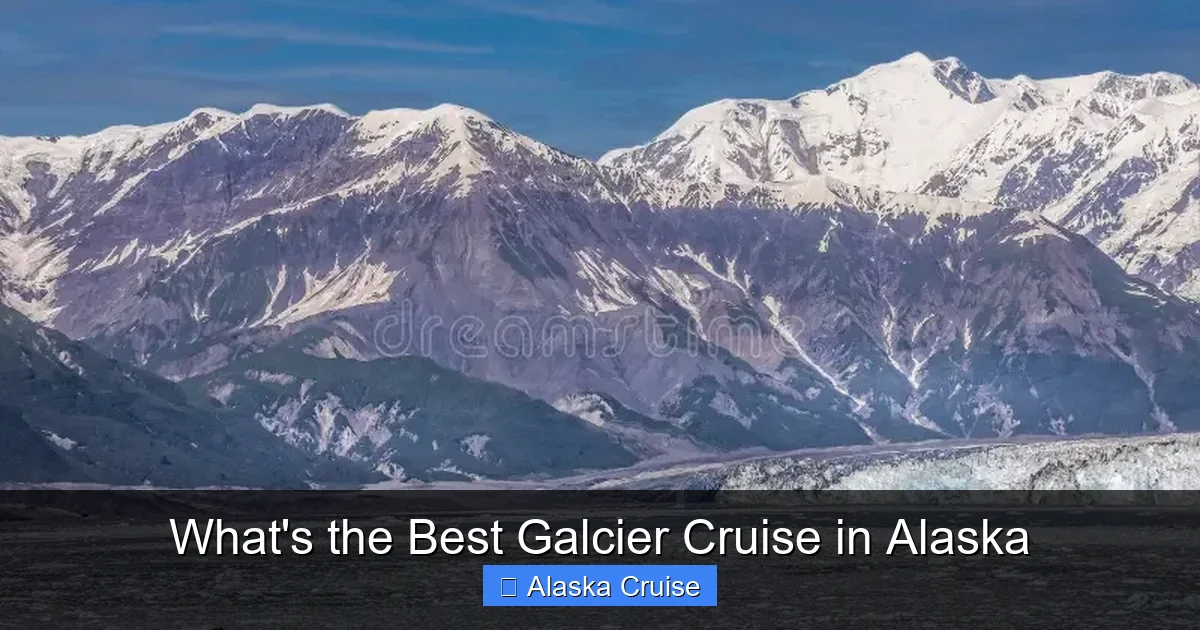
Glacier Bay is arguably the crown jewel of Alaska’s glacial wonders. This UNESCO World Heritage Site and national park spans over 3.3 million acres and is home to some of the most active and accessible tidewater glaciers in the world. Ships typically spend a full day cruising through the bay, passing by the Margerie and Lamplugh Glaciers, both known for frequent calving events.
What makes Glacier Bay special is its dynamic landscape. The park is a living example of glacial retreat and ecological succession. As glaciers recede, they leave behind new land that gradually transforms into forests and wetlands. Park rangers often join the ship to provide live commentary, sharing stories about the Tlingit people who have lived in the region for thousands of years.
Hubbard Glacier
At over 76 miles long and nearly 7 miles wide at its face, Hubbard Glacier is the largest tidewater glacier in North America. Located near Yakutat Bay, it’s a favorite stop on northbound and southbound Alaska cruises. Unlike many glaciers that are retreating, Hubbard has advanced in recent decades, occasionally blocking Russell Fjord and creating a temporary lake.
Watching Hubbard Glacier calve is a dramatic experience. The glacier’s sheer size means that icefalls can send house-sized chunks into the water with explosive force. The sound echoes across the fjord, and the resulting waves can rock even large ships. Hubbard is also a prime spot for spotting marine life, including orcas, sea lions, and harbor seals.
Tracy Arm and Endicott Arm
These twin fjords near Juneau are famous for their narrow, steep-walled canyons and towering granite cliffs. Tracy Arm is home to the Sawyer Glaciers, while Endicott Arm features the Dawes Glacier. Both fjords offer some of the most intimate glacier experiences, especially on smaller ships that can navigate the tight channels.
One of the highlights of Tracy Arm is the chance to see the “floating cathedral” effect—sunlight streaming through ice formations that resemble stained glass. Wildlife is abundant here too, with black bears often spotted foraging along the shoreline and mountain goats scaling the cliffs.
College Fjord
Located in Prince William Sound, College Fjord is named after the Ivy League colleges whose names were given to its glaciers (e.g., Harvard, Yale, Smith). This fjord is less visited than Glacier Bay or Hubbard, making it a peaceful alternative for those seeking solitude and untouched beauty.
The glaciers here are smaller but no less impressive. Many are hanging glaciers, perched high on mountain slopes and feeding into the fjord below. The area is also rich in marine life, with frequent sightings of sea otters, porpoises, and bald eagles.
Types of Glacier Cruises: Which One Is Right for You?
Alaska offers a wide range of cruise experiences, from massive floating resorts to nimble expedition vessels. Choosing the right type of cruise is key to having the best glacier experience.
Large Cruise Ships (2,000+ passengers)
Major cruise lines like Princess, Holland America, and Royal Caribbean operate large ships that offer a full resort experience. These vessels feature multiple dining options, Broadway-style shows, spas, and kids’ clubs. They’re ideal for families or travelers who want comfort and entertainment alongside scenic cruising.
However, large ships have limitations. Due to their size, they can’t enter narrow fjords like Tracy Arm or get as close to glaciers as smaller vessels. They also spend less time in key glacial areas, often passing through Glacier Bay in a single day. Still, they offer excellent value and are a great introduction to Alaska cruising.
Mid-Sized Ships (500–1,000 passengers)
Mid-sized ships strike a balance between comfort and access. Lines like Celebrity Cruises and Norwegian Cruise Line offer modern amenities while still being able to visit most major glacier destinations. These ships often include naturalist-led programs and have more flexible itineraries than their larger counterparts.
One advantage of mid-sized ships is their ability to offer a mix of port time and scenic cruising. For example, a typical 7-day itinerary might include stops in Juneau, Skagway, and Ketchikan, with a full day in Glacier Bay. This gives you the best of both worlds—onshore adventures and glacier viewing.
Small Expedition Ships (under 200 passengers)
For travelers seeking a more intimate and immersive experience, small expedition ships are the gold standard. Companies like UnCruise Adventures, Lindblad Expeditions, and Alaskan Dream Cruises operate vessels designed for adventure and exploration.
These ships can navigate shallow waters, enter narrow fjords, and anchor closer to glaciers. They often carry kayaks, Zodiacs, and even helicopters for shore excursions. Onboard naturalists and marine biologists provide in-depth commentary, and the small group size allows for personalized attention. While cabins may be smaller and fewer amenities available, the focus is on the destination—not the ship.
Private Yachts and Charters
For the ultimate luxury experience, private yacht charters offer complete customization. You can design your own itinerary, spend extra time at favorite glaciers, and enjoy gourmet meals prepared by a private chef. This option is ideal for couples, small groups, or those celebrating a special occasion.
However, private charters come with a high price tag—often $10,000 or more per person for a week-long trip. They also require more planning and coordination, as you’ll need to arrange your own excursions and logistics.
Best Time to Take a Glacier Cruise in Alaska
Timing your Alaska glacier cruise can make a big difference in your experience. While the cruise season runs from May to September, each month offers unique advantages and trade-offs.
May and Early June: Shoulder Season Benefits
Cruising in May or early June means fewer crowds, lower prices, and a sense of discovery. The weather is cooler, but the landscapes are lush and green, with snow-capped peaks still visible. Wildlife is active as animals emerge from winter hibernation, and you may see newborn calves among whale pods.
One downside is that some shore excursions, like dog sledding on glaciers, may not be available until later in the season. Additionally, daylight hours are increasing rapidly, with nearly 18 hours of sunlight by late June.
July and August: Peak Season
These are the most popular months for Alaska cruises, and for good reason. The weather is warmest, with daytime temperatures often reaching the 60s and 70s (Fahrenheit). Glaciers are most active during this time, with frequent calving events due to warmer temperatures and increased meltwater.
However, peak season also means larger crowds, higher prices, and limited availability. Popular cabins and excursions book up months in advance. If you’re flexible with dates, consider traveling in early July or late August to avoid the busiest weeks.
September: Fall Colors and Quiet Waters
September offers a quieter, more reflective Alaska experience. The crowds have thinned, and the landscapes are painted in golden hues as the leaves change. Wildlife is still abundant, and you may have better chances of seeing bears feeding on salmon in rivers.
The weather can be unpredictable, with cooler temperatures and a higher chance of rain. Some cruise lines begin reducing their schedules in September, so options may be more limited. But for travelers who value solitude and natural beauty, this can be the perfect time to go.
What to Expect Onboard a Glacier Cruise
While the main attraction is the scenery, the onboard experience plays a big role in your overall enjoyment. Here’s what you can expect during a typical glacier cruise day.
Scenic Cruising and Glacier Viewing
Most glacier viewing happens during “scenic cruising” days, when the ship slows down or stops in front of major glaciers. These days are usually spent on deck, bundled up in layers, with binoculars and cameras ready. Crew members often make announcements when wildlife or calving events are spotted.
Many ships offer heated outdoor viewing areas, loungers, and even telescopes for closer looks. Some vessels have glass-enclosed lounges with panoramic views, perfect for staying warm while still enjoying the scenery.
Onboard Education and Entertainment
One of the best features of Alaska cruises is the educational programming. Naturalists, marine biologists, and historians give daily lectures on topics like glacier formation, Tlingit culture, and whale migration. These talks are often held in the main theater or lounge and are included in your fare.
In the evenings, you might enjoy live music, local performances, or documentary screenings. Some ships also host guest speakers, such as photographers or climate scientists, who share their expertise on Alaska’s environment.
Dining and Cuisine
Alaska cruises pride themselves on fresh, local ingredients. Expect to see regional specialties like king crab, halibut, and salmon on the menu. Many ships partner with local fishermen and farmers to source sustainable seafood and produce.
Dining options vary by ship size. Large cruise lines offer multiple restaurants, buffets, and specialty dining (often for an extra fee). Smaller ships may have a single dining room with set seating, fostering a more communal atmosphere.
Shore Excursions and Adventures
While glacier viewing is the main event, shore excursions add excitement and depth to your trip. Popular options include:
- Glacier hiking and ice climbing: Guided tours on glaciers like Mendenhall or Matanuska offer a chance to walk on ancient ice.
- Kayaking among icebergs: Paddle through calm fjords surrounded by floating ice and wildlife.
- Helicopter tours: Fly over glaciers and land on remote ice fields for a bird’s-eye view.
- Dog sledding: Experience the thrill of mushing on a glacier, often with puppies joining the ride.
- Wildlife cruises: Smaller boats take you closer to whales, sea lions, and seabird colonies.
Excursions are typically booked in advance and can range from $50 to $500 per person. Prices vary based on duration, activity level, and exclusivity.
Tips for Choosing the Best Glacier Cruise
With so many options, selecting the right cruise can feel overwhelming. Here are some practical tips to help you make the best choice.
Define Your Priorities
Ask yourself what matters most: luxury, adventure, wildlife, education, or value. If you want spa treatments and fine dining, a large cruise ship might be best. If you’re eager to kayak among icebergs and learn from scientists, a small expedition vessel is the way to go.
Read Reviews and Compare Itineraries
Websites like Cruise Critic, TripAdvisor, and expert travel blogs offer detailed reviews from past passengers. Pay attention to comments about glacier viewing, wildlife sightings, and onboard service. Compare itineraries to see which ports and glaciers are included.
Check the Ship’s Size and Amenities
Smaller ships offer better access but fewer luxuries. Larger ships provide more entertainment but less intimacy. Make sure the ship’s features align with your expectations.
Book Early and Consider Travel Insurance
Popular cruises sell out quickly, especially for peak season. Booking 6–12 months in advance ensures better cabin selection and pricing. Also, consider travel insurance to protect against cancellations or delays.
Pack Smart for Glacier Viewing
Even in summer, Alaska can be chilly and wet. Bring layers, waterproof jackets, gloves, and sturdy shoes. Don’t forget binoculars, a good camera, and sunscreen—yes, the sun reflects off the ice!
Conclusion: Finding Your Perfect Alaska Glacier Cruise
There’s no single “best” glacier cruise in Alaska—only the one that’s right for you. Whether you’re drawn to the grandeur of Hubbard Glacier, the intimacy of Tracy Arm, or the luxury of a private yacht, Alaska’s icy wonders await. By considering your travel style, timing, and must-see destinations, you can choose a cruise that delivers unforgettable moments on the water.
Remember, the magic of an Alaska glacier cruise isn’t just in the sights—it’s in the stillness of a fjord at dawn, the roar of calving ice, and the quiet awe of standing in the presence of something ancient and powerful. So pack your bags, bring your sense of wonder, and get ready for the adventure of a lifetime.
FAQs
What is the best month to see glaciers in Alaska?
July and August are the best months for glacier viewing, as warmer temperatures increase calving activity and weather conditions are most favorable. However, May and September offer fewer crowds and unique seasonal beauty.
Can you get close to glaciers on a cruise?
Yes, especially on smaller expedition ships that can navigate narrow fjords and anchor closer to the ice. Large ships must maintain a safer distance due to their size and draft.
Do you need special clothing for a glacier cruise?
Yes, layers are essential. Bring a waterproof jacket, warm layers, gloves, and non-slip shoes. Even in summer, temperatures near glaciers can be chilly, and mist from calving ice can make you wet.
Are there wildlife sightings on glacier cruises?
Absolutely. Humpback whales, orcas, sea otters, puffins, and brown bears are commonly seen. Naturalists onboard help spot and identify wildlife during scenic cruising.
How long should an Alaska glacier cruise be?
Most travelers choose 7-day itineraries, which allow time for multiple glacier stops, port visits, and scenic cruising. Longer 10- to 14-day cruises offer more in-depth exploration.
Are glacier cruises affected by climate change?
Yes, many glaciers are retreating due to warming temperatures. Cruise lines and naturalists often discuss climate change and its impact, making the experience both beautiful and thought-provoking.
This is a comprehensive guide about what’s the best galcier cruise in alaska.
Key Takeaways
- Understanding what’s the best galcier cruise in alaska: Provides essential knowledge
Frequently Asked Questions
What is what’s the best galcier cruise in alaska?
what’s the best galcier cruise in alaska is an important topic with many practical applications.