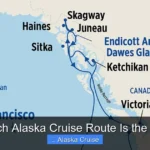
Choosing the best Alaskan cruise depends on your travel style, budget, and interests. Whether you’re seeking luxury, wildlife, or adventure, Alaska offers unforgettable experiences from glacier cruising to cultural immersion.
Dreaming of towering glaciers, breaching whales, and rugged mountain backdrops? An Alaskan cruise might just be the adventure of a lifetime. But with so many options—dozens of cruise lines, hundreds of itineraries, and a wide range of ship sizes and styles—how do you pick the best Alaskan cruise for you?
The truth is, there’s no single “best” cruise for everyone. The ideal voyage depends on what you value most: luxury, adventure, wildlife, cultural immersion, or budget-friendly fun. Some travelers want to sip champagne while watching ice calve into the sea. Others crave zipping through fjords on a kayak or learning about Tlingit heritage from local guides. The good news? Alaska delivers on all fronts—if you choose wisely.
In this guide, we’ll break down everything you need to know to find the best Alaskan cruise for your next vacation. From timing and itineraries to ship types and must-do excursions, we’ll help you navigate the icy waters of decision-making with confidence. Whether you’re a first-time cruiser or a seasoned traveler, this comprehensive overview will ensure your Alaskan journey is as breathtaking as the scenery itself.
Key Takeaways
- Itinerary matters most: The best Alaskan cruise includes key ports like Juneau, Ketchikan, and Skagway, plus glacier viewing in Hubbard or Glacier Bay.
- Ship size affects experience: Smaller ships offer closer wildlife encounters and access to remote inlets, while larger ships provide more amenities and entertainment.
- Time of year impacts scenery and crowds: May and September offer fewer tourists and lower prices, while July and August deliver peak wildlife and longer daylight.
- Onboard amenities vary widely: Luxury lines like Seabourn and Regent offer all-inclusive experiences, while mainstream lines like Norwegian and Royal Caribbean focus on family fun.
- Shore excursions enhance the journey: Booking guided tours for whale watching, dog sledding, or flightseeing adds depth to your Alaskan adventure.
- Consider cruise line reputation: Look for high guest satisfaction ratings, knowledgeable naturalists, and sustainable tourism practices.
- Pack smart for variable weather: Layers, waterproof gear, and binoculars are essential regardless of which Alaskan cruise you choose.
📑 Table of Contents
- Understanding What Makes an Alaskan Cruise “The Best”
- Top Itineraries: Where the Best Alaskan Cruises Go
- Cruise Line Comparison: Finding Your Perfect Match
- Best Time to Cruise Alaska: Timing Your Trip Right
- Must-Do Shore Excursions and Onboard Experiences
- Packing Tips and Practical Advice for Your Alaskan Cruise
- Conclusion: Choosing the Best Alaskan Cruise for You
Understanding What Makes an Alaskan Cruise “The Best”
When people ask, “What’s the best Alaskan cruise?” they’re really asking: “What’s the best Alaskan cruise *for me*?” And that’s a great question—because Alaska isn’t a one-size-fits-all destination. The “best” cruise is the one that aligns with your travel personality, budget, and expectations.
Let’s start with the basics. Alaska cruises typically run from May through September, with peak season in July and August. Most itineraries depart from Seattle or Vancouver and sail north through the Inside Passage, stopping at iconic ports like Ketchikan, Juneau, and Skagway before heading to glacier-rich areas like Glacier Bay or Hubbard Glacier. Some extended voyages even go as far as Anchorage or Seward, offering access to Denali National Park via land tours.
But beyond the route, the experience hinges on three key factors: the cruise line, the ship, and the onboard programming. A luxury line like Silversea or Crystal Cruises will offer gourmet dining, spacious suites, and expert-led excursions. In contrast, a family-friendly line like Carnival or Disney Cruise Line focuses on entertainment, kids’ clubs, and casual dining. Meanwhile, expedition-style ships from companies like Lindblad Expeditions or Hurtigruten blend adventure with education, often featuring naturalists and scientists on board.
So, how do you decide? Start by asking yourself: What do I want to get out of this trip? If it’s relaxation and pampering, lean toward luxury. If it’s wildlife and outdoor adventure, consider a smaller ship with expedition focus. If you’re traveling with kids or multi-generational family, prioritize activities and flexibility.
Another often-overlooked factor is the cruise director and crew. The best Alaskan cruises are led by passionate, knowledgeable staff who bring the destination to life. Look for lines that employ local Alaskan guides or partner with Indigenous communities for authentic cultural experiences. These touches elevate a good cruise into a truly memorable one.
Top Itineraries: Where the Best Alaskan Cruises Go
Not all Alaskan cruise routes are created equal. While most follow the classic Inside Passage loop, some venture further north or include unique stops that make them stand out. Here’s a breakdown of the most popular—and rewarding—itineraries.
The Classic Inside Passage (7–10 Days)
This is the most common Alaskan cruise route, typically sailing round-trip from Seattle or Vancouver. It includes stops in Ketchikan (known for its totem poles and rainforests), Juneau (the capital, accessible only by boat or plane), and Skagway (a Gold Rush-era town with scenic train rides). Most cruises also include a day at sea cruising past glaciers—often Hubbard Glacier, one of the most active in North America.
Why it’s great: This itinerary offers a balanced mix of culture, history, and natural beauty. It’s ideal for first-time visitors who want a taste of Alaska without committing to a longer trip.
Pro tip: Book a port-side cabin if you’re sailing northbound—you’ll have better views of the glaciers and coastal scenery.
Glacier Bay National Park Extension
Some cruises, especially those operated by Holland America and Princess, include a full day in Glacier Bay National Park. This UNESCO World Heritage Site is a highlight for many travelers, with towering tidewater glaciers, humpback whales, and sea lions. Ships slow to a crawl, allowing passengers to witness calving ice up close—a truly awe-inspiring moment.
Why it’s great: Glacier Bay is one of the most pristine and protected areas in Alaska. The park’s naturalists often come aboard to provide commentary, enhancing the educational value.
Note: Only a limited number of ships are allowed into Glacier Bay each day, so this adds exclusivity—and sometimes a higher price tag.
One-Way Cruises to or from Seward/Anchorage
For travelers who want to combine sea and land, one-way cruises from Vancouver to Seward (or vice versa) are a fantastic option. These 7–10 day voyages often include a stop in Ketchikan, Juneau, and Skagway, but end in Seward—gateway to Kenai Fjords National Park and Anchorage. Many travelers then take a land tour to Denali National Park, completing a full Alaska experience.
Why it’s great: You avoid backtracking and get more time to explore Alaska’s interior. Plus, you can fly home from Anchorage, saving time and money.
Extended 14-Day+ Voyages
Luxury and expedition lines often offer longer cruises that go beyond the Inside Passage. These might include stops in Haines, Icy Strait Point, or even Russian-influenced towns like Sitka. Some even cross the Gulf of Alaska to visit Kodiak Island or the remote Pribilof Islands.
Why it’s great: These cruises offer deeper immersion and access to less-visited areas. They’re perfect for travelers who want to go beyond the highlights and experience Alaska’s wilder side.
Small-Ship Expedition Routes
Companies like UnCruise Adventures, Lindblad Expeditions, and Hurtigruten operate smaller vessels (under 200 passengers) that can navigate narrow channels and remote inlets. These cruises often include kayaking, paddleboarding, and Zodiac landings on uninhabited shores.
Why it’s great: You get up close to wildlife—think sea otters, puffins, and even bears on the shore—and enjoy a more intimate, adventure-focused experience.
No matter which itinerary you choose, the best Alaskan cruise will include a mix of port time, scenic cruising, and opportunities for exploration. Look for routes that balance relaxation with adventure, and don’t be afraid to go off the beaten path.
Cruise Line Comparison: Finding Your Perfect Match
With so many cruise lines sailing Alaska, it’s easy to feel overwhelmed. To simplify, let’s break them down by category: luxury, mainstream, and expedition. Each offers a different flavor of Alaskan adventure.
Luxury Lines: All-Inclusive Elegance
If you’re looking for the best Alaskan cruise in terms of service and comfort, luxury lines are hard to beat. Companies like Regent Seven Seas, Seabourn, Silversea, and Crystal Cruises offer all-inclusive experiences with spacious suites, gourmet dining, and personalized service.
Regent Seven Seas, for example, includes unlimited shore excursions—meaning you can book whale watching, flightseeing, or cultural tours without extra cost. Seabourn features open-seating dining and a relaxed, adult-oriented atmosphere. Silversea often partners with National Geographic, bringing expert photographers and naturalists on board.
Best for: Travelers who value comfort, privacy, and premium amenities. Expect higher prices, but also higher satisfaction rates.
Mainstream Lines: Family Fun and Flexibility
Norwegian Cruise Line, Royal Caribbean, Carnival, and Princess dominate the mainstream market. These ships are larger, with more entertainment options—think rock climbing walls, ice skating rinks, and Broadway-style shows. They’re ideal for families, multigenerational trips, or travelers who want a lively onboard atmosphere.
Norwegian’s “Freestyle Cruising” allows flexible dining and dress codes, while Royal Caribbean’s ships feature surfing simulators and zip lines. Princess Cruises is known for its “North to Alaska” program, which includes local cuisine, cultural performances, and enhanced shore excursions.
Best for: Families, first-time cruisers, and those who want a mix of relaxation and activity. Prices are more budget-friendly, especially if you book early or during shoulder season.
Expedition Lines: Adventure and Education
For travelers who want to get off the ship and into the wild, expedition lines are the way to go. Lindblad Expeditions (in partnership with National Geographic), Hurtigruten, and UnCruise Adventures operate smaller, more agile ships designed for exploration.
These cruises emphasize outdoor activities—kayaking among icebergs, hiking in temperate rainforests, and Zodiac tours to remote coves. Naturalists, marine biologists, and local guides lead educational programs, making every day a learning opportunity.
Best for: Adventure seekers, nature lovers, and photographers. These cruises are often more expensive than mainstream options but offer unparalleled access and authenticity.
Boutique and Niche Options
Don’t overlook smaller players like American Cruise Lines or Alaskan-owned operators like Alaskan Dream Cruises. These companies offer intimate, U.S.-flagged voyages with a focus on American history and coastal scenery. They often visit smaller ports and provide a more personalized experience.
Best for: Travelers who prefer domestic operators and quieter ships.
When comparing cruise lines, consider not just the price, but what’s included. Does the fare cover gratuities, drinks, or excursions? Are there hidden fees? Reading recent reviews on sites like Cruise Critic or TripAdvisor can also give you a sense of guest satisfaction and onboard culture.
Best Time to Cruise Alaska: Timing Your Trip Right
Timing can make or break your Alaskan cruise experience. While the official season runs from May to September, each month offers a unique vibe—and trade-offs.
May and Early June: Shoulder Season Perks
Cruising in May or early June means fewer crowds, lower prices, and a sense of discovery. The weather is cooler, but the landscapes are lush and green, and wildlife is active as animals emerge from winter. You might even catch the tail end of the spring migration.
Pros: Great value, peaceful ports, and excellent wildlife viewing.
Cons: Cooler temperatures (40s–50s°F), some excursions may not be fully operational.
July and August: Peak Season Energy
These are the most popular months for a reason. The weather is mild (50s–60s°F), daylight lasts nearly 18 hours, and all excursions are running. It’s the best time for whale watching, bear viewing, and hiking.
Pros: Warmest weather, full activity schedule, vibrant port towns.
Cons: Higher prices, crowded ships and ports, limited availability.
September: Fall Colors and Quiet Beauty
As summer fades, September offers stunning fall foliage, especially in the Tongass National Forest. Crowds thin out, prices drop, and the light takes on a golden hue. Wildlife is still active, and you might spot migrating birds or bears feeding before hibernation.
Pros: Beautiful scenery, fewer tourists, great photo opportunities.
Cons: Cooler weather, some tours may end by mid-September.
What About April or October?
Very few cruise lines operate in April or October due to weather and logistical challenges. While you might find a rare deal, services and excursions are limited, and the risk of rough seas increases.
Ultimately, the best time to cruise Alaska depends on your priorities. If you want the full experience with all the bells and whistles, go in July or August. If you prefer solitude and savings, May or September could be your sweet spot.
Must-Do Shore Excursions and Onboard Experiences
The best Alaskan cruise isn’t just about the ship—it’s about what you do when you step ashore. Shore excursions are where the magic happens, transforming a scenic voyage into an unforgettable adventure.
Whale Watching in Juneau or Icy Strait Point
Humpback whales, orcas, and gray whales are common in Alaskan waters. Juneau offers boat tours that get you within 100 yards of these majestic creatures. Icy Strait Point, near Hoonah, is known for its high whale sighting rates—some tours even guarantee a sighting.
Tip: Book early, as these tours fill up fast.
Mendenhall Glacier and Nugget Falls
Just outside Juneau, this 13-mile-long glacier is one of Alaska’s most accessible. Walk the trails, take a guided glacier trek, or kayak in the nearby lake. The views are stunning, especially in the early morning light.
Dog Sledding on a Glacier (Skagway or Juneau)
Experience the thrill of mushing on a real glacier. Many tours include a helicopter ride to a remote glacier, where you’ll meet sled dogs and even take a short ride. It’s a bucket-list experience that combines adventure and history.
Flightseeing Over Denali or Glacier Bay
For a bird’s-eye view of Alaska’s vast wilderness, book a small-plane or helicopter tour. Fly over Denali (North America’s tallest peak), soar above Glacier Bay’s icy spires, or spot bears from the air. It’s pricey but worth every penny.
Historic Train Rides on the White Pass & Yukon Route
Departing from Skagway, this narrow-gauge railway follows the path of Gold Rush prospectors. The scenic ride through steep cliffs and waterfalls is both thrilling and educational.
Cultural Experiences with Indigenous Communities
Look for tours that partner with local Native groups. In Ketchikan, visit the Totem Heritage Center or attend a traditional dance performance. In Haines, learn about Tlingit art and storytelling. These experiences offer deep respect and authenticity.
Onboard, the best Alaskan cruises offer more than just buffets and buffets. Look for enrichment programs: lectures by naturalists, cooking demos with local ingredients, or stargazing sessions on deck. Some ships even host local musicians or artists for evening entertainment.
Packing Tips and Practical Advice for Your Alaskan Cruise
Packing for an Alaskan cruise is all about layers and versatility. The weather can change in minutes—sunny one hour, rainy the next. Here’s what to bring:
– **Base layers:** Moisture-wicking thermal tops and bottoms.
– **Mid layers:** Fleece or wool sweaters for warmth.
– **Outer layer:** A waterproof, windproof jacket (essential!).
– **Pants:** Quick-dry hiking pants or jeans.
– **Footwear:** Waterproof hiking boots and comfortable walking shoes.
– **Accessories:** Hat, gloves, scarf, and sunglasses.
– **Extras:** Binoculars, camera with zoom lens, reusable water bottle, and motion sickness remedies.
Don’t forget travel insurance—Alaska’s remote location means medical care can be limited. Also, check your cruise line’s dress code; some formal nights may require a jacket or cocktail attire.
Finally, be flexible. Weather can delay excursions, and wildlife sightings are never guaranteed. But that’s part of the adventure. The best Alaskan cruise isn’t about perfection—it’s about embracing the unexpected and marveling at nature’s grandeur.
Conclusion: Choosing the Best Alaskan Cruise for You
So, what’s the best Alaskan cruise? The answer is personal. It’s the one that matches your travel style, budget, and sense of adventure. Whether you’re sipping wine on a luxury balcony, kayaking beside a glacier, or laughing with family at a comedy show, Alaska has a cruise for you.
Start by defining your priorities. Do you want luxury or adventure? Quiet solitude or lively entertainment? Wildlife or culture? Then, research itineraries, compare cruise lines, and read recent reviews. Book early for the best cabins and prices, and don’t forget to budget for excursions—they’re where the real magic happens.
Above all, go with an open mind and a sense of wonder. Alaska is a land of extremes—of towering peaks and deep fjords, of silence and thunderous ice calving. The best Alaskan cruise won’t just show you the scenery; it will change the way you see the world.
Frequently Asked Questions
What is the best month to take an Alaskan cruise?
The best month depends on your preferences. July and August offer the warmest weather and full excursion availability, while May and September provide fewer crowds and lower prices. Choose based on your priorities for weather, wildlife, and budget.
Are Alaskan cruises worth it?
Absolutely. Alaskan cruises offer unparalleled access to glaciers, wildlife, and stunning coastal scenery. With the right itinerary and cruise line, it’s a once-in-a-lifetime experience that combines relaxation with adventure.
Do I need travel insurance for an Alaskan cruise?
Yes, travel insurance is highly recommended. Alaska’s remote location and variable weather can lead to delays or cancellations. Insurance can cover medical emergencies, trip interruptions, and lost luggage.
Can you see whales on an Alaskan cruise?
Yes, whale watching is one of the top activities. Humpback whales, orcas, and gray whales are commonly spotted, especially in Juneau, Icy Strait Point, and near Glacier Bay. Many excursions guarantee sightings.
What should I wear on an Alaskan cruise?
Dress in layers and bring waterproof gear. Mornings and evenings can be chilly, even in summer. Comfortable walking shoes, a warm jacket, and binoculars are essential for shore excursions and scenic cruising.
Are Alaskan cruises family-friendly?
Yes, many cruise lines like Disney, Royal Caribbean, and Norwegian offer family-friendly amenities, kids’ clubs, and entertainment. However, expedition cruises may be better suited for older children and adults due to their focus on outdoor activities.