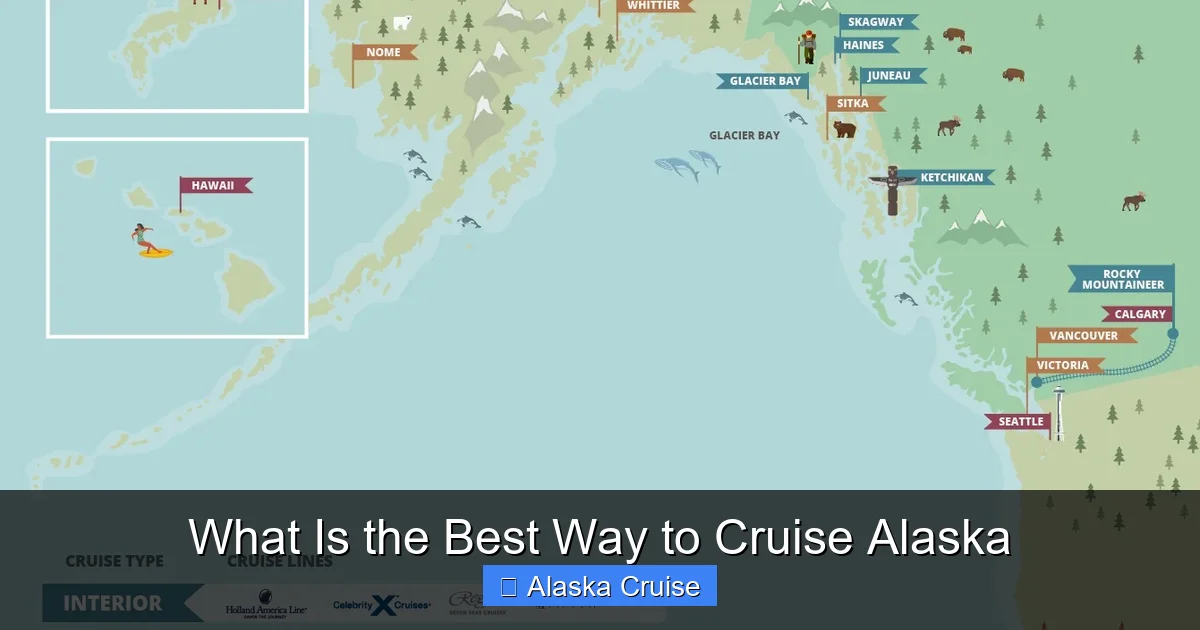
Choosing the best way to cruise Alaska depends on your travel style, budget, and interests. Whether you prefer luxury liners, small expedition ships, or family-friendly voyages, Alaska offers breathtaking glaciers, wildlife, and scenic beauty—plan wisely for the ultimate experience.
Dreaming of towering glaciers, breaching whales, and snow-capped peaks? A cruise to Alaska might just be the adventure of a lifetime. But with so many options—different cruise lines, ship sizes, itineraries, and departure ports—it’s easy to feel overwhelmed. So, what is the best way to cruise Alaska? The answer isn’t one-size-fits-all. It depends on what you value most: luxury, adventure, wildlife, or cultural immersion.
Alaska’s rugged coastline, dotted with fjords, forests, and frontier towns, is best explored by sea. A cruise allows you to glide past icebergs, spot bears along the shore, and visit charming ports like Juneau, Ketchikan, and Skagway—all while enjoying the comfort of a floating hotel. But not all cruises are created equal. Some focus on relaxation and fine dining, while others prioritize exploration and off-the-beaten-path experiences. The key is knowing what you want and matching it to the right cruise style.
Whether you’re a first-time cruiser or a seasoned traveler, this guide will help you navigate the choices and find the best way to cruise Alaska. From timing your trip to selecting the perfect ship and excursions, we’ll cover everything you need to make your Alaskan voyage unforgettable.
Key Takeaways
- Best Time to Cruise: May through September offers mild weather, long daylight hours, and peak wildlife activity.
- Ship Size Matters: Large ships offer more amenities; small ships provide closer access to glaciers and remote areas.
- Itinerary Options: Inside Passage cruises are classic; Gulf of Alaska routes include more ports and longer voyages.
- Shore Excursions Are Key: Book wildlife tours, glacier hikes, and cultural experiences in advance for the best access.
- Pack Smart: Layers, waterproof gear, and binoculars are essential for Alaska’s unpredictable weather.
- Consider a Cruise-Tour Combo: Extend your trip with land tours to Denali or the Kenai Fjords for a fuller experience.
- Book Early: Popular sailings and cabins fill quickly, especially for peak summer months.
📑 Table of Contents
- When Is the Best Time to Cruise Alaska?
- Choosing the Right Cruise Line and Ship
- Inside Passage vs. Gulf of Alaska: Which Itinerary Is Best?
- Must-Do Shore Excursions and Experiences
- Packing Tips for an Alaska Cruise
- Should You Combine Your Cruise with a Land Tour?
- Final Tips for the Best Alaska Cruise Experience
- Conclusion
When Is the Best Time to Cruise Alaska?
Timing your Alaska cruise can make or break your experience. The cruising season runs from May to September, but each month offers something different. Understanding these seasonal shifts will help you choose the best time for your trip.
May and Early June: The Quiet Start
If you prefer fewer crowds and lower prices, May and early June are ideal. The weather is cool but pleasant, with daytime temperatures ranging from 45°F to 60°F. Snow is still visible in the mountains, and the landscape is lush and green. Wildlife is active—bears are emerging from hibernation, and migratory birds are returning. However, some shore excursions may have limited availability, and not all attractions in port towns are fully open.
Mid-June to August: Peak Season
This is the most popular time to cruise Alaska, and for good reason. The weather is at its best, with long daylight hours—up to 18 hours of sunlight in Juneau during June. Glaciers are calving dramatically, and wildlife sightings are frequent. Whales, sea lions, puffins, and eagles are commonly spotted. However, this also means larger crowds, higher prices, and booked-up excursions. If you’re traveling during this window, book your cruise and tours well in advance.
September: The Golden Finale
Late summer brings stunning fall colors to the forests, especially in the interior regions. September offers a quieter experience with fewer tourists and slightly lower fares. The weather is still mild, though it can be rainy. Wildlife is active as animals prepare for winter, and you might catch the Northern Lights in the northern ports like Seward or Whittier. Some cruise lines begin winding down operations in late September, so itineraries may be shorter.
Ultimately, the best time to cruise Alaska depends on your priorities. For families with school-age children, July and August are convenient. For photographers and nature lovers, September’s golden light and fall colors are magical. If you’re on a budget, May or September can offer significant savings.
Choosing the Right Cruise Line and Ship

Visual guide about What Is the Best Way to Cruise Alaska
Image source: expeditioncruise.net
With dozens of cruise lines offering Alaska voyages, selecting the right one can feel daunting. Each line has a distinct personality, catering to different tastes and travel styles. The ship you choose will shape your entire experience.
Large Ships: Comfort and Entertainment
Major cruise lines like Holland America, Princess, and Norwegian Cruise Line operate large ships with thousands of passengers. These vessels offer a wide range of amenities: multiple dining options, Broadway-style shows, casinos, spas, and kids’ clubs. They’re ideal for families, first-time cruisers, or those who enjoy a resort-like atmosphere.
For example, Princess Cruises is known for its “North to Alaska” program, which includes local Alaskan cuisine, cultural performances, and educational talks. Their ships often feature glass-domed lounges with panoramic views—perfect for watching glaciers calve. Norwegian offers “freestyle cruising,” meaning no set dining times or dress codes, giving passengers more flexibility.
While large ships can’t navigate narrow fjords or get as close to glaciers, they offer stability in rough seas and a full schedule of onboard activities. They typically follow the Inside Passage route, visiting popular ports like Juneau, Ketchikan, and Skagway.
Small Ships: Intimacy and Adventure
If you crave a more intimate and immersive experience, consider a small ship cruise. Lines like UnCruise Adventures, Lindblad Expeditions (in partnership with National Geographic), and Alaskan Dream Cruises operate vessels with fewer than 200 passengers. These ships can access remote areas, sail closer to wildlife, and offer flexible itineraries.
Small ships often include expert naturalists, marine biologists, and local guides who provide in-depth commentary. Excursions might include kayaking among icebergs, hiking in temperate rainforests, or Zodiac boat tours near glaciers. For example, UnCruise offers “active adventures” with daily outdoor activities, while Lindblad focuses on photography and wildlife observation.
These cruises tend to be more expensive, but they offer a level of access and authenticity that large ships can’t match. They’re perfect for travelers who prioritize nature, adventure, and small-group experiences over luxury amenities.
Luxury and Boutique Options
For travelers seeking elegance and personalized service, luxury lines like Seabourn, Silversea, and Regent Seven Seas offer high-end Alaska cruises. These ships feature spacious suites, gourmet dining, and all-inclusive pricing. While they may not go as off-the-beaten-path as small expedition ships, they provide a refined experience with top-tier service and comfort.
Inside Passage vs. Gulf of Alaska: Which Itinerary Is Best?
One of the biggest decisions when planning your Alaska cruise is choosing your route. The two main options are the Inside Passage and the Gulf of Alaska—each offering unique experiences.
The Inside Passage: Classic and Scenic
The Inside Passage is the most popular Alaska cruise route, typically departing from Seattle or Vancouver and sailing north through a network of protected waterways. This route is known for its lush rainforests, charming coastal towns, and abundant wildlife. Ports of call often include:
– Ketchikan: Known as the “Salmon Capital of the World,” Ketchikan offers cultural experiences with Native Alaskan totem poles and the famous Creek Street boardwalk.
– Juneau: Alaska’s capital, accessible only by boat or plane, Juneau is a gateway to the Mendenhall Glacier and whale-watching tours.
– Skagway: A historic Gold Rush town with preserved buildings and the scenic White Pass & Yukon Route railway.
The Inside Passage is ideal for first-time cruisers and families. The waters are calm, the ports are well-developed, and the scenery is consistently stunning. Most cruises on this route are 7 days long, making them a great introduction to Alaska.
The Gulf of Alaska: Wild and Remote
The Gulf of Alaska route is longer—typically 10 to 14 days—and includes more diverse landscapes. These cruises often depart from Seattle or San Francisco and sail up the coast, crossing the open ocean to ports like Seward, Whittier, and Kodiak. This route offers access to:
– Glacier Bay National Park: A UNESCO World Heritage Site with massive tidewater glaciers and abundant marine life.
– Hubbard Glacier: One of the largest glaciers in North America, known for dramatic calving events.
– Denali National Park (via land tour): Many Gulf cruises are combined with land tours to see North America’s tallest peak.
The Gulf route is better for travelers who want a more comprehensive Alaska experience. It’s also ideal for those who want to combine their cruise with a land adventure, such as a train journey on the Alaska Railroad or a wildlife safari in Denali.
One-Way vs. Round-Trip Cruises
Another consideration is whether to book a one-way or round-trip cruise. Round-trip cruises depart and return to the same port (like Seattle or Vancouver), offering convenience and often lower airfare. One-way cruises, known as “open-jaw” itineraries, start in one city and end in another (e.g., Seattle to Seward). These are perfect for combining your cruise with a land tour, as you can fly home from a different location.
Must-Do Shore Excursions and Experiences
A cruise is just the beginning—Alaska truly comes alive on shore excursions. These guided tours and activities allow you to explore glaciers, meet wildlife, and learn about local culture. Booking in advance is highly recommended, as popular tours sell out quickly.
Glacier Viewing and Ice Adventures
No Alaska cruise is complete without seeing a glacier up close. Options include:
– Mendenhall Glacier (Juneau): Take a guided hike or kayak tour to explore the ice caves and surrounding rainforest.
– Tracy Arm Fjord (near Juneau): A Zodiac or small boat tour through this narrow fjord offers views of the Sawyer Glaciers and chances to see seals and whales.
– Hubbard Glacier (Yakutat): One of the most active glaciers in Alaska, best viewed from a cruise ship or flightseeing tour.
For a truly unique experience, consider a helicopter tour that lands on a glacier. Companies like Alaska Glacier Tours offer safe, guided walks on the ice—complete with crampons and hot chocolate.
Wildlife and Nature Tours
Alaska is a wildlife paradise. Popular excursions include:
– Whale Watching (Juneau, Icy Strait Point): Humpback whales, orcas, and gray whales are commonly seen. Icy Strait Point offers one of the highest whale sighting rates in Alaska.
– Bear Viewing (Ketchikan, Hyder): Visit salmon-rich rivers where brown and black bears fish. Tours often include a naturalist guide and binoculars.
– Birdwatching (St. Lazaria Island, near Sitka): This volcanic island is home to thousands of seabirds, including puffins, murres, and kittiwakes.
Cultural and Historical Experiences
Learn about Alaska’s rich heritage with visits to Native Alaskan villages, museums, and historic sites:
– Totem Bight State Historical Park (Ketchikan): See restored totem poles and learn about Tlingit and Haida cultures.
– Klondike Gold Rush National Historical Park (Skagway): Walk the same trails as prospectors during the 1898 gold rush.
– Alaska Indian Arts (Haines): Participate in workshops to carve totem poles, weave baskets, or bead traditional designs.
Adventure Activities
For thrill-seekers, Alaska offers endless outdoor adventures:
– Dog Sledding on a Glacier (Juneau): Ride in a sled pulled by huskies across a snowfield—even in summer.
– Zipline Tours (Icy Strait Point): Soar over temperate rainforests on one of the longest ziplines in the U.S.
– Fishing Charters (Ketchikan, Seward): Try your hand at catching salmon, halibut, or rockfish.
Packing Tips for an Alaska Cruise
Alaska’s weather can be unpredictable, even in summer. Packing the right gear will ensure you stay comfortable and enjoy every moment.
Layering Is Key
Temperatures can vary widely—from chilly mornings at sea to warm afternoons in port. Dress in layers: a moisture-wicking base layer, insulating mid-layer (like fleece), and a waterproof outer shell. A warm hat, gloves, and scarf are essential for glacier days.
Waterproof Everything
Rain is common, especially in the Inside Passage. Bring a high-quality rain jacket and waterproof pants. Waterproof hiking boots with good traction are a must for shore excursions.
Don’t Forget the Extras
– Binoculars: Essential for spotting wildlife from the ship or shore.
– Sunscreen and Sunglasses: The sun reflects off snow and water, increasing UV exposure.
– Camera with Extra Batteries: Cold weather drains batteries quickly.
– Reusable Water Bottle: Stay hydrated during excursions.
– Motion Sickness Remedies: Even in calm waters, some passengers feel queasy.
Onboard Attire
Most cruise lines have casual and formal nights. Pack a few dressier outfits for dinner, but keep it comfortable. Avoid overpacking—laundry services are available on most ships.
Should You Combine Your Cruise with a Land Tour?
For many travelers, the best way to cruise Alaska is to extend their trip with a land tour. This allows you to explore Alaska’s interior, which is inaccessible by cruise ship.
Popular Cruise-Tour Combinations
– Denali National Park: Take a train or bus tour to see Mount Denali, North America’s highest peak. Wildlife sightings include grizzly bears, moose, and caribou.
– Kenai Fjords National Park (Seward): Explore glaciers, fjords, and marine wildlife on a boat tour or kayak adventure.
– Anchorage and the Mat-Su Valley: Visit the Alaska Native Heritage Center, take a scenic drive along Turnagain Arm, or go flightseeing over the Chugach Mountains.
How to Book a Cruise-Tour
Many cruise lines offer packaged cruise-tour vacations, which include transportation, hotels, and guided tours. Princess Cruises’ “Land & Sea” program and Holland America’s “CruiseTours” are popular options. Alternatively, you can book your cruise and land tour separately for more flexibility.
Transportation Tips
The Alaska Railroad is the most scenic way to travel between ports and inland destinations. Trains like the Coastal Classic (Anchorage to Seward) offer panoramic views and comfortable seating. Flights are faster but less immersive.
Final Tips for the Best Alaska Cruise Experience
To make the most of your Alaska cruise, keep these final tips in mind:
– Book Early: The best cabins and excursions sell out months in advance, especially for peak season.
– Arrive a Day Early: Flights to Seattle or Vancouver can be delayed. Arriving early reduces stress and gives you time to explore.
– Download Offline Maps: Cell service is limited in remote areas. Download maps and guides before you go.
– Respect Wildlife: Keep a safe distance from animals and follow your guide’s instructions.
– Support Local Businesses: Shop at local artisans’ markets and eat at independent restaurants in port towns.
Conclusion
So, what is the best way to cruise Alaska? It’s the one that matches your sense of adventure, budget, and travel style. Whether you sail on a massive liner with nightly shows or a small expedition ship with Zodiac landings, Alaska’s raw beauty will leave you in awe. From the thunderous crash of calving glaciers to the silent glide of a whale through icy waters, every moment is a reminder of nature’s power and wonder.
Plan wisely, pack thoughtfully, and embrace the unexpected. Alaska doesn’t just offer a cruise—it offers a transformation. And when you return home, you’ll carry a piece of the Last Frontier with you.
Frequently Asked Questions
What is the best month to cruise Alaska?
The best month depends on your preferences. July and August offer the warmest weather and longest days, while September provides fall colors and fewer crowds. May and June are great for lower prices and early-season wildlife.
Do I need a passport for an Alaska cruise?
If your cruise departs and returns to the same U.S. port (like Seattle), a passport is not required—but it’s highly recommended. For cruises departing from Canada or visiting foreign ports, a passport is mandatory.
Can you see the Northern Lights on an Alaska cruise?
Yes, but only in late September or early October, and only in northern ports like Seward or Whittier. Visibility depends on solar activity and clear skies, so it’s not guaranteed.
Are Alaska cruels rough?
Most Alaska cruises sail in protected waters, so seas are generally calm. However, Gulf of Alaska crossings can be rougher. Choose a mid-ship cabin on a lower deck for the smoothest ride.
What should I wear on an Alaska cruise?
Pack layers, including a waterproof jacket, fleece, and warm accessories. Comfortable walking shoes and binoculars are also essential. Bring one or two dressier outfits for formal nights.
Can you drink the water on an Alaska cruise?
Yes, tap water on cruise ships is safe to drink. It’s filtered and meets international standards. You can also refill reusable bottles at water stations around the ship.