Choosing the best time for Alaska cruise depends on your priorities—wildlife, weather, crowds, and scenery. While summer offers long days and active wildlife, shoulder seasons provide fewer crowds and lower prices. This guide breaks down each month to help you pick the ideal window for your Alaskan adventure.
Key Takeaways
- Peak Season (June–August): Warmest weather, longest daylight hours, and peak wildlife activity make this the most popular time to cruise Alaska.
- Shoulder Seasons (May & September): Fewer crowds, lower prices, and still-decent weather offer a great balance for budget-conscious travelers.
- Wildlife Viewing: Bears, whales, and migratory birds are most active from late May through September.
- Glacier Visibility: Glaciers are most accessible and dramatic in July and August, though calving events can happen any time.
- Weather Variability: Even in summer, pack layers—Alaska’s weather can shift quickly, with rain and cool temperatures common.
- Cruise Line Schedules: Most major cruise lines operate between May and September, with limited departures in April and October.
- Northern Lights: Aurora viewing is not possible during summer due to midnight sun, but late September offers a small chance under clear skies.
📑 Table of Contents
- Introduction: Why Timing Matters for Your Alaska Cruise
- Understanding Alaska’s Cruise Season: A Month-by-Month Breakdown
- Wildlife Viewing: When to See Alaska’s Iconic Animals
- Weather and Climate: What to Expect Each Month
- Cruise Line Options and Itinerary Considerations
- Packing Tips and Travel Preparation
- Conclusion: Finding Your Perfect Alaska Cruise Window
Introduction: Why Timing Matters for Your Alaska Cruise
So, you’re dreaming of towering glaciers, breaching whales, and rugged mountain backdrops—classic Alaska. But before you book that cruise, there’s one big question: when should you go? Unlike tropical destinations where the weather is fairly consistent year-round, Alaska is a land of extremes. The best time for Alaska cruise isn’t just about sunshine and warmth—it’s about aligning your travel goals with what nature has to offer each season.
Alaska’s cruise season is surprisingly short, typically running from early May to late September. Outside of that window, most cruise lines don’t operate due to harsh weather and limited daylight. But even within those five months, the experience can vary dramatically. June might offer endless daylight and bustling wildlife, while September brings golden foliage and a quieter, more intimate vibe. Your ideal timing depends on what you value most: wildlife sightings, comfortable weather, budget savings, or avoiding crowds.
Understanding Alaska’s Cruise Season: A Month-by-Month Breakdown

Visual guide about What Is the Best Time for Alaska Cruise
Image source: images.squarespace-cdn.com
To truly grasp the best time for Alaska cruise, it helps to look at each month individually. Alaska’s climate and natural rhythms shift quickly, and what’s perfect in July might feel underwhelming in May. Let’s walk through the season month by month, so you can match your travel style with the right window.
April: The Quiet Before the Storm
April is technically the tail end of winter in Alaska, and most cruise lines don’t begin operations until late in the month. If you do find a rare April departure—usually from Seattle or Vancouver—expect limited itineraries and cooler temperatures. Daylight is increasing rapidly, but snow is still common in interior regions like Denali. Wildlife is just beginning to stir after winter hibernation. While it’s not the most popular time, April can offer deeply discounted fares and a sense of being among the first to witness spring’s arrival. Just be prepared for unpredictable weather and fewer port activities.
May: Spring Awakens
May marks the official start of the cruise season, and it’s a magical time to visit. The landscape is transforming—snow is melting, rivers are swelling, and the first wildflowers are blooming. Daylight hours are long, with up to 16–18 hours of sunlight by the end of the month. Temperatures are cool but pleasant, averaging 40–60°F (4–15°C), especially along the coast.
Wildlife begins to emerge in force. Bears leave their dens, and salmon start their upstream migration, drawing eagles and other predators to rivers and streams. Whale season kicks off in May, with humpbacks and orcas becoming more active. Cruise ships often visit popular spots like Glacier Bay and Hubbard Glacier, where ice is still abundant and dramatic.
One major perk of cruising in May? Fewer crowds. You’ll share ports with fewer tourists, and excursions tend to be more personalized. Prices are also lower than in peak summer months, making it a great value. Just remember: pack layers, waterproof gear, and be ready for occasional rain.
June: Peak of the Midnight Sun
June is when Alaska truly comes alive. This is arguably the best time for Alaska cruise if you want the full summer experience. Daylight is near-constant—especially in northern regions like Juneau and Skagway, where the sun barely sets. Known as the “midnight sun,” this phenomenon allows for extended sightseeing and photography opportunities well into the evening.
Weather is at its most reliable, with average temperatures ranging from 50–70°F (10–21°C). Rain is still possible, but sunny days are more common. Wildlife is in full swing: bears are fishing for salmon, whales are feeding in coastal waters, and migratory birds fill the skies. Glacier calving is frequent, offering jaw-dropping moments as massive ice chunks crash into the sea.
Cruise ships are fully operational, and all major ports are open. However, June is also when crowds begin to build. Popular excursions—like dog sledding on glaciers or whale-watching tours—can book up quickly, so reserve early. If you’re looking for a balance of great weather, active wildlife, and full access to activities, June is hard to beat.
July: The Heart of Summer
July is the busiest and most popular month for Alaska cruises. It’s peak season for a reason: the weather is warmest, the days are longest, and the scenery is at its most vibrant. Temperatures often reach 60–75°F (15–24°C), especially in southern coastal towns like Ketchikan and Juneau. Rain is still a possibility, but sunny days dominate.
This is prime time for wildlife. Humpback whales are abundant, often seen breaching or bubble-net feeding. Brown bears are frequently spotted along riverbanks, particularly in areas like Anan Creek or Pack Creek. Glaciers are highly active, with frequent calving events creating thunderous splashes and icebergs that drift into fjords.
However, July also means peak crowds. Ports can feel busy, and popular excursions sell out weeks in advance. If you’re flexible with dates, consider early or late July to avoid the absolute busiest weeks (typically mid-July). Booking early is essential—not just for cruise cabins, but for flights, hotels, and tours.
Despite the crowds, July offers the most reliable conditions for outdoor activities. Hiking, kayaking, and flightseeing tours operate at full capacity. If you’re traveling with kids or prefer a lively atmosphere, July is an excellent choice.
August: Summer’s Final Flourish
August continues the summer magic, with warm weather and abundant wildlife. While slightly cooler than July, temperatures remain comfortable, averaging 50–70°F (10–21°C). Daylight begins to shorten slightly, but you’ll still enjoy 14–16 hours of sunlight, depending on your location.
Wildlife remains active. Whales are still common, and bears are busy fattening up before winter. One unique August highlight? The salmon run peaks, drawing eagles, otters, and even black bears to rivers. This is also a great time for birdwatching, as many species are still present before migration.
Crowds begin to ease slightly compared to July, especially in the latter half of the month. Prices may drop a bit, and you’ll find more availability for excursions. August is also ideal for photographers—the light is softer than in June, and the landscape is lush and green.
One thing to note: some cruise lines begin reducing their schedules in late August, so itineraries may be shorter or less frequent. Still, August remains a top contender for the best time for Alaska cruise, especially if you want summer weather without the peak July rush.
September: The Golden Shoulder Season
September is a hidden gem for Alaska cruisers. As summer winds down, the landscape transforms into a stunning palette of gold, red, and orange. The weather is cooler—averaging 40–60°F (4–15°C)—but often clearer and drier than summer months. Rain is less frequent, and skies are often crisp and blue.
Wildlife is still active. Bears are hyperphagic, eating nonstop to prepare for hibernation. Whales may still be spotted, though sightings become less predictable. One major draw in September? The chance to see the northern lights. While not guaranteed, late September offers the first real opportunity for aurora viewing, especially in northern ports like Skagway or Haines, where light pollution is minimal.
Crowds thin out significantly. You’ll have more space on ships, shorter lines at attractions, and a more relaxed pace. Prices drop considerably, making September a budget-friendly option. Many cruise lines offer end-of-season deals, and flights to departure cities are often cheaper.
However, some excursions may begin to close or reduce hours. Glacier Bay and other parks remain open, but weather can be more variable. Pack warm layers, a good rain jacket, and be prepared for cooler evenings.
For travelers seeking a quieter, more reflective Alaska experience—with fall colors, fewer people, and still-decent weather—September is an outstanding choice.
Wildlife Viewing: When to See Alaska’s Iconic Animals
One of the biggest draws of an Alaska cruise is the chance to see wildlife in its natural habitat. But timing is everything. Different animals are active at different times, and knowing when to go can dramatically improve your chances of unforgettable encounters.
Bears: Salmon Season and Coastal Foraging
Alaska is home to both black bears and brown bears (including grizzlies), and the best time to see them is during salmon runs—typically from late June through September. Bears congregate along rivers and streams to feast on spawning salmon, offering incredible photo opportunities.
Popular bear-viewing spots include Pack Creek on Admiralty Island (near Juneau), Anan Creek near Wrangell, and the Katmai National Park area (accessible via flightseeing tours). July and August are peak months, but September offers a unique advantage: bears are more active during daylight hours as they prepare for hibernation.
Whales: Humpbacks, Orcas, and More
Whale watching is a highlight of any Alaska cruise. Humpback whales arrive in May and stay through September, feeding on krill and small fish in nutrient-rich waters. Orcas (killer whales) are also common, especially in areas like Frederick Sound and Stephens Passage.
The best whale sightings typically occur from June to August, when populations are highest. However, some cruise lines offer whale-watching excursions as early as May and as late as September. Look for ships that include stops in Icy Strait Point or Glacier Bay, both known for reliable whale activity.
Birds: Eagles, Puffins, and Migratory Species
Alaska is a birdwatcher’s paradise. Bald eagles are abundant year-round, but they’re especially visible during salmon runs. Puffins nest on coastal cliffs from May to August, with peak activity in July. Other migratory birds, including sandhill cranes and Arctic terns, pass through in spring and fall.
For the best birdwatching, aim for June or July. Many cruise itineraries include stops at protected wildlife refuges, where guided tours offer close-up views of nesting colonies and coastal ecosystems.
Weather and Climate: What to Expect Each Month
Alaska’s weather is famously unpredictable, even in summer. While the state doesn’t experience extreme heat, it’s not immune to rain, wind, and sudden temperature drops. Understanding the climate patterns can help you pack smart and set realistic expectations.
Temperature Trends
Coastal areas (where most cruises travel) are moderated by the ocean, so temperatures are milder than inland regions. Average highs range from 50°F (10°C) in May to 70°F (21°C) in July and August. Nights are cooler, often dipping into the 40s (4–9°C), even in summer.
Inland excursions—like visits to Denali or flightseeing over glaciers—can be significantly colder, especially at higher elevations. Always bring a warm layer, even if the forecast looks sunny.
Precipitation and Rainfall
Rain is common along the coast, particularly in the southeast (Ketchikan, Wrangell). June and July tend to be the wettest months, though September often sees clearer skies. Don’t let rain deter you—many Alaskans joke that “there’s no such thing as bad weather, only bad clothing.” A high-quality waterproof jacket and quick-dry clothing are essential.
Daylight Hours
One of Alaska’s most unique features is its extreme daylight variation. In June, the sun may not set until after 10 p.m. in Juneau, with only a few hours of twilight. By September, sunset occurs around 8 p.m., and nights are noticeably darker. This affects everything from sleep schedules to photography opportunities.
Cruise Line Options and Itinerary Considerations
Not all Alaska cruises are created equal. Different cruise lines offer varying itineraries, ship sizes, and onboard experiences. Your choice can influence the best time for Alaska cruise based on your preferences.
Major Cruise Lines and Their Schedules
Most major lines—including Holland America, Princess, Norwegian, and Royal Caribbean—operate from May to September. Smaller luxury lines like Seabourn and Silversea may offer shorter seasons or more exclusive routes.
Princess and Holland America are known for their Glacier Bay itineraries, which require permits and are highly competitive. These cruises are most reliable in July and August, when park access is guaranteed.
Norwegian and Royal Caribbean often focus on shorter, round-trip routes from Seattle, appealing to families and first-time cruisers. These lines may offer more flexibility in May and September.
Itinerary Length and Ports
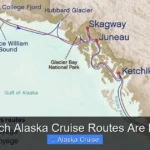
Typical Alaska cruises last 7–10 days, visiting 4–6 ports. Common stops include:
– Ketchikan: Known as the “Salmon Capital of the World,” great for rainforest hikes and totem poles.
– Juneau: Alaska’s capital, accessible only by boat or plane, with glacier tours and whale watching.
– Skagway: A historic gold rush town with scenic train rides and hiking trails.
– Glacier Bay: A UNESCO World Heritage Site with towering glaciers and abundant wildlife.
– Hubbard Glacier: One of the largest tidewater glaciers, best viewed from the ship.
Longer itineraries may include Haines, Icy Strait Point, or even a stop in Victoria, BC. Choose based on your interests—glaciers, wildlife, history, or outdoor adventure.
Packing Tips and Travel Preparation
Packing for an Alaska cruise is all about layers and versatility. Even in summer, conditions can change rapidly.
Essential Clothing
– Waterproof jacket and pants
– Warm fleece or down vest
– Quick-dry shirts and pants
– Sturdy, waterproof hiking boots
– Hat, gloves, and scarf (even in summer)
– Swimwear (for hot tubs or geothermal pools)
Gear and Accessories
– Binoculars (essential for wildlife viewing)
– Camera with extra batteries (cold drains power quickly)
– Reusable water bottle
– Daypack for shore excursions
– Motion sickness remedies (for rough seas)
Travel Documents and Health
– Valid passport (required for Canadian ports)
– Travel insurance (highly recommended)
– Medications in original containers
– Copies of important documents
Conclusion: Finding Your Perfect Alaska Cruise Window
So, what is the best time for Alaska cruise? The answer isn’t one-size-fits-all. If you want warm weather, long days, and peak wildlife, June through August is ideal. For fewer crowds, lower prices, and fall colors, consider May or September. Each month offers a unique slice of Alaska’s natural beauty.
Ultimately, the best time is the one that aligns with your travel goals, budget, and tolerance for variable weather. Whether you’re chasing whales, hiking through rainforests, or marveling at glaciers, Alaska delivers an unforgettable experience—no matter when you go. Just remember to pack wisely, book early, and keep your camera ready. The Last Frontier is waiting.
Frequently Asked Questions
What is the best month for an Alaska cruise?
The best month depends on your priorities. July offers the warmest weather and most wildlife, while September provides fewer crowds and lower prices. June is ideal for long daylight hours and full access to excursions.
Can you see the northern lights on an Alaska cruise?
Yes, but only in late September or October, after the midnight sun ends. Summer months have too much daylight for aurora viewing. Late September offers the first real chance under clear, dark skies.
Is it cold on an Alaska cruise in summer?
Summer temperatures range from 50–70°F (10–21°C), but it can feel cooler on the water or at higher elevations. Layers and a waterproof jacket are essential, even in July.
Are Alaska cruises crowded in August?
August is still busy, but less so than July. Crowds begin to ease in the latter half of the month, making it a good balance of good weather and availability.
Can you see bears on an Alaska cruise?
Yes, especially from June to September during salmon runs. Popular bear-viewing spots include Pack Creek and Anan Creek, often accessed via guided excursions.
Do I need a passport for an Alaska cruise?
Yes, if your itinerary includes Canadian ports like Victoria or Vancouver. Even closed-loop cruises (departing and returning to the same U.S. port) require a passport for international stops.