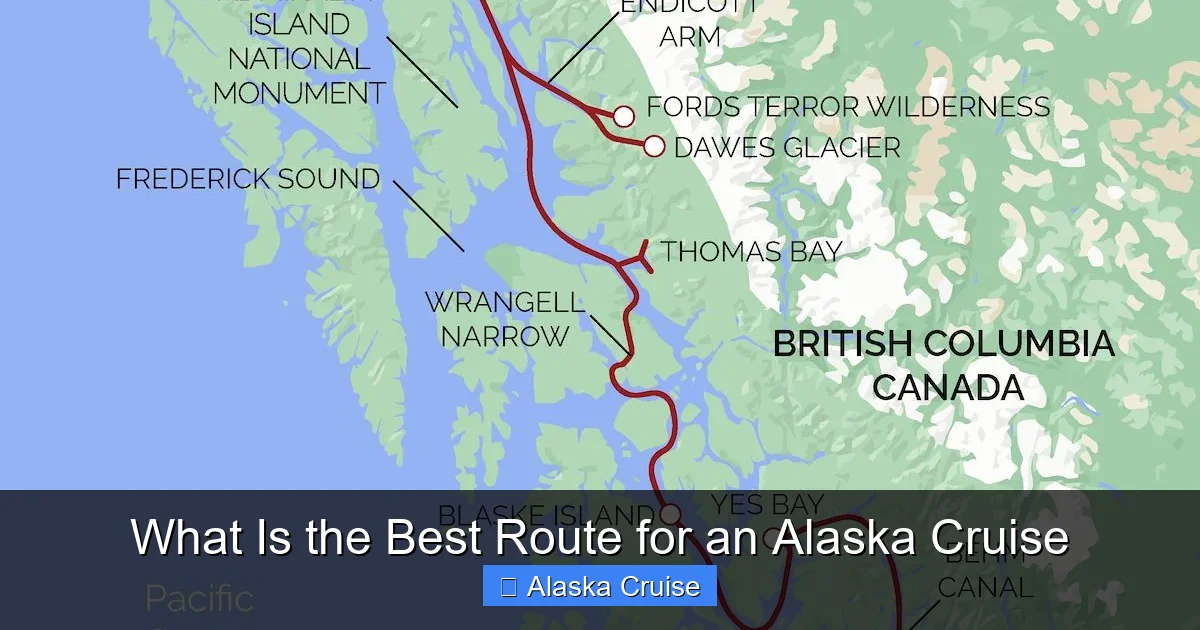
Choosing the best route for an Alaska cruise depends on your interests, travel style, and time of year. Whether you’re drawn to lush rainforests, towering glaciers, or abundant wildlife, understanding the major itineraries—Inside Passage, Gulf Coast, and roundtrip vs. one-way cruises—helps you pick the ideal journey. This guide breaks down each route’s highlights, ports, and practical tips to help you sail smarter.
Dreaming of icy fjords, breaching humpback whales, and snow-capped peaks? An Alaska cruise delivers all that and more. But with so many routes, ports, and cruise lines to choose from, it’s easy to feel overwhelmed. The truth is, there’s no single “best” route—only the one that best fits your travel goals, budget, and sense of adventure.
Alaska’s rugged coastline stretches over 6,000 miles, offering a mix of dramatic glaciers, lush temperate rainforests, and vibrant Indigenous cultures. Whether you’re a nature lover, history buff, or simply craving a break from the everyday, an Alaskan voyage promises unforgettable moments. But to make the most of your trip, you need to understand the different cruise routes available and what each one offers.
In this guide, we’ll walk you through the most popular Alaska cruise itineraries, compare their highlights, and help you decide which path suits you best. From the classic Inside Passage to the more remote Gulf Coast adventures, we’ll cover everything you need to know—ports of call, wildlife viewing opportunities, seasonal considerations, and insider tips to enhance your journey. So grab your parka, pack your camera, and let’s explore the best routes for an Alaska cruise.
Key Takeaways
- Inside Passage cruises are ideal for first-timers: These southbound routes from Seattle or Vancouver offer stunning coastal scenery, charming towns like Juneau and Ketchikan, and frequent wildlife sightings.
- Gulf Coast itineraries go deeper into Alaska: Sailing from cities like Anchorage or Whittier, these longer cruises reach remote glaciers, national parks, and ports like Skagway and Glacier Bay.
- Roundtrip cruises offer convenience and value: Departing and returning to the same port (e.g., Seattle or Vancouver) simplifies logistics and often includes more onboard amenities.
- One-way (open-jaw) cruises maximize exploration: Flying into one city and sailing to another (e.g., Seattle to Vancouver) lets you see more of Alaska without backtracking.
- Glacier viewing varies by route and season: May and June offer calmer seas and early wildlife activity, while July and August provide peak glacier calving and longer daylight.
- Smaller ships access hidden gems: Boutique cruise lines can dock in lesser-known ports like Haines or Petersburg, offering a more intimate Alaskan experience.
- Plan excursions in advance: Popular activities like whale watching, dog sledding, and helicopter tours fill up quickly—book early for the best options.
📑 Table of Contents
- Understanding Alaska Cruise Routes: An Overview
- The Inside Passage: The Classic Alaska Cruise Experience
- Gulf Coast Cruises: Going Deeper into the Wild
- Roundtrip vs. One-Way Cruises: Which Is Right for You?
- Best Time to Cruise: Seasonal Considerations
- Choosing the Right Cruise Line and Ship
- Insider Tips for a Memorable Alaska Cruise
- Conclusion
Understanding Alaska Cruise Routes: An Overview
Before diving into specific itineraries, it’s helpful to understand the two main types of Alaska cruise routes: the Inside Passage and the Gulf Coast. Each offers a distinct experience, shaped by geography, climate, and accessibility.
The Inside Passage is a narrow, sheltered waterway that hugs the Pacific coast from Washington State up through British Columbia and into southeastern Alaska. This route is famous for its dense forests, cascading waterfalls, and abundant marine life. It’s the most popular choice for first-time cruisers and families, thanks to its relatively calm waters and well-established ports.
In contrast, Gulf Coast itineraries venture further north and west, often starting or ending in ports like Seward or Whittier near Anchorage. These cruises typically include longer sea days and access to iconic destinations like Glacier Bay National Park, Hubbard Glacier, and the Kenai Fjords. They’re ideal for travelers seeking a more immersive Alaskan adventure, with opportunities to explore remote wilderness and witness massive tidewater glaciers up close.
Both routes can be experienced on roundtrip cruises (departing and returning to the same city) or one-way “open-jaw” itineraries (flying into one port and sailing to another). Roundtrip cruises are convenient and often more affordable, while one-way options allow you to cover more ground without retracing your steps.
The Inside Passage: The Classic Alaska Cruise Experience
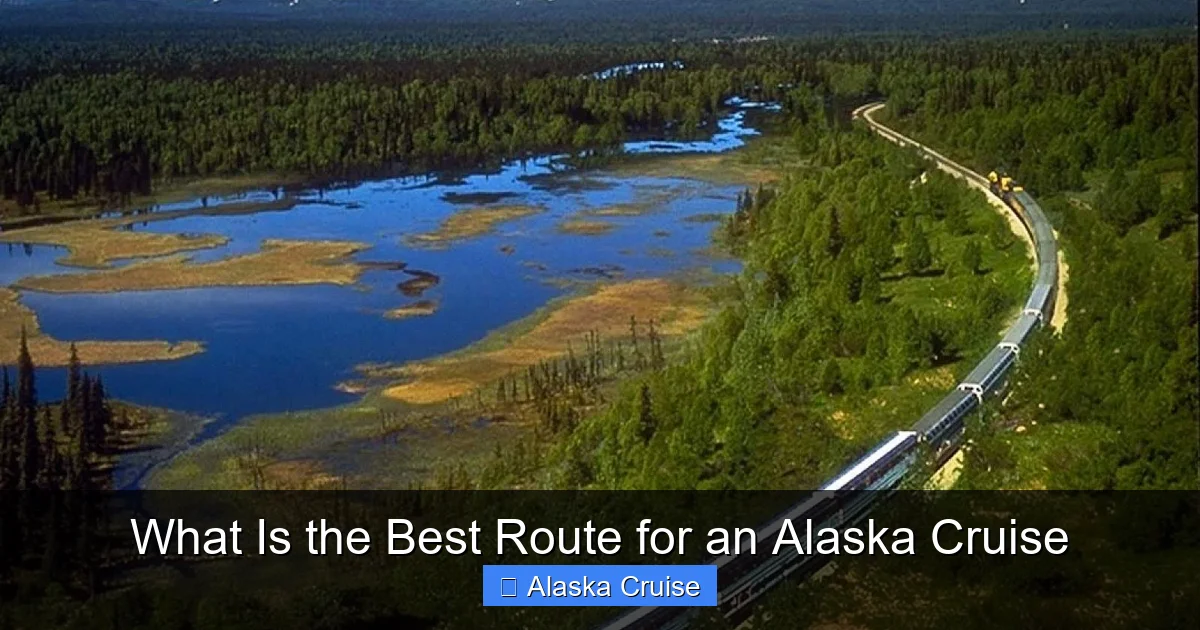
Visual guide about What Is the Best Route for an Alaska Cruise
Image source: uploads.alaska.org
If you’re new to Alaska cruising, the Inside Passage is likely your best starting point. This scenic route winds through a maze of islands, inlets, and coastal towns, offering a gentle introduction to the state’s natural beauty and cultural heritage.
Most Inside Passage cruises depart from Seattle or Vancouver, making them easily accessible for North American travelers. The journey typically lasts 7 to 10 days and includes stops in key ports like Juneau, Skagway, Ketchikan, and sometimes Victoria, British Columbia.
Juneau, Alaska’s capital, is accessible only by boat or plane—a fact that adds to its charm. Nestled between the Gastineau Channel and towering mountains, Juneau offers a mix of urban amenities and outdoor adventure. Shore excursions here range from whale watching and glacier hiking to visiting the Alaska State Museum or taking a scenic tram ride up Mount Roberts.
Skagway is a step back in time. This historic gold rush town preserves its 1890s frontier spirit with wooden boardwalks, saloons, and the famous White Pass and Yukon Route Railway. A ride on this narrow-gauge steam train is a must—it climbs nearly 3,000 feet through steep canyons and offers breathtaking views of the surrounding wilderness.
Ketchikan bills itself as the “Salmon Capital of the World,” and it’s easy to see why. Located on Revillagigedo Island, this colorful town is known for its totem poles, Native Alaskan culture, and thriving fishing industry. Visitors can explore the Totem Heritage Center, take a floatplane tour over Misty Fjords National Monument, or enjoy fresh seafood at a local dockside restaurant.
One of the biggest draws of the Inside Passage is its accessibility. Ships rarely venture far from shore, so you’ll spend your days surrounded by lush greenery, snow-dusted peaks, and the occasional sighting of bald eagles, sea lions, or even black bears along the shoreline. The waters are generally calm, making this route ideal for travelers prone to seasickness.
However, the Inside Passage does have its limitations. Because it stays relatively close to the coast, you won’t see the massive tidewater glaciers that define other parts of Alaska. And while wildlife is abundant, sightings can be less predictable than on longer, more remote itineraries.
Still, for many cruisers, the Inside Passage offers the perfect balance of comfort, convenience, and natural beauty. It’s a great way to sample Alaska’s highlights without committing to a longer, more expensive voyage.
Gulf Coast Cruises: Going Deeper into the Wild
For travelers seeking a more rugged and immersive Alaskan experience, Gulf Coast cruises are the way to go. These itineraries typically begin or end in ports near Anchorage—such as Seward or Whittier—and venture into the Gulf of Alaska, where the landscape becomes wilder and the glaciers more dramatic.
Unlike the sheltered waters of the Inside Passage, Gulf Coast routes include longer open-water crossings, which can mean rougher seas. But the trade-off is access to some of Alaska’s most iconic natural wonders, including Glacier Bay National Park, Hubbard Glacier, and the Kenai Fjords.
Glacier Bay National Park is a UNESCO World Heritage Site and one of the crown jewels of the Alaskan cruise experience. Spanning over 3.3 million acres, the park is home to over a dozen tidewater glaciers, including the famous Margerie and Grand Pacific Glaciers. Ships enter the park early in the morning and spend the day slowly cruising through icy waters, offering passengers front-row seats to glacier calving—the thunderous collapse of ice into the sea.
Hubbard Glacier, North America’s largest tidewater glacier, is another highlight of Gulf Coast itineraries. Stretching over 7 miles wide and rising up to 300 feet above the water, Hubbard Glacier is a sight to behold. On a calm day, you might hear the glacier “sing” as ice shifts and cracks beneath the surface.
Ports like Seward and Whittier serve as gateways to the Kenai Peninsula, where you can explore Exit Glacier, take a boat tour through Resurrection Bay, or go kayaking among sea otters and puffins. These towns are less touristy than their southeastern counterparts, offering a more authentic glimpse into Alaskan life.
One of the biggest advantages of Gulf Coast cruises is the opportunity to see Alaska’s interior. Many itineraries include a land tour component, allowing passengers to travel by train or motorcoach to Denali National Park, Fairbanks, or even Anchorage. These extended journeys—often called “cruise tours”—combine the best of sea and land travel, giving you a fuller picture of the state’s diversity.
However, Gulf Coast cruises are typically longer and more expensive than Inside Passage voyages. They also require more planning, especially if you’re flying into one port and out of another. And because they venture into open water, weather can be less predictable—pack layers and be prepared for wind and rain.
Roundtrip vs. One-Way Cruises: Which Is Right for You?
One of the first decisions you’ll make when booking an Alaska cruise is whether to choose a roundtrip or one-way itinerary. Both have their pros and cons, and the best choice depends on your travel style, budget, and time constraints.
Roundtrip cruises depart and return to the same port—most commonly Seattle or Vancouver. These itineraries are popular because they’re convenient and often more affordable. You don’t need to worry about booking separate flights or arranging transportation between cities, and many cruise lines offer package deals that include airfare, hotels, and transfers.
Roundtrip cruises also tend to have more onboard amenities, such as multiple dining venues, entertainment options, and family-friendly activities. They’re a great choice for families, first-time cruisers, or anyone who prefers a hassle-free vacation.
However, the downside is that you’ll retrace your route on the return journey, which means seeing the same ports and scenery twice. While some travelers enjoy the familiarity, others find it repetitive.
One-way (open-jaw) cruises, on the other hand, allow you to fly into one city and sail to another. For example, you might fly into Seattle and cruise to Vancouver, or start in Seward and end in Whittier. This setup maximizes your time in Alaska by eliminating backtracking and giving you a broader view of the state.
One-way cruises are ideal for experienced travelers, couples, or anyone looking to combine their voyage with a land tour. They’re also a smart choice if you’re short on time—you can cover more ground in less time by not returning to your starting point.
The trade-off is added complexity. You’ll need to book separate flights and possibly arrange ground transportation between ports. And because one-way itineraries are less common, they may be more expensive or have fewer departure dates.
Ultimately, the decision comes down to your priorities. If convenience and value are key, go roundtrip. If you want to see more of Alaska and don’t mind a bit of extra planning, choose a one-way cruise.
Best Time to Cruise: Seasonal Considerations
Alaska’s cruise season runs from May to September, but each month offers a different experience. Timing your trip can make a big difference in what you see and do.
May and early June mark the beginning of the season. The weather is cooler, but the landscape is lush and green, and wildlife is active after a long winter. You’ll have fewer crowds and lower prices, making it a great time for budget-conscious travelers. However, some excursions and attractions may not be fully operational yet.
July and August are peak season. The days are long—up to 18 hours of daylight in some areas—and the weather is mild. This is the best time for glacier viewing, as warmer temperatures increase calving activity. Wildlife is abundant, and all ports and tours are open. But expect higher prices and larger crowds.
September offers a quieter, more reflective experience. The autumn colors begin to appear, and the summer rush subsides. While some services may start to wind down, you’ll still have plenty of opportunities for sightseeing and outdoor activities. It’s also a great time for photography, with soft light and fewer people in the frame.
No matter when you go, pack for variable weather. Layers are essential—temperatures can swing from chilly mornings to warm afternoons, and rain is always a possibility.
Choosing the Right Cruise Line and Ship
Not all Alaska cruises are created equal. The cruise line and ship you choose can greatly influence your experience.
Mainstream cruise lines like Holland America, Princess, and Royal Caribbean offer large ships with extensive amenities, multiple dining options, and family-friendly activities. They’re a great choice if you want a full-service vacation with entertainment, shopping, and structured programming.
Boutique and luxury lines such as Seabourn, Silversea, and UnCruise Adventures focus on smaller ships, personalized service, and immersive experiences. These cruises often visit lesser-known ports and offer expert-led excursions, gourmet dining, and all-inclusive pricing. They’re ideal for travelers who value intimacy and authenticity over glitz and glamour.
Expedition-style cruises are perfect for adventurers. Lines like Lindblad Expeditions and National Geographic operate small, nimble vessels that can navigate narrow fjords and remote coastlines. These trips emphasize wildlife, photography, and hands-on learning, often with naturalists and scientists on board.
When choosing a ship, consider size, itinerary, and onboard culture. Larger ships offer more stability and amenities but may not access smaller ports. Smaller ships provide a more personal experience but may have fewer comforts.
Insider Tips for a Memorable Alaska Cruise
To make the most of your Alaska cruise, keep these practical tips in mind:
– Book excursions early: Popular tours like whale watching, dog sledding, and helicopter rides sell out fast—reserve them as soon as your cruise is confirmed.
– Pack smart: Bring waterproof layers, sturdy shoes, binoculars, and a good camera. Don’t forget sunscreen and insect repellent.
– Stay flexible: Weather and wildlife are unpredictable. Embrace changes to the itinerary as part of the adventure.
– Support local: Shop at local markets, try regional dishes like king crab or smoked salmon, and learn about Indigenous cultures through guided tours.
– Respect the environment: Alaska’s ecosystems are fragile. Follow Leave No Trace principles and support sustainable tourism practices.
Conclusion
So, what is the best route for an Alaska cruise? The answer depends on what you’re looking for. If you want a scenic, family-friendly introduction to Alaska, the Inside Passage is hard to beat. If you’re ready for a deeper adventure with glaciers, wildlife, and remote wilderness, a Gulf Coast itinerary is the way to go. And whether you choose roundtrip convenience or one-way exploration, the key is to align your route with your travel style and interests.
No matter which path you take, an Alaska cruise promises awe-inspiring landscapes, unforgettable wildlife encounters, and a renewed sense of wonder. With the right planning and a spirit of adventure, your voyage will be one for the books.
Frequently Asked Questions
What is the best month to take an Alaska cruise?
The best month depends on your priorities. July and August offer the warmest weather, longest days, and peak wildlife activity, making them ideal for most travelers. May and September are quieter and more affordable, with fewer crowds and beautiful scenery.
Can you see glaciers on an Inside Passage cruise?
Yes, but typically smaller ones like Tracy Arm or Endicott Fjord. For massive tidewater glaciers like Hubbard or Glacier Bay, you’ll need a Gulf Coast itinerary that ventures further north.
Do I need to book excursions in advance?
Yes, especially for popular activities like whale watching, dog sledding, and helicopter tours. These often sell out months in advance, so book as soon as your cruise is confirmed.
Are Alaska cruises family-friendly?
Absolutely. Many cruise lines offer kids’ clubs, family excursions, and educational programs. The Inside Passage, with its calm waters and accessible ports, is especially great for families.
What should I pack for an Alaska cruise?
Pack layers, including a waterproof jacket, warm sweater, and sturdy shoes. Don’t forget binoculars, a camera, sunscreen, and motion sickness remedies. Even in summer, temperatures can vary widely.
Can I visit Alaska without cruising?
Yes! You can explore Alaska by land via train, car, or bus, especially in areas like Denali, Anchorage, and the Kenai Peninsula. But a cruise offers unique access to coastal wildlife, glaciers, and remote ports that are hard to reach otherwise.