Choosing the best route for Alaska cruise depends on your travel style, interests, and time. Whether you prefer scenic coastal journeys or roundtrip convenience, understanding the major itineraries helps you pick the perfect voyage.
Planning an Alaska cruise is like choosing your own adventure—except instead of a choose-your-own-adventure book, you’re picking from some of the most stunning coastlines on Earth. With towering glaciers, snow-capped mountains, playful whales, and towns steeped in Gold Rush history, Alaska offers a cruise experience unlike any other. But with so many itineraries, departure cities, and route options, it’s easy to feel overwhelmed. So, what is the best route for Alaska cruise?
The truth is, there’s no single “best” route—only the best one for you. Your ideal Alaska cruise depends on your travel preferences, time available, budget, and what you want to see and do. Some travelers dream of sailing past massive glaciers calving into icy waters, while others are more excited about exploring quaint coastal towns and spotting bald eagles. Whether you’re a first-time cruiser or a seasoned seafarer, understanding the major Alaska cruise routes will help you make the smartest choice.
In this guide, we’ll break down the most popular Alaska cruise routes, compare their highlights, and give you practical tips to help you pick the perfect voyage. From the classic Inside Passage to the dramatic Gulf Route and the adventurous one-way glacier sailings, we’ll cover everything you need to know. By the end, you’ll have a clear picture of which route matches your travel style—and you’ll be one step closer to booking the Alaska adventure of a lifetime.
Key Takeaways
- Inside Passage Route: Ideal for first-time cruisers, offering lush rainforests, wildlife, and charming ports like Juneau and Ketchikan.
- Gulf Route (Roundtrip from Seattle or Vancouver): Great for convenience, with roundtrip sailings and access to Glacier Bay and Hubbard Glacier.
- One-Way Glacier Route: Best for adventure seekers, sailing from Seattle/Vancouver to Seward or Whittier (or vice versa), including deep glacier exploration.
- Duration Matters: 7-day cruises are most common, but 10–14-day trips offer more remote destinations like the Aleutian Islands or Arctic regions.
- Best Time to Cruise: May to September offers mild weather, longer days, and peak wildlife activity.
- Port Highlights: Don’t miss Juneau for whale watching, Skagway for Gold Rush history, and Ketchikan for totem poles and rainforests.
- Choose Based on Interests: Wildlife lovers should prioritize glacier-heavy routes; culture seekers may prefer port-rich Inside Passage itineraries.
📑 Table of Contents
Understanding the Major Alaska Cruise Routes
When it comes to Alaska cruises, there are three main route categories: the Inside Passage, the Gulf Route (often roundtrip), and the One-Way Glacier Route. Each offers a unique experience, and understanding the differences is key to choosing the right one.
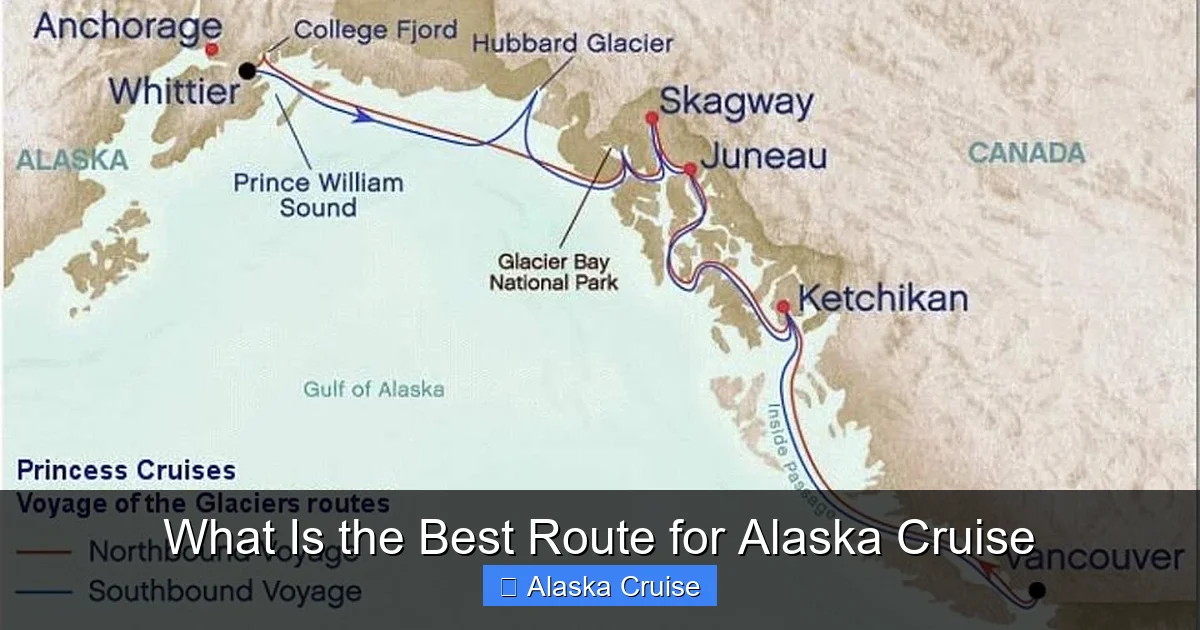
The Inside Passage is the most iconic and frequently traveled Alaska cruise route. It hugs the rugged coastline of British Columbia and southeastern Alaska, winding through narrow channels lined with dense temperate rainforests, fjords, and small towns. This route typically departs from Seattle or Vancouver and sails northward, stopping at ports like Ketchikan, Juneau, and Skagway before turning back. It’s perfect for travelers who want a scenic, relaxed journey with plenty of wildlife sightings and cultural stops.
The Gulf Route, often called the roundtrip route, also departs from Seattle or Vancouver but ventures farther into the Gulf of Alaska. These cruises typically include a visit to Glacier Bay National Park or Hubbard Glacier—one of the most photographed glaciers in the world. Because they return to the same port, they’re convenient for travelers who don’t want to deal with post-cruise logistics like flights or overland transfers.
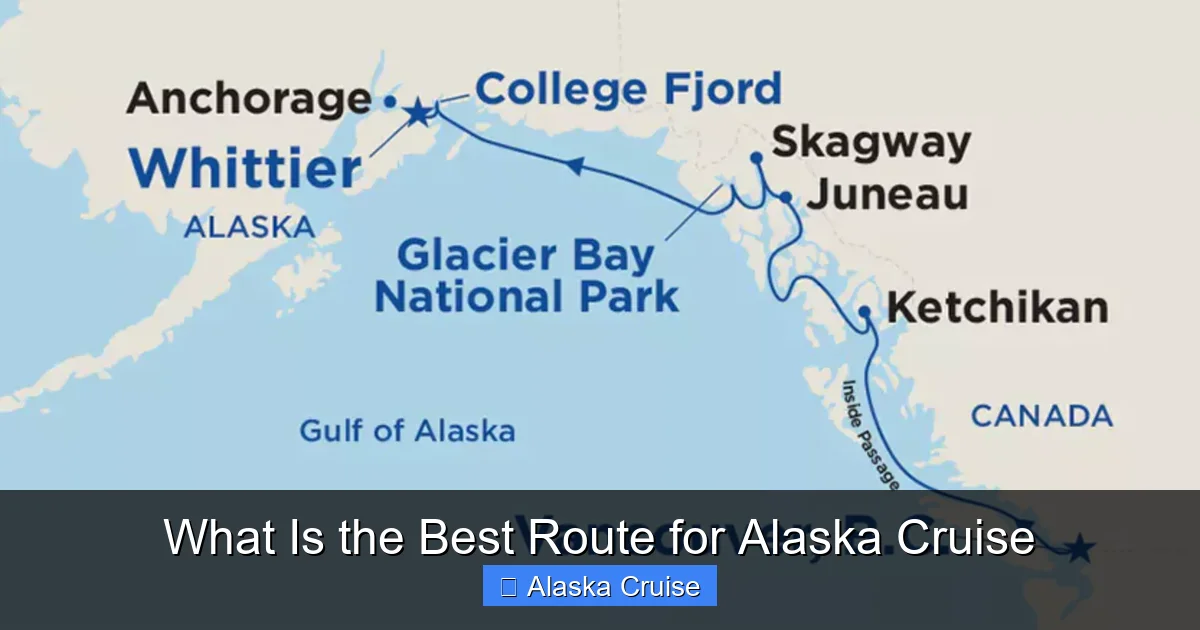
Then there’s the One-Way Glacier Route, which sails from Seattle or Vancouver to Seward or Whittier (near Anchorage), or vice versa. These cruises often spend more time in glacier-rich areas like College Fjord and offer extended time in ports like Ketchikan and Juneau. They’re ideal for travelers who want a more immersive Alaska experience and don’t mind arranging post-cruise travel.
Each route has its strengths, and the “best” one depends on what you value most: scenery, convenience, adventure, or cultural exploration.
Inside Passage: The Classic Coastal Journey
If you’re new to Alaska cruising, the Inside Passage is likely your best starting point. This route is the most traditional and widely available, with dozens of cruise lines offering sailings from May through September. It’s known for its calm waters, stunning scenery, and frequent wildlife encounters.
The journey typically begins in Seattle or Vancouver, both major cruise hubs with excellent flight connections. From there, the ship sails north along the coast, passing through the protected waters of the Inside Passage. This area is shielded from the open ocean by a chain of islands, creating a serene and scenic sailing experience.
Key ports on this route include:
– Ketchikan: Known as the “Salmon Capital of the World,” Ketchikan offers lush rainforests, totem pole parks, and opportunities for fishing or kayaking. It’s also a great spot to learn about Native Alaskan culture.
– Juneau: Alaska’s capital city is accessible only by boat or plane, making it a unique port. Here, you can go whale watching, hike the Mendenhall Glacier, or take a helicopter tour over the ice fields.
– Skagway: This historic Gold Rush town feels like a step back in time. Ride the White Pass & Yukon Route railway, explore old saloons, or hike through the surrounding wilderness.
One of the biggest advantages of the Inside Passage route is its accessibility. Because it’s a roundtrip cruise (you leave and return to the same city), you don’t need to worry about booking flights or arranging transportation at the end. It’s also generally more affordable than one-way routes, making it a great option for budget-conscious travelers.
However, the Inside Passage does have its limitations. While it offers incredible scenery and wildlife, it doesn’t always include the massive glaciers found farther north. If glacier viewing is a top priority, you may want to consider a route that ventures into the Gulf of Alaska.
Gulf Route: Roundtrip with Glacier Access
For travelers who want the convenience of a roundtrip cruise but also crave glacier experiences, the Gulf Route is an excellent compromise. These cruises depart from Seattle or Vancouver and sail into the Gulf of Alaska, where they visit iconic glaciers like Hubbard Glacier or Glacier Bay National Park.
Hubbard Glacier is one of the most active glaciers in North America, stretching over 7 miles wide and towering up to 300 feet above the water. Watching it calve—when chunks of ice break off and crash into the sea—is a breathtaking sight that many cruisers consider the highlight of their trip. Glacier Bay, a UNESCO World Heritage Site, offers a more protected environment with guided naturalist programs and abundant wildlife, including humpback whales and sea lions.
The Gulf Route typically includes the same ports as the Inside Passage—Ketchikan, Juneau, and Skagway—but adds glacier days that can last 6 to 8 hours. This extended time allows for closer views, quieter waters, and better photo opportunities.
One of the biggest benefits of the Gulf Route is its balance. You get the best of both worlds: the charm of coastal towns and the drama of glacier landscapes—all without the hassle of post-cruise travel. It’s also a great option for families, as the calm waters and predictable itinerary make for a stress-free vacation.
That said, Gulf Route cruises can be slightly more expensive than Inside Passage sailings due to the longer distance traveled and the inclusion of premium glacier experiences. They also tend to be more popular, so booking early is recommended—especially for summer sailings.
One-Way Glacier Route: The Ultimate Alaska Adventure
If you’re looking for a more immersive and adventurous Alaska cruise, the One-Way Glacier Route is hard to beat. These cruises sail from Seattle or Vancouver to Seward or Whittier (near Anchorage), or in the reverse direction. Because they don’t return to the starting point, they often spend more time in glacier-rich areas and offer a deeper exploration of Alaska’s wild landscapes.
One-way cruises typically include extended stops in ports like Ketchikan, Juneau, and Skagway, but they also venture into remote areas like College Fjord, where you can see dozens of glaciers spilling down from the Chugach Mountains. Some itineraries even include a visit to Icy Strait Point, a private resort owned by the Huna Totem Corporation, where you can zipline through the rainforest or watch brown bears fishing for salmon.
The biggest advantage of a one-way cruise is the sense of progression. You’re not just touring Alaska—you’re traveling through it. The journey feels more like an expedition, with each day bringing new landscapes and experiences. It’s also a great way to see more of Alaska, as you can combine your cruise with a land tour in Denali National Park or a train ride on the Alaska Railroad.
However, one-way cruises require more planning. You’ll need to book flights to or from Anchorage, and you may need to arrange transportation between the port and the airport. They’re also typically more expensive than roundtrip options, both in terms of cruise fare and post-cruise logistics.
That said, for travelers who want the full Alaska experience—glaciers, wildlife, culture, and adventure—the one-way route is often worth the extra effort.
Choosing the Right Cruise Duration
Visual guide about What Is the Best Route for Alaska Cruise
Image source: thepointsguy.global.ssl.fastly.net
Another important factor in determining the best route for Alaska cruise is the length of your voyage. Most Alaska cruises last 7 days, but options range from 5-day short getaways to 14-day extended expeditions.
7-Day Cruises: The Sweet Spot
Seven-day cruises are the most popular choice for Alaska travelers, and for good reason. They offer a balanced mix of sea days, port stops, and glacier viewing, all within a manageable timeframe. Most 7-day itineraries follow either the Inside Passage or Gulf Route, with 3 to 4 port calls and 1 to 2 glacier days.
For example, a typical 7-day roundtrip from Seattle might include:
– Day 1: Depart Seattle
– Day 2: At sea
– Day 3: Ketchikan
– Day 4: Juneau
– Day 5: Skagway
– Day 6: Glacier Bay or Hubbard Glacier
– Day 7: Return to Seattle
This schedule allows plenty of time to explore each port, enjoy onboard activities, and take in the scenery. It’s ideal for first-time cruisers, families, and travelers with limited vacation time.
5-Day and 6-Day Cruises: Quick Escapes
Shorter cruises are great for travelers who want a taste of Alaska without committing to a full week. These itineraries often focus on the Inside Passage and include 2 to 3 port stops. While you’ll miss out on glacier days, you’ll still get to experience charming towns and wildlife.
Keep in mind that shorter cruises mean less time in each port and fewer sea days for relaxation. They’re best for travelers who are short on time or want to combine their cruise with a longer land tour.
10- to 14-Day Cruises: Extended Adventures
For those who want to go deeper into Alaska, longer cruises offer incredible value. These voyages often include remote destinations like the Aleutian Islands, the Arctic Circle, or the Inside Passage combined with a land tour.
For example, some 14-day itineraries sail from Vancouver to Seward, then continue with a train ride to Denali National Park and a flight back to Seattle. These trips are perfect for travelers who want a comprehensive Alaska experience and don’t mind a higher price tag.
Longer cruises also offer more time for wildlife viewing, cultural immersion, and relaxation. You’ll have fewer crowds, more personalized service, and the chance to truly unwind.
Best Time to Cruise Alaska
Timing is everything when it comes to Alaska cruises. The official cruise season runs from May to September, but each month offers a different experience.
May and June: Early Season Magic
Cruising in May or early June means fewer crowds, lower prices, and the chance to see spring blooms and newborn wildlife. The weather is cooler, but days are long and bright. Glacier calving is active, and you’re likely to see bears, moose, and migratory birds.
July and August: Peak Season
These are the most popular months for Alaska cruises, with warm weather, long daylight hours, and the best wildlife activity. Whale watching is at its peak, and all ports and tours are fully operational. However, expect higher prices and larger crowds.
September: Fall Foliage and Quiet Seas
Late-season cruises in September offer stunning fall colors, fewer tourists, and lower fares. The weather is still mild, and wildlife is active as animals prepare for winter. It’s a great time for photographers and travelers seeking a more peaceful experience.
Port Highlights and What to Expect
No matter which route you choose, Alaska’s ports are a major draw. Here’s what to expect at the most popular stops:
Ketchikan: Rainforests and Totem Poles
Ketchikan is your first taste of Alaska’s natural beauty. Walk through the Tongass National Forest, visit the Totem Heritage Center, or take a floatplane tour over Misty Fjords. Don’t miss a ride on the historic Creek Street tram.
Juneau: Whales and Glaciers
Juneau is a hub for adventure. Go whale watching in Auke Bay, hike to the base of the Mendenhall Glacier, or take a helicopter tour over the Juneau Icefield. The city also has great local restaurants and shops.
Skagway: Gold Rush History
Step back in time in Skagway. Ride the White Pass & Yukon Route railway, explore the Klondike Gold Rush National Historical Park, or hike the Chilkoot Trail. The town has a lively, frontier feel with saloons and live music.
Glacier Bay and Hubbard Glacier: Ice and Wonder
These glacier days are the climax of most Alaska cruises. Sit on the deck with a warm drink and watch as icebergs float by and glaciers calve into the sea. Naturalists on board provide commentary, making the experience both educational and awe-inspiring.
Tips for Choosing the Best Route for You
Now that you know the options, here are some practical tips to help you decide:
– Consider your travel style: Do you prefer convenience or adventure? Roundtrip cruises are easier, but one-way routes offer more depth.
– Think about your interests: Wildlife lovers should prioritize glacier-heavy routes; culture seekers may prefer port-rich itineraries.
– Check the itinerary details: Not all cruises visit the same ports or spend the same time in glaciers. Read the fine print.
– Book early: Popular routes and summer sailings fill up fast. Booking 6 to 12 months in advance can save money and secure better cabins.
– Pack wisely: Alaska weather can be unpredictable. Bring layers, waterproof gear, and binoculars for wildlife viewing.
Conclusion
So, what is the best route for Alaska cruise? The answer is personal. The Inside Passage offers classic coastal beauty and ease of travel. The Gulf Route delivers glacier drama with roundtrip convenience. And the One-Way Glacier Route provides the ultimate Alaska adventure for those willing to plan ahead.
No matter which route you choose, an Alaska cruise is a journey you’ll never forget. From the roar of calving glaciers to the sight of a humpback whale breaching in the distance, Alaska’s wild beauty will stay with you long after you return home. Take the time to compare itineraries, consider your priorities, and pick the route that feels right for you. Your perfect Alaska adventure is waiting.
Frequently Asked Questions
What is the most popular Alaska cruise route?
The Inside Passage is the most popular route, especially for first-time cruisers. It offers scenic coastal views, charming ports, and convenient roundtrip sailings from Seattle or Vancouver.
Which route has the best glacier views?
The Gulf Route and One-Way Glacier Route offer the best glacier experiences, with visits to Hubbard Glacier, Glacier Bay, and College Fjord. These routes spend more time in icy waters for closer views.
Can I see wildlife on an Alaska cruise?
Yes! Alaska cruises are excellent for wildlife viewing. You can spot whales, sea lions, bald eagles, bears, and more, especially in ports like Juneau and Icy Strait Point.
Is a one-way cruise worth the extra cost?
It depends on your travel style. One-way cruises offer deeper exploration and unique experiences but require more planning and expense for post-cruise travel. They’re ideal for adventure seekers.
What should I pack for an Alaska cruise?
Pack layers, a waterproof jacket, comfortable walking shoes, binoculars, and warm clothing. Even in summer, temperatures can vary, and weather changes quickly.
When is the best time to book an Alaska cruise?
Book 6 to 12 months in advance, especially for summer sailings. Early booking often means better cabin selection, lower prices, and more availability on popular routes.