Choosing the best month to take Alaska cruise depends on your priorities—weather, wildlife, crowds, and price. While July offers peak conditions, shoulder months like June and August provide great value and fewer crowds.
Key Takeaways
- Peak Season (June–August): Warmest weather, longest days, and best wildlife viewing make these months the most popular for Alaska cruises.
- Best Weather in July: July typically has the mildest temperatures, least rainfall, and clearest skies—ideal for sightseeing and outdoor activities.
- Shoulder Months (May & September): Fewer crowds, lower prices, and unique seasonal experiences like spring blooms or fall colors.
- Wildlife Viewing Peaks in Summer: Humpback whales, bears, and puffins are most active from June through August.
- Northern Lights in Late Season: September offers a slim chance to see the aurora borealis, especially in northern ports like Fairbanks (on land extensions).
- Shore Excursions Vary by Month: Glacier calving is dramatic in summer, while dog sledding and snowshoeing are available in early or late season.
- Book Early for Best Deals: Popular sailings fill quickly, so reserve 6–12 months in advance, especially for July and August.
📑 Table of Contents
- What Is the Best Month to Take Alaska Cruise?
- Understanding the Alaska Cruise Season
- May: The Quiet Start to the Season
- June: The Season Hits Its Stride
- July: The Peak of the Season
- August: Summer’s Grand Finale
- September: The Quiet Goodbye
- How to Choose the Best Month for You
- Final Thoughts: Planning Your Perfect Alaska Cruise
What Is the Best Month to Take Alaska Cruise?
So, you’re dreaming of towering glaciers, breaching whales, and rugged coastlines painted in emerald green and sapphire blue. An Alaska cruise is one of the most breathtaking ways to experience the Last Frontier—but timing is everything. With a short sailing season stretching from May to September, choosing the best month to take Alaska cruise can make or break your trip.
Alaska’s climate is as wild and unpredictable as its landscapes. One week it’s sunny and 70°F, the next it’s misty and 50°F. Wildlife comes and goes with the seasons. Crowds swell and shrink. Prices rise and fall. So how do you pick the perfect time? The truth is, there’s no single “best” month—only the best month for *you*, based on what you want from your adventure.
Whether you’re chasing the Northern Lights, hoping to spot a grizzly bear fishing for salmon, or simply want to enjoy a warm, sunny day on deck, your ideal Alaska cruise month depends on your travel style, budget, and must-see experiences. In this guide, we’ll break down each month of the Alaska cruise season, so you can make an informed decision and sail away with memories that last a lifetime.
Understanding the Alaska Cruise Season

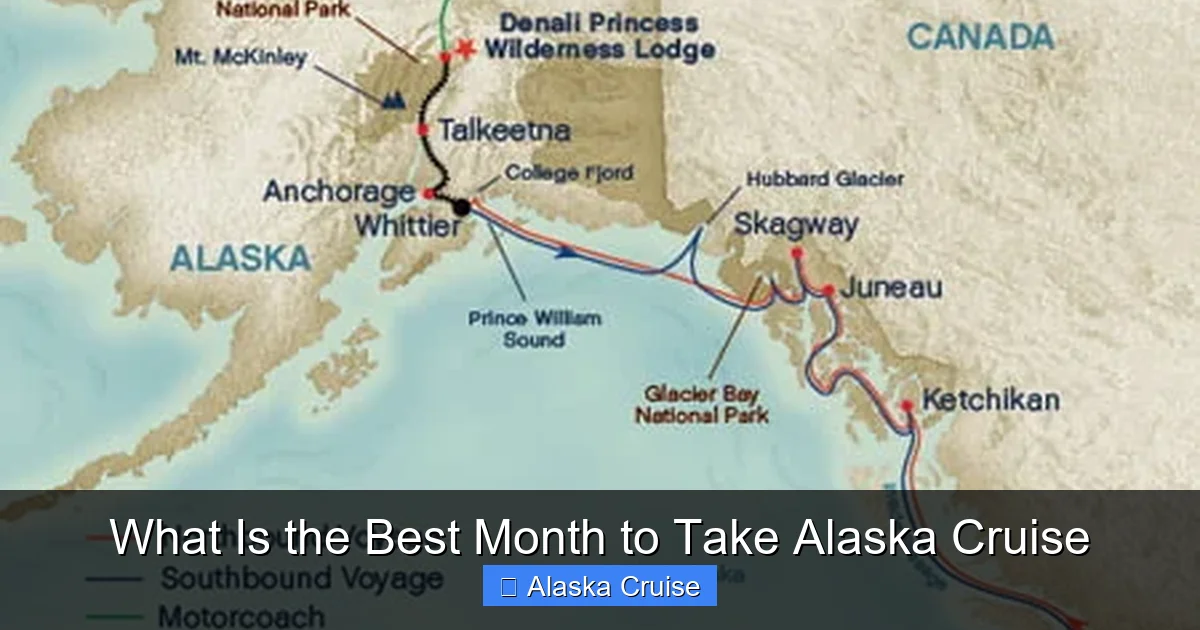
Visual guide about What Is the Best Month to Take Alaska Cruise
Image source: i.pinimg.com
The Alaska cruise season runs from mid-May to early September, a narrow window when the weather is mild enough and the days long enough to safely navigate the Inside Passage and Gulf of Alaska. Most major cruise lines—like Holland America, Princess, Royal Caribbean, and Norwegian—operate during this period, with sailings increasing in frequency as summer approaches.
This short season is shaped by Alaska’s subarctic climate. Winters are long and harsh, with frozen waters and limited daylight. By May, the ice begins to melt, wildlife emerges, and the land awakens. By September, the days grow shorter, temperatures drop, and the cruise ships begin to pull out.
Because the season is so compact, demand is high. The peak months—June, July, and August—see the most sailings, the largest crowds, and the highest prices. Shoulder months—May and September—offer a quieter, more affordable alternative, with unique seasonal perks.
Understanding this rhythm is key to choosing the best month to take Alaska cruise. It’s not just about weather—it’s about balancing comfort, cost, and experience. Let’s dive into what each month offers.
Why Timing Matters in Alaska
Alaska is a destination where timing truly shapes the experience. Unlike tropical cruises, where the weather is relatively consistent year-round, Alaska’s conditions change dramatically from month to month.
For example, daylight hours vary significantly. In June and July, you’ll enjoy nearly 18–20 hours of daylight, giving you more time to explore ports, take excursions, and snap photos. In May and September, daylight drops to around 14–16 hours, which is still plenty—but you’ll notice the earlier sunsets.
Wildlife behavior also shifts with the seasons. Salmon runs peak in July, drawing bears to riverbanks. Whales migrate through Alaska’s waters from May to September, with the highest sightings in summer. And while you won’t see the Northern Lights from a cruise ship, late-season travelers on land extensions might catch a glimpse in September.
Even shore excursions depend on the month. Glacier hikes and kayaking are best in summer, while dog sledding on a glacier (like at the Mendenhall Glacier) is typically available only in May and September, when snow remains.
So, when you choose your cruise month, you’re not just picking a date—you’re choosing the kind of Alaska you want to see.
May: The Quiet Start to the Season
May marks the beginning of the Alaska cruise season, and it’s a time of transition. The snow is melting, the rivers are swelling, and the land is bursting with new life. If you’re looking for a quieter, more intimate Alaska experience, May might be the best month to take Alaska cruise for you.
Weather and Daylight in May
In May, temperatures in coastal Alaska range from the mid-40s to low 60s°F (7–16°C). It’s cool but comfortable, especially if you dress in layers. Rain is possible, but less frequent than in summer. The days are getting longer—by late May, you’ll enjoy up to 17 hours of daylight, perfect for exploring.
One of the biggest perks of May cruising is the lack of crowds. Most tourists haven’t arrived yet, so ports like Juneau, Skagway, and Ketchikan feel peaceful and uncrowded. You’ll have more space on shore excursions and better access to popular sites.
Wildlife and Natural Beauty
May is a magical time for nature lovers. Migratory birds return, wildflowers begin to bloom, and marine life becomes more active. Humpback whales start arriving in Alaska’s waters, and you may spot them breaching near the ship. Sea lions and seals are common along the coast.
On land, bears are emerging from hibernation and can sometimes be seen foraging in coastal areas. While bear sightings are never guaranteed, May offers a good chance—especially in areas like Admiralty Island near Juneau.
Shore Excursions and Activities
Shore excursions in May are more limited than in summer, but still plentiful. Popular options include:
– Glacier Point tours at Mendenhall Glacier (near Juneau)
– Whale watching excursions (increasingly common by late May)
– Scenic train rides on the White Pass & Yukon Route (Skagway)
– Hiking and wildlife tours in Tongass National Forest
One unique May activity is dog sledding on a glacier. Companies like Alaska Icefield Expeditions offer helicopter rides to the Mendenhall Glacier, where you can mush with sled dogs on snow—something you can’t do in July or August.
Pros and Cons of Cruising in May
Pros:
– Fewer crowds and lower prices
– Unique seasonal experiences (dog sledding, spring blooms)
– Long daylight hours
– Wildlife beginning to emerge
Cons:
– Cooler temperatures
– Some excursions may not be operating yet
– Limited availability of certain tours
If you don’t mind cooler weather and want a more relaxed, authentic Alaska experience, May is a fantastic choice.
June: The Season Hits Its Stride
June is when the Alaska cruise season truly comes alive. The weather warms up, the days grow longer, and the landscape transforms into a lush, green paradise. For many travelers, June is the best month to take Alaska cruise—offering a perfect balance of good weather, wildlife activity, and manageable crowds.
Weather and Daylight in June
Temperatures in June typically range from the upper 40s to mid-60s°F (9–18°C). Rainfall increases slightly compared to May, but sunny days are common. By mid-June, you’ll enjoy nearly 18 hours of daylight, giving you ample time to explore.
The extended daylight is a major advantage. You can take a morning whale-watching tour, enjoy lunch in port, and still have time for an afternoon glacier hike—all before dinner on the ship.
Wildlife Viewing in June
June is prime time for wildlife. Humpback whales are abundant, often seen feeding in groups. Orcas, sea otters, and porpoises are also common. On land, bears are active, especially near salmon streams. Puffins return to nesting sites, and birdwatchers will delight in the variety of seabirds.
One of the highlights of June is the salmon run beginning in some rivers. While the peak is in July, early runs in June can attract bears and eagles, offering incredible photo opportunities.
Shore Excursions and Scenic Highlights
June offers the full range of Alaska shore excursions. Popular options include:
– Helicopter tours to glaciers (like the Juneau Icefield)
– Kayaking in Tracy Arm Fjord or Misty Fjords
– Gold panning and historic tours in Skagway
– Wildlife cruises in Icy Strait Point
Glaciers are also at their most accessible. The famous Hubbard Glacier, often visited on Gulf of Alaska itineraries, is typically free of ice in June, allowing ships to get close for stunning views.
Pros and Cons of Cruising in June
Pros:
– Excellent weather and long days
– Peak wildlife activity
– Full range of shore excursions
– Beautiful spring landscapes
Cons:
– More crowds than May
– Higher prices than shoulder months
– Some rain possible
June strikes a great balance between comfort and experience, making it a top choice for first-time Alaska cruisers.
July: The Peak of the Season
July is the undisputed peak of the Alaska cruise season. It’s the warmest, sunniest, and most popular month to sail. If you want the full Alaska experience—with ideal weather, abundant wildlife, and every excursion available—July is likely the best month to take Alaska cruise.
Weather and Daylight in July
July offers the most comfortable weather of the season. Temperatures range from the low 50s to low 70s°F (10–22°C), with many days reaching the mid-60s. Rainfall is moderate, but sunny skies are common. Daylight lasts nearly 19 hours, with the sun setting around 10 p.m. in southern Alaska.
This extended daylight allows for non-stop adventure. You can enjoy a morning flightseeing tour, spend the afternoon hiking, and still catch the sunset from the ship’s deck.
Wildlife and Salmon Runs
July is wildlife heaven. The salmon runs are in full swing, drawing brown bears, black bears, and bald eagles to rivers like the Anan Creek near Wrangell. Whale sightings are frequent, with humpbacks, orcas, and even minke whales spotted regularly.
Puffins are nesting, sea lions are basking on rocks, and marine life is thriving. On land, moose and mountain goats are often seen in alpine areas.
Shore Excursions and Glacier Views
Every shore excursion is available in July, from zip-lining in Icy Strait Point to gold rush history tours in Skagway. Glacier calving is dramatic—ships often get close to glaciers like Hubbard and Sawyer, where chunks of ice the size of buildings crash into the water.
Popular July excursions include:
– Bear viewing at Anan Creek or Pack Creek
– Helicopter glacier landings
– Whale watching in Frederick Sound
– Scenic railway rides
Pros and Cons of Cruising in July
Pros:
– Warmest weather and longest days
– Peak wildlife and salmon runs
– All excursions operating
– Stunning glacier views
Cons:
– Highest prices and largest crowds
– Limited cabin availability
– Ports can feel busy
July is ideal if you want the full Alaska experience and don’t mind the crowds. Book early—this is the most in-demand month.
August: Summer’s Grand Finale
August is the last full month of the Alaska cruise season, and it’s a time of abundance. The weather is still excellent, wildlife is active, and the landscapes are at their most vibrant. For travelers who want summer conditions without the peak July crowds, August can be the best month to take Alaska cruise.
Weather and Daylight in August
Temperatures in August are similar to July—ranging from the low 50s to low 70s°F (10–22°C). Rainfall increases slightly, but sunny days are still common. Daylight begins to shorten, with about 16–17 hours of light by late August.
The cooling trend is subtle, but you’ll notice earlier sunsets and crisper mornings—perfect for layering up and enjoying the scenery.
Wildlife and Late-Season Highlights
August is still prime time for wildlife. Salmon runs continue, and bears are frequently seen fishing. Whales remain abundant, and puffins are still nesting. One unique August experience is the chance to see baby animals—bear cubs, seal pups, and young birds are now venturing out with their parents.
Shore Excursions and Cultural Events
All major excursions are available in August. Some ports also host cultural festivals, like the Alaska State Fair in Palmer (late August), which offers a taste of local life with food, music, and crafts.
Glacier views remain spectacular, and helicopter tours are in full operation. Dog sledding on glaciers is no longer available, but other adventures like kayaking and hiking are still popular.
Pros and Cons of Cruising in August
Pros:
– Great weather and wildlife
– Slightly fewer crowds than July
– Full range of excursions
– Cultural events and festivals
Cons:
– Higher prices than shoulder months
– Rain more likely
– Daylight decreasing
August offers a wonderful blend of summer energy and late-season charm.
September: The Quiet Goodbye
September marks the end of the Alaska cruise season. Ships begin to depart, crowds thin out, and the landscape begins to change. For travelers seeking solitude, lower prices, and a chance to see the Northern Lights, September might be the best month to take Alaska cruise.
Weather and Daylight in September
Temperatures in September range from the upper 40s to low 60s°F (8–16°C). Rainfall increases, and the first frost may appear. Daylight drops to about 14 hours by late September, with earlier sunsets.
While the weather is cooler, it’s still comfortable for cruising—especially if you pack warm layers.
Wildlife and Fall Colors
September is a transition month. Some wildlife begins to migrate, but others remain. Bears are still active, feeding heavily before hibernation. Whales may still be seen, though sightings decrease.
One of September’s unique perks is the fall foliage. In interior Alaska, aspens and birches turn golden, creating stunning backdrops for photos.
Shore Excursions and Northern Lights
Shore excursions are more limited in September, but many popular tours still operate. Dog sledding returns to glaciers, and helicopter tours are available.
While you won’t see the Northern Lights from a cruise ship, travelers on land extensions to Fairbanks or Denali have a chance to witness the aurora borealis—especially in late September.
Pros and Cons of Cruising in September
Pros:
– Fewer crowds and lower prices
– Chance to see Northern Lights (on land)
– Dog sledding available again
– Beautiful fall colors
Cons:
– Cooler, wetter weather
– Shorter days
– Limited excursion availability
September is ideal for budget-conscious travelers and aurora chasers.
How to Choose the Best Month for You
So, which month is truly the best? It depends on your priorities.
– Best for Weather: July
– Best for Wildlife: June–August
– Best for Budget: May or September
– Best for Solitude: May or September
– Best for Unique Experiences: May (dog sledding) or September (Northern Lights)
Consider your travel style. Are you a wildlife enthusiast? Go in summer. Want to save money? Choose a shoulder month. Dream of the Northern Lights? September is your best bet.
Also, book early—especially for July and August. Popular sailings fill up a year in advance.
Final Thoughts: Planning Your Perfect Alaska Cruise
Choosing the best month to take Alaska cruise is about aligning your travel goals with the rhythms of nature. Each month offers something special—whether it’s the quiet beauty of spring, the vibrant energy of summer, or the golden hues of fall.
No matter when you go, an Alaska cruise promises unforgettable moments: the thunder of a calving glacier, the spray of a breaching whale, the silence of a misty fjord at dawn. With the right timing, your trip will be nothing short of magical.
So pack your layers, bring your camera, and get ready to sail into one of the world’s greatest natural wonders. Alaska is waiting.
Frequently Asked Questions
What is the best month to take Alaska cruise for whale watching?
The best months for whale watching are June, July, and August. Humpback whales are most active during this time, often seen feeding in groups. May and September also offer sightings, but with less frequency.
Can you see the Northern Lights on an Alaska cruise?
It’s unlikely to see the Northern Lights from a cruise ship due to light pollution and limited time in northern ports. However, travelers on land extensions to Fairbanks or Denali in September have a better chance.
Is July too crowded for an Alaska cruise?
July is the busiest month, with the most tourists and highest prices. If you prefer fewer crowds, consider June or August, which still offer great weather and wildlife.
What should I pack for an Alaska cruise in May?
Pack layers, including a waterproof jacket, warm fleece, gloves, and a hat. Temperatures range from 40s to 60s°F, and rain is possible. Don’t forget binoculars and a camera!
Are shore excursions available in September?
Yes, but fewer than in summer. Popular tours like glacier hikes and train rides still operate, but some seasonal activities (like certain wildlife tours) may be limited.
How far in advance should I book an Alaska cruise?
Book 6–12 months in advance, especially for July and August sailings. Early booking ensures better cabin selection and lower prices before demand peaks.