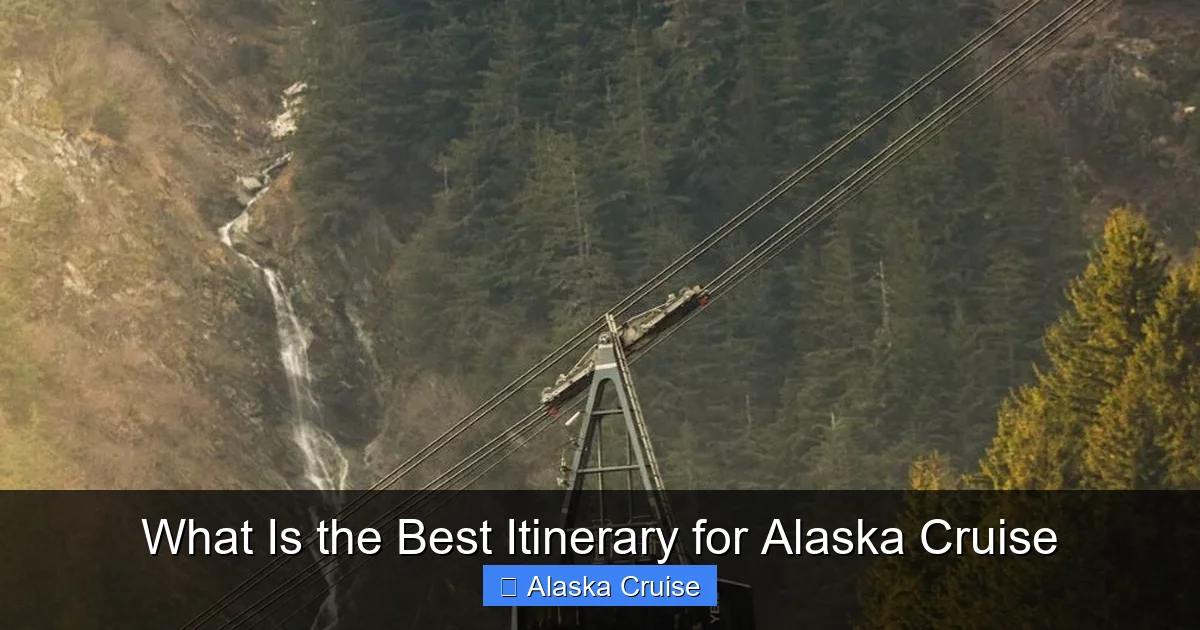
Choosing the best itinerary for Alaska cruise depends on your interests, travel style, and time of year. Whether you’re drawn to glacier views, wildlife spotting, or cultural experiences, the right route can make all the difference. This guide breaks down top itineraries, must-see ports, and insider tips to help you plan the perfect Alaskan voyage.
Key Takeaways
- Round-trip vs. one-way cruises: Round-trip itineraries from Seattle or Vancouver offer convenience, while one-way cruises (e.g., Seattle to Seward) allow more time in port cities and often include land tours.
- Inside Passage vs. Gulf of Alaska routes: Inside Passage cruises focus on lush forests and coastal towns, while Gulf routes reach glaciers like Hubbard and offer more dramatic scenery.
- Best time to cruise: May to September offers mild weather, longer days, and peak wildlife activity, with July and August being the busiest months.
- Must-visit ports: Juneau, Skagway, Ketchikan, and Glacier Bay are iconic stops, each offering unique excursions like whale watching, dog sledding, and gold rush history.
- Duration matters: 7-day cruises are popular, but 10- to 14-day itineraries provide deeper exploration and fewer sea days.
- Choose the right cruise line: Luxury lines like Regent and Seabourn offer all-inclusive experiences, while family-friendly options like Carnival and Royal Caribbean provide more budget-friendly fun.
- Book excursions early: Popular activities like flightseeing over glaciers or bear viewing fill up fast—reserve in advance for the best experience.
📑 Table of Contents
What Is the Best Itinerary for Alaska Cruise?
Planning a trip to Alaska can feel overwhelming—there’s so much to see, from towering glaciers and icy fjords to charming coastal towns and abundant wildlife. But one of the most common questions travelers ask is: *What is the best itinerary for Alaska cruise?* The answer isn’t one-size-fits-all. It depends on your travel goals, budget, time available, and what kind of adventure you’re seeking.
Alaska cruises offer a unique blend of natural beauty and cultural richness. Unlike tropical destinations, Alaska rewards travelers with dramatic landscapes, seasonal wildlife, and a sense of remoteness that’s hard to find elsewhere. Whether you’re a first-time cruiser or a seasoned traveler, choosing the right itinerary ensures you make the most of your time on the Last Frontier.
In this guide, we’ll walk you through the top Alaska cruise itineraries, compare different routes, highlight must-see ports, and share practical tips to help you pick the perfect voyage. From short 7-day escapes to extended 14-day journeys, we’ve got you covered.
Understanding Alaska Cruise Itinerary Types
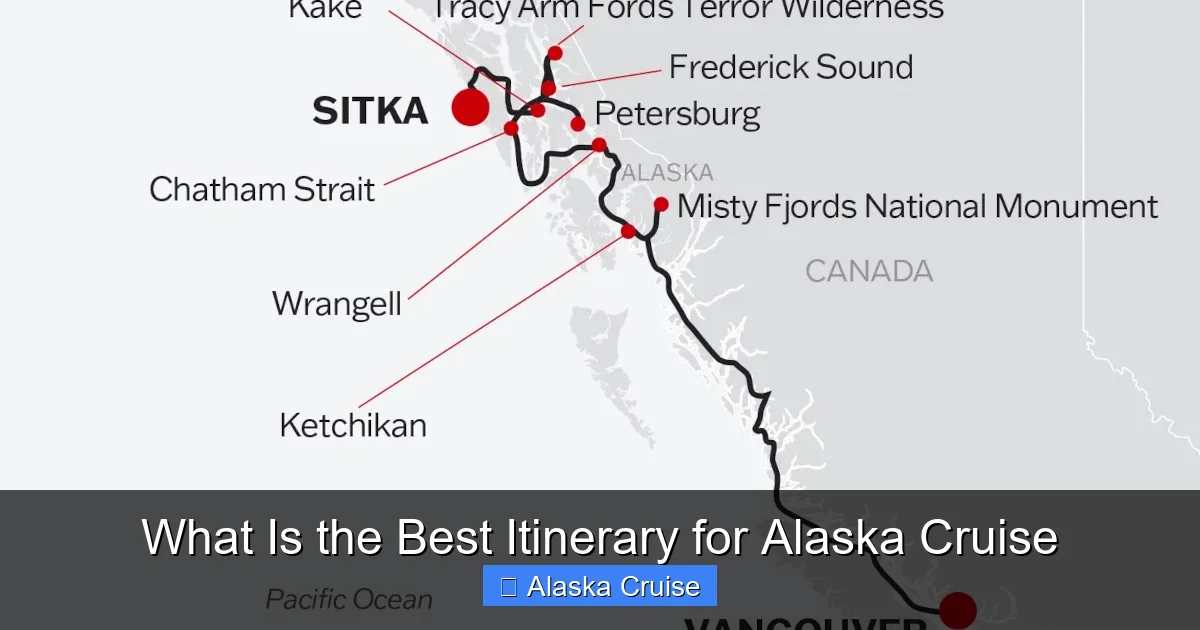
Visual guide about What Is the Best Itinerary for Alaska Cruise
Image source: smallshipadventurecruises.com
Before diving into specific routes, it’s important to understand the main types of Alaska cruise itineraries. Each offers a different experience, so knowing the differences helps you choose wisely.
Round-Trip Cruises
Round-trip cruises depart and return to the same port, typically Seattle or Vancouver. These are among the most popular options because they’re convenient—no need to book flights to different cities or worry about luggage transfers. Most round-trip itineraries last 7 days and focus on the Inside Passage, visiting ports like Ketchikan, Juneau, and Skagway.
For example, a typical 7-day round-trip cruise from Seattle might include:
– Day 1: Depart Seattle
– Day 2: At sea
– Day 3: Ketchikan (rainforest tours, totem poles)
– Day 4: Juneau (whale watching, Mendenhall Glacier)
– Day 5: Skagway (gold rush history, scenic train rides)
– Day 6: Glacier Bay National Park (glacier viewing)
– Day 7: Return to Seattle
These cruises are great for first-timers who want a taste of Alaska without committing to a longer trip. They’re also ideal for families and those with limited vacation time.
One-Way (Open-Jaw) Cruises
One-way cruises, also called open-jaw itineraries, start in one city and end in another. The most common routes are Seattle to Seward or Vancouver to Whittier. These cruises often last 7 to 10 days and include more time in port cities, allowing travelers to extend their trip with land tours.
For instance, a Seattle to Seward cruise might include:
– Day 1: Depart Seattle
– Day 2: At sea
– Day 3: Ketchikan
– Day 4: Juneau
– Day 5: Skagway
– Day 6: Hubbard Glacier (one of the largest tidewater glaciers)
– Day 7: Arrive in Seward
The advantage? You can fly into Seattle and out of Anchorage, then explore Denali National Park or take a scenic train ride on the Alaska Railroad. This option is perfect for travelers who want a combined cruise-and-land adventure.
Extended and Expedition Cruises
For those who want to go deeper, extended cruises (10 to 14 days) or small-ship expedition voyages offer a more immersive experience. These itineraries often include remote destinations like Sitka, Haines, or even the Aleutian Islands.
Expedition cruises, typically on smaller vessels, focus on wildlife, photography, and adventure. They may include Zodiac landings, guided hikes, and expert naturalists on board. While more expensive, they provide unparalleled access to Alaska’s wild heart.
Top Alaska Cruise Itineraries Compared
Now that you know the types, let’s compare some of the best Alaska cruise itineraries based on popularity, scenery, and activities.
The Classic 7-Day Inside Passage
This is the most common Alaska cruise route and a favorite among first-time visitors. It typically runs from Seattle or Vancouver and covers the southeastern panhandle of Alaska.
**Sample Itinerary (Seattle round-trip):**
– Day 1: Seattle departure
– Day 2: At sea
– Day 3: Ketchikan – Explore Creek Street, visit Totem Bight State Park, or take a flightseeing tour over Misty Fjords.
– Day 4: Juneau – Whale watching, hike to Mendenhall Glacier, or ride the Mount Roberts Tram.
– Day 5: Skagway – Ride the White Pass & Yukon Route Railway, pan for gold, or hike the Chilkoot Trail.
– Day 6: Glacier Bay – Spend the day cruising past calving glaciers and spotting seals and whales.
– Day 7: Return to Seattle
**Why it’s great:** This itinerary offers a balanced mix of culture, nature, and adventure. It’s ideal for families, couples, and seniors looking for a relaxed pace with plenty of shore excursions.
The Gulf of Alaska Route (One-Way)
This 7- to 10-day itinerary is more dramatic and scenic, featuring massive glaciers and remote wilderness. It often starts in Vancouver or Seattle and ends in Seward or Whittier.
**Sample Itinerary (Vancouver to Seward):**
– Day 1: Vancouver departure
– Day 2: At sea
– Day 3: Ketchikan
– Day 4: Juneau
– Day 5: Skagway
– Day 6: Hubbard Glacier – One of the most active glaciers in Alaska, with frequent calving events.
– Day 7: College Fjords – Stunning ice formations and mountain views.
– Day 8: Arrive in Seward
**Why it’s great:** This route offers more glacier time and fewer crowds. It’s perfect for photographers, nature lovers, and those who want a more rugged Alaskan experience.
The Extended 10- to 14-Day Voyage
For travelers with more time, extended cruises provide a deeper dive into Alaska’s culture and landscapes. These itineraries often include multiple glacier stops, remote ports, and opportunities for land extensions.
**Sample Itinerary (14-day round-trip from Seattle):**
– Days 1–3: Seattle to Ketchikan, Juneau, Skagway
– Days 4–5: Glacier Bay and Hubbard Glacier
– Days 6–7: Sitka – Explore Russian history, visit St. Michael’s Cathedral, and go bear viewing.
– Days 8–9: Haines – Adventure hub with kayaking, fishing, and wildlife tours.
– Days 10–11: Return through Inside Passage with stops in Wrangell or Petersburg
– Days 12–14: Return to Seattle
**Why it’s great:** You’ll see more of Alaska, experience diverse cultures, and have time to truly unwind. These cruises are ideal for retirees, repeat visitors, or those seeking a luxury experience.
Best Time to Cruise Alaska
Timing is everything when it comes to Alaska cruises. The season runs from May to September, but each month offers a different experience.
May and June: Early Season
Pros:
– Fewer crowds
– Lower prices
– Wildflowers in bloom
– Long daylight hours (up to 18 hours in June)
Cons:
– Some excursions may not be available
– Cooler temperatures (40s to 60s°F)
– Glaciers may be less active
Best for: Budget travelers, photographers, and those who prefer quieter ports.
July and August: Peak Season
Pros:
– Warmest weather (50s to 70s°F)
– All excursions and tours available
– Peak wildlife activity (whales, bears, birds)
– Festivals and events in port towns
Cons:
– Most crowded
– Highest prices
– Limited cabin availability
Best for: Families, first-timers, and those who want the full Alaska experience.
September: Late Season
Pros:
– Stunning fall colors
– Fewer tourists
– Lower prices
– Active wildlife (salmon runs, bear viewing)
Cons:
– Cooler and wetter weather
– Some tours may close early
– Shorter daylight hours
Best for: Nature lovers, photographers, and travelers seeking a peaceful journey.
Must-See Ports and Shore Excursions
No Alaska cruise is complete without exploring its iconic ports. Each stop offers unique experiences that bring the destination to life.
Ketchikan: The Gateway to the Tongass
Known as the “Salmon Capital of the World,” Ketchikan is rich in Native Alaskan culture and rainforest beauty.
**Top Activities:**
– Visit Totem Bight State Park to see restored totem poles.
– Take a flightseeing tour over Misty Fjords for breathtaking views.
– Walk Creek Street, a historic boardwalk over a salmon stream.
– Try a cultural tour with the Tlingit people to learn about traditional crafts and storytelling.
Juneau: Alaska’s Capital City
Accessible only by boat or plane, Juneau blends urban charm with wild surroundings.
**Top Activities:**
– Whale watching tours—humpbacks are common in summer.
– Hike to the Mendenhall Glacier Visitor Center.
– Ride the Mount Roberts Tram for panoramic views.
– Visit the Alaska State Museum to learn about local history.
Skagway: Gold Rush History
This well-preserved town feels like stepping back in time.
**Top Activities:**
– Ride the White Pass & Yukon Route Railway, a National Historic Landmark.
– Pan for gold at a historic mine.
– Hike the Chilkoot Trail or take a scenic helicopter tour.
– Explore the Klondike Gold Rush National Historical Park.
Glacier Bay National Park
A UNESCO World Heritage Site, Glacier Bay is a highlight of any Alaska cruise.
**What to Expect:**
– Calving glaciers that crash into the sea with thunderous booms.
– Wildlife sightings: sea otters, harbor seals, bald eagles, and humpback whales.
– Ranger-led narration on board to explain the ecosystem.
– No landings allowed—this is a protected wilderness area.
Hubbard Glacier: The Big One
At over 7 miles wide, Hubbard Glacier is one of the most impressive sights in Alaska.
**Tips for Viewing:**
– Bring binoculars and a camera with a zoom lens.
– Dress warmly—glaciers create their own weather.
– Listen for the sound of ice cracking and falling.
Choosing the Right Cruise Line
Your cruise line can greatly influence your experience. Here’s a quick comparison of popular options:
Luxury Lines (Regent Seven Seas, Seabourn, Silversea)
– All-inclusive pricing (drinks, gratuities, Wi-Fi)
– Smaller ships with personalized service
– Gourmet dining and spacious suites
– Higher price point, but excellent value for amenities
Premium Lines (Holland America, Princess, Celebrity)
– Mid-range pricing with some inclusions
– Larger ships with more entertainment options
– Strong educational programs (e.g., Princess’s “Discovery at Sea”)
– Great for couples and mature travelers
Mainstream Lines (Royal Caribbean, Carnival, Norwegian)
– Budget-friendly with frequent deals
– Family-friendly with kids’ clubs and water parks
– More onboard activities and nightlife
– Larger crowds, but plenty of fun
Expedition Lines (UnCruise, Lindblad Expeditions)
– Small ships (under 100 passengers)
– Focus on adventure, wildlife, and education
– Expert naturalists and photographers on board
– Higher cost, but unmatched access to remote areas
Practical Tips for Planning Your Alaska Cruise
Book Early
Alaska cruises sell out quickly, especially for peak season. Aim to book 6 to 12 months in advance for the best cabin selection and prices.
Pack Smart
Weather in Alaska is unpredictable. Pack layers, including:
– Waterproof jacket and pants
– Warm fleece or down jacket
– Hiking boots or sturdy shoes
– Hat, gloves, and sunglasses
– Binoculars and camera
Book Shore Excursions in Advance
Popular tours like whale watching, dog sledding, and flightseeing fill up fast. Book through your cruise line or trusted third-party vendors early.
Consider Travel Insurance
Alaska’s weather can cause delays or cancellations. Travel insurance protects your investment and covers medical emergencies.
Bring Cash for Tips and Souvenirs
While most expenses are covered, you’ll want cash for local vendors, street performers, and small purchases in port.
Stay Flexible
Weather and wildlife are unpredictable. Embrace the adventure—some of the best moments happen when plans change.
Conclusion
So, what is the best itinerary for Alaska cruise? The truth is, there’s no single “best” option—only the one that fits your travel style and interests. Whether you choose a classic 7-day Inside Passage cruise, a dramatic Gulf of Alaska route, or an extended expedition voyage, Alaska promises unforgettable scenery, rich culture, and once-in-a-lifetime experiences.
For first-timers, a round-trip cruise from Seattle or Vancouver offers the perfect introduction. For adventure seekers, a one-way journey ending in Seward opens the door to Denali and the Alaskan wilderness. And for those who want to go deeper, extended or small-ship cruises provide unparalleled access to remote beauty.
No matter which itinerary you choose, Alaska will leave you in awe. From the thunder of calving glaciers to the sight of a humpback whale breaching, every moment is a reminder of nature’s power and wonder. Start planning your voyage today—and get ready to fall in love with the Last Frontier.
Frequently Asked Questions
What is the best month to take an Alaska cruise?
July and August are the most popular months due to warm weather, long days, and peak wildlife activity. However, May and September offer fewer crowds and lower prices, making them great alternatives for budget-conscious travelers.
How many days should an Alaska cruise be?
A 7-day cruise is ideal for first-timers and offers a great overview of key ports. For a more immersive experience, consider a 10- to 14-day itinerary that includes remote destinations and more glacier time.
Can you see glaciers on an Alaska cruise?
Yes! Most Alaska cruises include Glacier Bay National Park or Hubbard Glacier. These areas offer stunning views of calving glaciers, icebergs, and marine wildlife.
Do I need a passport for an Alaska cruise?
If your cruise is round-trip from the U.S. (e.g., Seattle), a passport is not required but highly recommended. For one-way cruises ending in Canada or Alaska, a passport is mandatory.
What should I wear on an Alaska cruise?
Pack in layers: waterproof outerwear, warm mid-layers, and comfortable walking shoes. Even in summer, temperatures can drop, especially near glaciers.
Are Alaska cruises family-friendly?
Yes! Many cruise lines offer kids’ clubs, family excursions, and entertainment. Mainstream lines like Royal Caribbean and Carnival are especially popular with families.