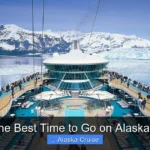
Choosing the best cruise itinerary for Alaska depends on your interests, travel style, and the time of year you visit. Whether you’re drawn to towering glaciers, abundant wildlife, or charming coastal towns, Alaska offers unforgettable experiences—and the right cruise route makes all the difference.
Key Takeaways
- Glacier Bay National Park is a must-see: Most top-rated itineraries include a stop here, offering awe-inspiring views of massive glaciers and pristine wilderness.
- Inside Passage cruises offer scenic beauty and port variety: These routes wind through narrow waterways, providing close-up views of forests, mountains, and marine life.
- Roundtrip cruises from Seattle or Vancouver are convenient: These departures eliminate the need for one-way flights and often include more port stops.
- One-way cruises (e.g., Seattle to Vancouver or Seward to Whittier): Allow for more time in Alaska and can be combined with land tours for a fuller experience.
- Peak season is May to September: July and August offer the best weather and wildlife viewing, but also the most crowds.
- Shore excursions enhance the experience: Activities like whale watching, dog sledding, and glacier hiking bring Alaska’s wonders to life.
- Smaller ships access remote areas: Boutique cruise lines can dock in smaller ports and offer more intimate, immersive experiences.
[FEATURED_IMAGE_PLACEHOLDER]
What Is the Best Cruise Itinerary for Alaska?
If you’ve ever dreamed of cruising through icy fjords, spotting humpback whales breaching beside your ship, or watching a glacier calve into the sea with a thunderous crack, then an Alaska cruise might just be the adventure of a lifetime. But with so many cruise lines, departure cities, and route options, figuring out the best cruise itinerary for Alaska can feel overwhelming. Don’t worry—you’re not alone. Whether you’re a first-time cruiser or a seasoned traveler, choosing the right Alaska cruise route is key to making the most of your trip.
Alaska’s rugged coastline, dramatic landscapes, and rich wildlife make it one of the most sought-after cruise destinations in the world. From the towering peaks of the Coast Mountains to the deep blue waters of the Inside Passage, every turn of the ship reveals something new and breathtaking. But not all cruises are created equal. Some focus on scenic cruising through national parks, while others emphasize cultural experiences in historic towns like Skagway and Ketchikan. Some are fast-paced with multiple port stops, while others offer longer days at sea for relaxation and wildlife spotting.
The best cruise itinerary for Alaska isn’t a one-size-fits-all answer—it depends on what you want out of your trip. Are you hoping to see glaciers up close? Do you want to hike, kayak, or go whale watching? Are you traveling with kids, or looking for a romantic getaway? Your answers will help narrow down the options. In this guide, we’ll walk you through the top Alaska cruise routes, highlight what makes each one special, and give you practical tips to help you pick the perfect voyage.
Top Alaska Cruise Itineraries to Consider
When it comes to planning your Alaska adventure, the route you choose will shape your entire experience. There are several popular cruise itineraries, each with its own strengths. Let’s break down the most common and highly recommended options so you can decide which one fits your travel style.
Inside Passage Cruises (Roundtrip from Seattle or Vancouver)
One of the most popular Alaska cruise itineraries is the classic Inside Passage route, typically departing from Seattle or Vancouver and looping back to the same city. These cruises usually last 7 days and include stops in Ketchikan, Juneau, Skagway, and often a scenic day in Glacier Bay or Tracy Arm Fjord.
Why is this route so beloved? For starters, the Inside Passage is a narrow waterway that hugs the coast, offering stunning views of lush rainforests, snow-capped mountains, and cascading waterfalls. The calm waters make for smooth sailing, and the frequent port stops give you plenty of opportunities to explore Alaskan towns and culture.
Ketchikan, known as the “Salmon Capital of the World,” is a great first stop. Here, you can learn about Native Alaskan heritage at the Totem Heritage Center, stroll along the historic Creek Street boardwalk, or take a flightseeing tour to see the Misty Fjords National Monument. Juneau, Alaska’s capital, is accessible only by boat or plane, making it a unique port. From here, you can go whale watching, visit the Mendenhall Glacier, or take a helicopter ride to a dog sledding camp on a glacier.
Skagway, with its Gold Rush-era charm, offers a taste of Alaska’s wild past. Walk the wooden boardwalks, ride the White Pass & Yukon Route railway, or take a guided hike into the backcountry. And don’t miss the scenic cruising through Tracy Arm or Endicott Arm, where you’ll glide past towering cliffs and possibly see seals, bears, and eagles.
This roundtrip itinerary is ideal for first-time cruisers because it’s convenient—no need to book one-way flights—and it covers all the major highlights. Plus, departing from Seattle or Vancouver means you can easily extend your trip with a pre- or post-cruise stay in a vibrant city.
One-Way Cruises (Seattle to Vancouver or Seward to Whittier)
If you’re looking for a more immersive Alaska experience, consider a one-way cruise. These itineraries often start in Seattle or Vancouver and end in Seward or Whittier (near Anchorage), or vice versa. They typically last 7 to 10 days and include more time in Alaska, with opportunities to combine your cruise with a land tour.
One-way cruises are perfect if you want to explore Alaska beyond the coast. After your cruise ends in Seward, for example, you can join a land tour that takes you into Denali National Park to see North America’s tallest peak, or visit the Kenai Fjords for more glacier and wildlife viewing. These extended trips give you a fuller picture of Alaska’s diverse landscapes—from coastal rainforests to interior tundra.
The route from Seattle to Vancouver (or the reverse) is another excellent one-way option. These cruises often include the same Inside Passage ports but may add a stop in Victoria, British Columbia, for a taste of Canadian charm. The benefit? You get the best of both countries in one trip.
One-way cruises do require a bit more planning—especially if you’re flying home from a different city—but the payoff is worth it. You’ll spend less time traveling and more time experiencing Alaska’s natural wonders. Plus, many cruise lines offer transfer services and package deals that include flights and hotels, making the logistics easier.
Gulf of Alaska Cruises (Roundtrip from Seward or Whittier)
For a more remote and rugged Alaska experience, consider a Gulf of Alaska cruise. These itineraries typically depart from Seward or Whittier (both near Anchorage) and sail across the Gulf to ports like Ketchikan, Juneau, and Skagway before returning. They often include a full day in Glacier Bay National Park and may feature stops in lesser-known ports like Haines or Icy Strait Point.
Gulf of Alaska cruises are ideal for travelers who want to see more of Alaska’s wild side. The open waters of the Gulf offer dramatic scenery and excellent wildlife viewing—think orcas, sea lions, and puffins. The longer days at sea also mean more time to relax on deck, enjoy the ship’s amenities, and attend naturalist-led lectures about Alaskan ecosystems.
One of the biggest advantages of this route is access to Glacier Bay. This UNESCO World Heritage Site is home to over a dozen active glaciers and is a highlight of any Alaska cruise. The park is only accessible by boat or plane, and cruising through its icy waters feels like stepping into another world. Rangers come aboard to share insights about the park’s geology, wildlife, and conservation efforts.
Because these cruises start and end in Alaska, they’re best paired with a pre- or post-cruise land tour. Spend a few days in Anchorage exploring the city, then head to Denali or Fairbanks for a true wilderness adventure. This combination gives you the full Alaska experience—coast and interior, sea and land.
Boutique and Small-Ship Cruises
If you prefer a more intimate and immersive experience, consider a small-ship or boutique cruise. These vessels carry fewer passengers—often under 200—and can access ports and waterways that larger ships can’t. Companies like UnCruise Adventures, Lindblad Expeditions, and Alaskan Dream Cruises specialize in these kinds of voyages.
Small-ship cruises often focus on adventure and education. You might kayak alongside glaciers, hike remote trails, or go Zodiac rafting in search of sea otters and whales. Naturalists and local guides are usually on board to provide expert commentary and lead excursions.
One popular small-ship itinerary is the “Alaska’s Inside Passage” route, which includes stops in lesser-known ports like Petersburg, Wrangell, and Hoonah. These towns offer a more authentic Alaskan experience, with strong Native cultures and fewer tourists. You might attend a traditional Tlingit dance performance, visit a local fish processing plant, or take a guided forest walk.
Another advantage of small ships is their flexibility. They can adjust their routes based on weather, wildlife sightings, and passenger interests. If a pod of orcas is spotted off the coast, the captain might slow down or change course to give everyone a better view. This spontaneity adds to the sense of adventure.
While small-ship cruises can be more expensive, many travelers find the personalized service, unique excursions, and off-the-beaten-path access well worth the cost. They’re ideal for nature lovers, photographers, and anyone seeking a deeper connection with Alaska’s wilderness.
Best Time to Cruise Alaska
Timing is everything when it comes to an Alaska cruise. The cruising season runs from May to September, but each month offers a different experience. Choosing the right time can enhance your trip and help you avoid crowds or poor weather.
May and Early June: The Quiet Season
If you’re looking for a more peaceful cruise with lower prices and fewer tourists, consider traveling in May or early June. The weather is cooler, but the landscapes are lush and green, and the wildlife is active. You’ll have a good chance of seeing bears fishing for salmon in rivers, and the wildflowers are in bloom.
One downside is that some shore excursions and attractions may not be fully operational yet. However, many cruise lines offer special early-season deals, and you’ll have more space on the ship and in ports. It’s also a great time for photography, with soft morning light and fewer people in your shots.
July and August: Peak Season
July and August are the most popular months for Alaska cruises—and for good reason. The weather is warmest, with daytime temperatures ranging from the 60s to 70s°F (15–24°C). The days are long, with nearly 18 hours of daylight in Juneau, giving you plenty of time to explore.
This is also the best time for wildlife viewing. Humpback whales, orcas, and sea lions are frequently spotted, and bears are active along the coast. Shore excursions like whale watching, glacier hiking, and flightseeing are in full swing, and all ports and attractions are open.
The trade-off? Crowds. Popular ports like Skagway and Juneau can get busy, and shore excursions may book up quickly. Prices are also at their highest, so book early to secure the best cabins and deals.
September: The Shoulder Season
September offers a sweet spot between summer crowds and fall colors. The weather is still mild, though it can be rainy, and the landscapes begin to shift into golden hues. Wildlife is still active, and you might see moose and caribou as they prepare for winter.
One of the biggest draws of a September cruise is the Northern Lights. While not guaranteed, the longer nights increase your chances of seeing the aurora borealis, especially in more remote areas. Some cruise lines even offer special Northern Lights-themed excursions.
Prices drop in September, and you’ll have more space on the ship and in ports. It’s a great time for travelers who want a balance of good weather, fewer crowds, and lower costs.
What to Expect on an Alaska Cruise
An Alaska cruise is more than just a vacation—it’s an immersive journey into one of the world’s last great wildernesses. Here’s what you can expect when you set sail.
Onboard Experience
Modern cruise ships are like floating resorts, with everything you need for comfort and entertainment. Most Alaska cruises feature multiple dining options, from casual buffets to fine dining restaurants. Many ships also have specialty venues like steakhouse, seafood, or Italian cuisine.
Entertainment varies by cruise line, but you can expect live music, comedy shows, and enrichment programs. Naturalists and guest speakers often give lectures about Alaskan wildlife, geology, and culture. Some ships even have planetariums or glass-bottom observatories for stargazing.
Don’t forget the outdoor spaces. Most ships have large observation decks, hot tubs, and lounges where you can relax and take in the views. On scenic cruising days, the decks fill up early, so grab a spot with a good view of the glaciers and mountains.
Shore Excursions
Shore excursions are a big part of the Alaska cruise experience. These guided tours let you explore ports in depth and participate in unique activities. Popular options include:
– Whale watching in Juneau or Icy Strait Point
– Dog sledding on a glacier (via helicopter)
– Kayaking in Tracy Arm or Ketchikan
– Hiking in Tongass National Forest
– Visiting a Native Alaskan cultural center
– Taking the White Pass & Yukon Route railway in Skagway
Excursions can range from $50 to $300 or more, depending on the activity. Book early, especially for high-demand tours like dog sledding or flightseeing, as they often sell out.
Packing Tips
Alaska’s weather can be unpredictable, so pack layers. Even in summer, temperatures can vary widely from port to port. Bring a waterproof jacket, warm layers, comfortable walking shoes, and binoculars for wildlife spotting. Don’t forget sunscreen, sunglasses, and a hat—the sun can be strong, especially on the water.
If you plan to hike or kayak, pack moisture-wicking clothing and a small daypack. And if you’re cruising in September, consider bringing a warm hat and gloves for evening deck time.
How to Choose the Best Itinerary for You
With so many options, how do you pick the best cruise itinerary for Alaska? Start by asking yourself a few key questions:
– How much time do I have? Most cruises are 7 days, but some are longer or shorter.
– What’s my budget? Prices vary by cruise line, cabin type, and time of year.
– What do I want to see? Glaciers, wildlife, culture, or a mix?
– Do I prefer a relaxed pace or lots of activities?
– Am I traveling with kids, as a couple, or solo?
Once you’ve answered these, compare itineraries based on ports, scenic cruising days, and included excursions. Look for cruises that spend full days in Glacier Bay or Tracy Arm—these are often the most memorable parts of the trip.
Also consider the cruise line. Major lines like Holland America, Princess, and Norwegian offer reliable service and a wide range of activities. Boutique lines like UnCruise and Lindblad provide more adventure and education. Read reviews and check the ship’s size, amenities, and passenger-to-space ratio.
Finally, book early—especially for peak season. The best cabins and excursions fill up fast, and early booking often comes with perks like onboard credit or free upgrades.
Conclusion
There’s no single “best” cruise itinerary for Alaska—only the one that’s right for you. Whether you choose a classic Inside Passage cruise, a one-way journey with a land tour, or an intimate small-ship adventure, Alaska promises unforgettable moments at every turn. From the thunder of calving glaciers to the quiet beauty of a misty fjord, this is a destination that stays with you long after you’ve returned home.
Take the time to research your options, consider your travel style, and don’t be afraid to ask questions. With the right itinerary, your Alaska cruise will be more than a trip—it’ll be a once-in-a-lifetime experience.
FAQs
What is the best month to take an Alaska cruise?
July and August offer the best weather and wildlife viewing, but May and September are great for fewer crowds and lower prices. Choose based on your priorities—warmth and activity, or peace and value.
Do I need to book shore excursions in advance?
Yes, especially for popular tours like dog sledding, whale watching, and flightseeing. These often sell out weeks or months in advance, particularly during peak season.
Can I see the Northern Lights on an Alaska cruise?
It’s possible, especially in September when nights are longer. However, sightings are not guaranteed and depend on solar activity and weather conditions.
Are Alaska cruises family-friendly?
Absolutely. Many cruise lines offer kids’ clubs, family-friendly excursions, and educational programs. Just choose a ship and itinerary with activities that suit your children’s ages and interests.
What should I wear on an Alaska cruise?
Pack layers, including a waterproof jacket, warm sweaters, and comfortable shoes. Even in summer, temperatures can drop, especially on deck or in port.
Do I need a passport for an Alaska cruise?
If your cruise departs and returns to the same U.S. port (like Seattle), a passport is not required—but it’s highly recommended. For cruises visiting Canada or ending in a different country, a passport is mandatory.
This is a comprehensive guide about what is the best cruise itinerary for alaska.
Key Takeaways
- Understanding what is the best cruise itinerary for alaska: Provides essential knowledge
Frequently Asked Questions
What is what is the best cruise itinerary for alaska?
what is the best cruise itinerary for alaska is an important topic with many practical applications.