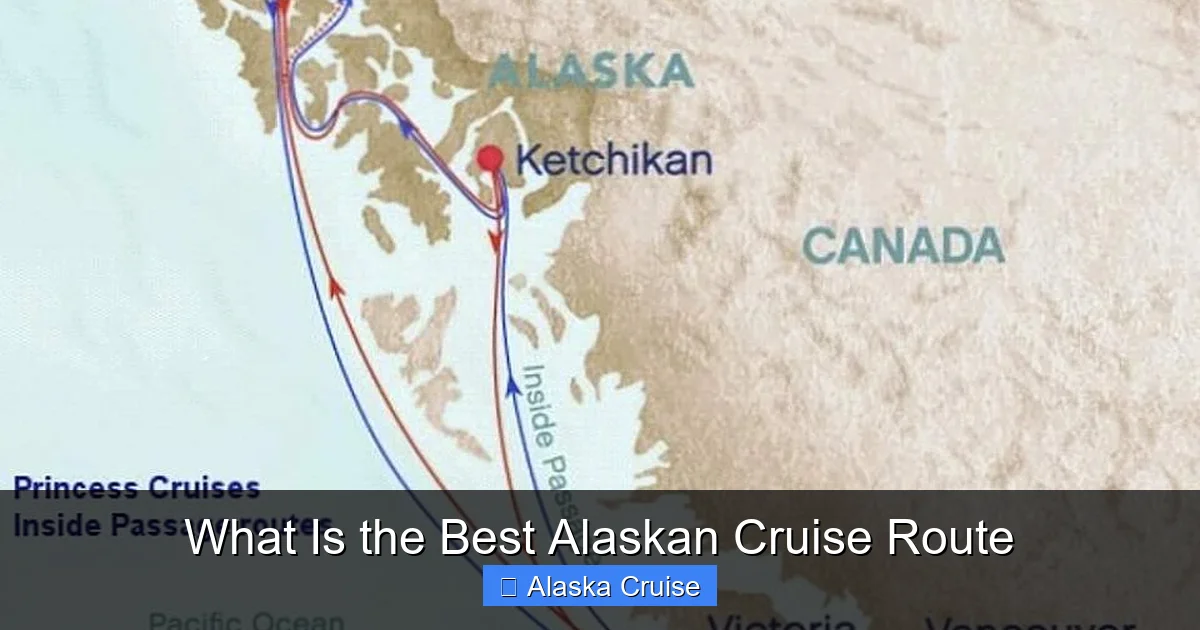
Choosing the best Alaskan cruise route depends on your travel style, timing, and interests. Whether you crave glacier views, wildlife sightings, or cultural experiences, Alaska offers diverse itineraries that deliver unforgettable adventures.
Key Takeaways
- Inside Passage cruises are ideal for first-timers, offering calm waters, lush forests, and iconic ports like Juneau and Ketchikan.
- Gulf of Alaska routes extend further north, reaching Hubbard Glacier and Whittier, with more dramatic scenery and longer sailing days.
- Round-trip voyages from Seattle or Vancouver are convenient and often more affordable, with no backtracking.
- One-way cruises between Seattle/Vancouver and Seward/Whittier allow for land extensions into Denali National Park.
- Summer months (June–August) offer the best weather, longest days, and peak wildlife activity.
- Smaller ships and expedition cruises provide closer access to glaciers and remote areas, enhancing the experience.
- Booking early and choosing mid-week departures can save money and improve cabin availability.
📑 Table of Contents
What Is the Best Alaskan Cruise Route?
Imagine standing on the deck of a ship, the crisp Alaskan air filling your lungs, as a massive glacier calves into the sea with a thunderous crack. Or picture yourself spotting a humpback whale breaching in the distance while eagles soar above snow-capped peaks. These aren’t just postcard scenes—they’re real experiences waiting for you on an Alaskan cruise.
Alaska is one of the world’s last true wilderness destinations, and a cruise is one of the best ways to explore its rugged coastline, towering glaciers, and vibrant wildlife. But with so many cruise lines, ships, and itineraries to choose from, deciding on the best Alaskan cruise route can feel overwhelming. Should you sail the Inside Passage or venture into the Gulf of Alaska? Round-trip or one-way? From Seattle or Vancouver?
The truth is, there’s no single “best” route—only the one that fits your travel goals, budget, and sense of adventure. In this guide, we’ll break down the top Alaskan cruise routes, highlight what makes each unique, and help you choose the perfect voyage for your next bucket-list trip.
Understanding Alaskan Cruise Itineraries
Before diving into specific routes, it’s helpful to understand the main types of Alaskan cruise itineraries. Most fall into two broad categories: the Inside Passage and the Gulf of Alaska. Each offers a different pace, scenery, and set of ports.
The Inside Passage is the most popular route, especially for first-time cruisers. It hugs the southeastern coast of Alaska, winding through narrow channels surrounded by dense temperate rainforests, fjords, and small coastal towns. This route is known for its calm waters, making it ideal for travelers prone to seasickness. You’ll visit well-known ports like Ketchikan, Juneau, and Skagway, each offering a mix of Native culture, gold rush history, and outdoor adventures.
In contrast, the Gulf of Alaska route ventures further north and west, often including stops in Seward or Whittier—gateways to Kenai Fjords National Park and Anchorage. These cruises typically feature longer days at sea and more dramatic, remote landscapes. You’re more likely to see massive tidewater glaciers like Hubbard Glacier and experience rougher waters, but the payoff is unparalleled scenery and fewer crowds.
Round-Trip vs. One-Way Cruises
Another key decision is whether to book a round-trip or one-way cruise. Round-trip voyages depart and return to the same port—most commonly Seattle, Vancouver, or San Francisco. These are convenient, often more budget-friendly, and great for travelers who prefer not to deal with flights at both ends.
One-way cruises, on the other hand, begin in one city and end in another. The most common one-way route is from Seattle or Vancouver to Seward or Whittier (near Anchorage), or vice versa. These itineraries are perfect if you plan to extend your trip with a land tour—like visiting Denali National Park or taking the Alaska Railroad. One-way cruises also allow you to see more of Alaska without retracing your steps.
Duration Matters: 7-Day vs. 10+ Day Cruises
Most Alaskan cruises last 7 days, which is the sweet spot for many travelers. A week gives you enough time to visit 4–5 ports, enjoy a few days at sea, and still have energy for shore excursions. However, if you have more time, consider a 10- to 14-day cruise. These longer voyages often include more remote destinations, additional glacier viewing, and a slower pace that lets you truly soak in the experience.
For example, a 10-day cruise might include a stop in Glacier Bay National Park, a UNESCO World Heritage Site, which is often skipped on shorter trips due to time constraints. Longer cruises also tend to have more educational programming, such as naturalist-led talks and wildlife spotting sessions.
Top Alaskan Cruise Routes Compared
Now that you understand the basics, let’s compare the most popular Alaskan cruise routes to help you find the best fit.
The Classic Inside Passage Route
Best for: First-time cruisers, families, travelers seeking comfort and convenience.
This is the quintessential Alaskan cruise experience. Most Inside Passage itineraries depart from Seattle or Vancouver and sail north through the protected waters of the Pacific Northwest. You’ll glide past emerald-green islands, misty fjords, and snow-dusted mountains.
A typical 7-day route might look like this:
– Day 1: Depart Seattle or Vancouver
– Day 2: At sea (enjoy onboard activities, lectures, and scenic cruising)
– Day 3: Ketchikan – Known as the “Salmon Capital of the World,” this port offers rainforest hikes, totem pole parks, and cultural tours of the Tlingit and Haida tribes.
– Day 4: Juneau – Alaska’s capital is accessible only by boat or plane. Don’t miss a helicopter tour to Mendenhall Glacier or a whale-watching excursion.
– Day 5: Skagway – Step back in time in this Gold Rush-era town. Ride the White Pass & Yukon Route Railway or hike the Chilkoot Trail.
– Day 6: At sea – Often includes scenic cruising through Tracy Arm or Endicott Fjord, where you might see icebergs and waterfalls.
– Day 7: Return to port
Why it’s great: The Inside Passage is predictable, scenic, and packed with accessible adventures. It’s also the most family-friendly route, with plenty of onboard entertainment and kid-friendly excursions.
Tip: Book a balcony cabin if possible—you’ll want to be outside for the fjord cruising, especially in Tracy Arm, where the ship slows to a crawl and the views are breathtaking.
The Gulf of Alaska Route
Best for: Nature lovers, photographers, travelers seeking dramatic scenery.
If you’re looking for a more rugged, immersive experience, the Gulf of Alaska route is your best bet. These cruises often start in Vancouver or Seattle and end in Seward or Whittier (or vice versa), covering over 1,000 miles of coastline.
A typical Gulf of Alaska itinerary might include:
– Day 1: Depart Vancouver
– Day 2: At sea
– Day 3: Ketchikan
– Day 4: Juneau
– Day 5: Skagway
– Day 6: Glacier Bay National Park – A full day of scenic cruising with park rangers onboard to explain the ecosystem.
– Day 7: Hubbard Glacier – One of the most active glaciers in Alaska, often calving massive icebergs.
– Day 8: Seward or Whittier – Disembark and connect to Anchorage or Denali.
Why it’s great: This route offers the best glacier viewing, especially at Hubbard Glacier, which can be over 6 miles wide and 300 feet high. You’ll also spend more time in national parks and remote areas, with fewer crowds and more wildlife sightings.
Tip: Bring warm layers—even in summer, it can be chilly near the glaciers. Binoculars are a must for spotting seals, sea lions, and whales on ice floes.
The One-Way Cruise with Land Extension
Best for: Adventure seekers, road trippers, travelers wanting a full Alaska experience.
One-way cruises are perfect if you want to combine sea and land. After your cruise ends in Seward or Whittier, you can take a train or drive to Anchorage, then continue to Denali National Park, Fairbanks, or even the Arctic Circle.
For example:
– Cruise from Seattle to Seward (7 days)
– Take the Alaska Railroad from Seward to Denali (8 hours, scenic route)
– Spend 2–3 days exploring Denali—hiking, wildlife tours, or flightseeing
– Fly back to Seattle or drive to Fairbanks for a cultural stop
Why it’s great: You see more of Alaska without doubling back. Denali is a highlight for many travelers, offering the chance to spot grizzly bears, moose, caribou, and Dall sheep in their natural habitat.
Tip: Book your land tour through the cruise line for seamless transfers and package deals. Many offer “cruise + rail + hotel” bundles that include meals and guided excursions.
The Small Ship Expedition Cruise
Best for: Intrepid travelers, photographers, those seeking intimacy and access.
If you’re willing to trade luxury for adventure, consider a small ship or expedition cruise. Companies like UnCruise Adventures, Lindblad Expeditions, and Hurtigruten operate vessels with fewer than 200 passengers, allowing them to navigate shallow bays, remote inlets, and protected wildlife areas that larger ships can’t reach.
These cruises often include:
– Zodiac landings on remote beaches
– Guided kayaking and hiking
– Naturalist-led excursions
– Visits to Native villages and research stations
Why it’s great: You get up close to glaciers, wildlife, and untouched landscapes. The pace is slower, the focus is on education and exploration, and the experience feels more personal.
Tip: Expedition cruises are more expensive and often sell out a year in advance. Be prepared for variable weather and a more rustic onboard experience—though food and service are still top-notch.
When to Go: Timing Your Alaskan Cruise
Timing is everything when it comes to an Alaskan cruise. The official cruise season runs from May to September, but each month offers a different experience.
May and Early June: Shoulder Season
Pros: Lower prices, fewer crowds, spring blooms, and active wildlife (bears emerging from hibernation, newborn calves).
Cons: Cooler weather, some excursions may be limited, shorter daylight hours.
Best for: Budget travelers and those who don’t mind cooler temps.
Mid-June to August: Peak Season
Pros: Warmest weather, longest days (up to 18 hours of daylight), full range of excursions, peak wildlife activity (whales, bears, puffins).
Cons: Highest prices, largest crowds, most competitive cabin availability.
Best for: Families, first-timers, and travelers who want the full Alaska experience.
September: Fall Foliage and Farewell
Pros: Stunning fall colors, fewer tourists, lower prices, active wildlife (salmon runs, bear feeding).
Cons: Cooler weather, some ports may close, shorter days.
Best for: Photographers, nature lovers, and those seeking a quieter experience.
Weather and Wildlife Considerations
Alaska’s weather is unpredictable, even in summer. It can be sunny and 70°F one day and rainy and 50°F the next. Pack layers, waterproof gear, and sturdy shoes.
Wildlife sightings vary by season:
– Whales: Best from May to September, with peak sightings in July and August.
– Bears: Most active in July and August near salmon streams.
– Puffins: Nest on coastal cliffs from May to August.
– Glacier calving: More frequent in warmer months due to melting.
Choosing the Right Cruise Line and Ship
Not all cruise lines are created equal when it comes to Alaska. Some focus on luxury, others on adventure, and many on family fun. Here’s a quick breakdown:
Family-Friendly Lines
– Carnival Cruise Line: Affordable, fun, with lots of activities for kids.
– Disney Cruise Line: Premium experience with Disney magic, great for families with young children.
– Royal Caribbean: Large ships with rock climbing, ice skating, and Broadway-style shows.
Luxury and Comfort
– Holland America Line: Known for excellent service, enrichment programs, and mid-sized ships.
– Princess Cruises: Offers “North to Alaska” programming with local experts and cultural events.
– Regent Seven Seas: All-inclusive luxury with spacious suites and gourmet dining.
Adventure and Expedition
– UnCruise Adventures: Small ships, active itineraries, and immersive experiences.
– Lindblad Expeditions (in partnership with National Geographic): Focus on education, photography, and conservation.
– Hurtigruten: Norwegian line with a focus on sustainability and Arctic exploration.
Cabin Selection Tips
– Balcony cabins: Worth the extra cost for glacier viewing and wildlife spotting.
– Inside cabins: Budget-friendly, but you’ll miss the views—best for short cruises.
– Obstructed views: Sometimes cheaper, but check the deck plan carefully.
Packing and Preparation Tips
Packing for an Alaskan cruise is different from a Caribbean trip. You’ll need layers, rain gear, and outdoor essentials.
Essential Items to Pack
– Waterproof jacket and pants
– Warm fleece or down jacket
– Layered clothing (thermal base layers, sweaters)
– Waterproof hiking boots
– Binoculars
– Camera with extra batteries (cold drains batteries fast)
– Motion sickness remedies (just in case)
– Reusable water bottle
– Daypack for shore excursions
What Not to Forget
– Passport (required for Canadian ports)
– Travel insurance (highly recommended)
– Cash for tips and small purchases in ports
– Chargers and power bank
Pre-Cruise Planning
– Book excursions early—popular ones like whale watching and glacier hikes sell out fast.
– Arrive a day early to avoid travel delays.
– Check visa requirements if sailing from Canada.
Final Thoughts: Finding Your Perfect Route
So, what is the best Alaskan cruise route? The answer depends on what you’re looking for.
If you’re a first-time cruiser who wants comfort, convenience, and a mix of culture and scenery, the Inside Passage route from Seattle or Vancouver is hard to beat. It’s scenic, accessible, and packed with unforgettable moments.
If you’re a nature enthusiast craving dramatic glaciers and remote wilderness, the Gulf of Alaska route with a stop at Hubbard Glacier will leave you in awe.
And if you want the full Alaska experience—combining sea, rail, and land—a one-way cruise with a Denali extension is the ultimate adventure.
No matter which route you choose, an Alaskan cruise is more than a vacation—it’s a journey into one of the world’s last great frontiers. With careful planning, the right timing, and a spirit of adventure, you’ll return home with stories to tell for a lifetime.
Frequently Asked Questions
What is the best time of year to take an Alaskan cruise?
The best time is typically mid-June to August, when the weather is warmest, days are longest, and wildlife is most active. However, May and September offer fewer crowds and lower prices.
Do I need a passport for an Alaskan cruise?
Yes, if your cruise stops in Canadian ports like Vancouver or Victoria, a passport is required. Closed-loop cruises (departing and returning to the same U.S. port) may only require a government-issued ID, but a passport is still recommended.
Can I see whales on an Alaskan cruise?
Absolutely! Humpback, orca, and gray whales are commonly spotted, especially during whale-watching excursions in Juneau and Icy Strait Point. Peak season is July and August.
Are Alaskan cruises family-friendly?
Yes, many cruise lines offer kids’ clubs, family activities, and shore excursions suitable for all ages. Disney, Carnival, and Royal Caribbean are especially popular with families.
What should I wear on an Alaskan cruise?
Pack layers, including a waterproof jacket, warm fleece, and sturdy shoes. Even in summer, temperatures can vary widely, and rain is common.
How far in advance should I book an Alaskan cruise?
Book at least 6–12 months in advance, especially for peak season (June–August) and popular routes. Early booking ensures better cabin selection and lower prices.