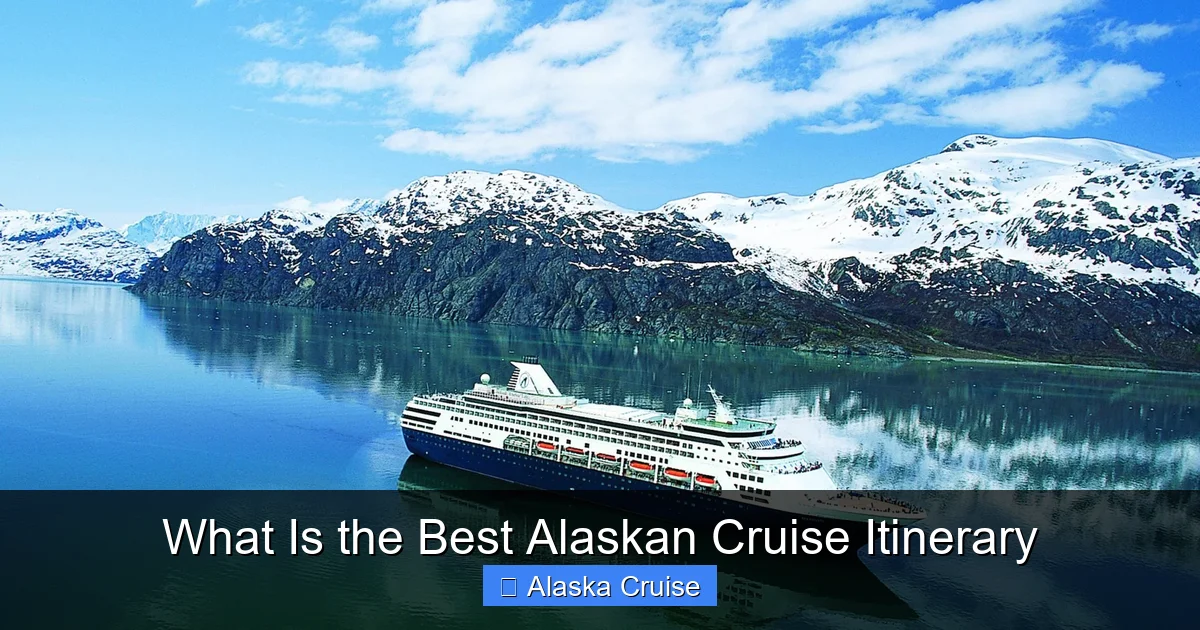
Choosing the best Alaskan cruise itinerary depends on your travel goals, but the ideal route balances glacier viewing, wildlife encounters, and cultural experiences. Whether you prefer a 7-day roundtrip from Seattle or a one-way journey through the Inside Passage, this guide helps you pick the perfect cruise for an unforgettable Alaskan adventure.
Key Takeaways
- Roundtrip vs. One-Way Cruises: Roundtrip itineraries from Seattle or Vancouver offer convenience, while one-way cruises (like Seattle to Seward) provide more time in port and access to Denali National Park.
- Best Time to Cruise: Late May to early September offers mild weather, long daylight hours, and peak wildlife activity—July and August are busiest but most reliable.
- Must-See Ports: Juneau, Skagway, Ketchikan, and Glacier Bay National Park are staples of the best itineraries, each offering unique excursions and scenery.
- Glacier Viewing Opportunities: Look for routes that include Hubbard Glacier, Tracy Arm Fjord, or Glacier Bay—these are prime spots for calving glaciers and icebergs.
- Wildlife Viewing: The best itineraries pass through areas rich in marine life, including humpback whales, sea lions, bald eagles, and bears.
- Cruise Line Differences: Luxury lines like Seabourn offer intimate experiences, while family-friendly brands like Royal Caribbean provide more onboard activities.
- Excursion Planning: Book popular shore excursions (like dog sledding on a glacier or whale watching) early—they often sell out months in advance.
📑 Table of Contents
What Is the Best Alaskan Cruise Itinerary?
Planning a trip to Alaska can feel overwhelming—there are so many cruise lines, routes, and ports to choose from. But if you’re dreaming of towering glaciers, rugged coastlines, and encounters with whales and bears, you’re in the right place. The best Alaskan cruise itinerary isn’t one-size-fits-all. It depends on your travel style, budget, and what you want to experience. Some travelers want luxury and gourmet dining, while others prioritize adventure and wildlife. The good news? Alaska’s natural beauty shines no matter which route you take.
That said, certain itineraries consistently rise to the top for their balance of scenery, port diversity, and glacier access. Whether you’re cruising from Seattle, Vancouver, or Anchorage, the ideal Alaska cruise combines stunning fjords, historic gold rush towns, and opportunities for outdoor adventures. In this guide, we’ll break down the most popular routes, highlight must-see destinations, and help you decide which itinerary is right for you. By the end, you’ll know exactly what to look for when booking your dream Alaskan voyage.
Understanding Alaska Cruise Routes
Alaska cruises generally fall into two main categories: roundtrip and one-way (also called open-jaw) itineraries. Each has its own advantages, and choosing between them is one of the first big decisions you’ll make.
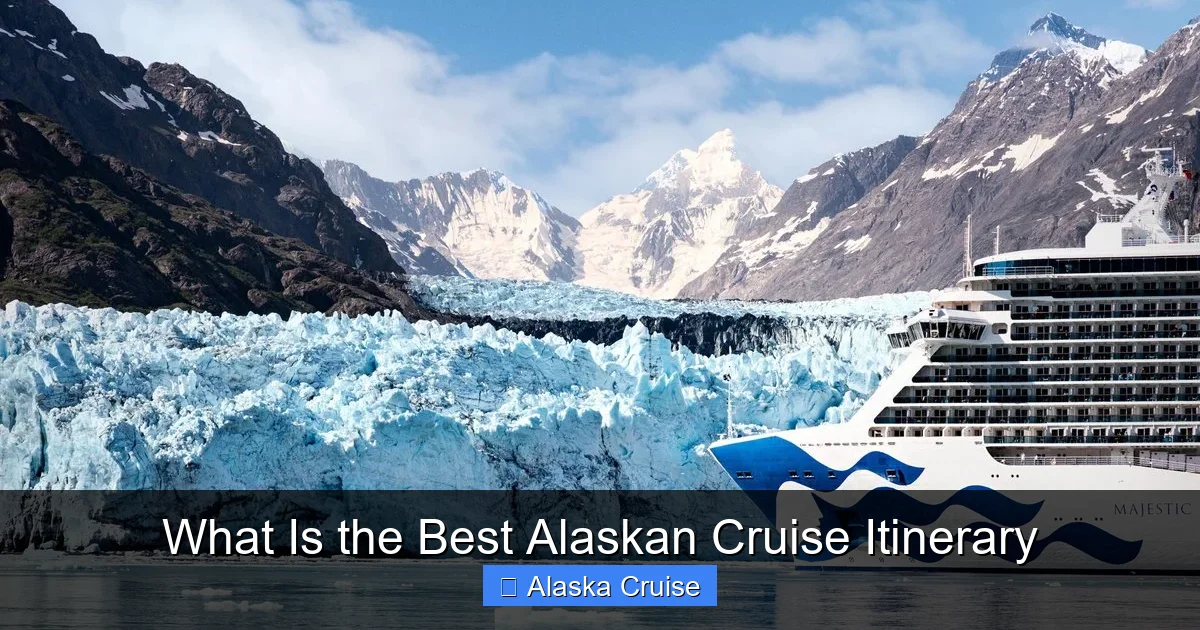
Visual guide about What Is the Best Alaskan Cruise Itinerary
Image source: dynamic-media-cdn.tripadvisor.com
Roundtrip Cruises
Roundtrip cruises depart and return to the same port, typically Seattle or Vancouver. These are popular with first-time cruisers because they’re convenient—no need to arrange flights at both ends. Most roundtrip itineraries last 7 days and follow the Inside Passage, stopping at classic ports like Ketchikan, Juneau, and Skagway. You’ll also usually get a day at sea with glacier viewing, often at Tracy Arm or Endicott Arm.
One of the biggest perks of a roundtrip cruise is simplicity. You fly into one city, board the ship, and fly home from the same place. It’s ideal if you’re traveling with family or don’t want to deal with complex logistics. However, because the ship returns the same way, you’ll see some of the same scenery twice. That’s not necessarily a bad thing—Alaska’s landscapes are so stunning that a second look is welcome—but it’s something to consider if you prefer variety.
One-Way (Open-Jaw) Cruises
One-way cruises start in one city and end in another, often sailing from Seattle to Seward (near Anchorage) or Vancouver to Whittier. These itineraries are longer—usually 7 to 10 days—and offer a more immersive experience. Because the ship doesn’t have to return, it can spend more time in key areas like Glacier Bay National Park or Hubbard Glacier.
The biggest advantage of a one-way cruise is the ability to combine your voyage with a land tour. Many travelers fly into Seattle, cruise to Seward, then take a train or bus into Denali National Park for a few days before flying home from Anchorage. This combo gives you the best of both worlds: the coastal beauty of a cruise and the inland wilderness of Alaska’s interior. It’s perfect for adventure seekers who want to see more than just the coastline.
However, one-way cruises require more planning. You’ll need to book flights to and from different cities, and you may need to arrange ground transportation between the ship and airport. But for many, the extra effort is worth it for the richer experience.
Top Ports of Call on the Best Itineraries
No matter which route you choose, the best Alaskan cruise itineraries include a mix of iconic ports. Each stop offers something unique, from Native culture and gold rush history to wildlife and glaciers. Here are the must-visit destinations that define an outstanding Alaska cruise.
Ketchikan: The Gateway to the Tongass
Ketchikan is usually the first port on most Inside Passage cruises, and it’s a favorite for good reason. Known as the “Salmon Capital of the World,” this charming town sits on the edge of the Tongass National Forest, the largest national forest in the U.S. Stroll along Creek Street, a historic boardwalk built over a creek, and visit the Totem Heritage Center to see restored 19th-century totem poles.
Wildlife lovers will enjoy a visit to the nearby Misty Fjords National Monument, where you can take a floatplane tour over dramatic cliffs and waterfalls. Or, join a guided kayak trip to spot sea lions, eagles, and maybe even a black bear along the shore. Ketchikan is also a great place to learn about Alaska Native culture—many excursions include visits to local villages and performances by Tlingit dancers.
Juneau: Alaska’s Capital City
Juneau is the only state capital in the U.S. that’s inaccessible by road—you can only reach it by boat or plane. That isolation has helped preserve its natural beauty and small-town charm. Nestled between the mountains and the sea, Juneau offers some of the best glacier and wildlife experiences in Alaska.
The star attraction is the Mendenhall Glacier, a 13-mile river of ice just 12 miles from downtown. You can hike the trails around the glacier, take a guided ice walk, or even go dog sledding on a nearby glacier (weather permitting). Juneau is also a prime spot for whale watching—humpbacks are commonly seen feeding in the surrounding waters from May to September.
For history buffs, the Alaska State Museum offers fascinating exhibits on Native culture, Russian influence, and the gold rush era. And if you’re feeling adventurous, consider a helicopter tour to a remote glacier or a zipline through the rainforest canopy.
Skagway: A Step Back in Time
Skagway looks like it’s been frozen in time since the Klondike Gold Rush of the late 1800s. Wooden boardwalks, false-front buildings, and historic saloons line the streets, giving the town a Wild West vibe. It’s one of the most photographed ports in Alaska, and for good reason.
The main attraction is the White Pass & Yukon Route Railway, a narrow-gauge train that climbs 2,865 feet through the mountains to the Canadian border. The ride offers breathtaking views of waterfalls, gorges, and alpine meadows. Many travelers combine the train ride with a bus tour into the Yukon Territory, where you can pan for gold and learn about the hardships of the gold rush.
Skagway is also a gateway to outdoor adventures. Hike the scenic Chilkoot Trail, go dog sledding, or take a flightseeing tour over the glaciers. And don’t miss the daily performance of “The Days of ’98 Show,” a humorous reenactment of gold rush life.
Glacier Bay National Park: A UNESCO World Heritage Site
Glacier Bay is one of the crown jewels of the Alaskan cruise experience. This 3.3-million-acre park is home to over a dozen tidewater glaciers, including the massive Margerie and Grand Pacific Glaciers. As your ship glides silently through the bay, you’ll witness glaciers calving—huge chunks of ice breaking off and crashing into the water with a thunderous roar.
The park is a protected wilderness, so only a limited number of ships are allowed each day. That means you’ll have a front-row seat to one of nature’s most dramatic displays without the crowds. Park rangers come aboard to share insights about the glaciers, wildlife, and conservation efforts. Keep your camera ready—you might see sea otters, harbor seals, or even a brown bear along the shoreline.
While you won’t disembark in Glacier Bay (it’s a no-landing zone), the experience is unforgettable. The combination of icy peaks, turquoise waters, and abundant wildlife makes it a highlight of any Alaska cruise.
Hubbard Glacier: The Largest Tidewater Glacier
If your itinerary includes a northern route, you might visit Hubbard Glacier—the largest tidewater glacier in North America. Stretching over 7 miles wide and rising up to 300 feet above the water, it’s a sight to behold. Hubbard is also one of the few glaciers in Alaska that’s advancing, not retreating, which makes it especially dynamic.
As your ship approaches, you’ll hear the glacier before you see it—the sound of ice cracking and calving echoes across the water. The best viewing is from the deck, where you can feel the cool breeze and watch icebergs float by. Some ships even offer special “glacier viewing” events with hot chocolate and commentary from naturalists.
Hubbard Glacier is often included in one-way cruises that sail further north, so it’s a great reason to consider an open-jaw itinerary. It’s also a prime spot for wildlife—look for sea lions basking on ice floes and bald eagles soaring overhead.
Best Time to Cruise Alaska
Timing is everything when it comes to an Alaskan cruise. The cruising season runs from May to September, but each month offers a different experience. Choosing the right time can make a big difference in your trip.
May and Early June: Quiet and Crisp
The early season (May to mid-June) is ideal if you want fewer crowds and lower prices. The weather is cooler, but the landscapes are lush and green after the spring melt. Wildlife is active, and you might see bears feeding on fresh vegetation along the shore. However, some excursions—like dog sledding on glaciers—may not be available yet due to snow conditions.
July and August: Peak Season
July and August are the most popular months to cruise Alaska. The weather is warmest, with daytime temperatures in the 60s and 70s, and daylight lasts up to 18 hours. This is the best time for wildlife viewing—whales, bears, and birds are all active. It’s also when most shore excursions are fully operational.
The downside? It’s also the busiest time. Ports can be crowded, and popular excursions sell out quickly. If you’re traveling during peak season, book your cruise and excursions as early as possible—ideally 6 to 12 months in advance.
September: Fall Colors and Fewer Crowds
Late August to September offers a quieter, more intimate experience. The summer crowds have thinned, and the fall colors begin to appear in the forests. The weather is still mild, though it can be rainier. This is a great time for photography, as the golden light and changing leaves create stunning scenery.
One thing to note: some smaller towns and attractions may start to close for the season in September. But for many travelers, the trade-off is worth it for the peaceful atmosphere and beautiful autumn views.
Choosing the Right Cruise Line
Not all cruise lines are created equal when it comes to Alaska. Each offers a different experience, from luxury to family fun. Your choice will shape your entire trip, so it’s important to pick the right one.
Luxury and Small Ships
If you want an intimate, high-end experience, consider a luxury line like Seabourn, Silversea, or Regent Seven Seas. These ships are smaller, with fewer passengers, which means more personalized service and access to remote areas. Many offer all-inclusive pricing, gourmet dining, and expert naturalists on board.
Smaller ships can also navigate narrower channels and get closer to glaciers and wildlife. Some even offer Zodiac excursions or kayaking directly from the ship. These cruises are ideal for travelers who value comfort, privacy, and immersive nature experiences.
Mainstream and Family-Friendly Lines
For a more active, family-oriented trip, mainstream lines like Royal Caribbean, Norwegian Cruise Line, and Carnival are great options. These ships are larger and offer a wide range of onboard activities—rock climbing, water slides, Broadway-style shows, and kids’ clubs. They’re perfect if you’re traveling with children or want a lively atmosphere.
Mainstream cruises also tend to be more affordable, with frequent deals and promotions. However, they can feel crowded during peak season, and you may have less time in port due to tighter schedules. Still, they offer excellent value and a fun, energetic vibe.
Expedition and Adventure Cruises
If you’re an adventure seeker, consider an expedition cruise with companies like Lindblad Expeditions or UnCruise Adventures. These small, rugged ships focus on exploration and hands-on experiences. You might go kayaking among icebergs, hiking in remote fjords, or visiting Native villages with cultural guides.
Expedition cruises are ideal for travelers who want to get off the beaten path and experience Alaska in a more authentic way. They’re often more expensive and require a higher level of physical fitness, but the rewards are unforgettable.
Tips for Booking the Best Itinerary
Now that you know what to look for, here are some practical tips to help you book the best Alaskan cruise itinerary for your needs.
Book Early
Alaska cruises are popular, and the best itineraries—especially one-way routes and those visiting Glacier Bay—sell out fast. Aim to book at least 6 to 12 months in advance, especially if you’re traveling during peak season.
Compare Itineraries Side by Side
Don’t just look at the cruise line—compare the actual itineraries. Look at the number of sea days, port times, and which glaciers are included. A 7-day cruise with three glacier days will feel very different from one with only one.
Check Port Times
Some ships arrive in port late and leave early, giving you only a few hours to explore. Look for itineraries with longer port stays—ideally 8 to 10 hours or more—so you can enjoy excursions without rushing.
Read Reviews
Check recent passenger reviews on sites like Cruise Critic or TripAdvisor. Look for comments about the scenery, wildlife sightings, and the quality of excursions. Real traveler feedback can help you avoid surprises.
Consider a Combo Trip
If you want to see more of Alaska, consider a cruise-and-land package. Many cruise lines offer pre- or post-cruise tours to Denali National Park, Fairbanks, or the Kenai Fjords. These packages often include flights, hotels, and guided tours, making it easy to see both the coast and the interior.
Conclusion
The best Alaskan cruise itinerary is the one that matches your travel style, budget, and interests. Whether you choose a roundtrip voyage from Seattle or a one-way journey to Seward, you’re in for an unforgettable adventure. From the thunder of calving glaciers to the sight of whales breaching in the distance, Alaska’s beauty is unmatched.
Focus on routes that include key ports like Juneau, Skagway, and Ketchikan, and prioritize glacier viewing opportunities. Book early, choose the right cruise line for your needs, and don’t forget to plan your excursions in advance. With the right itinerary, your Alaskan cruise will be more than a vacation—it’ll be a once-in-a-lifetime experience.
Frequently Asked Questions
What is the best month to take an Alaskan cruise?
The best months are July and August, when the weather is warmest, wildlife is most active, and all excursions are fully operational. However, May and September offer fewer crowds and beautiful scenery, making them great alternatives.
How many days should an Alaskan cruise be?
A 7-day cruise is the most popular and offers a great balance of port time and sea days. For a more immersive experience, consider a 10-day one-way cruise that includes Glacier Bay or Hubbard Glacier.
Can you see glaciers on an Alaskan cruise?
Yes! Most itineraries include glacier viewing at places like Tracy Arm, Glacier Bay, or Hubbard Glacier. These are prime spots to see calving ice and floating icebergs up close.
Do I need to book excursions in advance?
Yes, especially for popular activities like dog sledding, whale watching, or flightseeing tours. These often sell out months in advance, so book as early as possible.
Is Alaska cruise weather cold?
It depends on the month. Summer temperatures range from 50°F to 70°F, but it can feel cooler on the water. Pack layers, a waterproof jacket, and warm clothing for glacier days.
Can you see the Northern Lights on an Alaskan cruise?
It’s rare. The Northern Lights are best seen in winter, but Alaska cruises run in summer when there’s nearly 24-hour daylight. You’re more likely to see them on a winter land tour than a summer cruise.