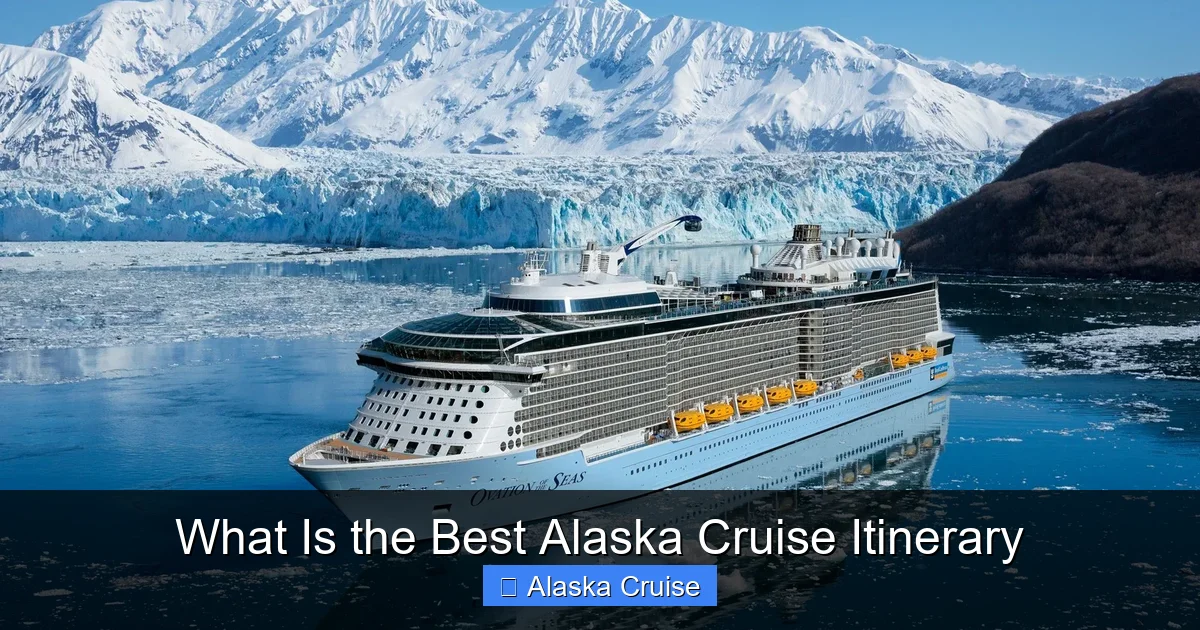
Choosing the best Alaska cruise itinerary depends on your interests, travel style, and how much time you have. Whether you crave glacier views, wildlife sightings, or cultural immersion, the ideal route balances scenic beauty with port experiences. This guide breaks down the top itineraries to help you pick the perfect Alaskan voyage.
This is a comprehensive guide about what is the best alaska cruise itinerary.
Key Takeaways
- Round-trip vs. one-way cruises: Round-trip itineraries from Seattle or Vancouver offer convenience, while one-way trips (like Seattle to Seward) allow deeper exploration and avoid backtracking.
- Inside Passage vs. Gulf of Alaska routes: Inside Passage cruises focus on lush forests and coastal towns, while Gulf itineraries reach farther north for glacier-heavy experiences like Hubbard Glacier and College Fjords.
- Best time to cruise: Mid-June to early August offers the warmest weather, longest days, and peak wildlife activity—ideal for first-time cruisers.
- Port highlights matter: Look for stops in Juneau, Skagway, Ketchikan, and Glacier Bay for a well-rounded mix of nature, history, and adventure.
- Duration impacts experience: 7-day cruises are popular, but 10- to 14-day itineraries provide more time in port and access to remote destinations like Haida Gwaii or Whittier.
- Small ships vs. large vessels: Smaller ships can navigate narrow fjords and offer more intimate wildlife encounters, while larger ships provide more amenities and stability.
- Book excursions early: Popular activities like whale watching, dog sledding on glaciers, and flightseeing fill up fast—reserve ahead for the best experience.
[FEATURED_IMAGE_PLACEHOLDER]
What Is the Best Alaska Cruise Itinerary?
Planning a trip to Alaska can feel overwhelming—there’s so much to see, from towering glaciers and snow-capped peaks to charming coastal towns and abundant wildlife. But one of the most rewarding ways to experience the Last Frontier is by cruise. Not only do cruises offer breathtaking views from the deck, but they also provide access to remote ports that are difficult to reach by land. The key to an unforgettable Alaskan adventure? Choosing the right itinerary.
So, what is the best Alaska cruise itinerary? The answer isn’t one-size-fits-all. It depends on your travel goals, how much time you have, and what kind of experiences you’re after. Some travelers want to maximize glacier viewing, while others prioritize cultural immersion or wildlife photography. Some prefer the convenience of a round-trip cruise, while others are willing to fly home from a different port for a more immersive journey.
In this guide, we’ll walk you through the top Alaska cruise itineraries, compare routes, highlight must-see ports, and share insider tips to help you pick the perfect voyage. Whether you’re a first-time cruiser or a seasoned traveler, you’ll find everything you need to make an informed decision and set sail on the Alaskan adventure of a lifetime.
Understanding Alaska Cruise Itinerary Types
Before diving into specific routes, it’s important to understand the two main types of Alaska cruise itineraries: Inside Passage and Gulf of Alaska. Each offers a unique experience, and knowing the difference will help you choose the best fit for your travel style.
Inside Passage Cruises
The Inside Passage is the classic Alaska cruise route, stretching along the southeastern coast from Washington State through British Columbia and into Alaska. This scenic waterway winds through narrow channels, past dense temperate rainforests, and alongside snow-dusted mountains. It’s known for its calm waters, making it ideal for first-time cruisers or those prone to seasickness.
Most Inside Passage cruises are round-trip, departing from and returning to ports like Seattle, Vancouver, or San Francisco. These itineraries typically last 7 to 10 days and include stops in popular ports such as Ketchikan, Juneau, and Skagway. Some also include a visit to Glacier Bay National Park, a UNESCO World Heritage Site renowned for its dramatic glaciers and marine wildlife.
One of the biggest advantages of an Inside Passage cruise is accessibility. You don’t need to fly into Alaska—just board in Seattle or Vancouver and let the ship take you north. It’s also a great option if you’re short on time or traveling with family, as the shorter duration and predictable schedule make planning easier.
However, because this route is so popular, it can feel crowded during peak season. And while you’ll see plenty of beautiful scenery, you might miss out on the more remote, glacier-heavy experiences found farther north.
Gulf of Alaska Cruises
Gulf of Alaska itineraries take you deeper into the heart of the state, venturing beyond the Inside Passage to reach destinations like Seward, Whittier, and Hubbard Glacier. These cruises often start in one port and end in another—commonly Seattle to Seward or Vancouver to Whittier—requiring a one-way flight home.
These routes are longer, typically 10 to 14 days, and offer a more immersive Alaskan experience. You’ll spend more time at sea, but the payoff is access to some of the most spectacular natural wonders in the world. Imagine sailing past the towering blue face of Hubbard Glacier, one of the few advancing glaciers in the world, or cruising through the icy fjords of College Fjords, where glaciers calve directly into the sea.
Gulf itineraries also allow for more time in port, giving you the chance to explore towns like Seward and Homer, which offer excellent hiking, kayaking, and wildlife tours. You’re also more likely to spot marine mammals like sea otters, sea lions, and even whales in the open waters of the Gulf.
The trade-off? These cruises require more planning, especially if you’re flying in and out of different cities. They’re also less common, so availability may be limited. But for travelers seeking a more adventurous and less-traveled path, a Gulf of Alaska cruise is hard to beat.
Top Alaska Cruise Itineraries for 2024
Now that you understand the two main route types, let’s look at some of the best Alaska cruise itineraries available in 2024. These routes are consistently rated highly by travelers and offer a balanced mix of scenery, wildlife, and cultural experiences.
7-Day Round-Trip from Seattle: The Classic Choice
If you’re looking for convenience and a well-rounded introduction to Alaska, a 7-day round-trip cruise from Seattle is a top pick. These itineraries typically include stops in Ketchikan, Juneau, Skagway, and a glacier viewing experience in Tracy Arm or Endicott Arm.
Why it’s great: You avoid the hassle of flying into Alaska, and the short duration makes it ideal for first-time cruisers or those with limited vacation time. Plus, Seattle is a major hub with plenty of flight options and pre-cruise activities.
What to expect: In Ketchikan, you’ll explore totem poles and rainforests. Juneau offers whale watching and access to Mendenhall Glacier. Skagway is a gold rush town with historic charm and scenic train rides. And the glacier day—often the highlight—lets you sail up close to towering ice walls and listen to the thunderous sound of calving.
Tip: Book a balcony cabin if possible. The views during glacier day are unforgettable, and having your own private space to enjoy them makes the experience even better.
7-Day Round-Trip from Vancouver: Scenic and Stress-Free
Similar to the Seattle route, a 7-day round-trip from Vancouver offers a relaxed way to see Alaska with the added bonus of starting in a beautiful Canadian city. Vancouver is known for its stunning harbor, vibrant food scene, and proximity to nature, making it a great pre-cruise destination.
This itinerary usually includes the same ports as the Seattle version—Ketchikan, Juneau, Skagway—and often adds a visit to the scenic Inside Passage or a glacier stop. Some lines also include a stop in Prince Rupert, British Columbia, which offers Indigenous cultural experiences and wildlife viewing.
Why it’s great: Vancouver is easier to reach for international travelers, and the cruise line often includes a scenic sailing through the Inside Passage on departure day, giving you a taste of Alaskan beauty right from the start.
Tip: Arrive a day early to explore Vancouver’s Stanley Park, Granville Island, and the Capilano Suspension Bridge. It’s a great way to ease into your trip.
10-Day One-Way from Seattle to Seward: The Glacier Lover’s Dream
For travelers who want more time in Alaska and don’t mind a one-way trip, a 10-day cruise from Seattle to Seward is one of the best Alaska cruise itineraries. This route combines the best of the Inside Passage with the dramatic scenery of the Gulf of Alaska.
You’ll start with stops in Ketchikan, Juneau, and Skagway, then continue north to Hubbard Glacier—one of the most impressive glacier experiences in the world. After that, you’ll disembark in Seward, a gateway to Kenai Fjords National Park.
Why it’s great: You get the full Alaskan experience without backtracking. The extended duration allows for more port time and a slower pace, and the inclusion of Hubbard Glacier is a major draw for nature lovers.
Tip: Plan to spend a few days in Seward after your cruise. Take a boat tour into Kenai Fjords to see more glaciers and wildlife, or hike the Exit Glacier trail for a close-up view of glacial retreat.
14-Day Voyage of the Glaciers: The Ultimate Alaska Experience
If you have the time and budget, a 14-day “Voyage of the Glaciers” itinerary is the gold standard for Alaska cruising. These cruises often start in Vancouver or Seattle and end in Anchorage or Whittier, covering both the Inside Passage and the Gulf of Alaska.
You’ll visit all the classic ports—Ketchikan, Juneau, Skagway—plus spend multiple days at sea for glacier viewing. Many itineraries include two glacier stops: one in Glacier Bay and another at Hubbard Glacier or College Fjords. Some even add remote destinations like Haida Gwaii or Icy Strait Point.
Why it’s great: This is the most comprehensive Alaska cruise, offering the best of both worlds. You’ll see more glaciers, spend more time in port, and enjoy a more relaxed pace. It’s ideal for travelers who want to fully immerse themselves in Alaskan culture and nature.
Tip: These cruises are popular and often sell out a year in advance. Book early, especially if you want a balcony or suite.
Best Time to Cruise Alaska: Timing Your Trip
Choosing the right time to cruise Alaska can make a big difference in your experience. The cruise season runs from May to September, but each month offers something different.
May and Early June: Fewer Crowds, Lower Prices
Cruising in May or early June means smaller crowds, lower prices, and a chance to see spring in Alaska. The weather is cooler, but the landscapes are lush and green, and wildlife is active as animals emerge from winter.
Pros: Great value, fewer tourists, active wildlife.
Cons: Cooler temperatures, some excursions may not be available yet.
Mid-June to Early August: Peak Season
This is the most popular time to cruise Alaska, and for good reason. The weather is warmest, the days are longest (up to 18 hours of daylight), and all excursions are operating. It’s also the best time for wildlife viewing—whales, bears, and bald eagles are commonly spotted.
Pros: Ideal weather, full excursion availability, peak wildlife activity.
Cons: Higher prices, larger crowds, ports can feel busy.
Late August to September: Fall Colors and Quiet Ports
Cruising in late August or September offers a quieter experience with stunning fall foliage. The weather is still pleasant, and you’ll have more space on the ship and in ports. It’s also a great time for photography, with golden light and colorful landscapes.
Pros: Beautiful scenery, fewer crowds, good weather.
Cons: Some excursions may start to wind down, cooler evenings.
Choosing the Right Cruise Line and Ship
Once you’ve decided on an itinerary and travel dates, it’s time to choose a cruise line and ship. Each line offers a different experience, so consider what matters most to you.
Large Ships: Amenities and Stability
Lines like Royal Caribbean, Norwegian Cruise Line, and Carnival offer large ships with extensive amenities—multiple dining options, Broadway-style shows, rock climbing walls, and more. These ships are stable in rough seas and great for families or travelers who want a resort-like experience.
Best for: Families, first-time cruisers, those who enjoy onboard entertainment.
Small Ships: Intimacy and Access
Smaller ships, like those from UnCruise Adventures, Lindblad Expeditions, or Hurtigruten, carry fewer passengers and can access remote areas larger ships can’t reach. They often focus on nature, wildlife, and cultural immersion, with expert naturalists on board.
Best for: Nature lovers, photographers, travelers seeking a more intimate experience.
Luxury Lines: Comfort and Service
Luxury lines like Seabourn, Silversea, and Crystal Cruises offer all-inclusive experiences with gourmet dining, spacious suites, and personalized service. These cruises are more expensive but provide a high level of comfort and attention to detail.
Best for: Travelers seeking a premium experience, couples, or those celebrating a special occasion.
Packing and Preparation Tips
Packing for an Alaska cruise requires a bit more thought than a tropical getaway. The weather can change quickly, and you’ll want to be prepared for everything from sunny deck days to rainy port excursions.
Layering Is Key
Alaska’s weather is unpredictable, so pack in layers. Bring a base layer (like moisture-wicking thermal wear), a mid-layer (fleece or sweater), and a waterproof outer layer (rain jacket and pants). A warm hat, gloves, and waterproof boots are also essential.
Don’t Forget the Essentials
Sunscreen, sunglasses, and a hat are important—even on cloudy days, the sun reflects off the water and ice. Binoculars are a must for wildlife viewing, and a good camera with a zoom lens will help you capture distant glaciers and animals.
Plan for Shore Excursions
Research and book excursions in advance. Popular activities like whale watching, glacier hiking, and flightseeing sell out quickly. Check if your cruise line offers a “shore excursion guarantee” in case of cancellations.
Conclusion
So, what is the best Alaska cruise itinerary? The truth is, there’s no single “best” route—only the one that’s best for you. Whether you choose a 7-day round-trip from Seattle, a 10-day voyage to Seward, or a 14-day epic journey through the Gulf of Alaska, the key is to match the itinerary to your interests, schedule, and travel style.
Look for a route that balances glacier viewing, wildlife encounters, and cultural experiences. Consider the time of year, the size of the ship, and the quality of onboard programming. And don’t forget to book excursions early—those once-in-a-lifetime moments fill up fast.
Alaska is a destination that stays with you long after you’ve returned home. The sound of a glacier calving, the sight of a humpback whale breaching, the smell of pine in a misty rainforest—these are the memories that define a great cruise. With the right itinerary, your Alaskan adventure will be nothing short of extraordinary.
Frequently Asked Questions
What is the best month to take an Alaska cruise?
The best time is mid-June to early August, when the weather is warmest, daylight is longest, and wildlife is most active. However, May and September offer fewer crowds and lower prices.
Should I choose a round-trip or one-way Alaska cruise?
Round-trip cruises are more convenient and avoid backtracking, while one-way trips allow deeper exploration and access to remote destinations like Seward or Whittier.
What ports should I look for on an Alaska cruise itinerary?
Look for stops in Ketchikan, Juneau, Skagway, and Glacier Bay for a well-rounded mix of culture, history, and nature. Hubbard Glacier is a must for glacier lovers.
Can I see whales on an Alaska cruise?
Yes! Whales, especially humpbacks, are commonly seen in Alaska’s waters from May to September. Juneau and Icy Strait Point are top spots for whale watching.
Do I need to book shore excursions in advance?
Yes, popular excursions like dog sledding, flightseeing, and glacier hikes often sell out months in advance. Book early through your cruise line or a trusted tour operator.
What should I pack for an Alaska cruise?
Pack layers, including a waterproof jacket, warm hat, gloves, and sturdy shoes. Don’t forget sunscreen, binoculars, and a camera with a good zoom lens.