Featured image for what is cruise line industry
Image source: s2.studylib.net
The cruise line industry is a dynamic global sector offering vacation experiences through sea-based travel, combining transportation, lodging, dining, and entertainment into one seamless package. In 2024, it operates as a competitive, tech-driven market where major brands deploy massive ships, niche itineraries, and AI-enhanced services to attract diverse travelers. From luxury voyages to budget-friendly options, the industry thrives on innovation and sustainability to meet evolving consumer demands.
Key Takeaways
- The cruise industry offers packaged sea vacations with lodging, dining, and entertainment included.
- Major players dominate the market, controlling over 70% of global cruise capacity.
- Revenue streams include ticket sales, onboard spending, and shore excursions for profitability.
- Technology drives modern cruising with AI, contactless systems, and eco-friendly ship designs.
- Regulations ensure safety, environmental compliance, and standardized operations across international waters.
- Target demographics range from luxury travelers to families, shaping cruise line branding and offerings.
📑 Table of Contents
What Is Cruise Line Industry and How It Works in 2024
Imagine waking up each morning to a new skyline, a different culture, or even a new continent—all without the hassle of airports, layovers, or unpacking. This dream is the reality for millions of travelers who choose the cruise line industry as their preferred way to explore the world. In 2024, the cruise industry has evolved into a dynamic, multi-billion-dollar global sector that blends luxury, adventure, and innovation. From mega-ships with sky-high water slides and robotic bartenders to eco-conscious vessels powered by liquefied natural gas (LNG), the cruise line industry is no longer just about sunbathing and buffet dining—it’s a complex ecosystem of logistics, hospitality, technology, and sustainability.
The cruise line industry, often referred to simply as the cruise industry, encompasses companies that operate passenger ships designed for leisure voyages. These voyages can range from a weekend getaway in the Caribbean to a 100-day world cruise that circumnavigates the globe. In 2024, the industry is not only rebounding from the pandemic-induced downturn but also redefining itself with digital transformation, enhanced safety protocols, and a renewed focus on environmental responsibility. With over 30 million passengers expected to set sail this year, according to the Cruise Lines International Association (CLIA), the industry is thriving. But what exactly is the cruise line industry? How does it function behind the scenes? And what makes it one of the most unique and resilient sectors in global tourism? This guide dives deep into the mechanics, economics, trends, and future of the cruise line industry in 2024.
The Anatomy of the Cruise Line Industry
Core Components: Ships, Companies, and Passengers
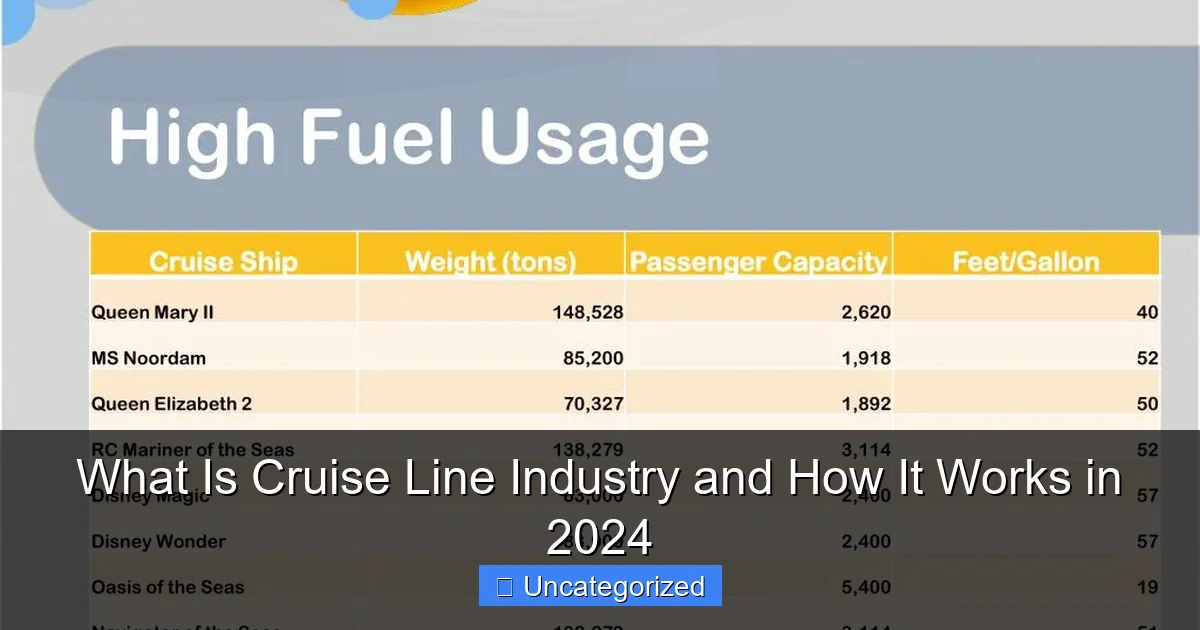
The cruise line industry is built on three foundational pillars: the ships, the companies that operate them, and the passengers who choose to sail. Cruise ships are not merely vessels—they are floating cities, complete with restaurants, theaters, medical centers, swimming pools, retail shops, and even wedding chapels. In 2024, the average cruise ship carries between 2,000 and 6,000 passengers, with some mega-ships like Royal Caribbean’s Icon of the Seas hosting over 7,600 guests and 2,350 crew members.
Visual guide about what is cruise line industry
Image source: image2.slideserve.com
Cruise companies are the engines behind these floating resorts. The industry is dominated by a few major players, including:
- Carnival Corporation & plc – the world’s largest cruise company, with brands like Carnival Cruise Line, Princess Cruises, and Holland America Line.
- Royal Caribbean Group – known for innovation and high-tech ships, operating Royal Caribbean International, Celebrity Cruises, and Silversea.
- Norwegian Cruise Line Holdings – home to Norwegian Cruise Line, Oceania Cruises, and Regent Seven Seas Cruises.
Each company targets different demographics and travel preferences, from budget-conscious families (Carnival) to ultra-luxury travelers (Regent Seven Seas). Meanwhile, passengers—ranging from honeymooners to retirees to multi-generational families—drive demand, shaping itineraries, onboard experiences, and service offerings.
How Cruise Lines Make Money
Contrary to popular belief, cruise lines don’t rely solely on ticket sales. While the base fare covers essentials like accommodation, meals, and basic entertainment, the real profit comes from a model called ancillary revenue. This includes:
- Onboard spending: specialty dining, spa treatments, shore excursions, and casino gaming.
- Beverage packages: unlimited soda, wine, or cocktails—often priced higher than retail.
- Retail: branded merchandise, duty-free shopping, and souvenirs.
- Future cruise credits and loyalty programs: encouraging repeat bookings.
For example, a family paying $2,000 for a 7-day cruise might spend an additional $1,000 on excursions, drinks, and shopping. This ancillary revenue can account for 30–40% of a cruise line’s total income. In 2024, companies are increasingly using data analytics and AI to personalize offers, such as suggesting a private beach excursion based on a passenger’s past behavior.
Fleet Management and Ship Design
Behind every smooth sailing is a massive logistical operation. Cruise lines invest billions in ship design, construction, and maintenance. Modern vessels are built in specialized shipyards like Meyer Werft (Germany), Fincantieri (Italy), and Chantiers de l’Atlantique (France). In 2024, new ships are being designed with modular construction techniques, allowing for faster builds and easier upgrades.
Ships are categorized by size and target market:
- Contemporary: mid-sized ships (e.g., Carnival Breeze) with casual, family-friendly environments.
- Premium: larger ships with more amenities (e.g., Norwegian Encore).
- Luxury: smaller, all-inclusive vessels (e.g., Seabourn Ovation) with high crew-to-guest ratios.
- Expedition: ice-strengthened ships for polar regions (e.g., Lindblad Expeditions).
Design innovations in 2024 include energy-efficient hulls, advanced wastewater treatment systems, and hybrid power systems that reduce emissions. For instance, Royal Caribbean’s Icon of the Seas uses LNG propulsion—the cleanest fossil fuel available—cutting CO2 emissions by 20% compared to traditional diesel.
How the Cruise Line Industry Operates
Itinerary Planning and Port Management
Creating a cruise itinerary is a complex science that balances passenger demand, port availability, fuel costs, and geopolitical factors. Cruise lines typically plan itineraries 2–3 years in advance. For example, a Caribbean cruise might include stops in Nassau (Bahamas), St. Thomas (U.S. Virgin Islands), and San Juan (Puerto Rico), each offering unique attractions and shore excursions.
Ports play a crucial role. Cruise lines pay port fees to dock, often ranging from $5 to $15 per passenger. In 2024, port congestion is a growing concern, especially in popular destinations like Barcelona, Venice, and Cozumel. To manage this, cruise lines use:
- Staggered arrivals: spacing out ship arrivals to reduce crowding.
- Off-peak scheduling: visiting ports during shoulder seasons or less busy times of day.
- Private islands: Carnival’s Half Moon Cay and Royal Caribbean’s Perfect Day at CocoCay offer exclusive, congestion-free experiences.
Tip: Travelers can often find better deals on cruises visiting less popular ports, such as Roatán (Honduras) or Dominica, which offer pristine natural beauty without the crowds.
Crew and Human Resources
A cruise ship operates like a small city, requiring a diverse workforce. The crew—numbering from 800 to 2,500 depending on the ship—includes:
- Hospitality staff (waiters, housekeepers, bartenders)
- Entertainment (singers, dancers, cruise directors)
- Technical and engineering teams
- Medical personnel
- Security and safety officers
In 2024, cruise lines are investing heavily in crew welfare. Royal Caribbean introduced the Crew App, allowing staff to access schedules, request time off, and connect with family via free Wi-Fi. Carnival launched mental health programs, including counseling services and wellness centers. These efforts aim to reduce turnover, which historically has been high due to long contracts (6–10 months) and time away from home.
Additionally, crew diversity is a priority. Norwegian Cruise Line, for example, employs staff from over 70 nationalities, reflecting the global nature of the industry.
Technology and Digital Transformation
2024 is a year of digital innovation in the cruise industry. Cruise lines are using technology to enhance the guest experience, streamline operations, and improve safety. Key advancements include:
- Wearable tech: wristbands (e.g., Carnival’s Medallion) that act as room keys, payment methods, and GPS trackers.
- Mobile apps: allowing passengers to book excursions, check dining reservations, and view ship maps in real time.
- AI and chatbots: answering common questions and personalizing recommendations.
- Contactless services: digital check-in, facial recognition boarding, and virtual concierge.
For example, Princess Cruises’ OceanMedallion uses Bluetooth and AI to deliver personalized greetings, suggest activities, and even order a drink before a guest sits down by the pool. This technology has reduced wait times by 30% and increased onboard spending by 15%.
Economic and Environmental Impact
Global Economic Contribution
The cruise line industry is a major economic force. According to CLIA’s 2023 Economic Impact Report, the global cruise industry contributed $154 billion to the global economy and supported over 1.2 million jobs in 2022. In 2024, these numbers are expected to grow, with the U.S. leading in passenger volume and employment.
Key economic contributions include:
- Job creation: from shipyard workers to hotel staff in port cities.
- Local tourism: cruise passengers spend an average of $125–$200 per day in port, boosting local economies.
- Tax revenue: port fees, fuel taxes, and passenger taxes generate billions for governments.
For instance, Miami, known as the “Cruise Capital of the World,” sees over 5 million cruise passengers annually, generating $10 billion in economic impact. Similarly, ports like Singapore and Sydney rely heavily on cruise tourism for revenue and employment.
Environmental Challenges and Sustainability Initiatives
Despite its economic benefits, the cruise industry faces criticism for its environmental footprint. Cruise ships emit greenhouse gases, discharge wastewater, and contribute to port pollution. In 2024, the industry is under increasing pressure to adopt sustainable practices.
Major initiatives include:
- Alternative fuels: LNG, biofuels, and hydrogen-powered ships. Carnival’s AIDAnova is the first LNG-powered cruise ship in the world.
- Advanced wastewater treatment: systems that filter and disinfect blackwater and greywater before discharge.
- Shore power: allowing ships to turn off engines while docked, using land-based electricity. Ports like Seattle and Vancouver offer shore power connections.
- Plastic reduction: banning single-use plastics (straws, cutlery) and using reusable containers.
Royal Caribbean’s Perfect Day at CocoCay is a model of sustainability, with solar panels, rainwater harvesting, and coral reef restoration projects. Meanwhile, Hurtigruten, a Norwegian cruise line, operates battery-hybrid ships in the Arctic, reducing emissions by 20–30%.
Tip: Eco-conscious travelers can choose “green” cruise lines or look for ships with Clean Ship Certification from organizations like Green Marine.
Consumer Trends and Market Segmentation
Who Is Cruising in 2024?
The cruise market is more diverse than ever. In 2024, key demographics include:
- Millennials and Gen Z: seeking adventure, social experiences, and Instagram-worthy moments. They prefer shorter cruises (3–5 days) and themed voyages (e.g., music festivals, wellness retreats).
- Families: drawn to kid-friendly amenities like water parks, kids’ clubs, and character meet-and-greets (e.g., Disney Cruise Line).
- Seniors: opting for longer, more relaxed voyages (e.g., 14-day Mediterranean cruises) with cultural enrichment programs.
- LGBTQ+ travelers: choosing inclusive brands like Virgin Voyages, which bans tipping and emphasizes diversity.
According to CLIA, 67% of first-time cruisers are under 50, signaling a shift toward younger, experience-driven travelers. To cater to this, cruise lines are offering:
- Adventure excursions (ziplining, scuba diving, glacier trekking)
- Wellness-focused cruises (yoga, meditation, detox programs)
- Digital nomad packages (high-speed Wi-Fi, co-working spaces)
Specialty and Niche Cruising
Beyond mainstream options, the industry is seeing a rise in niche markets:
- Luxury cruising: all-inclusive, small-ship experiences (e.g., Silversea, Regent Seven Seas).
- Expedition cruising: exploring remote regions like Antarctica, the Galápagos, or the Arctic.
- Themed cruises: music (e.g., “The Boat” by The Weeknd), food and wine, or even Star Wars-themed voyages.
- River cruising: smaller ships navigating rivers like the Danube, Rhine, or Amazon.
For example, Viking Cruises dominates the river and ocean expedition market, offering cultural lectures, included shore excursions, and no casinos—appealing to intellectually curious travelers.
Challenges and Future Outlook
Regulatory and Safety Concerns
The cruise industry operates under strict international regulations, including the International Convention for the Safety of Life at Sea (SOLAS) and the International Maritime Organization (IMO) guidelines. In 2024, key safety concerns include:
- Medical emergencies: ships carry doctors and nurses, but remote locations can delay hospital access.
- Norovirus outbreaks: though rare, they can spread quickly in confined spaces. Enhanced cleaning protocols and health screenings are now standard.
- Cybersecurity: protecting passenger data and ship systems from hacking.
To address these, cruise lines are investing in AI-powered health monitoring, telemedicine, and real-time emergency response systems.
Future Trends: What’s Next for the Industry?
The future of the cruise line industry in 2024 and beyond is shaped by innovation and adaptability. Emerging trends include:
- Space and lunar cruises: companies like Space Perspective are developing “space balloon” experiences, while SpaceX and Blue Origin explore orbital tourism.
- AI-driven personalization: predictive analytics to customize every aspect of the cruise, from dining to entertainment.
- Circular economy practices: upcycling waste into new materials and using biodegradable packaging.
- Virtual reality (VR) previews: allowing passengers to “test” cabins, excursions, and dining before booking.
Additionally, climate change is pushing the industry to rethink itineraries. Melting Arctic ice may open new routes, while rising sea levels could threaten low-lying ports. Forward-thinking cruise lines are already investing in climate-resilient infrastructure and carbon offset programs.
Data Table: Cruise Industry Snapshot (2024)
| Metric | Value | Source |
|---|---|---|
| Global Cruise Passengers (2024 est.) | 31.5 million | CLIA |
| Top Cruise Company (by revenue) | Carnival Corporation ($20.5B) | Statista |
| Average Passenger Spend (onboard) | $300–$500 per cruise | Royal Caribbean Report |
| Largest Cruise Ship (by capacity) | Icon of the Seas (7,600 guests) | Royal Caribbean |
| CO2 Reduction Target (by 2030) | 40% per passenger mile | IMO |
| Top Cruise Destination (2024) | Caribbean (35% of sailings) | CLIA |
In conclusion, the cruise line industry in 2024 is a vibrant, multifaceted sector that blends tradition with cutting-edge innovation. From the intricate logistics of itinerary planning to the rise of eco-conscious ships and AI-powered personalization, the industry continues to evolve at a rapid pace. It’s not just about floating hotels—it’s about creating immersive, unforgettable experiences for millions of travelers worldwide. As sustainability, technology, and consumer preferences reshape the landscape, one thing remains clear: the cruise industry is not just surviving; it’s setting sail toward a bold and transformative future. Whether you’re a first-time cruiser or a seasoned traveler, understanding how this dynamic industry works opens the door to smarter choices, deeper appreciation, and the adventure of a lifetime.
Frequently Asked Questions
What is the cruise line industry and how does it work?
The cruise line industry consists of companies that operate passenger ships for vacation and leisure travel, offering all-inclusive experiences with accommodations, dining, and entertainment. These companies manage fleets that sail to various destinations worldwide, with revenue generated from ticket sales, onboard spending, and partnerships with travel agencies.
How big is the cruise line industry in 2024?
The global cruise line industry is projected to exceed $40 billion in revenue in 2024, driven by rising demand for experiential travel and new ship deployments. With over 30 million passengers annually, the sector continues its post-pandemic recovery and expansion into emerging markets.
What types of cruise lines exist in the industry?
The cruise line industry includes luxury, premium, mainstream, and budget brands, each catering to different demographics and price points. Specialty segments like river cruises, expedition voyages, and themed cruises (e.g., wellness or culinary) are also growing in popularity.
How do cruise lines make money beyond ticket sales?
Cruise lines generate significant revenue through onboard spending, including alcohol, specialty dining, spa services, and shore excursions. Additional income comes from partnerships with airlines, hotels, and credit card companies offering co-branded loyalty programs.
What are the key trends shaping the cruise line industry in 2024?
In 2024, the cruise line industry is focused on sustainability (e.g., LNG-powered ships), digital innovation (contactless tech), and personalized guest experiences. Smaller, expedition-style ships and extended itineraries are also gaining traction among travelers.
How does the cruise line industry handle environmental concerns?
The cruise line industry is investing in cleaner fuels, waste reduction systems, and shore power connections to minimize emissions. Many companies have committed to net-zero goals by 2050, with new ships featuring advanced wastewater treatment and energy-efficient designs.