The best time to cruise Alaska is from late May to early September, when weather is mild, wildlife is active, and daylight hours are long. Peak season in July offers the warmest temperatures and full access to ports and excursions, while shoulder months like June and August provide fewer crowds and lower prices.
Key Takeaways
- Peak Season (July): Offers the warmest weather, longest daylight, and full access to ports and activities, but also the highest prices and largest crowds.
- Shoulder Months (June & August): Ideal balance of good weather, fewer tourists, and lower costs—great for travelers seeking value and comfort.
- Early Season (May): Fewer crowds and lower prices, but some ports and excursions may be limited due to lingering winter conditions.
- Late Season (September): Cooler temperatures and shorter days, but stunning fall colors and increased chances of northern lights sightings.
- Wildlife Viewing: Best from June to August when bears, whales, and migratory birds are most active.
- Weather Considerations: Pack layers regardless of month—Alaska’s weather can change quickly, even in summer.
- Booking Tips: Book early for peak season; consider flexible dates in shoulder months for better deals and availability.
📑 Table of Contents
Introduction: Why Timing Matters for Your Alaska Cruise
So, you’ve decided to cruise Alaska—congratulations! You’re about to embark on one of the most breathtaking journeys on Earth. Towering glaciers, snow-capped mountains, playful whales, and charming coastal towns await. But here’s the thing: when you go can make a huge difference in your experience. Alaska isn’t just beautiful—it’s seasonal. The weather, wildlife, daylight hours, and even the availability of excursions all shift dramatically throughout the year.
That’s why choosing the best time to cruise Alaska isn’t just a suggestion—it’s essential. Whether you’re dreaming of kayaking beside a calving glacier, spotting a grizzly bear fishing for salmon, or sipping coffee while watching the Northern Lights dance overhead, timing your trip right can turn a great vacation into an unforgettable one. And let’s be honest—nobody wants to show up in July only to find out that the glacier tour they’ve been dreaming of was canceled due to ice, or worse, that they missed the peak whale migration by a month.
In this guide, we’ll walk you through everything you need to know about the best time to cruise Alaska. From weather patterns and wildlife activity to crowd levels and pricing, we’ll help you pick the perfect window for your adventure. Whether you’re a first-time cruiser or a seasoned traveler, this article will give you the insider knowledge to plan a trip that’s not just good—but truly magical.
Understanding Alaska’s Cruise Season

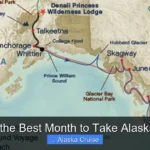
Visual guide about What Is Best Time to Cruise Alaska
Image source: media.cntraveler.com
Alaska’s cruise season is relatively short, typically running from early May to late September. This six-month window is when the weather is mild enough, the seas are calm enough, and the ports are open enough to make cruising feasible and enjoyable. Outside of this period, most cruise lines don’t operate due to harsh winter conditions, frozen waterways, and limited daylight.
The season is generally divided into three phases: early season (May), peak season (June to August), and late season (September). Each phase offers its own unique advantages and trade-offs. Understanding these can help you align your travel goals with the right time to go.
Early Season: May – The Quiet Start
May marks the beginning of the Alaska cruise season. It’s a time of transition—winter is retreating, but summer hasn’t fully arrived. If you’re looking for a more peaceful, budget-friendly experience, May might be your sweet spot.
Temperatures during this time range from the mid-40s to low 60s°F (7–16°C), depending on your location. While it’s not warm by most standards, it’s comfortable for sightseeing, especially if you dress in layers. One of the biggest perks of cruising in May is the lack of crowds. You’ll have more space on the ship, shorter lines at ports, and a more intimate experience overall.
However, there are some trade-offs. Some ports, particularly in the northern regions like Skagway or Haines, may still have limited services. Certain excursions—like helicopter tours or dog sledding on glaciers—might not be available yet due to snow and ice. Wildlife is beginning to stir, but it’s not yet at its peak. You might see some early-arriving birds or marine life, but bear sightings and whale migrations are less common.
Still, May offers a unique charm. The landscape is lush and green, waterfalls are at their fullest from snowmelt, and the air feels crisp and clean. If you’re okay with a few limitations and enjoy the idea of being one of the first to experience Alaska’s summer awakening, May could be the best time to cruise Alaska for you.
Peak Season: June to August – The Heart of Summer
This is when Alaska truly comes alive. From June through August, the state experiences its warmest weather, longest days, and most active wildlife. It’s no surprise that this is the busiest and most popular time to cruise Alaska.
Temperatures during these months typically range from the mid-50s to mid-70s°F (13–24°C), making it ideal for outdoor activities. Daylight is abundant—especially in June and July, when the sun barely sets in some northern areas. In places like Barrow (Utqiaġvik), you can experience 24 hours of daylight, a phenomenon known as the “midnight sun.” Even in southern ports like Juneau or Ketchikan, you’ll enjoy 16 to 18 hours of daylight, giving you plenty of time to explore.
Wildlife is at its peak during this period. Humpback whales, orcas, and gray whales are frequently spotted in coastal waters. Bears are active along riverbanks, fishing for salmon. Bald eagles soar overhead, and puffins return to their nesting cliffs. This is also the best time for glacier viewing—glaciers like Mendenhall and Hubbard are accessible, and calving events (when chunks of ice break off into the water) are more common due to warmer temperatures.
Ports and excursions are fully operational. You can take a helicopter tour onto a glacier, ride the White Pass & Yukon Route railway, or go on a wildlife cruise in search of sea otters and seals. The downside? Crowds. Popular ports like Juneau, Skagway, and Ketchikan can feel busy, and shore excursions often sell out quickly. Prices for cruises and flights are at their highest, and booking well in advance is essential.
If you’re looking for the full Alaska experience—warm weather, vibrant wildlife, and endless daylight—then July is widely considered the best time to cruise Alaska. It’s the sweet spot for most travelers, offering the perfect balance of comfort and adventure.
Late Season: September – The Golden Finale
September marks the end of the cruise season, and while it’s not as busy as summer, it offers a uniquely beautiful and peaceful experience. As summer fades, Alaska transforms into a canvas of gold, red, and orange as the leaves change.
Temperatures begin to drop, ranging from the mid-40s to low 60s°F (7–16°C). Mornings can be chilly, especially in northern ports, but afternoons are often pleasant. Rain becomes more frequent, so packing a waterproof jacket is a must. However, the crisp air and fewer crowds make for a serene atmosphere.
One of the biggest draws of a September cruise is the fall foliage. The forests along the Inside Passage burst into color, creating stunning backdrops for your journey. Wildlife is still active—bears are busy fattening up for winter, and whales may still be migrating. In fact, some travelers report excellent whale sightings in early September, especially in areas like Icy Strait Point.
Another perk? The Northern Lights. While they’re not guaranteed, the longer nights and clearer skies increase your chances of seeing the aurora borealis, especially in northern regions. It’s a rare and magical experience that few cruise passengers get to witness.
Ports remain open, though some smaller shops and restaurants may begin to close for the season. Excursions are still available, but options may be more limited compared to summer. That said, you’ll often find better availability and lower prices on last-minute bookings.
If you’re drawn to quiet beauty, don’t mind cooler weather, and want to experience Alaska in a more intimate setting, September could be the best time to cruise Alaska for you. It’s a time of transition, reflection, and natural wonder.
Weather and Climate: What to Expect Each Month
Alaska’s weather is famously unpredictable, and even in summer, you should be prepared for changeable conditions. Understanding the climate patterns can help you pack appropriately and set realistic expectations.
May: Cool and Variable
May is the start of the cruise season, and while it’s generally mild, it can still feel quite cool. Average temperatures range from 45°F to 60°F (7–15°C). Rain is possible, and snow is not unheard of in higher elevations or northern ports. Daylight increases rapidly—starting around 15 hours in early May and reaching nearly 17 hours by the end of the month.
Packing tip: Bring a waterproof jacket, warm layers, and sturdy walking shoes. A hat and gloves might come in handy for early morning excursions.
June: Warming Up
June brings more consistent warmth, with temperatures averaging 50°F to 65°F (10–18°C). Rainfall increases, but sunny days are common. Daylight stretches to 17–18 hours, giving you plenty of time to explore. This is when the landscape truly greens up, and wildlife becomes more active.
Packing tip: Layers are key. A light fleece, rain gear, and comfortable hiking shoes will serve you well.
July: Peak Warmth and Activity
July is the warmest month, with temperatures often reaching the mid-70s°F (24°C) in southern ports. However, it’s still common to have cooler days, especially near glaciers or on the water. Rain is frequent, but storms are usually brief. Daylight remains long—up to 18 hours in some areas.
Packing tip: Pack for both sun and rain. A sun hat, sunglasses, and sunscreen are essential, but don’t forget a warm layer for glacier visits.
August: Summer’s Last Hurrah
August is similar to July in terms of weather, though temperatures may begin to dip slightly toward the end of the month. Rainfall is common, but sunny days are still frequent. Wildlife remains active, and the scenery is lush and green.
Packing tip: Same as July—layers, rain gear, and sun protection.
September: Cooling Down
September sees a noticeable drop in temperature, especially in northern regions. Average highs range from 50°F to 60°F (10–15°C), with cooler nights. Rain increases, and the first snows can occur in mountainous areas. Daylight shortens to about 12–14 hours by month’s end.
Packing tip: Bring a warm jacket, thermal layers, and waterproof footwear. A scarf and gloves are wise additions.
No matter when you go, the golden rule is to pack in layers. Alaska’s weather can shift from sunny to rainy to chilly in a matter of hours. Being prepared ensures you stay comfortable and enjoy every moment.
Wildlife and Nature: When to See What
One of the biggest draws of an Alaska cruise is the chance to see incredible wildlife in their natural habitat. Timing your trip to coincide with peak animal activity can greatly enhance your experience.
Whales: June to August
Humpback whales are the stars of the show, and they’re most commonly seen from June through August. These majestic creatures migrate north to feed in Alaska’s rich waters. You can often spot them breaching, spouting, or slapping their tails near the surface. Orcas (killer whales) and gray whales are also frequently seen during this period.
Best viewing spots: Icy Strait Point, Glacier Bay, and the waters near Juneau and Ketchikan.
Bears: July to September
Brown bears and black bears are most active in late summer, especially in August and September. This is when salmon return to rivers to spawn, and bears gather along the banks to feast. Seeing a bear catch a fish in a rushing stream is a once-in-a-lifetime moment.
Best viewing spots: Katmai National Park, Admiralty Island, and the Tongass National Forest near Ketchikan.
Birds: May to August
Alaska is a birdwatcher’s paradise. From May to August, you’ll see bald eagles, puffins, murres, and countless migratory species. Puffins, in particular, are a fan favorite, with their colorful beaks and comical waddle.
Best viewing spots: St. Lazaria Island (near Sitka), Chiswell Islands, and the cliffs near Glacier Bay.
Glaciers and Calving: June to August
Glaciers are impressive year-round, but the best time to witness calving—when massive chunks of ice break off into the water—is during the warmer months. The increased meltwater and warmer temperatures make this phenomenon more common.
Best viewing spots: Hubbard Glacier, Mendenhall Glacier, and Glacier Bay National Park.
Northern Lights: September
While not guaranteed, the aurora borealis is most likely to appear in September, when nights are longer and skies are clearer. If you’re lucky, you might see the sky light up with shimmering greens and purples—especially in northern ports like Skagway or Haines.
Pricing and Crowds: Finding the Best Value
Your budget and tolerance for crowds will also influence the best time to cruise Alaska.
Peak Season (June–August): High Prices, High Demand
This is the most expensive time to cruise. Fares can be 20–50% higher than in shoulder months. Flights to Seattle or Vancouver (common departure cities) are also pricier. Shore excursions fill up quickly, so booking in advance is crucial.
However, you get what you pay for: full access to ports, ideal weather, and peak wildlife activity.
Shoulder Months (May & September): Better Value
May and September offer significant savings. Cruise fares are lower, and flights are often cheaper. You’ll also enjoy fewer crowds, making for a more relaxed experience. Some travelers even find that the quieter atmosphere enhances their connection with nature.
Just be aware that some services may be limited, especially in May and late September.
Booking Tips
– Book early for peak season (6–12 months in advance).
– Consider flexible dates in June or August for better deals.
– Look for last-minute deals in September, but act fast—availability shrinks quickly.
– Use a travel agent who specializes in Alaska cruises for insider tips and perks.
Conclusion: Choosing Your Perfect Alaska Cruise Date
So, what is the best time to cruise Alaska? The answer depends on what you value most.
If you want warm weather, long days, and the full Alaska experience, **July is the best time to cruise Alaska**. It’s peak season for a reason—everything is in full swing.
If you prefer fewer crowds, lower prices, and don’t mind slightly cooler weather, **June or August** offer an excellent balance.
For those seeking solitude, stunning fall colors, and a chance at the Northern Lights, **September** is a magical choice.
And if you’re on a budget and don’t mind a few limitations, **May** provides a peaceful and affordable start to the season.
No matter when you go, an Alaska cruise is a journey you’ll never forget. The glaciers will still awe you, the wildlife will still inspire you, and the landscapes will still take your breath away. Just remember to pack layers, book smart, and keep your camera ready—because Alaska doesn’t just show up for the summer. It shows up for you.
Frequently Asked Questions
What is the best month to cruise Alaska?
The best month to cruise Alaska is July. It offers the warmest weather, longest daylight hours, full access to ports and excursions, and peak wildlife activity. It’s the most popular time, so book early to secure your spot.
Can you see the Northern Lights on an Alaska cruise?
Yes, but it’s rare. The best chance is in September, when nights are longer and skies are clearer. Northern Lights are more commonly seen in northern ports like Skagway or Haines, but sightings are never guaranteed.
Is it cold on an Alaska cruise in summer?
Not extremely cold, but it can feel chilly, especially near glaciers or on the water. Summer temperatures range from 50°F to 75°F (10–24°C). Always pack layers, including a waterproof jacket and warm clothing for early mornings and excursions.
Are Alaska cruises crowded in August?
August is still part of the peak season, so it can be busy, though slightly less crowded than July. Popular ports and excursions may still fill up, so booking in advance is recommended.
Can you see whales on an Alaska cruise in May?
Whale sightings are less common in May, as many species haven’t yet migrated north. Your best chances for whale watching are from June through August, when humpbacks, orcas, and gray whales are most active.
Do all ports stay open in September?
Most major ports remain open in September, but some smaller shops, restaurants, and excursions may begin to close for the season. It’s a good idea to check with your cruise line about specific port availability.