
The best time for Alaska cruise is from late May to early September, when weather is mild, wildlife is active, and daylight lasts up to 18 hours. This peak season offers the most stable conditions for glacier viewing, whale watching, and exploring ports like Juneau and Ketchikan.
Key Takeaways
- Peak Season (June–August): Offers the warmest weather, longest days, and best wildlife sightings, making it ideal for first-time cruisers.
- Shoulder Months (May & September): Fewer crowds, lower prices, and unique experiences like spring blooms or fall colors, with still-reliable conditions.
- Wildlife Viewing Varies by Month: Whales are most active in July and August, while bears are easier to spot in September near salmon runs.
- Glacier Calming Peaks in Summer: July and August offer the best chances to see massive ice breaks in Tracy Arm or Hubbard Glacier.
- Weather Remains Unpredictable: Even in summer, pack layers and rain gear—Alaska’s climate can shift quickly.
- Northern Lights Are Rare in Summer: Aurora sightings are nearly impossible due to midnight sun, but possible in late September.
- Book Early for Best Deals and Cabins: Popular itineraries fill fast, especially for July and August sailings.
📑 Table of Contents
- What Is Best Time for Alaska Cruise? A Complete Guide
- Understanding Alaska’s Cruise Season
- May: The Quiet Start to the Season
- June: The Heart of Spring and Early Summer
- July: Peak Season for a Reason
- August: Summer’s Grand Finale
- September: The Hidden Gem
- How to Choose the Best Time for Your Alaska Cruise
- Final Thoughts: There’s No Bad Time—Just the Right Time
What Is Best Time for Alaska Cruise? A Complete Guide
So you’ve decided to take an Alaska cruise—congratulations! You’re in for one of the most breathtaking travel experiences on the planet. From towering glaciers and snow-capped mountains to playful whales and curious bears, Alaska delivers raw, untamed beauty at every turn. But before you start packing your bags, there’s one big question you need to answer: What is the best time for Alaska cruise?
The answer isn’t one-size-fits-all. It depends on what you want to see, how much you want to spend, and how comfortable you are with a little unpredictability. Alaska’s cruise season is short—typically running from May to September—but each month offers a unique flavor of adventure. Whether you’re chasing the midnight sun, hoping to spot a grizzly bear, or dreaming of sailing past a calving glacier, timing can make all the difference.
In this guide, we’ll break down the pros and cons of each month, highlight the best wildlife and weather conditions, and help you choose the perfect time for your Alaskan voyage. Think of this as your friendly, no-fluff roadmap to planning an unforgettable cruise—without the overwhelm.
Understanding Alaska’s Cruise Season
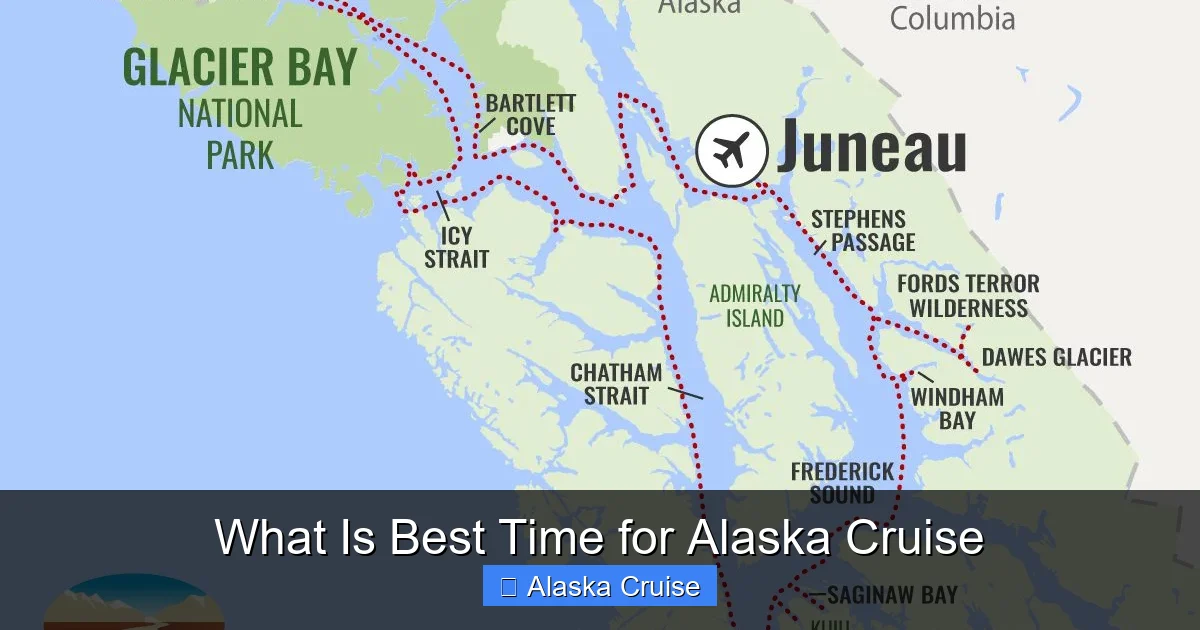
Visual guide about What Is Best Time for Alaska Cruise
Image source: alaskatours.com
Alaska’s cruise season is relatively short compared to tropical destinations like the Caribbean. Most major cruise lines—including Holland America, Princess, Norwegian, and Royal Caribbean—operate between mid-May and mid-September. This window aligns with the region’s brief but spectacular summer, when temperatures are mild, daylight is abundant, and wildlife is most active.
Why such a narrow season? It all comes down to climate. Alaska’s coastal regions, where most cruises sail, experience long, harsh winters with heavy snowfall, freezing temperatures, and limited daylight. Ports like Skagway, Juneau, and Ketchikan are often inaccessible from October through April due to ice, snow, and stormy seas. Even in spring and fall, conditions can be unpredictable.
That said, the summer months bring a dramatic transformation. Snow melts, rivers swell with runoff, and the landscape bursts into life. This is when the magic happens—glaciers calve, whales migrate, and the famous Inside Passage sparkles under nearly endless daylight.
Why Timing Matters
Choosing the right month isn’t just about comfort—it’s about maximizing your experience. For example:
– Want to see humpback whales breaching? July and August are your best bets.
– Dreaming of hiking through wildflower meadows? Late May and early June offer lush greenery.
– Hoping for a quieter, more affordable trip? September might be your sweet spot.
Even small shifts in timing can affect everything from cabin prices to tour availability. So let’s dive into the details of each month to help you make the smartest choice.
May: The Quiet Start to the Season
May marks the beginning of Alaska’s cruise season, and it’s a time of transition. The landscape is shedding its winter coat, rivers are thawing, and the first signs of life are emerging. If you’re looking for a more intimate, less crowded experience, May might be the perfect time for your Alaska cruise.
Weather in May
Temperatures in May are cool but manageable. Expect daytime highs in the 40s to low 50s°F (7–12°C), with cooler nights dipping into the 30s°F (1–4°C). Rain is common, so waterproof gear is essential. That said, the weather is generally stable compared to winter months, and snow is rare along the coastal cruise routes.
One of the biggest perks of cruising in May? The daylight. By late May, the sun rises around 4:30 a.m. and sets after 9:30 p.m., giving you nearly 17 hours of daylight. This means more time to explore ports, take excursions, and soak in the scenery.
Wildlife and Nature
May is a great time for birdwatchers. Migratory birds return to Alaska, filling the skies with song and color. You might spot bald eagles, puffins, and even the elusive marbled murrelet. Marine life is also stirring—sea lions and harbor seals are common, and early-season whale sightings are possible, especially near Glacier Bay.
On land, the first wildflowers begin to bloom, and the mountains are still dusted with snow, creating a stunning contrast. It’s a photographer’s dream: crisp air, soft light, and fewer crowds to block your shots.
Pros and Cons of May Cruises
Pros:
– Lower prices and fewer tourists
– Beautiful spring scenery with snow-capped peaks and blooming flora
– Long daylight hours for sightseeing
– Good chance to see early wildlife activity
Cons:
– Cooler temperatures and higher chance of rain
– Some excursions may be limited due to lingering snow or trail conditions
– Fewer cruise itineraries available compared to peak summer
Who Should Cruise in May?
May is ideal for travelers who prefer a quieter, more budget-friendly experience. It’s perfect for nature lovers who don’t mind cooler weather and want to see Alaska in its early summer glory. If you’re flexible and enjoy the thrill of being among the first to explore a destination, May could be your month.
June: The Heart of Spring and Early Summer
June is when Alaska truly comes alive. The snow has mostly melted, the days are long and bright, and the cruise season hits its stride. This is one of the most popular months to visit, and for good reason.
Weather in June
Temperatures in June are mild and pleasant, typically ranging from the mid-40s to mid-60s°F (7–18°C). Rain is still common, but storms are less frequent than in May. The famous “midnight sun” is in full effect by late June, with the sun barely dipping below the horizon in northern regions like Juneau and Skagway.
This extended daylight is a game-changer. You can enjoy dinner on the deck at 9 p.m. with the sun still high in the sky. It’s surreal, magical, and perfect for maximizing your time ashore.
Wildlife and Nature
June is prime time for wildlife. Humpback whales, orcas, and gray whales are frequently spotted in coastal waters, especially in places like Icy Strait Point and Glacier Bay. On land, black bears and grizzlies begin emerging from hibernation, often seen foraging along riverbanks.
The landscape is lush and green, with wildflowers like fireweed and lupine beginning to bloom. Waterfalls are at their peak flow from snowmelt, creating dramatic cascades in places like Misty Fjords and Tracy Arm.
Glacier Viewing
Glaciers are accessible and active in June. While calving (when chunks of ice break off) is more common in July and August, June still offers excellent views of glaciers like Mendenhall, Hubbard, and Sawyer. The ice is pristine, and the surrounding scenery is vibrant with spring growth.
Pros and Cons of June Cruises
Pros:
– Warm, comfortable weather with long daylight hours
– Excellent wildlife viewing opportunities
– Full range of excursions and port activities
– Beautiful spring-to-summer transition scenery
Cons:
– Higher prices and more crowds than May
– Popular cabins and itineraries book up quickly
– Still some chance of rain and cool evenings
Who Should Cruise in June?
June is ideal for first-time cruisers and families. The weather is reliable, the days are long, and there’s something for everyone—whether you’re into hiking, wildlife, or just relaxing with a view. If you want a balanced mix of comfort, activity, and beauty, June is a top choice.
July: Peak Season for a Reason
July is the height of Alaska’s cruise season—and for good reason. It’s warm, sunny, and buzzing with activity. This is when Alaska shines at its brightest, and it’s no surprise that July is the most popular month for cruises.
Weather in July
July offers the warmest weather of the season, with daytime temperatures often reaching the 60s and even low 70s°F (15–22°C). Nights are cool but rarely cold, and rain is less frequent than in spring months. The sun rises early and sets late, giving you up to 18 hours of daylight.
This is also the driest month in many parts of Southeast Alaska, making it ideal for outdoor excursions like kayaking, zip-lining, and glacier trekking.
Wildlife and Nature
July is prime time for whale watching. Humpback whales are abundant, often seen breaching, tail-slapping, and feeding in groups. Orcas and minke whales are also common. On land, bears are active, especially near salmon streams, and moose can be spotted in wetlands and meadows.
The landscape is in full summer bloom. Wildflowers cover the hillsides, and the forests are dense and green. Waterfalls are still powerful, and the air is filled with the sounds of birds and rushing water.
Glacier Calving
This is the best time to witness glacier calving. In places like Tracy Arm and Hubbard Glacier, massive chunks of ice break off with thunderous roars, sending waves across the water. These events are unpredictable but unforgettable—and July offers the highest chances of seeing them.
Pros and Cons of July Cruises
Pros:
– Warmest, most stable weather
– Best wildlife and glacier viewing
– Full range of excursions and port activities
– Longest daylight hours
Cons:
– Highest prices and largest crowds
– Limited availability for popular cabins and tours
– Some ports can feel busy and touristy
Who Should Cruise in July?
July is perfect for travelers who want the full Alaska experience—warm weather, abundant wildlife, and nonstop adventure. It’s great for families, couples, and groups who want to make the most of their trip. Just be prepared to book early and pay a premium.
August: Summer’s Grand Finale
August is the last full month of peak season, and it delivers some of the best conditions of the year. While crowds begin to thin slightly toward the end of the month, the weather and wildlife remain outstanding.
Weather in August
Temperatures are similar to July, with daytime highs in the 60s°F (15–20°C). Nights start to cool slightly, especially in northern ports. Rain becomes more likely as the month progresses, but overall, August remains pleasant and comfortable.
Daylight begins to shorten, but you’ll still enjoy 16–17 hours of light in early August. By late August, the sun sets closer to 9 p.m., signaling the approach of fall.
Wildlife and Nature
August is a fantastic time for bear viewing. As salmon begin their upstream migration, bears gather at rivers and streams to feast. Places like Anan Creek and Pack Creek are prime spots for bear sightings. Whales are still abundant, and sea otters, seals, and porpoises are commonly seen.
The landscape begins to shift toward fall. While still green, some trees start to show hints of yellow and orange, especially in the northern regions.
Glacier and Fjord Experiences
Glaciers remain active, and fjords like Tracy Arm and Misty Fjords are stunning in the soft summer light. The water is calm, and the air is often clear, offering excellent visibility for photography and sightseeing.
Pros and Cons of August Cruises
Pros:
– Still excellent weather and wildlife
– Bears are highly active near salmon runs
– Slightly fewer crowds than July
– Great balance of summer conditions and value
Cons:
– Prices remain high, though slightly lower than July
– Some excursions may start to wind down
– Rain becomes more frequent toward month’s end
Who Should Cruise in August?
August is ideal for travelers who want summer conditions without the peak July crowds. It’s perfect for wildlife enthusiasts, especially those hoping to see bears, and for anyone who wants a slightly more relaxed pace while still enjoying top-tier experiences.
September: The Hidden Gem
September is the final month of the cruise season, and it’s often overlooked—but it shouldn’t be. This is when Alaska transforms into a golden wonderland, and the crowds disappear.
Weather in September
Temperatures begin to cool, with daytime highs in the 50s°F (10–15°C) and nights dipping into the 40s°F (4–7°C). Rain is more common, and the first snowflakes may appear in higher elevations. That said, many days are crisp, clear, and beautiful.
Daylight shortens rapidly. By late September, the sun rises after 7 a.m. and sets before 8 p.m., giving you about 12 hours of light. This also means the first chance to see the Northern Lights, especially in northern ports like Skagway.
Wildlife and Nature
September is prime time for bear viewing. Salmon runs are in full swing, and bears are at their most active. Moose are also more visible as they prepare for mating season. Whale sightings are still possible, though less frequent than in summer.
The fall colors are spectacular. Birch and aspen trees turn brilliant shades of gold and red, creating a stunning contrast against the evergreen forests and snow-dusted peaks.
Glacier and Fjord Experiences
Glaciers are still accessible, and the quieter ports offer a more peaceful experience. The water is often calm, and the lighting is soft and moody—perfect for photography.
Pros and Cons of September Cruises
Pros:
– Stunning fall foliage and fewer crowds
– Excellent bear and wildlife viewing
– Lower prices and better cabin availability
– Chance to see the Northern Lights (late September)
Cons:
– Cooler temperatures and more rain
– Some excursions and shops may close early
– Shorter daylight hours
Who Should Cruise in September?
September is perfect for travelers seeking a more intimate, budget-friendly experience. It’s ideal for photographers, nature lovers, and those who don’t mind cooler weather. If you want to see Alaska in its autumn glory, September is your month.
How to Choose the Best Time for Your Alaska Cruise
Now that you’ve seen what each month offers, how do you decide? Here are a few tips to help you choose the best time for your Alaska cruise:
– Prioritize wildlife? Go in July or August for whales, or September for bears.
– Want warm weather and long days? June, July, or August are your best bets.
– Looking for deals and fewer crowds? Consider May or September.
– Dreaming of fall colors? September is unmatched.
– Want the full summer experience? July is the peak—but book early.
No matter when you go, pack layers, rain gear, and a sense of adventure. Alaska rewards those who come prepared.
Final Thoughts: There’s No Bad Time—Just the Right Time
So, what is the best time for Alaska cruise? The truth is, there’s no single answer. Each month offers something special, and the “best” time depends on your priorities.
If you want warm weather, long days, and the full range of activities, June through August is ideal. If you prefer fewer crowds, lower prices, and unique seasonal beauty, May or September might be your perfect match.
What matters most is that you go. Alaska is a destination that stays with you long after you’ve returned home—whether you’re watching a glacier calve, spotting a whale breach, or simply breathing in the crisp, clean air.
So start planning, pack your bags, and get ready for the adventure of a lifetime. The Last Frontier is waiting.
Frequently Asked Questions
What is the best time for Alaska cruise to see whales?
The best time to see whales on an Alaska cruise is from July to August. Humpback, orca, and gray whales are most active during these months, especially in areas like Icy Strait Point and Glacier Bay.
Can you see the Northern Lights on an Alaska cruise?
Northern Lights are rarely visible during the summer cruise season due to nearly 24-hour daylight. However, late September offers the first chance to see the aurora, especially in northern ports.
Is it cold on an Alaska cruise in summer?
Summer temperatures on an Alaska cruise typically range from the 50s to 70s°F (10–22°C). It’s mild but can feel cool on the water, so layers and a waterproof jacket are essential.
Are Alaska cruises expensive in July?
Yes, July is peak season, so prices are highest and cabins book up quickly. Booking 6–12 months in advance is recommended for the best rates and availability.
What should I pack for an Alaska cruise?
Pack layers, including a waterproof jacket, warm fleece, hiking pants, comfortable shoes, and a hat. Don’t forget sunglasses, sunscreen, and binoculars for wildlife viewing.
Do all cruise lines sail to Alaska in September?
Most major cruise lines operate through mid-September, but some may end earlier. Check with your cruise line for exact dates, as September itineraries may be limited.