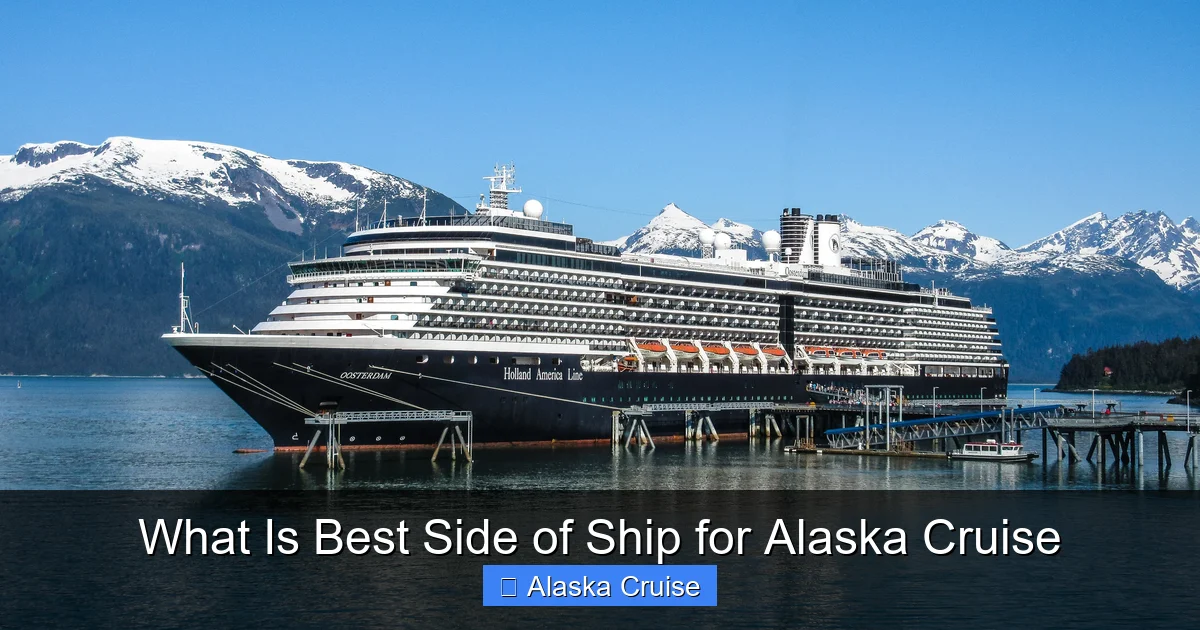
Choosing the best side of ship for Alaska cruise can dramatically enhance your experience. Whether you’re chasing glaciers, wildlife, or mountain vistas, knowing which side to be on helps you make the most of every moment at sea.
Key Takeaways
- Port vs. Starboard matters: The side of the ship you’re on can determine your view of glaciers, towns, and wildlife depending on the ship’s route.
- Glacier Bay views are often starboard: Most ships enter Glacier Bay heading north, making the starboard (right) side ideal for glacier viewing.
- Wildlife spotting varies by direction: Marine mammals and birds are often spotted on the side facing open water or approaching land.
- Sunrise and sunset views depend on itinerary: East-facing sides catch morning sun, while west-facing sides offer stunning sunsets—know your ship’s daily path.
- Cabin selection impacts your experience: Balcony cabins on the preferred side offer private viewing, but public decks are also great for flexibility.
- Weather and lighting play a role: Overcast skies may reduce glare, but clear days make directional lighting crucial for photos.
- Flexibility is key: Even the “best” side can change based on tides, ship maneuvers, and captain’s decisions—stay alert and mobile.
📑 Table of Contents
- What Is Best Side of Ship for Alaska Cruise?
- Understanding Ship Directions: Port vs. Starboard
- Glacier Viewing: Which Side Gets the Best Views?
- Wildlife Spotting: Where to Be for the Best Sightings
- Scenic Routes and Itinerary Influence
- Cabin Selection: Balcony vs. Interior and Side Preferences
- Weather, Lighting, and Time of Day
- Conclusion: Making the Most of Your Alaska Cruise
What Is Best Side of Ship for Alaska Cruise?
If you’re planning an Alaska cruise, you’ve probably already imagined towering glaciers calving into icy waters, humpback whales breaching in the distance, and snow-capped peaks rising from the sea. But here’s a question many first-time cruisers don’t think about until it’s too late: *Which side of the ship is best for Alaska cruise views?*
It might seem like a small detail, but choosing the right side—port (left) or starboard (right)—can make a big difference in your experience. Alaska’s dramatic coastline, narrow fjords, and ever-changing weather mean that your view depends heavily on which direction the ship is traveling and which side you’re on. Whether you’re sipping coffee on your balcony or scanning the horizon with binoculars, being on the optimal side can mean the difference between a front-row seat to nature’s grandeur and watching it all unfold on the other side of the ship.
In this guide, we’ll break down everything you need to know about selecting the best side of ship for Alaska cruise adventures. From glacier viewing in Glacier Bay to spotting orcas near Ketchikan, we’ll help you understand how ship routes, timing, and natural phenomena influence your experience. Whether you’re booking a balcony cabin or planning to spend your days on the open deck, this information will help you maximize every scenic moment.
Understanding Ship Directions: Port vs. Starboard
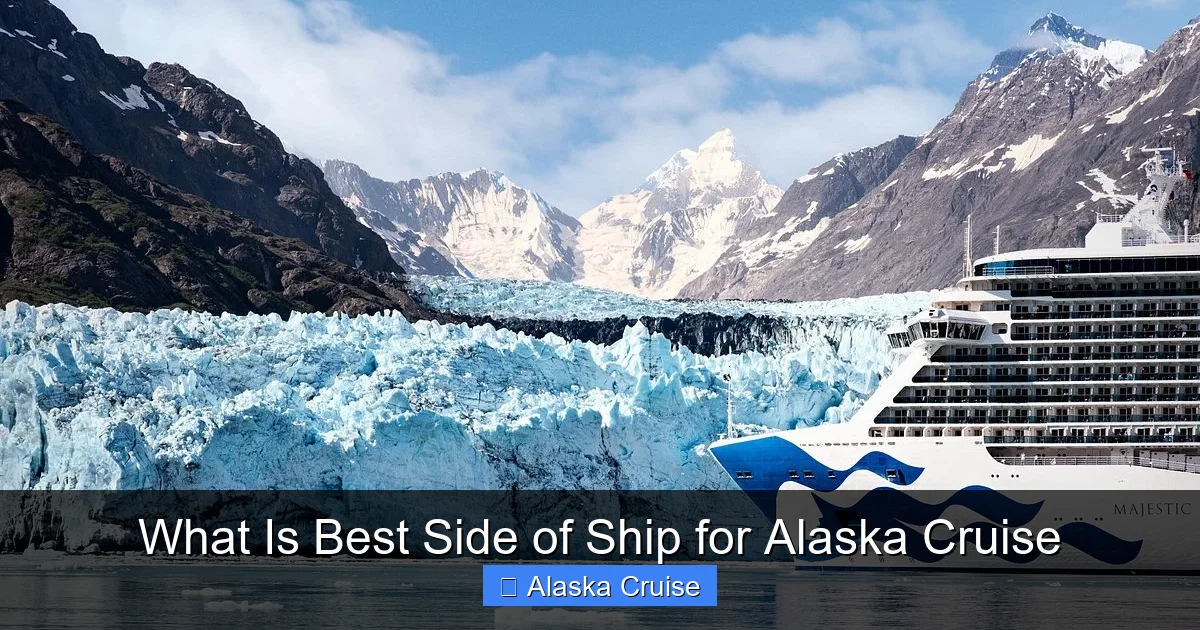
Visual guide about What Is Best Side of Ship for Alaska Cruise
Image source: touristsecrets.com
Before diving into which side is best, it’s important to understand the basics of ship navigation. Unlike cars or planes, ships use nautical terms for direction: *port* and *starboard*. Port refers to the left side of the ship when facing the bow (front), while starboard is the right side. These terms are fixed and don’t change based on which way the ship is moving—so no matter if you’re going north or south, port is always left, and starboard is always right.
This might sound simple, but it’s crucial when planning your cabin location or deciding where to stand on deck. Many cruisers assume that “port” or “starboard” will change based on direction, but it won’t. So if you book a starboard-side cabin, you’ll always be on the right side of the ship, regardless of whether you’re sailing into a bay or leaving a port.
Knowing these terms also helps when reading cruise itineraries or talking to crew members. For example, if a naturalist announces, “We’re approaching a glacier on the starboard side,” you’ll know exactly where to look. This clarity becomes especially important in narrow passages like the Inside Passage, where views are limited and timing is everything.
Why Side Selection Matters in Alaska
Alaska’s coastline is rugged, winding, and full of surprises. Unlike cruising in the Caribbean or Mediterranean, where ships often follow wide, open routes, Alaska cruises navigate tight channels, fjords, and protected waterways. This means the ship often hugs one side of the channel, giving passengers on that side a much closer and more dramatic view of the landscape.
For instance, when sailing through Tracy Arm or Misty Fjords, the ship may stay close to one shoreline to avoid rocks or shallow waters. If you’re on the side facing the cliffs, you’ll see waterfalls cascading down granite walls and possibly even bears foraging along the shore. If you’re on the opposite side, you might only see open water or distant mountains.
Additionally, many of Alaska’s most iconic sights—like glaciers in Glacier Bay or the Hubbard Glacier—are best viewed from one specific side due to the ship’s approach path. Cruise lines often plan their routes to maximize scenic views, but they can’t always guarantee symmetry. That’s why knowing which side to be on can significantly enhance your experience.
Glacier Viewing: Which Side Gets the Best Views?
One of the biggest draws of an Alaska cruise is the chance to see massive glaciers up close. Whether it’s the towering blue walls of the Hubbard Glacier or the active calving of the Margerie Glacier in Glacier Bay, these natural wonders are unforgettable. But to get the best view, you need to be on the right side of the ship.
Glacier Bay: Starboard Side Advantage
Glacier Bay National Park is one of the most popular stops on Alaska itineraries, and for good reason. This UNESCO World Heritage Site is home to over a dozen active glaciers, including the famous Lamplugh and Marjorie Glaciers. Most ships enter Glacier Bay heading north, which means the starboard (right) side of the ship faces the majority of the glaciers.
As the ship slowly navigates the bay, passengers on the starboard side are treated to close-up views of ice cliffs, calving events, and turquoise meltwater pools. Naturalists often gather on that side to point out wildlife and explain glacial formations. If you’re on the port side, you may still see some glaciers, but they’ll be farther away and less dramatic.
One cruiser shared her experience: “I booked a starboard balcony cabin specifically for Glacier Bay. When we entered the bay, I was stunned—the glacier was so close I could hear the ice cracking. My husband, on the port side, said it looked like a tiny blue line in the distance.”
Hubbard Glacier: Depends on Approach
The Hubbard Glacier, North America’s largest tidewater glacier, is another highlight. However, the best viewing side depends on the ship’s approach. Most vessels approach from the west, sailing eastward toward the glacier’s face. In this case, the starboard side again offers the best views.
But some ships may take a different route or turn during the approach, which can shift the optimal side. Additionally, the glacier is so massive that it can be seen from both sides, but the starboard side typically provides a more direct and immersive experience.
Tips for Glacier Viewing
- Check your itinerary: Look for the ship’s direction when entering glacier areas. Most cruise lines publish detailed route maps online.
- Book a starboard cabin if possible: For Glacier Bay and Hubbard Glacier, starboard is usually best.
- Use public decks: Even if your cabin is on the “wrong” side, you can move to the starboard decks during glacier viewing.
- Bring binoculars: Glaciers can be far away, and binoculars help you see details like crevasses and wildlife.
- Stay warm: Glacier viewing often happens in the early morning when it’s coldest—dress in layers.
Wildlife Spotting: Where to Be for the Best Sightings
Alaska is a wildlife paradise. From humpback whales and orcas to sea lions, puffins, and bald eagles, the chances of spotting animals are high. But just like with glaciers, your side of the ship can influence what you see and when.
Marine Mammals: Open Water vs. Shoreline
Whales, dolphins, and sea lions are often spotted in open water or near shorelines. If the ship is sailing close to land, the side facing the coast may offer better views of seabirds, eagles, and coastal wildlife. However, marine mammals like whales tend to travel in open channels, so they can appear on either side.
That said, some areas are known for specific sightings. For example, near Icy Strait Point, humpback whales are frequently seen feeding in the nutrient-rich waters. If the ship approaches from the south, the starboard side may have the best angle. But if the ship turns or changes course, the action could shift.
Bears and Land Wildlife: Shore-Side Viewing
One of the most thrilling wildlife experiences in Alaska is spotting brown bears along the shoreline, especially in areas like Admiralty Island or near Ketchikan. These bears often forage for salmon in rivers that flow into the sea.
If the ship sails close to the shore where bears are active, passengers on that side will have a much better chance of seeing them. For example, when cruising through the Tongass National Forest near Ketchikan, the port side may face dense forests and river mouths where bears are known to gather.
Birdwatching: Coastal and Cliff Faces
Alaska is home to thousands of seabirds, including puffins, murres, and cormorants. These birds nest on steep cliffs and rocky outcrops. When the ship passes by these areas, the side facing the cliffs will offer the best views.
In Tracy Arm, for instance, the towering granite walls are home to nesting birds and waterfalls. If the ship stays close to the eastern shore, the starboard side will provide stunning views of the cliffs and any birds in flight.
Tips for Wildlife Spotting
- Listen to announcements: Crew members and naturalists often alert passengers when wildlife is spotted.
- Use binoculars: Even from a distance, binoculars can reveal details like whale blows or bear cubs.
- Stay flexible: Wildlife is unpredictable—be ready to move to the other side if something exciting appears.
- Visit the bridge: Some ships allow passengers to visit the bridge for a captain’s-eye view and real-time wildlife updates.
- Keep a journal: Note the time, location, and side of the ship when you spot animals—this helps you learn patterns.
Scenic Routes and Itinerary Influence
Not all Alaska cruises are the same. Different cruise lines and itineraries take varying routes through the Inside Passage, Glacier Bay, and other key areas. This means the “best” side of the ship can change depending on your specific voyage.
Northbound vs. Southbound Cruises
One of the biggest factors is whether your cruise is northbound (starting in Seattle or Vancouver and ending in Seward or Whittier) or southbound (the reverse). The direction affects which side of the ship faces the most scenic views.
For example, on a northbound cruise, ships often enter Glacier Bay from the south, heading north. This means the starboard side faces the glaciers. On a southbound cruise, the ship may exit Glacier Bay heading south, which could shift the best views to the port side—though many ships turn around to ensure both sides get a good look.
Similarly, when sailing through the Inside Passage, northbound cruises may have better views of the eastern coastline on the starboard side, while southbound cruises might favor the port side.
Port Stops and Shore Excursions
The side of the ship you’re on can also affect your experience in port. When docking in towns like Juneau, Ketchikan, or Skagway, the ship usually ties up on one side. If you’re on the side facing the town, you’ll have easier access to shore excursions and a better view of the waterfront.
For example, in Ketchikan, the ship often docks on the starboard side, meaning starboard cabins have direct views of the colorful buildings and boardwalks. If you’re on the port side, you might only see the water or the back of the ship.
Tips for Choosing Based on Itinerary
- Review your cruise map: Most cruise lines provide detailed route maps showing the ship’s path each day.
- Ask the cruise line: Contact customer service or check forums to see which side is best for your specific itinerary.
- Consider a repositioning cruise: These one-way cruises often have unique routes that may favor one side over the other.
- Book a midship cabin: If you’re unsure, a midship cabin on either side reduces motion and offers a balanced experience.
Cabin Selection: Balcony vs. Interior and Side Preferences
Your cabin choice plays a big role in your overall experience. While public decks are great for flexibility, having a private balcony on the preferred side can be a game-changer.
Balcony Cabins: Private Views
A balcony cabin on the starboard side can be ideal for glacier viewing, especially in Glacier Bay. Imagine sipping your morning coffee while watching ice calve into the sea—just steps from your bed. Many cruisers say this is worth the extra cost.
However, balcony cabins on the port side aren’t a loss. In areas where the ship hugs the western shore, port-side balconies can offer stunning sunset views and close-up looks at coastal wildlife.
Interior and Oceanview Cabins
If you’re on a budget, interior or oceanview cabins are still great options. You can always head to the public decks for the best views. Just be prepared to move around—don’t stay stuck on one side all day.
Some cruisers recommend booking an oceanview cabin on the side that will face the most activity. For example, if your itinerary shows heavy glacier viewing on the starboard side, an oceanview cabin there lets you peek out without leaving your room.
Tips for Cabin Selection
- Use cabin maps: Most cruise lines provide interactive deck plans showing cabin locations and views.
- Read reviews: Websites like Cruise Critic often have detailed cabin reviews mentioning views and noise.
- Consider midship cabins: These experience less motion and are centrally located for easy access to both sides.
- Book early: The best cabins on the preferred side sell out quickly, especially on popular itineraries.
Weather, Lighting, and Time of Day
Even if you’re on the “right” side, weather and lighting can affect your views. Alaska’s weather is famously unpredictable, and lighting changes dramatically throughout the day.
Sunrise and Sunset Views
The side of the ship you’re on determines whether you catch the sunrise or sunset. East-facing sides (port on northbound cruises) get morning sun, while west-facing sides (starboard on northbound cruises) offer evening glow.
For photographers, this is crucial. A sunset over the water with a glacier in the background can be magical—but only if you’re on the correct side.
Overcast vs. Clear Skies
Overcast days can actually be better for glacier viewing because they reduce glare on the ice. Clear, sunny days are great for photography, but the bright light can wash out details on the glaciers.
Rain is common in Southeast Alaska, especially in Ketchikan and Juneau. While it might seem like a downside, rain often brings out waterfalls and makes the landscape even more lush and dramatic.
Tips for Weather and Lighting
- Check the forecast: Use apps like Windy or Weather Underground to plan your day.
- Bring layers: Temperatures can vary widely, even in summer.
- Use a polarizing filter: If you’re photographing, this reduces glare on water and ice.
- Be patient: Weather can change quickly—what looks like a dull morning might turn into a stunning afternoon.
Conclusion: Making the Most of Your Alaska Cruise
So, what is the best side of ship for Alaska cruise? The answer isn’t one-size-fits-all. It depends on your itinerary, the ship’s route, and what you want to see most. For glacier viewing in Glacier Bay and Hubbard Glacier, the starboard side is often best. For wildlife along the shoreline, the side facing land may offer better opportunities. And for sunsets, it all comes down to direction and time of day.
The key is to be informed and flexible. Book a cabin on the side that aligns with your priorities, but don’t hesitate to move around the ship when something exciting happens. Alaska’s beauty is everywhere—you just need to be in the right place at the right time.
Remember, no matter which side you’re on, an Alaska cruise is an unforgettable adventure. The glaciers will awe you, the wildlife will delight you, and the landscapes will stay with you long after you’ve returned home. So pack your binoculars, charge your camera, and get ready to experience the Last Frontier in all its glory.
Frequently Asked Questions
Which side of the ship is best for Glacier Bay?
The starboard (right) side is usually best for Glacier Bay because most ships enter heading north, placing the glaciers on the starboard side. This gives passengers a closer, more dramatic view of calving ice and glacial formations.
Do I need a balcony cabin to see the best views?
Not necessarily. While a balcony cabin offers private viewing, public decks are often better for flexibility and group sightings. Many cruisers enjoy moving to the optimal side during key moments like glacier viewing or wildlife spotting.
Can the best side change during the cruise?
Yes. The ship’s direction, tides, and captain’s decisions can shift the best viewing side. For example, a ship may turn around in Glacier Bay to give both sides a good look, or change course to follow wildlife.
Is the port side ever better than starboard?
Absolutely. On southbound cruises or when sailing close to the western shoreline, the port side may offer better views of towns, wildlife, or sunsets. It all depends on the route and daily itinerary.
How can I find out which side is best for my cruise?
Check your cruise line’s itinerary map, read passenger reviews on sites like Cruise Critic, or contact the cruise line directly. Many also post daily route updates during the voyage.
What should I bring to maximize my viewing experience?
Bring binoculars, a camera with a zoom lens, warm layers, and a sense of adventure. A small notebook to log sightings can also enhance your experience and help you learn patterns.