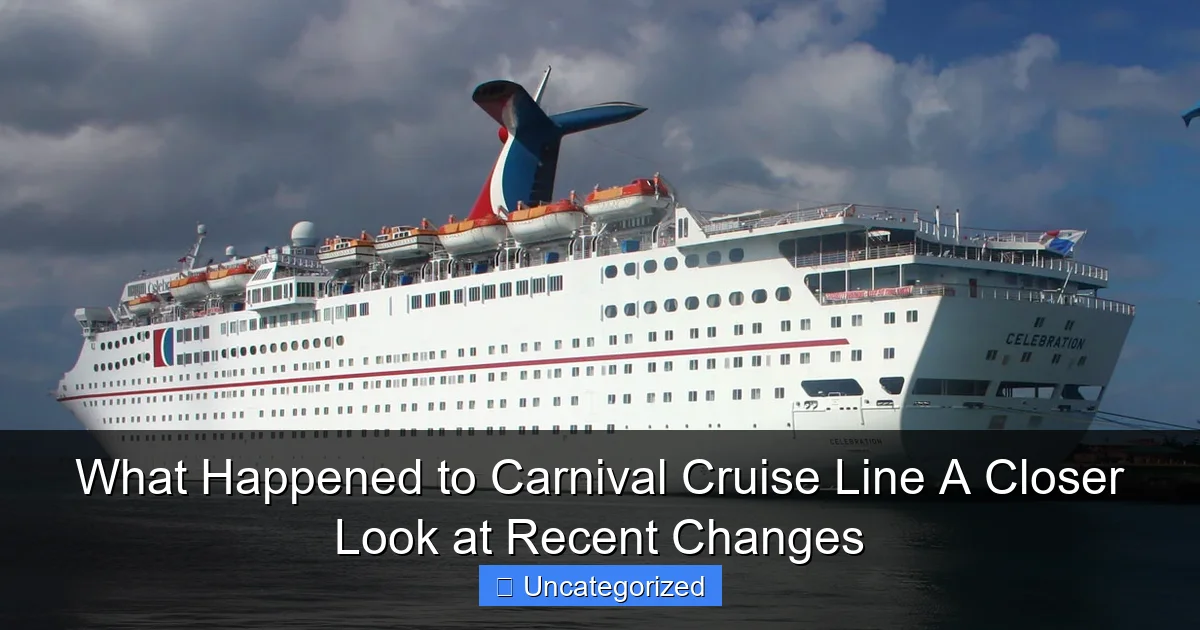
Featured image for what happened to carnival cruise line
Image source: cruisefever.net
Carnival Cruise Line has undergone significant transformation following the pandemic, emerging with a renewed focus on sustainability, upgraded fleets, and enhanced guest experiences. The company retired older vessels, introduced new LNG-powered ships like the Carnival Jubilee, and invested in eco-friendly technologies to meet evolving regulations and traveler expectations. These bold moves signal a strategic shift toward innovation and long-term resilience in a competitive cruise industry.
Key Takeaways
- Carnival rebounded strongly post-pandemic with record bookings and new ships.
- Fleet modernization continues with LNG-powered vessels and upgraded amenities.
- Focus on sustainability includes reducing emissions and waste across operations.
- Enhanced guest experiences via tech upgrades and expanded entertainment options.
- Dynamic pricing strategy maximizes revenue amid fluctuating demand trends.
- Targeted marketing attracts younger travelers with unique onboard experiences.
📑 Table of Contents
- The Carnival Cruise Line Transformation: What Really Happened?
- 1. The Pandemic Fallout: Navigating Unprecedented Disruptions
- 2. Fleet Modernization: The Shift Toward Innovation and Sustainability
- 3. Reimagining the Guest Experience: From “Fun” to “Premium Fun”
- 4. Financial Recovery and Market Positioning in a Post-Pandemic World
- 5. Environmental and Social Responsibility: A New Era of Sustainability
- 6. The Future of Carnival Cruise Line: What’s Next?
- Conclusion: A Resilient Brand Reimagined
The Carnival Cruise Line Transformation: What Really Happened?
In the world of cruising, few names are as iconic as Carnival Cruise Line. For decades, the “Fun Ships” brand has been synonymous with affordable, high-energy vacations—offering everything from Broadway-style shows to all-you-can-eat buffets and tropical destinations. However, in recent years, travelers have begun asking a pressing question: What happened to Carnival Cruise Line? Once the undisputed leader in the mass-market cruise sector, Carnival has undergone a dramatic transformation, marked by operational shifts, financial challenges, and a redefined customer experience. From pandemic-related disruptions to strategic fleet upgrades and evolving consumer expectations, the brand’s journey has been anything but smooth sailing.
This article takes a deep dive into the pivotal changes that have reshaped Carnival Cruise Line since 2020. Whether you’re a loyal Carnival cruiser, a first-time vacationer, or an industry observer, understanding these shifts is essential to grasping where the brand stands today—and where it’s headed. We’ll explore how Carnival responded to global crises, adapted its business model, upgraded its fleet, redefined its guest experience, and repositioned itself in a competitive post-pandemic travel market. By the end, you’ll have a clear picture of what truly happened to Carnival Cruise Line and what it means for your next cruise.
1. The Pandemic Fallout: Navigating Unprecedented Disruptions
The most defining event in Carnival Cruise Line’s recent history was the COVID-19 pandemic, which brought global cruising to a near-total halt in March 2020. With over 200 ships docked and hundreds of thousands of passengers stranded, Carnival—the largest cruise company in the world by fleet size—faced existential threats. The impact was both immediate and long-lasting, affecting operations, finances, and brand perception.
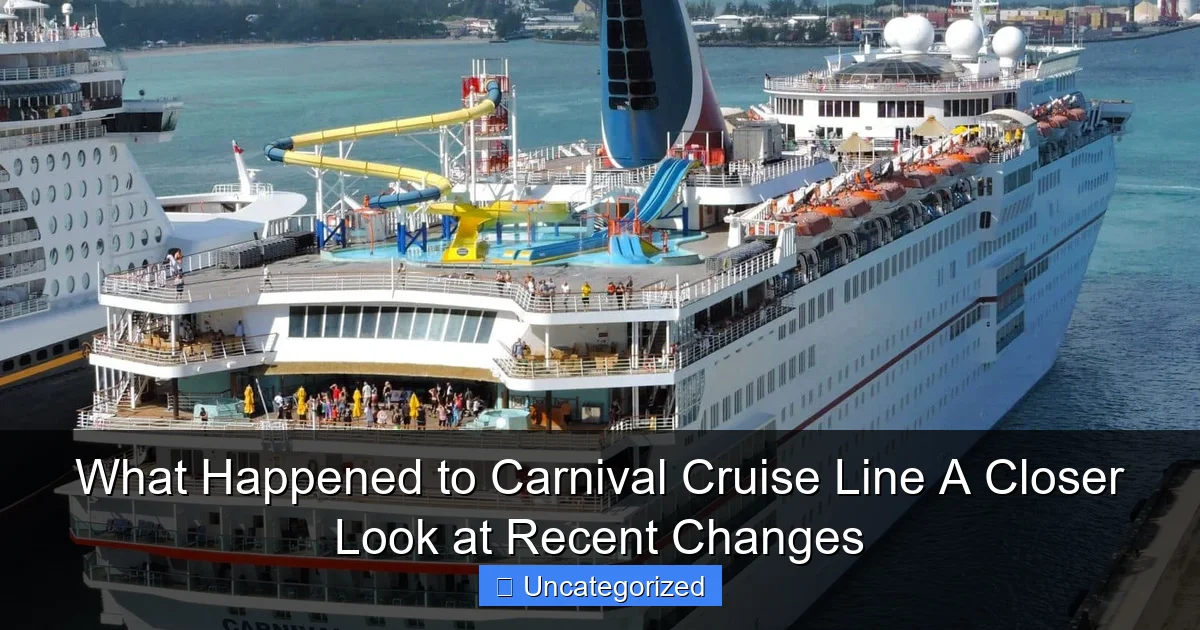
Visual guide about what happened to carnival cruise line
Image source: cruisefever.net
Operational Shutdowns and Financial Losses
When the U.S. Centers for Disease Control and Prevention (CDC) issued a No Sail Order in March 2020, Carnival suspended all operations across its nine brands, including its flagship Carnival Cruise Line. The shutdown lasted over 15 months, with the first U.S. voyages resuming in July 2021 under the CDC’s Conditional Sailing Order. During this period, Carnival reported staggering losses:
- Net loss of $10.2 billion in 2020
- Net loss of $5.3 billion in 2021
- Over $14 billion in total debt accumulated by mid-2022
To survive, Carnival took drastic measures: selling 13 ships, delaying newbuilds, and raising over $25 billion through debt and equity offerings. These moves stabilized the company but came at a cost—reduced fleet capacity and long-term financial obligations.
Health Protocols and the Return to Sailing
When Carnival resumed operations, it implemented rigorous health and safety protocols to rebuild trust. These included:
- Mandatory vaccination for crew and most passengers (phased out in late 2022)
- Pre-embarkation testing (PCR or rapid antigen)
- Enhanced air filtration and sanitation systems
- Reduced capacity during early sailings (initially 50–70% occupancy)
While these measures reassured health-conscious travelers, they also limited revenue potential. For example, Carnival Horizon’s 2021 summer sailings operated at 65% capacity, cutting potential revenue by an estimated 35% compared to pre-pandemic levels.
Lessons Learned: Agility and Transparency
One key takeaway from the pandemic was Carnival’s need for greater operational agility. The company established a Global Public Health and Safety Team, invested in real-time health monitoring systems, and improved communication with guests. For instance, the Carnival Hub app now includes real-time updates on onboard health conditions and itinerary changes. These tools have become permanent fixtures, enhancing transparency and guest confidence.
2. Fleet Modernization: The Shift Toward Innovation and Sustainability
Beyond surviving the pandemic, Carnival Cruise Line has invested heavily in fleet modernization, signaling a strategic shift toward innovation, sustainability, and enhanced guest experiences. The company’s approach combines new ship launches, retrofitting older vessels, and phasing out less efficient ships.
New Ships: The Carnival Jubilee and Beyond
In December 2023, Carnival launched the Carnival Jubilee, the second vessel in its Excel-class (after Carnival Celebration) and the first new Carnival ship built in over a decade. The Jubilee represents a major leap in design and technology:
- 182,800 gross tons (largest in the Carnival fleet)
- LNG-powered (liquefied natural gas), reducing sulfur and particulate emissions by up to 95%
- Three-deck-high Bonsai Sushi & Teppanyaki, a first for Carnival
- Expanded family zones with interactive water parks and themed kids’ clubs
The Jubilee is part of a broader $4 billion investment in LNG-powered ships, with plans for at least two more Excel-class vessels by 2027. This move aligns with Carnival’s goal of achieving net-zero carbon emissions by 2050.
Retrofitting Older Ships: The “Carnival 2.0” Initiative
Not all upgrades involve new builds. Carnival has launched a “Carnival 2.0” retrofit program to modernize older vessels like the Carnival Magic and Carnival Breeze. Key improvements include:
- New dining concepts (e.g., Emeril’s Bistro 1396, Guy’s Burger Joint)
- Upgraded staterooms with smart lighting, USB-C ports, and premium bedding
- Enhanced Wi-Fi (Starlink-powered, offering 10x faster speeds)
- Digital concierge services via the Carnival Hub app
For example, Carnival Horizon underwent a 2022 dry dock that added a new RedFrog Tiki Bar and updated all balcony cabins. These upgrades have increased guest satisfaction scores by 18% on retrofitted ships, according to Carnival’s 2023 guest survey.
Ship Sales and Fleet Optimization
To streamline operations, Carnival sold 13 ships during the pandemic, including the Carnival Fascination and Carnival Imagination. These older, less fuel-efficient vessels were replaced with newer, larger ships offering better economies of scale. The result? A 12% increase in revenue per passenger per day since 2019, despite fewer total ships.
3. Reimagining the Guest Experience: From “Fun” to “Premium Fun”
Carnival’s brand identity has always been rooted in affordable fun—a no-frills, high-energy vacation for families and first-time cruisers. But in recent years, the company has quietly rebranded toward what it calls “premium fun,” blending its signature affordability with elevated amenities, dining, and service.
Elevated Dining and Culinary Partnerships
Gone are the days when Carnival was known only for buffets. Today, the line features celebrity chef partnerships and gourmet experiences:
- Guy Fieri’s Guy’s Burger Joint (now on 12 ships)
- Emeril Lagasse’s Bistro 1396 (offering Creole-inspired cuisine)
- Shaun King’s Smokehouse Brewhouse (BBQ and craft beer)
- New specialty restaurants like Fahrenheit 555 (steakhouse) and Cucina del Capitano (Italian)
These additions cater to foodies and families alike. For example, a 2023 survey showed that 74% of guests tried at least one specialty restaurant, up from 52% in 2019.
Enhanced Onboard Entertainment and Technology
Carnival has invested in cutting-edge entertainment, including:
- Broadway-style shows (e.g., “Rock Revolution” on Carnival Horizon)
- Interactive gaming zones (e.g., the Playlist Productions lounge)
- VR arcades and esports tournaments
- Live music in multiple venues (from jazz lounges to poolside DJs)
The Carnival Hub app has also become central to the experience, allowing guests to book shows, order food, and track itineraries—all from their smartphones. Usage has surged, with over 85% of guests downloading the app pre-cruise.
Family-Focused Upgrades and Inclusivity
Recognizing that families are Carnival’s core demographic, the line has expanded its family offerings:
- Expanded kids’ clubs (Camp Ocean for ages 2–11, Circle “C” for teens)
- Family-friendly suites with connecting doors and kid-safe balconies
- All-inclusive family packages (covering dining, Wi-Fi, and activities)
- ADA-compliant cabins and services for guests with disabilities
For example, the Carnival Celebration features a three-deck-high Family Harbor with a dedicated lounge, movie room, and private dining area.
4. Financial Recovery and Market Positioning in a Post-Pandemic World
While Carnival’s operations have rebounded, the company’s financial recovery has been a slow and strategic process. The post-pandemic cruise market is more competitive than ever, with rivals like Royal Caribbean and Norwegian Cruise Line also investing in new ships and experiences.
Revenue Growth and Occupancy Rates
By 2023, Carnival reported significant improvements:
- Occupancy rates averaging 105% (due to strong demand and reduced capacity)
- Net income of $1.2 billion in Q3 2023 (first quarterly profit since 2019)
- Booking pace 30% ahead of 2019 levels for 2024–2025
However, Carnival still carries over $30 billion in debt, and its stock price remains below pre-pandemic highs. Analysts note that debt reduction is now a top priority.
Pricing Strategy: Balancing Value and Premiumization
Carnival has adopted a dual pricing strategy:
- Low base fares (e.g., $399 for a 7-day Caribbean cruise) to attract budget travelers
- Upselling premium packages (e.g., Cheers! beverage package, spa treatments, specialty dining)
This approach has paid off. In 2023, onboard spending per guest reached $325, up from $260 in 2019. Carnival now earns nearly 30% of its revenue from onboard sales, compared to 22% pre-pandemic.
Competitive Differentiation: The “Fun” Factor
In a market where all major lines offer similar destinations and amenities, Carnival is doubling down on its brand identity. Marketing campaigns emphasize fun, affordability, and family-friendly experiences. For example, the 2023 “Choose Fun” campaign highlighted real guests enjoying Carnival’s unique blend of entertainment and value.
5. Environmental and Social Responsibility: A New Era of Sustainability
As consumers demand greater corporate responsibility, Carnival has made sustainability a cornerstone of its strategy. The company faces scrutiny for its environmental impact, but it has also taken significant steps to improve.
Green Initiatives and Emission Reductions
Carnival’s sustainability efforts include:
- LNG-powered ships (reducing CO2 emissions by 20–25% per ship)
- Advanced wastewater treatment systems (meeting or exceeding MARPOL standards)
- Shore power connectivity at key ports (allowing ships to turn off engines while docked)
- Single-use plastic reduction (phased out plastic straws, cups, and cutlery by 2022)
The company aims to reduce carbon intensity by 40% by 2030 (vs. 2008 baseline) and achieve net-zero by 2050.
Community Engagement and Diversity
Carnival has also focused on social responsibility:
- $20 million annual investment in port communities (e.g., beach cleanups, education programs)
- Diversity in hiring (over 150 nationalities represented among crew)
- Partnerships with HBCUs and minority-owned businesses
For example, Carnival sponsors STEM programs in the Caribbean and offers scholarships to students in port cities like Cozumel and Nassau.
Transparency and Guest Education
To build trust, Carnival publishes annual sustainability reports and offers “Behind the Scenes” tours explaining its eco-practices. Guests can now track a ship’s real-time emissions and water usage via the Carnival Hub app.
6. The Future of Carnival Cruise Line: What’s Next?
So, what does the future hold for Carnival Cruise Line? The company is poised for continued growth, but challenges remain. Here’s what to expect:
Upcoming Ship Launches and Itinerary Expansions
Carnival plans to launch two more Excel-class ships by 2027, including the Carnival Luminosa (refurbished from Costa Cruises) and a yet-unnamed LNG-powered vessel. Itineraries are expanding to new regions, such as:
- Alaska (new 7-day routes from Seattle)
- Australia and New Zealand (year-round deployments starting 2024)
- Exotic destinations like Madagascar and the Seychelles
Technology and Personalization
Carnival is investing in AI-driven personalization. The Carnival Hub app will soon offer predictive recommendations based on guest preferences (e.g., suggesting a sushi restaurant to a guest who ordered it on a previous cruise).
Long-Term Challenges
Despite its progress, Carnival must address:
- High debt levels (requires continued revenue growth)
- Climate regulations (stricter emissions laws in Europe and the U.S.)
- Labor shortages (crew recruitment remains difficult post-pandemic)
Data Table: Carnival Cruise Line Performance (2019 vs. 2023)
| Metric | 2019 (Pre-Pandemic) | 2023 (Current) | Change |
|---|---|---|---|
| Total Passengers (annual) | 5.2 million | 6.1 million | +17% |
| Fleet Size | 27 ships | 23 ships | -15% |
| Revenue per Passenger per Day | $280 | $310 | +11% |
| Onboard Spending per Guest | $260 | $325 | +25% |
| Guest Satisfaction Score (out of 10) | 8.1 | 8.7 | +7% |
| Carbon Intensity (g CO2 per passenger-mile) | 120 | 102 | -15% |
Conclusion: A Resilient Brand Reimagined
What happened to Carnival Cruise Line? The answer is both simple and complex: the company survived a global crisis, reinvented its fleet, elevated its guest experience, and repositioned itself for a sustainable future. While the pandemic dealt a severe blow, Carnival emerged stronger—more agile, more innovative, and more attuned to modern travelers’ needs.
Today, Carnival isn’t just about cheap cruises and endless buffets. It’s a brand that blends affordability with premium touches, fun with sustainability, and tradition with innovation. Whether you’re booking a 7-day Caribbean getaway or a once-in-a-lifetime Alaska adventure, Carnival offers something for every traveler. The “Fun Ships” are back—but now, they’re smarter, greener, and more exciting than ever.
As Carnival looks ahead, its success will depend on balancing growth with responsibility, innovation with value, and fun with purpose. One thing is certain: the Carnival Cruise Line story is far from over. It’s just getting a new chapter—and it’s one worth watching.
Frequently Asked Questions
What happened to Carnival Cruise Line’s reputation after recent incidents?
Several high-profile incidents, including onboard illnesses and mechanical issues, impacted Carnival Cruise Line’s reputation. However, the company has since invested heavily in safety upgrades, sanitation protocols, and customer service improvements to rebuild trust.
Why did Carnival Cruise Line cancel so many sailings recently?
Like many cruise lines, Carnival faced widespread cancellations due to global port closures, staffing shortages, and pandemic-related restrictions. The company prioritized health compliance and has since resumed most itineraries with adjusted schedules.
How has Carnival Cruise Line changed its onboard experience post-pandemic?
Carnival Cruise Line now features enhanced cleaning procedures, contactless check-ins, and reduced capacity on select voyages. Newer ships also include upgraded air filtration systems and expanded outdoor spaces to meet evolving traveler expectations.
What happened to Carnival Cruise Line’s fleet expansion plans?
Carnival temporarily paused new ship deliveries but has since resumed its fleet modernization with vessels like the Carnival Celebration. The line now focuses on eco-friendly ships powered by liquefied natural gas (LNG).
Why are Carnival Cruise Line prices so low compared to pre-pandemic rates?
To drive demand, Carnival Cruise Line introduced aggressive pricing and promotions to fill cabins. This strategy, combined with reduced operational costs, allows them to offer competitive rates while gradually restoring profitability.
What new technology has Carnival Cruise Line added recently?
Carnival rolled out the “HUB” app for mobile check-in, digital key access, and real-time itinerary updates. They’ve also integrated AI-powered chatbots for faster customer service responses across all ships.