
The best months to cruise to Alaska are typically June through August, offering mild weather, long daylight hours, and peak wildlife activity. However, shoulder seasons like May and September provide quieter experiences, lower prices, and unique seasonal highlights.
Key Takeaways
- June to August are peak months: Warmest weather, longest days, and best wildlife viewing opportunities.
- May and September offer value and tranquility: Fewer crowds, lower prices, and scenic beauty with seasonal transitions.
- Weather varies significantly by month: Pack layers regardless of when you go, as temperatures and conditions can shift quickly.
- Wildlife sightings peak in summer: Whales, bears, and migratory birds are most active from June to August.
- Daylight hours increase dramatically: Experience nearly 20 hours of daylight in June, perfect for sightseeing.
- Cruise itineraries differ by season: Early and late season cruises may visit different ports due to ice and weather conditions.
- Book early for summer cruises: Popular dates fill up fast, especially for July and August departures.
📑 Table of Contents
- What Are the Best Months to Cruise to Alaska?
- Understanding Alaska’s Cruise Season
- May: The Quiet Start to the Season
- June: The Beginning of Summer Bliss
- July: Peak Season Adventure
- August: Summer’s Grand Finale
- September: The Serene Shoulder Season
- How to Choose the Best Month for Your Alaska Cruise
- Final Thoughts
What Are the Best Months to Cruise to Alaska?
So you’re dreaming of snow-capped mountains, icy fjords, and breaching humpback whales—welcome to the world of Alaska cruising. But before you pack your parka and camera, there’s one big question: when is the best time to go? Alaska’s cruise season is relatively short, running from May to September, and each month offers a unique flavor of the Last Frontier. Whether you’re chasing the midnight sun, hoping to spot a grizzly bear, or simply want to avoid the crowds, timing your trip right can make all the difference.
Choosing the best months to cruise to Alaska isn’t just about weather—it’s about matching your travel style and expectations to what each season delivers. Summer brings warmth and wildlife, while shoulder months offer solitude and savings. And while no month is “bad,” some are simply better suited for certain experiences. In this guide, we’ll walk you through each month of the Alaska cruise season, highlighting the pros and cons, weather patterns, wildlife activity, and practical tips to help you pick the perfect time for your adventure.
Understanding Alaska’s Cruise Season
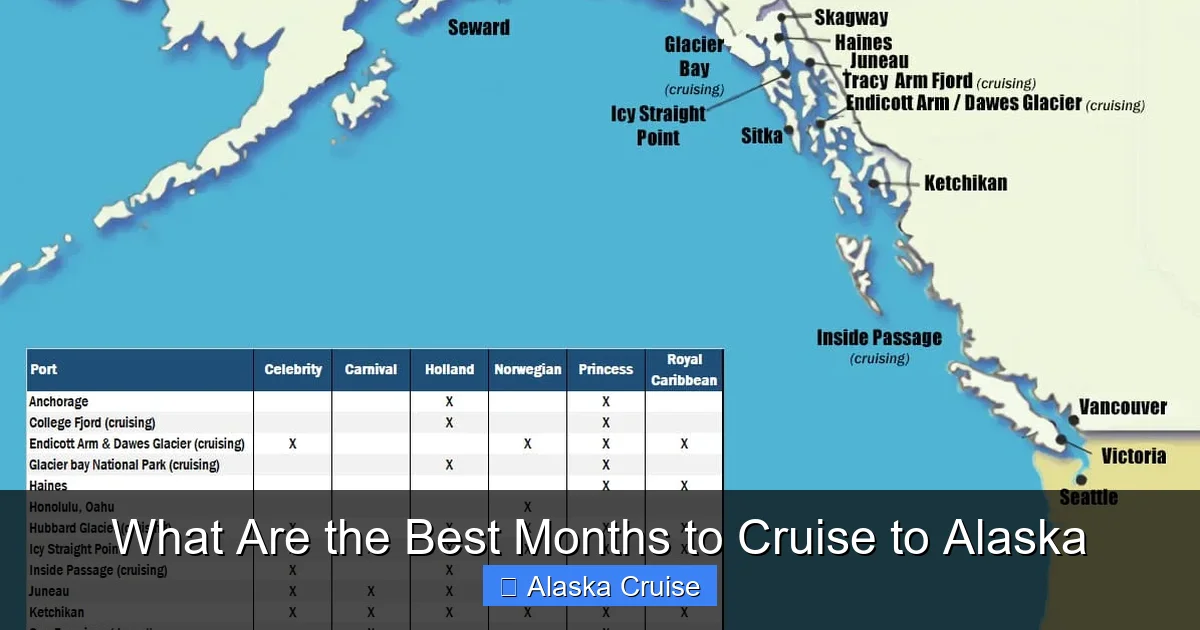
Visual guide about What Are the Best Months to Cruise to Alaska
Image source: cruisespotlight.com
Alaska’s cruise season runs from early May to late September, with most major cruise lines operating between mid-May and early October. This six-month window is dictated by weather, ice conditions, and the brief but intense Alaskan summer. Unlike tropical destinations that welcome cruisers year-round, Alaska’s climate is unforgiving in winter, with frozen ports, limited daylight, and hazardous sea conditions.
The season typically kicks off in May, when the ice begins to recede and ports like Juneau, Ketchikan, and Skagway become accessible. By June, the full cruise schedule is in effect, with ships sailing weekly from Seattle, Vancouver, and Seward. July and August are the busiest months, offering the most stable weather and the widest range of excursions. As September rolls in, the crowds thin, the air cools, and the landscape begins to shift into fall colors.
One key thing to remember: Alaska’s weather is unpredictable. Even in summer, you can experience rain, fog, or sudden temperature drops. That’s why packing layers—waterproof jackets, warm fleeces, and sturdy footwear—is essential no matter when you go. Also, cruise itineraries can vary by season. Early-season cruises might spend more time in the Inside Passage due to lingering ice in Glacier Bay, while late-season trips may focus on southern ports as northern routes become less accessible.
May: The Quiet Start to the Season
If you’re looking for a peaceful, budget-friendly Alaska cruise with a touch of spring magic, May might be your sweet spot. As the season opener, May offers fewer crowds, lower prices, and the first signs of life returning to the Alaskan wilderness. While it’s still early in the season, the days are getting longer, and the landscape is bursting with new growth.
Weather in May
Temperatures in May range from the mid-40s to low 60s Fahrenheit (7–16°C), depending on your location. Coastal areas like Ketchikan and Juneau tend to be milder, while inland spots like Skagway can be cooler. Rain is common—Alaska gets more precipitation in May than in summer—so a good rain jacket is a must. Snow is still possible at higher elevations, especially in early May, but it’s unlikely at sea level.
Wildlife and Nature
May is a transitional month for wildlife. Migratory birds are arriving, and you might spot bald eagles, puffins, and seabird colonies coming to life. Marine life is also stirring: sea lions are active, and some early-season whale sightings—especially orcas and humpbacks—are possible, though not guaranteed. On land, bears are emerging from hibernation and can sometimes be seen foraging along shorelines, particularly in areas like Admiralty Island near Juneau.
Cruise Itineraries and Ports
In May, cruise ships often focus on the southern Inside Passage, with stops in Ketchikan, Juneau, and Skagway. Glacier Bay National Park may still have ice, so some ships might skip it or offer partial visits. Excursions are more limited compared to peak season, but you’ll still find options like whale watching, kayaking, and cultural tours with Native Alaskan communities.
Pros and Cons of Cruising in May
- Pros: Lower prices, fewer tourists, peaceful ports, and the thrill of being among the first to experience the season.
- Cons: Cooler weather, more rain, limited wildlife sightings, and some excursions may not yet be operating.
Tips for May Cruisers
– Book early for the best cabin selection and early-bird discounts.
– Pack waterproof gear and warm layers—think fleece, thermal underwear, and a good hat.
– Be flexible with excursions; some may be canceled due to weather or low demand.
– Bring binoculars for early birdwatching and bear spotting.
June: The Beginning of Summer Bliss
June is when Alaska truly comes alive. The days are long, the weather is warming, and the cruise season hits its stride. It’s a fantastic time to go if you want a balance of good weather, active wildlife, and manageable crowds. Plus, you’ll get to experience the famous Alaskan “midnight sun”—in some areas, the sun barely sets at all.
Weather in June
Temperatures climb into the 50s and 60s Fahrenheit (10–20°C), with occasional warmer days. Rain is still possible, but less frequent than in May. The longer daylight hours—up to 18–20 hours in northern regions—mean more time for sightseeing and outdoor activities. This is also when the infamous “mosquito season” begins, so bug spray is a good idea if you plan to hike or explore inland.
Wildlife and Nature
June is prime time for wildlife. Humpback whales are now regular visitors to Alaskan waters, and whale-watching tours are in full swing. Sea otters, seals, and porpoises are commonly seen. On land, bears are active, and you might spot them fishing for salmon in rivers or foraging in meadows. Birdlife is abundant, with puffins, cormorants, and eagles nesting along the coast.
Cruise Itineraries and Ports
June cruises typically include the full range of ports: Ketchikan, Juneau, Skagway, and often a stop in Glacier Bay or Hubbard Glacier. Excursions are widely available, from dog sledding on glaciers to helicopter tours and wildlife cruises. This is also a great time for fishing charters and cultural experiences, such as Tlingit storytelling in Ketchikan.
Pros and Cons of Cruising in June
- Pros: Long daylight hours, active wildlife, full excursion availability, and generally pleasant weather.
- Cons: Prices are rising, crowds are increasing, and mosquitoes can be bothersome in some areas.
Tips for June Cruisers
– Book excursions in advance—popular tours like whale watching and glacier hikes fill up fast.
– Bring insect repellent, especially if you plan to explore forests or wetlands.
– Take advantage of the long days—many ships offer late-night deck activities or stargazing (when it’s not too bright).
– Pack a mix of warm and light clothing—mornings can be chilly, even in summer.
July: Peak Season Adventure
July is the heart of Alaska’s cruise season—and for good reason. It’s the warmest, sunniest, and most active month of the year. If you want the full Alaska experience with top-tier wildlife sightings, full excursion menus, and vibrant port towns, July is your month. Just be prepared for higher prices and bigger crowds.
Weather in July
July brings the best weather of the season, with average temperatures in the 60s Fahrenheit (15–20°C). Rain is less frequent, and the days are long and bright—perfect for photography and outdoor adventures. However, “warm” in Alaska still means layering up. Even in July, evenings can be cool, especially on the water.
Wildlife and Nature
This is peak wildlife season. Humpback whales are everywhere, often seen breaching or feeding in groups. Orcas, minke whales, and gray whales are also spotted. On land, bears are highly active, especially along salmon streams in places like Pack Creek near Juneau. You might even see a bear catching a fish right from the shore. Bird colonies are in full swing, and wildflowers bloom across the tundra.
Cruise Itineraries and Ports
July cruises offer the most comprehensive itineraries. Ships visit all major ports, including Glacier Bay, Hubbard Glacier, and Tracy Arm Fjord. Excursions are abundant: glacier trekking, flightseeing, kayaking, and even zip-lining in Ketchikan. Cultural tours, gold panning in Skagway, and salmon bakes are popular shore activities.
Pros and Cons of Cruising in July
- Pros: Best weather, peak wildlife activity, full excursion availability, and lively port atmospheres.
- Cons: Highest prices, largest crowds, and limited cabin availability—book early!
Tips for July Cruisers
– Book your cruise and excursions as early as possible—July is the most popular month.
– Arrive at ports early to avoid the midday rush of tour groups.
– Bring a good camera with a zoom lens for wildlife photography.
– Stay hydrated and wear sunscreen—yes, even in Alaska, the sun can be strong.
August: Summer’s Grand Finale
August is the last full month of peak season, offering nearly all the benefits of July with slightly fewer crowds. The weather remains excellent, wildlife is still abundant, and the landscape is lush and green. It’s a great time for families, as many schools haven’t started yet, and kids are still on summer break.
Weather in August
Temperatures are similar to July, ranging from the mid-50s to low 70s Fahrenheit (13–22°C). Rain becomes more likely as the month progresses, especially in the latter half. However, August still offers plenty of sunny days and comfortable cruising conditions.
Wildlife and Nature
Wildlife remains active in August. Whales are still plentiful, and salmon runs are in full swing, attracting bears to rivers and streams. This is one of the best times to see brown bears fishing for salmon in places like Brooks Falls in Katmai National Park (accessible via flightseeing tours). Bird migrations begin in late August, so you might spot flocks of geese and shorebirds preparing for their journey south.
Cruise Itineraries and Ports
August itineraries are similar to July’s, with full access to glaciers, fjords, and ports. Some ships may offer special late-summer excursions, such as bear-viewing flights or extended glacier hikes. Cultural events, like the Alaska State Fair in late August (near Anchorage), may be included in certain itineraries.
Pros and Cons of Cruising in August
- Pros: Great weather, active wildlife, full excursion options, and slightly fewer crowds than July.
- Cons: Prices remain high, and rain becomes more likely toward the end of the month.
Tips for August Cruisers
– Consider booking a cruise that includes a bear-viewing excursion—August is prime time.
– Pack a compact umbrella or rain poncho for sudden showers.
– Take advantage of family-friendly activities—many ships offer kids’ programs and themed events.
– If you’re flexible, look for last-minute deals in late August as some cabins go unsold.
September: The Serene Shoulder Season
September marks the end of the cruise season, but don’t let that fool you—this month offers a unique and beautiful Alaska experience. The crowds thin, the air cools, and the landscape begins to transform into stunning fall colors. It’s ideal for travelers seeking tranquility, value, and a more intimate connection with nature.
Weather in September
Temperatures drop into the 40s and 50s Fahrenheit (4–12°C), with cooler nights and more frequent rain. Snow is possible at higher elevations, especially in late September. However, early September can still offer crisp, sunny days—perfect for photography and hiking.
Wildlife and Nature
September is a transitional month for wildlife. Whales are still present, though sightings may become less frequent. Bears are hyperactive, gorging on salmon before hibernation—this is one of the best times to see them in action. Bird migrations are in full swing, and you might spot large flocks of geese, sandhill cranes, and raptors. The fall colors—golden aspens and red fireweed—create a stunning backdrop.
Cruise Itineraries and Ports
September cruises often focus on the southern Inside Passage, with stops in Ketchikan, Juneau, and Skagway. Glacier Bay may be less accessible due to ice, but Hubbard Glacier and Tracy Arm are usually still visitable. Excursions are more limited, but you’ll still find whale watching, kayaking, and cultural tours.
Pros and Cons of Cruising in September
- Pros: Lower prices, fewer crowds, beautiful fall scenery, and excellent bear viewing.
- Cons: Cooler weather, more rain, shorter daylight hours, and reduced excursion availability.
Tips for September Cruisers
– Book early for the best selection, but also watch for last-minute deals.
– Pack warm, waterproof clothing—think thermal layers, insulated jackets, and gloves.
– Bring a good camera to capture the fall colors and wildlife activity.
– Be prepared for shorter days—plan your excursions early to make the most of daylight.
How to Choose the Best Month for Your Alaska Cruise
So, which month is right for you? The answer depends on your priorities. If you want the best weather and wildlife, June through August are ideal. If you prefer quieter ports and lower prices, consider May or September. Families with school-age children often choose July or August to align with summer break. Solo travelers or couples seeking romance might enjoy the peacefulness of May or September.
Here are a few quick decision guides:
– Best for wildlife: July and August (peak whale and bear activity).
– Best for value: May and September (lower prices and fewer crowds).
– Best for weather: June, July, and August (warmest and sunniest).
– Best for photography: September (fall colors) or June (long daylight hours).
– Best for families: July and August (full excursion menus and kid-friendly activities).
No matter when you go, an Alaska cruise is a once-in-a-lifetime experience. The glaciers, wildlife, and rugged beauty are unforgettable. Just remember to pack wisely, book early if you’re traveling in peak season, and stay flexible—Alaska rewards those who embrace its wild spirit.
Final Thoughts
Choosing the best months to cruise to Alaska is about balancing your ideal weather, budget, and travel style with what each season offers. While summer months deliver warmth, wildlife, and full itineraries, the shoulder seasons provide a more personal and affordable experience. Whether you’re watching a humpback whale breach in July or marveling at golden aspens in September, Alaska will leave you in awe.
Start planning early, especially if you’re set on July or August. Compare cruise lines, read reviews, and consider adding a land tour for a more complete Alaskan adventure. And above all, go with an open mind—Alaska doesn’t just show you nature at its most powerful; it reminds you how small we are in the grand scheme of things.
Frequently Asked Questions
What is the best month to see whales in Alaska?
The best months to see whales are June through August, when humpback, orca, and gray whales are most active in Alaskan waters. Whale-watching tours are widely available during this time.
Is it cold on an Alaska cruise in July?
July is the warmest month, with temperatures typically in the 60s°F (15–20°C). However, it can still feel chilly on the water or in the evenings, so layers are essential.
Can you see bears on an Alaska cruise?
Yes, especially in July and August when bears are fishing for salmon. Some cruises offer bear-viewing excursions via flightseeing tours to places like Pack Creek or Brooks Falls.
Are there mosquitoes on Alaska cruises?
Mosquitoes are most active from June to August, especially in forested or wetland areas. Bring insect repellent if you plan to hike or explore inland.
Do Alaska cruises get canceled due to weather?
Rarely, but itineraries may be adjusted due to ice, fog, or storms. Cruise lines prioritize safety and will reroute ships if necessary, often with minimal disruption.
What should I pack for an Alaska cruise?
Pack layers: waterproof jacket, fleece, thermal underwear, sturdy shoes, hat, gloves, and sunscreen. Binoculars and a good camera are also highly recommended.