Alaska cruises offer breathtaking scenery, abundant wildlife, and unforgettable adventures. From Glacier Bay’s icy fjords to the charming towns of Juneau and Ketchikan, the best places for Alaska cruises blend natural beauty with rich culture.
Key Takeaways
- Glacier Bay National Park: A UNESCO World Heritage Site with massive glaciers, calving ice, and diverse marine life—best experienced with a park ranger onboard.
- Juneau: Alaska’s capital, accessible only by boat or plane, offers whale watching, Mendenhall Glacier, and historic downtown charm.
- Ketchikan: Known as the “Salmon Capital of the World,” it features totem poles, rainforests, and the stunning Misty Fjords National Monument.
- Skagway: A Gold Rush-era town with preserved buildings, the White Pass & Yukon Route Railway, and hiking trails into the wilderness.
- Hubbard Glacier: One of the largest tidewater glaciers in North America, offering dramatic ice calving and panoramic views.
- Seward and Whittier: Gateway ports to Kenai Fjords National Park, ideal for pre- or post-cruise extensions and wildlife excursions.
- Inside Passage: The scenic route most cruises follow, winding through lush forests, narrow channels, and coastal communities.
[FEATURED_IMAGE_PLACEHOLDER]
What Are Best Places for Alaska Cruises
Imagine sailing through misty fjords, watching a glacier calve into the sea with a thunderous crack, or spotting a humpback whale breaching just off the ship’s bow. That’s the magic of an Alaska cruise—a journey through one of the last great wildernesses on Earth. Whether you’re a nature lover, adventure seeker, or simply craving a break from the ordinary, Alaska delivers an experience like no other.
But with so many ports, glaciers, and natural wonders to explore, where should you go? The best places for Alaska cruises aren’t just about stunning views—they’re about immersive experiences. From the icy grandeur of Glacier Bay to the historic charm of Skagway, each stop offers something unique. Whether you’re cruising with a major line like Holland America or Royal Caribbean, or opting for a smaller expedition ship, knowing the top destinations helps you make the most of your voyage.
In this guide, we’ll explore the must-see stops on an Alaska cruise, what makes each one special, and how to make the most of your time ashore. Whether you’re planning your first trip or returning for another adventure, these destinations will leave you in awe.
Glacier Bay National Park: A Crown Jewel of Alaska
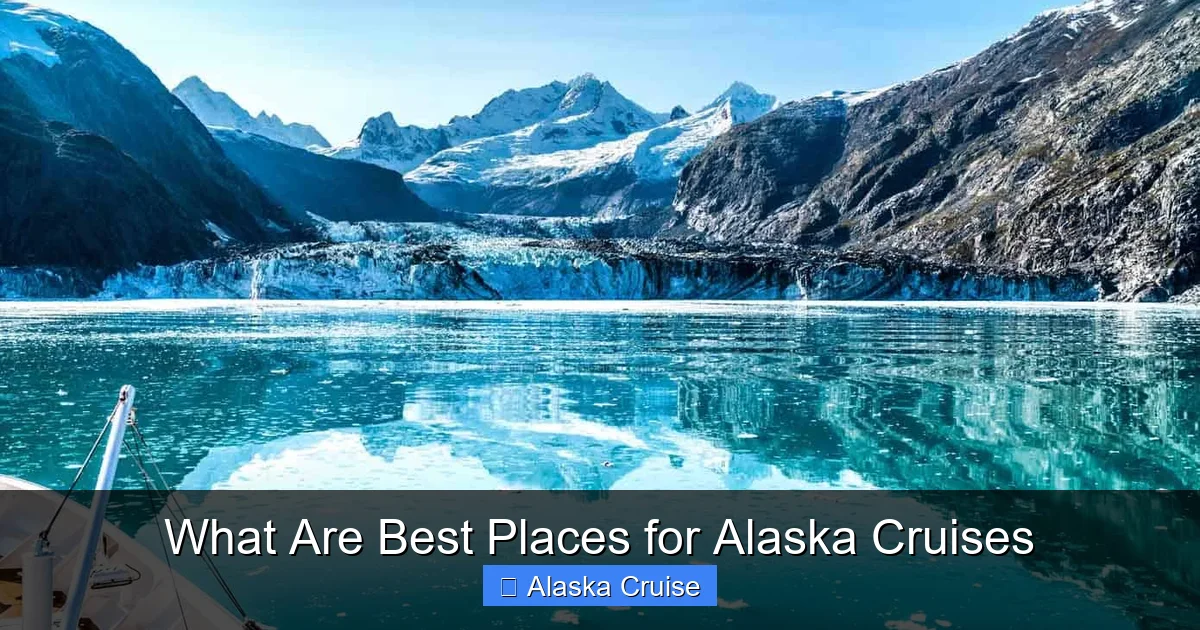
No list of the best places for Alaska cruises is complete without Glacier Bay National Park. This UNESCO World Heritage Site spans over 3.3 million acres of pristine wilderness, featuring towering glaciers, snow-capped peaks, and abundant wildlife. Most cruise ships spend a full day navigating this protected area, often accompanied by a National Park Service ranger who provides expert commentary.
Why Glacier Bay Stands Out
Glacier Bay is more than just ice—it’s a living, breathing ecosystem. The park is home to over 1,000 feet of ice in some areas, with glaciers that advance and retreat dramatically each year. One of the most famous is the Margerie Glacier, known for its frequent calving events. When chunks of ice break off and crash into the water, it’s a sight you’ll never forget.
Wildlife thrives here too. You might spot sea otters floating on their backs, harbor seals lounging on ice floes, or even a brown bear foraging along the shoreline. Marine life includes humpback whales, orcas, and porpoises. The park’s nutrient-rich waters support a rich food chain, making it a hotspot for whale watching.
What to Expect Onboard
Most cruise lines slow down significantly in Glacier Bay to allow passengers to fully absorb the scenery. Ships often stop near active glaciers, giving you time to watch for calving and take photos. The ranger onboard will share stories about the park’s geology, history, and conservation efforts. It’s a peaceful, almost meditative experience—perfect for early morning or late afternoon viewing.
Tip: Bring binoculars and a warm jacket. Even in summer, it can be chilly near the ice. And don’t forget your camera—this is one of the most photogenic spots on any Alaska cruise.
Juneau: Alaska’s Remote Capital with Big Charm
Juneau is unlike any other state capital in the U.S.—it’s not accessible by road, which means the only way in is by air or sea. This isolation has preserved its rugged character and natural beauty. As one of the most popular stops on Alaska cruise itineraries, Juneau offers a mix of adventure, culture, and stunning scenery.
Mendenhall Glacier: A Must-See Wonder
Just 12 miles from downtown Juneau, the Mendenhall Glacier is a breathtaking sight. This 13-mile-long glacier is retreating due to climate change, but it remains a powerful symbol of Alaska’s icy landscape. Visitors can walk along the Nugget Falls Trail or take a guided kayak tour to get up close.
The Mendenhall Glacier Visitor Center offers exhibits on glaciology and local wildlife. It’s a great place to learn before heading out on a hike. For a more adventurous experience, consider a helicopter tour that lands on the glacier itself—just be sure to book in advance.
Whale Watching and Wildlife Tours
Juneau is one of the best places in Alaska for whale watching. Humpback whales migrate here each summer to feed on herring and krill. Many tour operators offer 3-4 hour excursions that take you into Stephens Passage, where you can see whales breaching, tail slapping, and even bubble-net feeding.
In addition to whales, you might spot sea lions, eagles, and even the occasional black bear along the shoreline. Some tours combine whale watching with visits to local salmon canneries or cultural centers, giving you a fuller picture of life in Southeast Alaska.
Downtown Juneau: History and Local Flavor
After your outdoor adventures, take time to explore downtown Juneau. The historic district features colorful buildings, art galleries, and cozy cafes. Don’t miss the Alaska State Museum, which showcases Native Alaskan art, gold rush history, and natural science exhibits.
For a taste of local cuisine, try a salmon bake—a traditional outdoor meal featuring grilled salmon, vegetables, and native bread. Many cruise lines offer this as a shore excursion, often held in a scenic forest setting.
Ketchikan: The Salmon Capital of the World
Ketchikan is the first stop for many southbound Alaska cruises, and it’s easy to see why. Nestled between the Tongass National Forest and the Inside Passage, this charming town is known for its vibrant Native culture, lush rainforests, and world-class fishing.
Totem Pole Heritage and Cultural Sites
Ketchikan is home to the world’s largest collection of standing totem poles. The Totem Heritage Center preserves original 19th-century poles salvaged from abandoned villages. Nearby, Totem Bight State Historical Park features replica poles and a traditional clan house.
For a deeper dive into Native Alaskan culture, visit the Saxman Native Village, where you can watch a traditional dance performance and learn about Tlingit, Haida, and Tsimshian heritage. Many cruise lines offer cultural tours that include storytelling, carving demonstrations, and craft shopping.
Misty Fjords National Monument: A Natural Masterpiece
Just a short flight or boat ride from Ketchikan, the Misty Fjords National Monument is one of Alaska’s most dramatic landscapes. Carved by glaciers over thousands of years, the fjords feature sheer granite cliffs, waterfalls, and dense rainforest.
Most visitors experience Misty Fjords via a small plane or seaplane tour. The aerial view reveals hidden lakes, cascading waterfalls, and wildlife like black bears and mountain goats. It’s a once-in-a-lifetime experience that’s well worth the extra cost.
Fishing and Outdoor Adventures
As the “Salmon Capital of the World,” Ketchikan is a paradise for anglers. Whether you’re a seasoned pro or a first-time fisher, you can book a charter to catch king salmon, halibut, or trout. Many tours include gear, instruction, and the option to have your catch smoked and shipped home.
If fishing isn’t your thing, try a kayaking tour through the calm waters of Tongass Narrows. Paddle past bald eagles, sea lions, and old-growth forests. Or take a guided hike on the Deer Mountain Trail for panoramic views of the town and surrounding islands.
Skagway: Reliving the Gold Rush Era
Step back in time in Skagway, a town that feels like it’s frozen in the late 1800s. During the Klondike Gold Rush, over 100,000 prospectors passed through Skagway on their way to the Yukon. Today, the town preserves that history with restored buildings, wooden sidewalks, and costumed interpreters.
The White Pass & Yukon Route Railway
One of the most popular excursions in Skagway is the White Pass & Yukon Route Railway. This narrow-gauge railroad was built in 1898 to transport miners and supplies over the coastal mountains. The scenic journey takes you through steep canyons, past waterfalls, and over towering trestles.
The train ride is about 67 miles round-trip, with the option to go all the way to Bennett Lake in Canada. Along the way, you’ll learn about the engineering challenges and human stories behind the railroad. It’s a fun, educational experience that’s great for all ages.
Hiking and Wilderness Exploration
Skagway is a gateway to some of Alaska’s most rugged wilderness. The Chilkoot Trail, once used by gold seekers, is now a National Historic Site. While the full trail is a multi-day hike, shorter sections are accessible for day hikes.
For a less strenuous option, try the Dewey Lakes Trail or the Yakutat Glacier viewpoint. Both offer stunning views and opportunities to spot wildlife. Many cruise lines offer guided hiking tours with knowledgeable local guides.
Downtown Skagway: Shops and Stories
After your adventures, wander through downtown Skagway. The streets are lined with historic buildings, including the Arctic Brotherhood Hall, covered in driftwood. Visit the Klondike Gold Rush National Historical Park Visitor Center to see exhibits and films about the era.
Don’t miss the Red Onion Saloon, a former brothel turned museum and bar. It’s a quirky, entertaining stop that gives you a taste of Skagway’s wild past. And if you’re lucky, you might catch a live performance at the Days of ’98 Show, a humorous reenactment of gold rush life.
Hubbard Glacier: Icebergs and Awe-Inspiring Views
Hubbard Glacier is one of the largest and most active tidewater glaciers in North America. Spanning over 70 miles and reaching heights of 300 feet above water, it’s a sight that commands respect. Most cruise ships spend several hours near the glacier, often stopping to allow passengers to watch for calving.
The Power of Calving
Calving is the process where chunks of ice break off the glacier and crash into the water. It’s a dramatic, noisy event that can send waves rippling across the bay. While not guaranteed, many passengers are lucky enough to witness it during their cruise.
The glacier moves about 10 feet per day, making it one of the fastest-moving in the world. Scientists study Hubbard Glacier to understand climate change and glacial dynamics. For visitors, it’s a humbling reminder of nature’s power.
Wildlife and Scenic Beauty
The waters around Hubbard Glacier are rich in marine life. You might see sea otters, harbor seals, and even the occasional walrus. The nutrient-rich meltwater supports a thriving ecosystem, attracting birds and fish.
The surrounding landscape is equally stunning. Snow-capped mountains, deep fjords, and dense forests frame the glacier, creating a picture-perfect scene. It’s one of the most photographed spots on any Alaska cruise.
Tips for Viewing
Hubbard Glacier is best viewed in the early morning or late afternoon when the light is soft and golden. Bring layers, as it can be cold near the ice. And keep your camera ready—calving events happen without warning.
Some cruise lines offer special glacier viewing decks or outdoor lounges with heated seating. Check with your cruise line to see what amenities are available.
Seward and Whittier: Gateway to Kenai Fjords
While not always included in standard cruise itineraries, Seward and Whittier are popular pre- or post-cruise destinations. Both serve as gateways to Kenai Fjords National Park, one of Alaska’s most spectacular natural areas.
Kenai Fjords National Park: Ice and Ocean
Kenai Fjords is home to over 40 glaciers, including the famous Exit Glacier. The park’s rugged coastline is shaped by ice and ocean, creating a landscape of fjords, waterfalls, and marine wildlife.
Most visitors explore the park via boat tour. These excursions take you into the heart of the fjords, where you can see glaciers calving, sea lions basking on rocks, and puffins nesting on cliffs. Some tours even offer kayaking or glacier hiking.
Seward: Adventure and History
Seward is a charming coastal town with a rich maritime history. The Alaska SeaLife Center is a must-visit, featuring exhibits on local marine life and rehabilitation programs for injured animals.
Outdoor enthusiasts can hike the Harding Icefield Trail, go fishing, or take a wildlife cruise. Seward is also the starting point for many cruise passengers, with shuttle services to the port.
Whittier: A Unique Port
Whittier is a small, quirky town accessible only through a tunnel. It’s home to the Begich Towers, a single building that houses most of the town’s residents. Despite its size, Whittier is a major cruise port, with ships docking at the deep-water harbor.
From Whittier, you can take a boat tour into Prince William Sound, known for its glaciers, wildlife, and stunning scenery. It’s a quieter, less crowded alternative to other ports.
Inside Passage: The Scenic Heart of Alaska Cruises
The Inside Passage is the route most Alaska cruises follow, winding through a maze of islands, channels, and coastal communities. This protected waterway offers calm seas, lush forests, and abundant wildlife.
Wildlife Spotting
As you sail through the Inside Passage, keep an eye out for eagles, seals, and even the occasional bear along the shoreline. Whales are common, especially in areas like Stephens Passage and Frederick Sound.
Scenic Highlights
The passage is dotted with small towns, lighthouses, and historic sites. You’ll pass through narrow channels like Tracy Arm and Endicott Arm, where towering cliffs rise from the water. These areas are often included in cruise itineraries for their dramatic beauty.
Best Time to Cruise
The Alaska cruise season runs from May to September, with peak months in June, July, and August. Summer offers the best weather, longest days, and most wildlife activity. However, shoulder seasons (May and September) can be less crowded and more affordable.
Conclusion
The best places for Alaska cruises offer a perfect blend of natural wonder, adventure, and cultural richness. From the icy grandeur of Glacier Bay to the historic charm of Skagway, each destination tells a story. Whether you’re watching a glacier calve, spotting a whale, or exploring a Gold Rush town, Alaska leaves a lasting impression.
When planning your cruise, consider the ports that align with your interests. Love wildlife? Prioritize Juneau and Glacier Bay. Prefer history and culture? Skagway and Ketchikan are must-sees. And don’t forget the scenic journey itself—the Inside Passage is a highlight of any Alaska voyage.
With so much to see and do, an Alaska cruise is more than a vacation—it’s an adventure of a lifetime.
FAQs
What is the best time of year for an Alaska cruise?
The best time for an Alaska cruise is between June and August, when the weather is mild, days are long, and wildlife is most active. May and September offer fewer crowds and lower prices, but shorter daylight hours.
Do I need a passport for an Alaska cruise?
If your cruise stays within U.S. waters and doesn’t visit Canada, a passport is not required. However, it’s highly recommended in case of emergencies or itinerary changes. If your cruise stops in Canadian ports, a passport is mandatory.
Can I see the Northern Lights on an Alaska cruise?
It’s unlikely. The Northern Lights are best seen in winter, while Alaska cruises run in summer when nights are short. For aurora viewing, consider a winter trip to interior Alaska.
What should I pack for an Alaska cruise?
Pack layers, including a waterproof jacket, warm sweater, and comfortable walking shoes. Don’t forget sunscreen, sunglasses, binoculars, and a camera. Even in summer, it can be cool on deck.
Are Alaska cruises family-friendly?
Yes! Many cruise lines offer kids’ programs, family excursions, and educational activities. Destinations like Juneau and Ketchikan have plenty of outdoor adventures suitable for all ages.
How long should my Alaska cruise be?
Most Alaska cruises last 7 to 10 days, which allows time to visit multiple ports and enjoy scenic cruising. Longer itineraries may include additional destinations like Victoria, British Columbia, or the Gulf of Alaska.
This is a comprehensive guide about what are best places for alaska cruises.
Key Takeaways
- Understanding what are best places for alaska cruises: Provides essential knowledge
Frequently Asked Questions
What is what are best places for alaska cruises?
what are best places for alaska cruises is an important topic with many practical applications.