
Choosing the best Alaska cruise itinerary depends on your travel style, budget, and must-see destinations. Whether you crave glacier views, wildlife encounters, or cultural experiences, there’s a route tailored for you—this guide helps you pick the right one.
Key Takeaways
- Inside Passage vs. Gulf Coast: Inside Passage cruises offer lush scenery and charming towns, while Gulf Coast routes include glacier-heavy destinations like Hubbard Glacier and College Fjords.
- Roundtrip vs. One-Way Cruises: Roundtrip itineraries depart and return from the same port (e.g., Seattle or Vancouver), offering convenience, while one-way cruises (e.g., Seattle to Seward) allow deeper exploration and often include land tours.
- Best Time to Cruise: May to September is peak season, with July and August offering the warmest weather and longest daylight hours—ideal for wildlife and glacier viewing.
- Port Highlights Matter: Key stops like Juneau, Ketchikan, Skagway, and Glacier Bay National Park each offer unique experiences—choose an itinerary that includes your top priorities.
- Cruise Line Style Influences Experience: Luxury lines like Seabourn focus on small ships and gourmet dining, while family-friendly lines like Carnival offer entertainment and kids’ programs.
- Shore Excursions Enhance the Journey: Book excursions in advance for popular activities like whale watching, dog sledding on glaciers, or helicopter tours—these fill up fast.
- Duration Impacts Depth: 7-day cruises are most common, but 10- to 14-day itineraries allow more time in port and access to remote areas like the Aleutian Islands or Arctic regions.
📑 Table of Contents
- Why Alaska? The Ultimate Cruise Destination
- Understanding Alaska Cruise Itinerary Types
- Roundtrip vs. One-Way: Which Is Right for You?
- Best Time to Cruise Alaska: Timing Is Everything
- Top Ports and What Makes Them Special
- Choosing the Right Cruise Line for Your Style
- Tips for Booking the Best Alaska Cruise Itinerary
- Conclusion: Finding Your Perfect Alaska Cruise
Why Alaska? The Ultimate Cruise Destination
Alaska isn’t just a destination—it’s a once-in-a-lifetime experience. With towering glaciers, rugged coastlines, abundant wildlife, and rich Indigenous cultures, it’s no surprise that Alaska consistently ranks as one of the top cruise destinations in the world. Whether you’re a nature lover, adventure seeker, or someone who just wants to unplug and soak in breathtaking scenery, an Alaska cruise delivers on all fronts.
But with so many cruise lines, ships, and itineraries to choose from, deciding which Alaska cruise is best can feel overwhelming. Should you sail the Inside Passage or venture into the Gulf of Alaska? Is a roundtrip cruise from Seattle better than a one-way journey ending in Seward? And what about timing—should you go in June for mild weather or August for peak wildlife activity?
This guide breaks down everything you need to know to choose the best Alaska cruise itinerary for your travel style, budget, and interests. We’ll compare routes, highlight must-see ports, discuss timing, and help you match your personality to the right cruise line. By the end, you’ll have the confidence to book the Alaskan adventure of a lifetime.
Understanding Alaska Cruise Itinerary Types
Alaska cruises generally fall into two main route categories: the Inside Passage and the Gulf Coast (or Gulf of Alaska) routes. Each offers a unique flavor of Alaska, and understanding the difference is key to picking the best Alaska cruise itinerary for you.
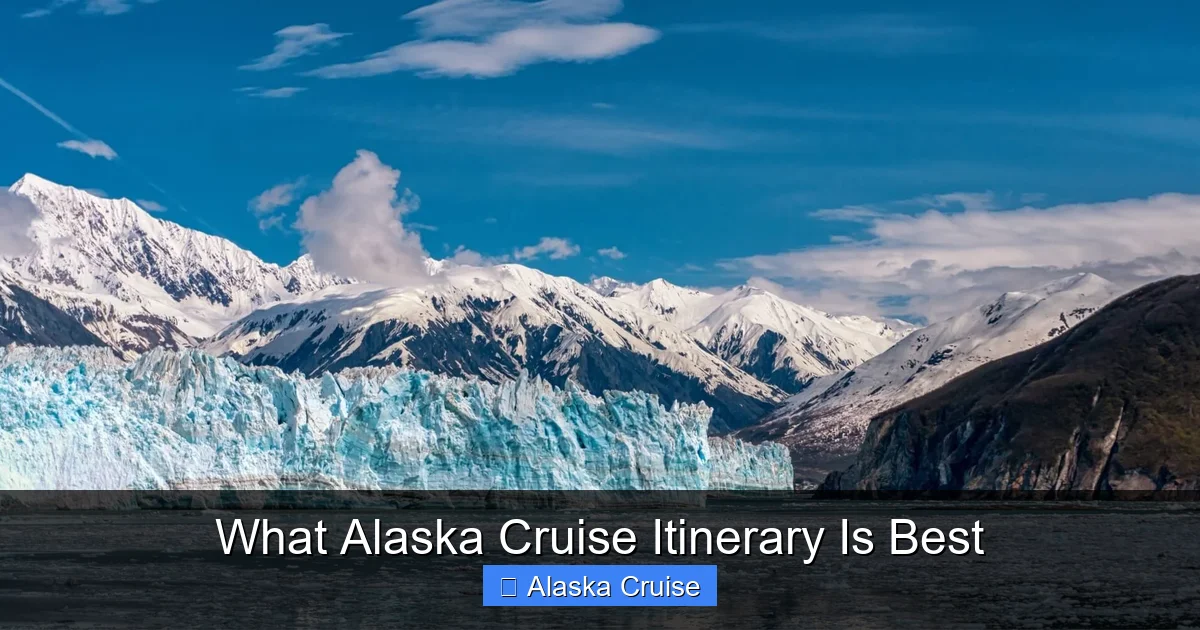
Visual guide about What Alaska Cruise Itinerary Is Best
Image source: bellsalaska.com
Inside Passage Cruises: Classic Coastal Beauty
The Inside Passage is the most popular Alaska cruise route, stretching from Seattle or Vancouver up through the narrow, forested waterways of southeastern Alaska. This route is known for its calm waters, lush rainforests, and charming coastal towns. It’s ideal for first-time cruisers and families looking for a scenic, relaxing journey.
Typical ports include Ketchikan, known for its totem poles and salmon fishing; Juneau, the state capital accessible only by boat or plane; and Skagway, a historic gold rush town with a Wild West vibe. Many Inside Passage cruises also include a stop at Glacier Bay National Park, a UNESCO World Heritage Site where you can witness massive glaciers calving into the sea.
One of the biggest advantages of the Inside Passage is accessibility. Most cruises depart from Seattle or Vancouver, making it easy to fly in and out without complex logistics. These itineraries are usually 7 days long and often roundtrip, meaning you sail out and back on the same ship—no need to worry about transferring to a different vessel or arranging land travel.
Gulf Coast Cruises: Glaciers, Fjords, and Remote Wonders
If you’re after dramatic scenery and glacier-heavy experiences, a Gulf Coast itinerary might be your best Alaska cruise choice. These routes typically start in Seattle or Vancouver and end in Seward or Whittier (near Anchorage), or vice versa. Because they cross the open waters of the Gulf of Alaska, these cruises often include sea days with rougher conditions—so if you’re prone to motion sickness, come prepared.
Gulf Coast cruises visit many of the same ports as Inside Passage routes but add highlights like Hubbard Glacier—one of the most active glaciers in North America—and College Fjords, where you’ll sail past glaciers named after Ivy League schools. Some itineraries also include stops in Valdez, a quieter port known for its stunning mountain backdrops and outdoor adventures.
One-way Gulf Coast cruises are especially popular because they often pair with land tours. After disembarking in Seward or Whittier, you can take a train or bus into Denali National Park for wildlife viewing and hiking, then fly home from Anchorage. This combo cruise-and-land tour is a favorite among travelers who want to see more of Alaska beyond the coastline.
Roundtrip vs. One-Way: Which Is Right for You?
One of the first decisions you’ll make when choosing an Alaska cruise is whether to book a roundtrip or one-way itinerary. Both have pros and cons, and the best Alaska cruise itinerary for you depends on your travel preferences and logistics.
Roundtrip Cruises: Convenience and Simplicity
Roundtrip cruises depart and return to the same port—typically Seattle, Vancouver, or San Francisco. These are ideal if you want a hassle-free vacation with minimal planning. You fly into the departure city, board the ship, enjoy a week of cruising, and fly home from the same airport. No need to coordinate trains, buses, or additional flights.
Most roundtrip cruises follow the Inside Passage route and last 7 days. They’re perfect for families, first-time cruisers, or anyone who values ease and predictability. Plus, because you’re not transferring to a different ship or city, there’s less risk of travel delays disrupting your plans.
However, roundtrip cruises do have limitations. You’ll see the same ports on the way out and back, which means less variety. And if you’re eager to explore inland Alaska—like Denali or Fairbanks—you’ll need to book a separate land tour before or after your cruise.
One-Way Cruises: Adventure and Depth
One-way cruises, also known as “open-jaw” itineraries, start in one city and end in another—like Seattle to Seward or Vancouver to Whittier. These are the best Alaska cruise options for travelers who want a more immersive experience and are willing to do a bit more planning.
The biggest advantage of a one-way cruise is the ability to combine sea and land adventures. After your cruise ends in Seward or Whittier, you can take the scenic Alaska Railroad into Denali National Park, spend a few days exploring, then fly home from Anchorage. This combo gives you the best of both worlds: coastal scenery and inland wilderness.
One-way cruises also tend to include more glacier viewing, as they often sail through the Gulf of Alaska and visit Hubbard Glacier or College Fjords. They’re typically 7 to 10 days long, with some luxury lines offering 14-day extended itineraries that go as far as the Aleutian Islands or Arctic regions.
The downside? One-way cruises require more coordination. You’ll need to book flights into the departure city and out of the arrival city, and possibly arrange ground transportation between the port and your next destination. But for many travelers, the extra effort is worth it for the deeper Alaskan experience.
Best Time to Cruise Alaska: Timing Is Everything
Alaska’s cruise season runs from May to September, but not all months are created equal. The best Alaska cruise itinerary also depends on when you go—each month offers a different flavor of Alaskan adventure.
May and Early June: Quiet Beauty and Lower Prices
Cruising in May or early June means fewer crowds, lower prices, and the chance to see Alaska in its spring awakening. Snow is still melting in the mountains, rivers are swollen with runoff, and waterfalls are at their peak. Wildlife is active, and you might spot bears foraging for food or whales beginning their migration north.
The downside? Weather can be unpredictable, with cooler temperatures and more rain. Some ports may have limited shore excursions open, and daylight hours, while long, aren’t yet at their peak. But if you’re looking for a peaceful, budget-friendly cruise with stunning spring scenery, early season is a great choice.
July and August: Peak Season for a Reason
July and August are the most popular months to cruise Alaska—and for good reason. The weather is warmest, with daytime temperatures often in the 60s and 70s°F. Daylight lasts up to 18 hours, giving you plenty of time to explore ports and enjoy evening wildlife sightings.
This is also the best time for wildlife viewing. Humpback whales, orcas, sea lions, and puffins are abundant, and bears are frequently spotted along the shoreline. Glacier calving is more active in the warmer months, so you’re more likely to witness massive ice chunks crashing into the water.
However, peak season means higher prices and more crowds. Popular excursions like whale watching in Juneau or dog sledding on the Mendenhall Glacier sell out quickly, so book early. If you’re flexible with dates, consider late June or early September to enjoy similar conditions with fewer people.
September: Fall Colors and Farewell to Summer
September offers a unique Alaska experience: the crisp air of autumn, vibrant fall foliage, and a quieter cruise atmosphere. Wildlife is still active, and you might see salmon spawning in rivers or moose grazing in wetlands. The weather is cooler, but generally stable, and the long daylight hours continue into early September.
Prices drop significantly in September, making it a great value option. Some cruise lines even offer last-minute deals. Just be aware that some ports may begin closing for the season, and shore excursions could be limited. But if you don’t mind a bit of unpredictability, September can be a magical time to cruise Alaska.
Top Ports and What Makes Them Special
No Alaska cruise is complete without visiting its iconic ports. Each stop offers something unique, and the best Alaska cruise itinerary includes a mix of culture, nature, and adventure. Here’s what to expect at the most popular ports.
Ketchikan: The Salmon Capital of the World
Ketchikan is often the first stop on Inside Passage cruises, and it’s easy to see why. Known as the “Salmon Capital of the World,” this colorful town is built on stilts over the water and features boardwalks, totem poles, and a vibrant arts scene.
Don’t miss a visit to Totem Bight State Park or the Saxman Native Village to learn about Tlingit, Haida, and Tsimshian cultures. Shore excursions include kayaking through misty fjords, fishing for salmon, or taking a floatplane to nearby Misty Fjords National Monument for jaw-dropping views of waterfalls and cliffs.
Juneau: The Capital Only Accessible by Sea
Juneau is Alaska’s capital city, but there are no roads connecting it to the rest of the state—only boats and planes. This isolation adds to its charm. Nestled between mountains and sea, Juneau offers a mix of urban amenities and wild beauty.
The highlight for many is the Mendenhall Glacier, just 12 miles from downtown. You can hike to the glacier’s edge, take a guided tour, or even dog sled on the ice (in summer, via helicopter). Whale watching tours are also popular, with humpbacks frequently spotted in the surrounding waters.
Skagway: Step Back into the Gold Rush Era
Skagway looks like it’s been frozen in time since the late 1800s. This historic town was the gateway for thousands of prospectors during the Klondike Gold Rush, and today, its wooden sidewalks and false-front buildings transport you to the Wild West.
The White Pass and Yukon Route Railway is a must-do—a narrow-gauge train that climbs 2,865 feet through steep mountain passes. For adventure seekers, try ziplining, gold panning, or hiking the Chilkoot Trail. Skagway is also a great base for exploring the surrounding Tongass National Forest.
Glacier Bay National Park: A UNESCO Treasure
Glacier Bay is one of the most spectacular stops on any Alaska cruise. This 3.3-million-acre park is home to over a dozen active glaciers, including the massive Margerie and Grand Pacific Glaciers. Ships enter the park slowly, allowing passengers to witness glaciers calving—when chunks of ice break off and crash into the water.
Naturalists from the National Park Service come aboard to share insights about the ecosystem, wildlife, and glacial history. You might spot sea otters, harbor seals, or even brown bears along the shoreline. Because the park is protected, only two ships are allowed in per day, making it a truly exclusive experience.
Hubbard Glacier: The Big One
Hubbard Glacier is the star of many Gulf Coast itineraries. At over 7 miles wide and 700 feet tall, it’s one of the largest tidewater glaciers in North America. Ships often stop for hours as the glacier calves, sending thunderous booms across the water.
Unlike Glacier Bay, Hubbard Glacier is not part of a national park, so there are no guided naturalists on board. But the sheer scale and power of the glacier make it a highlight for many cruisers. Bring binoculars and a camera—you’ll want to capture every moment.
Choosing the Right Cruise Line for Your Style
Not all Alaska cruises are the same—your experience will vary greatly depending on the cruise line you choose. The best Alaska cruise itinerary also depends on the onboard atmosphere, service level, and activities offered.
Luxury Lines: Small Ships, Big Experiences
If you prefer intimate settings, gourmet dining, and personalized service, consider a luxury cruise line like Seabourn, Silversea, or Crystal. These ships carry fewer passengers (often under 500), allowing for more time in port and access to smaller, remote destinations.
Luxury lines often include premium shore excursions, complimentary beverages, and high-end amenities like spa services and fine dining. They’re ideal for travelers who want a refined, all-inclusive experience without the crowds.
Mainstream Lines: Family-Friendly Fun
For families and first-time cruisers, mainstream lines like Carnival, Royal Caribbean, and Norwegian offer a lively, entertaining atmosphere. These ships are larger, with pools, water slides, Broadway-style shows, and kids’ clubs.
While the focus is more on onboard activities than immersive Alaskan experiences, these lines still visit all the major ports and offer a wide range of shore excursions. They’re a great value option, especially if you’re traveling with children or want a more social cruise.
Expedition Cruises: For the Adventurous Spirit
If you’re passionate about nature and want a more educational, hands-on experience, consider an expedition cruise with lines like Lindblad Expeditions, UnCruise Adventures, or Hurtigruten. These small ships focus on wildlife, photography, and cultural immersion.
Expedition cruises often include expert naturalists, photographers, and historians on board. You might go kayaking among icebergs, Zodiac cruising in remote fjords, or visiting Indigenous communities. These itineraries are perfect for active travelers who want to go beyond the typical tourist experience.
Tips for Booking the Best Alaska Cruise Itinerary
Now that you know the basics, here are some practical tips to help you book the best Alaska cruise itinerary for your needs.
- Book Early: Popular itineraries and shore excursions sell out months in advance, especially for July and August. Aim to book at least 6–12 months ahead.
- Compare Port Days: Look at how many hours your ship spends in each port. Some ships arrive late and depart early, limiting your time to explore.
- Check for Glacier Viewing: Not all itineraries include Glacier Bay or Hubbard Glacier. If glacier viewing is a priority, choose a route that guarantees it.
- Consider a Combo Tour: Many travelers pair their cruise with a land tour to Denali or Fairbanks. Companies like Holland America and Princess offer seamless cruise-and-land packages.
- Pack for All Weather: Even in summer, Alaska can be cool and rainy. Bring layers, waterproof gear, and binoculars for wildlife spotting.
- Read Reviews: Check recent passenger reviews on sites like Cruise Critic to get a sense of the ship’s condition, service, and onboard experience.
Conclusion: Finding Your Perfect Alaska Cruise
So, what Alaska cruise itinerary is best? The answer depends on you. If you want convenience and classic coastal scenery, a roundtrip Inside Passage cruise from Seattle or Vancouver is ideal. If you’re after glaciers, wildlife, and a deeper Alaskan experience, a one-way Gulf Coast cruise with a land tour extension might be your perfect match.
Consider your travel style, budget, and must-see destinations. Do you prefer luxury and intimacy, or family fun and entertainment? Are you flexible with dates, or do you need to travel in peak season? By answering these questions, you’ll be able to choose the best Alaska cruise itinerary for your dream vacation.
Alaska is a place that stays with you long after you’ve returned home. Whether you’re watching a glacier calve at sunrise, spotting a whale breach in the distance, or sipping coffee in a quiet port town, the memories you make will last a lifetime. So start planning, book early, and get ready for the adventure of a lifetime.
Frequently Asked Questions
What is the best month to take an Alaska cruise?
July and August are the most popular months due to warm weather, long daylight hours, and peak wildlife activity. However, May and September offer fewer crowds and lower prices, with still-great conditions for sightseeing.
Is a roundtrip or one-way Alaska cruise better?
Roundtrip cruises are more convenient and easier to plan, while one-way cruises allow you to combine sea and land adventures, like visiting Denali National Park. Choose based on your travel style and how much of Alaska you want to see.
Which cruise line is best for Alaska?
The best cruise line depends on your preferences. Luxury lines like Seabourn offer intimate experiences, while family-friendly lines like Carnival provide entertainment and kids’ programs. Expedition lines like UnCruise are ideal for nature lovers.
Do all Alaska cruises visit Glacier Bay?
No, only certain itineraries include Glacier Bay National Park. Most Inside Passage cruises do, but Gulf Coast routes may skip it in favor of Hubbard Glacier. Check your itinerary details before booking.
How many days should an Alaska cruise be?
Most Alaska cruises are 7 days long, which is ideal for first-time visitors. Longer 10- to 14-day itineraries offer more port time and access to remote areas, but require more time and budget.
Can I see bears on an Alaska cruise?
Yes, especially in ports like Juneau and Ketchikan, where bears are often spotted along shorelines or in rivers during salmon runs. Shore excursions like bear viewing tours increase your chances of a sighting.