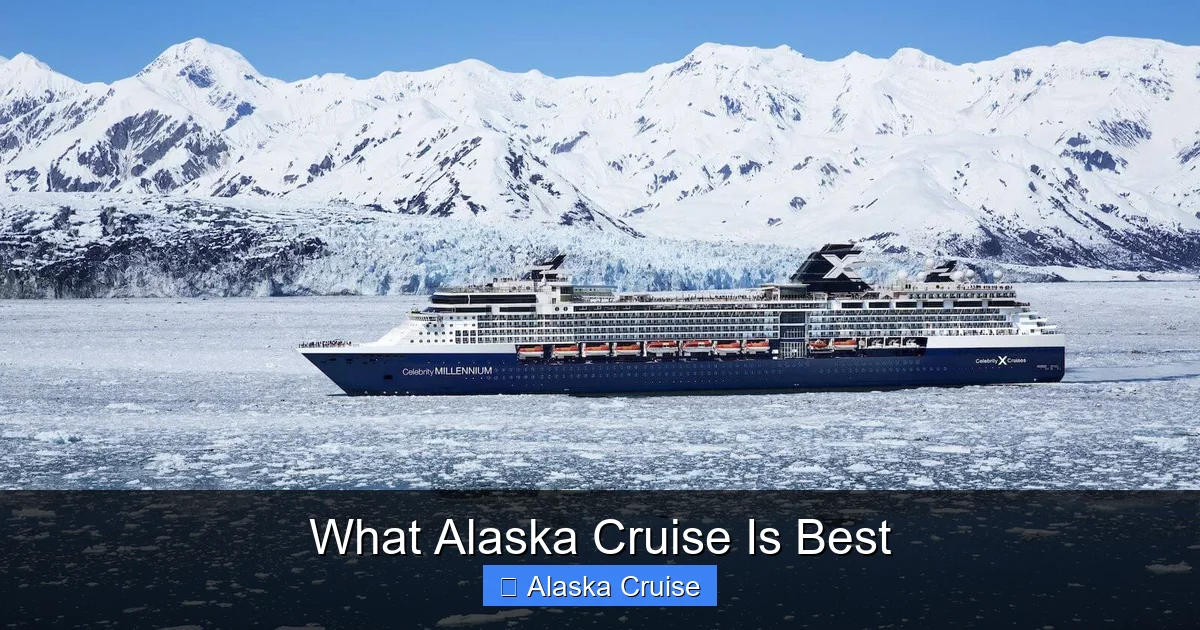
Choosing the best Alaska cruise depends on your travel style, budget, and interests. Whether you crave luxury, wildlife, or family fun, Alaska offers unforgettable voyages through glaciers, fjords, and coastal towns. This guide helps you pick the perfect cruise for an epic Alaskan adventure.
Key Takeaways
- Itinerary matters most: Look for cruises that visit Glacier Bay, Hubbard Glacier, and ports like Juneau, Ketchikan, and Skagway for the full Alaskan experience.
- Ship size affects experience: Smaller ships offer closer wildlife encounters and access to remote ports, while larger ships provide more amenities and entertainment.
- Time of year impacts wildlife and weather: May to September is ideal, with July and August offering the warmest weather and peak wildlife activity.
- Luxury vs. budget options: High-end lines like Seabourn and Regent offer all-inclusive experiences, while Carnival and Royal Caribbean provide affordable family-friendly voyages.
- Shore excursions enhance the trip: Book whale watching, dog sledding, or glacier hikes in advance for the best availability and pricing.
- Inside vs. outside cabins: Opt for ocean-view or balcony rooms to fully enjoy Alaska’s stunning scenery.
- Repositioning cruises offer value: Spring and fall one-way trips can be cheaper and less crowded, with unique routing.
📑 Table of Contents
- What Alaska Cruise Is Best? A Complete Guide to Choosing Your Perfect Voyage
- Understanding Alaska Cruise Itineraries
- Ship Size and Type: Big vs. Small
- Best Time to Cruise Alaska
- Luxury vs. Budget: Finding the Right Fit
- Must-Do Shore Excursions and Activities
- Cabin Selection: Where to Stay on Board
- Family-Friendly vs. Adult-Oriented Cruises
- Final Tips for Choosing the Best Alaska Cruise
- Conclusion: Your Perfect Alaska Awaits
What Alaska Cruise Is Best? A Complete Guide to Choosing Your Perfect Voyage
So, you’re dreaming of towering glaciers, breaching whales, and rugged mountain backdrops—welcome to the world of Alaska cruises. But with so many options, how do you know which one is right for you? The truth is, there’s no single “best” Alaska cruise. The best one is the one that fits your travel style, budget, and sense of adventure.
Alaska cruises are unlike any other vacation. You’ll sail through icy fjords, spot bald eagles soaring above old-growth forests, and maybe even catch a glimpse of a brown bear fishing for salmon. Whether you’re a nature lover, a photography enthusiast, or a family looking for a once-in-a-lifetime trip, Alaska delivers. But to make the most of your journey, you need to choose wisely.
This guide will walk you through everything you need to know to pick the best Alaska cruise for your needs. From itineraries and ship types to timing and excursions, we’ll break it down so you can set sail with confidence.
Understanding Alaska Cruise Itineraries

Visual guide about What Alaska Cruise Is Best
Image source: accentontravel.com
One of the first things to consider when choosing an Alaska cruise is the itinerary. Not all routes are created equal, and the ports you visit can make or break your experience.
Most Alaska cruises depart from Seattle or Vancouver and sail north through the Inside Passage, a network of waterways that weave between islands and mainland Alaska. The classic round-trip itinerary typically lasts 7 days and includes stops in Ketchikan, Juneau, Skagway, and often a glacier viewing day at either Glacier Bay National Park or Hubbard Glacier.
Why Glacier Bay matters: If you’re hoping to see massive glaciers calving into the sea, Glacier Bay is a must. This UNESCO World Heritage Site is home to over a dozen active tidewater glaciers. Only a limited number of ships are allowed in each day, so cruises that include Glacier Bay often come with a premium price—but it’s worth it for the awe-inspiring views.
Hubbard Glacier vs. Glacier Bay: Hubbard Glacier, located near the town of Yakutat, is the largest tidewater glacier in North America. It’s more accessible to larger ships and doesn’t require a park permit, so it’s a common stop on many itineraries. While not as protected as Glacier Bay, Hubbard still offers dramatic ice views and is often more predictable in terms of glacier activity.
Ports of call: Each port offers something unique. Ketchikan is known for its Native American totem poles and rainforest hikes. Juneau, the state capital, is the only port not accessible by road—meaning you’ll arrive by boat or plane, adding to the adventure. Skagway is a gold rush-era town with historic charm and access to the scenic White Pass Railway.
One-way vs. round-trip cruises: Round-trip cruises from Seattle or Vancouver are convenient and popular. But one-way “repositioning” cruises—like those from San Francisco to Vancouver or Seattle to Seward—can offer better value and fewer crowds. These often include extra sea days and unique routing, such as crossing the Gulf of Alaska.
Ship Size and Type: Big vs. Small
The size of your cruise ship can dramatically affect your Alaska experience. Larger ships offer more amenities, while smaller vessels provide intimacy and access to remote areas.
Mega-ships (1,000+ passengers): Lines like Royal Caribbean, Norwegian Cruise Line, and Carnival operate large ships with multiple dining options, Broadway-style shows, water parks, and even ice skating rinks. These are great for families and first-time cruisers who want a resort-like experience at sea. However, larger ships can’t enter certain narrow channels or smaller ports, and you may spend less time in nature and more time in crowded lounges.
Mid-sized ships (500–900 passengers): Ships from Holland America Line and Princess Cruises strike a balance between comfort and access. They offer a wide range of dining and entertainment while still being able to visit most Alaskan ports. Holland America, in particular, is known for its strong Alaska focus, with onboard naturalists and enrichment programs about the region’s wildlife and culture.
Small ships (under 200 passengers): Luxury lines like Seabourn, Silversea, and UnCruise Adventures operate smaller vessels that can navigate narrow fjords and anchor closer to glaciers. These cruises often include Zodiac landings, kayaking, and guided hikes. The smaller guest count means more personalized service and fewer crowds at ports. However, you’ll sacrifice some amenities—no rock climbing walls or mega-theaters here.
Expedition ships: For the ultimate adventure, consider an expedition cruise with companies like Lindblad Expeditions (in partnership with National Geographic) or Hurtigruten. These voyages focus on exploration, with expert guides, wildlife spotting, and hands-on activities. They’re ideal for travelers who want to get off the beaten path and immerse themselves in Alaska’s wild beauty.
Best Time to Cruise Alaska
Timing your Alaska cruise correctly can mean the difference between spotting humpback whales and missing the summer migration. The cruise season runs from May to September, but each month offers a different experience.
May and early June: These are the shoulder months, with fewer crowds and lower prices. The weather is cooler, but you’ll see spring blooms and active wildlife preparing for summer. Bears are often seen along the shorelines, and migratory birds are returning. However, some shore excursions may not be fully operational yet.
July and August: These are peak months for a reason. The weather is warmest (average highs in the 60s°F), daylight lasts up to 18 hours, and wildlife is abundant. Whale watching is at its best, and glacier calving is more frequent due to warmer temperatures. The downside? Higher prices, larger crowds, and limited availability.
September: As summer fades, September offers a quieter, more reflective experience. The fall colors begin to appear in the forests, and wildlife is still active. You might even catch the northern lights on clear nights. Some cruise lines offer “last chance” September sailings at discounted rates.
Weather considerations: Alaska’s weather is unpredictable. Even in summer, pack layers, waterproof gear, and a good jacket. Rain is common, especially in Ketchikan, which is one of the rainiest cities in the U.S. But don’t let that deter you—rain or shine, Alaska’s beauty shines through.
Luxury vs. Budget: Finding the Right Fit
Your budget will play a big role in determining which Alaska cruise is best for you. But “budget” doesn’t have to mean “basic”—and “luxury” doesn’t always mean “out of reach”
Budget-friendly options: Carnival Cruise Line and Royal Caribbean offer some of the most affordable Alaska cruises, with prices starting around $500 per person for a 7-day voyage. These ships are packed with activities, making them ideal for families and younger travelers. Look for promotions like “kids sail free” or onboard credit deals.
Mid-range value: Holland America and Princess Cruises offer a great balance of price and quality. Their ships are well-appointed, with strong Alaska programming, including lectures by naturalists and cultural performers. Prices typically range from $1,000 to $2,000 per person, depending on cabin type and season.
Luxury experiences: If you’re looking to splurge, consider Seabourn, Regent Seven Seas, or Crystal Cruises. These all-inclusive lines cover drinks, gratuities, and often shore excursions. You’ll enjoy gourmet dining, spacious suites, and personalized service. Prices can exceed $5,000 per person, but the experience is unmatched.
All-inclusive perks: Luxury cruises often include extras like complimentary wine with dinner, premium shore excursions, and even airfare. Regent Seven Seas, for example, includes unlimited shore excursions—meaning you can book as many as you want at no extra cost. This can add significant value, especially in Alaska where excursions can cost $100–$300 each.
Hidden costs to watch for: Even on budget cruises, expect to pay extra for specialty dining, drinks, Wi-Fi, and shore excursions. Some lines charge for balcony cabins or premium views. Always read the fine print and budget for extras to avoid surprises.
Must-Do Shore Excursions and Activities
A great Alaska cruise isn’t complete without exploring beyond the ship. Shore excursions are your gateway to glaciers, wildlife, and local culture.
Glacier experiences: Dog sledding on a glacier is a once-in-a-lifetime adventure. In Juneau, you can fly by helicopter to a remote glacier and mush with sled dogs—some of which are retired Iditarod racers. In Skagway, the White Pass & Yukon Route Railway offers a scenic train ride through mountain passes, following the path of gold rush prospectors.
Wildlife watching: Whale watching tours are a highlight in Juneau and Icy Strait Point. Humpback whales, orcas, and sea lions are commonly spotted. For bird lovers, the Stikine River in Wrangell is a prime spot for bald eagles and migratory waterfowl.
Native culture: In Ketchikan, visit the Totem Heritage Center or take a guided tour of a Tlingit village. Many excursions include traditional dancing, storytelling, and craft demonstrations. These experiences offer a deeper understanding of Alaska’s indigenous peoples.
Adventure activities: Kayaking among icebergs, hiking through temperate rainforests, and zip-lining over fjords are all available. In Icy Strait Point, you can ride the world’s largest zipline over a rainforest canopy. For a more relaxed option, take a scenic floatplane tour over glaciers and mountain peaks.
Book in advance: Popular excursions sell out quickly, especially in peak season. Book through your cruise line or a trusted third-party provider as soon as your itinerary is confirmed. Some luxury lines include excursions in the fare, so check your inclusions.
Cabin Selection: Where to Stay on Board
Your cabin is your home away from home, and in Alaska, the view matters—a lot.
Inside cabins: These are the most affordable but offer no windows. While fine for short sleeps, they can feel claustrophobic on a week-long cruise with long sea days. Best for budget travelers who plan to spend most of their time exploring.
Ocean-view cabins: A window or porthole lets in natural light and offers views of passing scenery. These are a solid mid-range choice, especially on itineraries with frequent glacier viewing.
Balcony cabins: For the full Alaska experience, a balcony is worth the upgrade. Imagine sipping coffee as a glacier calves in front of you, or watching whales breach from your private deck. Balcony cabins are especially valuable on sea days and in Glacier Bay.
Suites and premium cabins: Luxury lines offer spacious suites with separate living areas, premium amenities, and concierge service. On larger ships, some suites even have private hot tubs or wraparound balconies.
Location matters: Mid-ship cabins tend to have less motion, while forward cabins offer the best views but may feel more movement in rough seas. Avoid cabins near elevators, pools, or nightclubs if you value quiet.
Family-Friendly vs. Adult-Oriented Cruises
Not all Alaska cruises are created equal when it comes to family appeal.
Family-friendly lines: Royal Caribbean and Carnival are top choices for families. They offer kids’ clubs, teen lounges, water slides, and family-friendly entertainment. Many ships have connecting cabins or family suites, making it easier to travel with children.
Adult-oriented experiences: Luxury lines like Seabourn and Silversea cater to adults seeking relaxation and sophistication. These cruises often have a quieter atmosphere, with no formal kids’ programs. Some even restrict children under a certain age.
Multi-generational travel: Holland America and Princess strike a good balance, offering activities for all ages without being overly child-focused. Their enrichment programs and cultural offerings appeal to adults, while still providing supervised activities for kids.
Tips for families: Bring motion sickness remedies, even if your kids have never had issues before. Alaska’s waters can be choppy. Also, pack plenty of layers—kids get cold easily on deck. Consider booking a cabin with a bathtub, as showers can be tricky for young children.
Final Tips for Choosing the Best Alaska Cruise
After considering itinerary, ship size, timing, budget, and activities, here are a few final tips to help you decide:
– Read reviews: Sites like Cruise Critic and TripAdvisor offer firsthand accounts from past passengers. Look for comments about food, service, and how the ship handled glacier viewing.
– Check for Alaska expertise: Some lines, like Holland America and Princess, have decades of experience in Alaska. They often have onboard naturalists and partnerships with local communities.
– Consider a cruise-tour: Many lines offer “cruise-tour” packages that combine a cruise with land tours in Denali National Park or Fairbanks. This gives you a fuller Alaska experience, including interior wildlife and the famous Northern Lights (in winter).
– Travel insurance: Alaska’s weather can cause delays or cancellations. A good travel insurance policy can cover missed ports, medical emergencies, and trip interruptions.
– Pack smart: Bring binoculars, a good camera, waterproof clothing, and layers. Don’t forget motion sickness patches and sunscreen—yes, even in Alaska!
Conclusion: Your Perfect Alaska Awaits
So, what Alaska cruise is best? The answer is personal. If you’re a family looking for fun and value, a Royal Caribbean or Carnival cruise might be perfect. If you crave luxury and intimacy, Seabourn or UnCruise could be your match. For a balanced experience with strong Alaska programming, Holland America or Princess are excellent choices.
No matter which cruise you choose, Alaska will leave you in awe. From the thunderous crash of ice falling into the sea to the quiet beauty of a misty fjord at dawn, this is a destination that stays with you long after you’ve returned home.
Take your time, compare options, and book the voyage that speaks to your sense of adventure. Your perfect Alaska cruise is out there—ready to carry you into one of the world’s last great wildernesses.
Frequently Asked Questions
What is the best month to take an Alaska cruise?
July and August are the most popular months due to warm weather, long daylight hours, and peak wildlife activity. However, May and September offer fewer crowds and lower prices, with still-plenty of natural beauty to enjoy.
Do I need a passport for an Alaska cruise?
If your cruise departs and returns to the same U.S. port (like Seattle), a passport is not required—but it’s highly recommended in case of emergencies. For cruises visiting Canada or ending in a different port, a passport is mandatory.
Are Alaska cruels suitable for kids?
Yes! Lines like Royal Caribbean and Carnival offer kids’ clubs, family activities, and connecting cabins. However, the focus is more on nature and scenery, so younger children may need extra engagement during sea days.
Can you see the northern lights on an Alaska cruise?
It’s rare during the summer cruise season due to nearly 24-hour daylight. However, September cruises offer a chance to see the aurora on clear, dark nights—especially on longer itineraries or cruise-tours into the interior.
How much do shore excursions cost?
Prices vary widely, from $50 for a city tour to $300+ for helicopter dog sledding or flightseeing. Budget $100–$200 per person per port if you plan to do multiple excursions.
Is it cold on an Alaska cruise?
Temperatures typically range from 50°F to 70°F in summer, but it can feel cooler on the water or in rain. Layers, a waterproof jacket, and warm accessories are essential for comfort.