Featured image for how much do cruise liner captain earn
Image source: cruisesolutioner.com
Cruise liner captains earn between $120,000 and $250,000 annually, with top earners at major lines like Royal Caribbean and Carnival surpassing $300,000 when including bonuses and benefits. Experience, ship size, and company prestige significantly impact pay, making senior captains on luxury or mega-ships the highest paid in the industry.
Key Takeaways
- Salaries range widely: Cruise liner captains earn $80K–$300K annually based on experience and ship size.
- Seniority boosts pay: Top-tier captains on luxury lines can exceed $20,000/month.
- Bonuses add value: Performance incentives and profit-sharing can increase earnings by 10–25%.
- Benefits are key: Free travel, housing, and healthcare significantly enhance total compensation packages.
- Experience is critical: 10–15 years in maritime roles is typical before becoming a cruise captain.
📑 Table of Contents
- How Much Do Cruise Liner Captains Earn? The Truth Behind the Wheelhouse
- Understanding the Role of a Cruise Liner Captain
- Factors That Influence a Cruise Liner Captain’s Salary
- Realistic Salary Ranges: What Cruise Liner Captains Actually Earn
- Lifestyle and Work-Life Balance: The Hidden Costs
- Tips for Aspiring Cruise Liner Captains
- Final Thoughts: The Value of a Cruise Liner Captain
How Much Do Cruise Liner Captains Earn? The Truth Behind the Wheelhouse
Imagine standing on the bridge of a massive floating city—12 decks high, over 300 meters long, carrying thousands of passengers and crew. The ocean stretches endlessly in every direction. You’re the one calling the shots, navigating through storms, docking in bustling ports, and ensuring the safety of everyone on board. This is the life of a cruise liner captain, a role that combines leadership, technical skill, and nerves of steel.
But behind the polished uniform and the commanding presence lies a question many curious travelers and aspiring seafarers ask: How much do cruise liner captains earn? It’s not just about the paycheck—it’s about understanding the responsibilities, the training, the lifestyle, and the real value of a job that few ever experience. Whether you’re dreaming of a maritime career or simply fascinated by the world of luxury cruising, this post dives deep into the financial reality of being the captain of one of the world’s most iconic vessels.
Understanding the Role of a Cruise Liner Captain
What Does a Cruise Liner Captain Actually Do?
Before we talk numbers, let’s get clear on the job. A cruise liner captain isn’t just the person you see waving from the bridge during embarkation. Their duties go far beyond steering the ship. Think of them as the CEO of a floating resort. They’re responsible for:
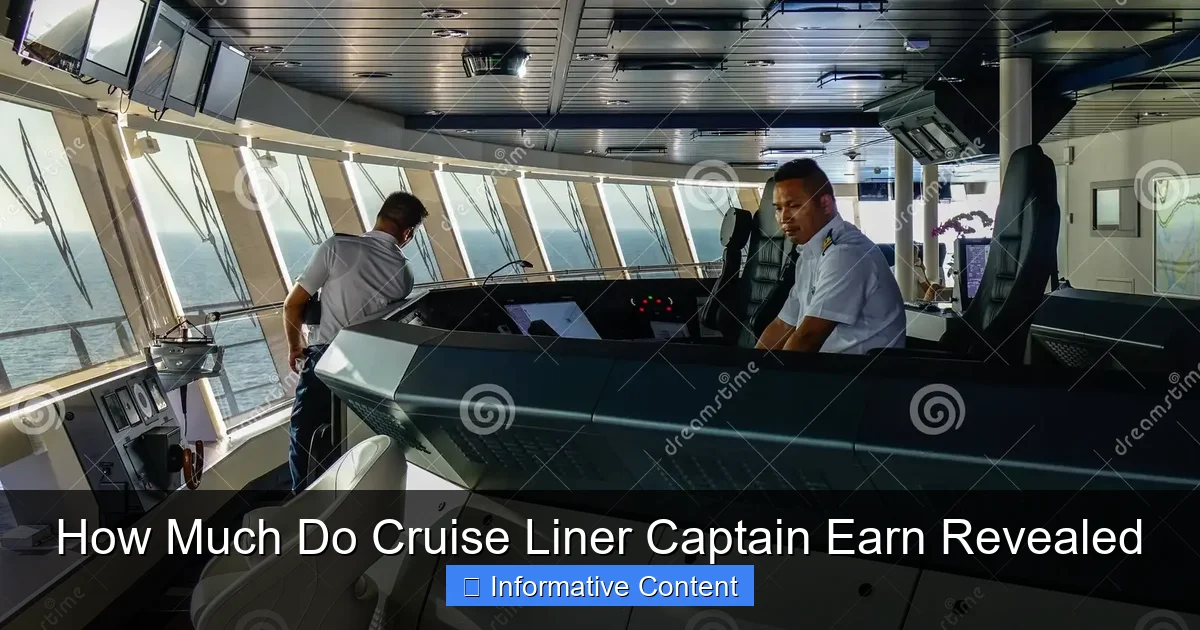
Visual guide about how much do cruise liner captain earn
Image source: thumbs.dreamstime.com
- Safety and navigation: Plotting courses, avoiding hazards, and ensuring compliance with international maritime laws.
- Emergency response: Leading drills, managing crises like medical emergencies or rough seas, and coordinating with coast guards.
- Crew management: Overseeing hundreds of crew members across departments, from deckhands to engineers and hospitality staff.
- Regulatory compliance: Handling paperwork, inspections, and audits from bodies like the IMO (International Maritime Organization).
- Passenger experience: While not directly managing guest services, the captain sets the tone for professionalism and safety, which directly impacts guest satisfaction.
I once spoke with Captain Elena, who spent 18 years working for Royal Caribbean. “People think we’re on vacation,” she laughed. “But I’m on duty 24/7. Even when I’m off the bridge, I’m thinking about weather patterns, fuel consumption, and port schedules. It’s a lifestyle, not just a job.”
Skills and Qualifications Needed
Becoming a cruise liner captain isn’t something you can do overnight. It requires years of training, hands-on experience, and constant learning. Here’s what it takes:
- Education: A degree from a maritime academy (e.g., U.S. Merchant Marine Academy, Warsash Maritime Academy) is typically required.
- Licensing: Captains must hold a Master Mariner license or equivalent, which involves passing rigorous exams and accumulating sea time (often 1,000+ days at sea).
- Experience: Most captains start as deckhands, then progress through ranks—Third Mate, Second Mate, Chief Mate—before earning the title of Captain. This can take 10–15 years.
- Soft skills: Leadership, communication, decision-making under pressure, and cultural awareness (since crew and passengers come from all over the world).
One former cruise line HR manager shared, “We don’t just look at credentials. We want someone who can handle a crisis calmly, inspire a team, and represent our brand with dignity. The pay reflects that responsibility.”
Factors That Influence a Cruise Liner Captain’s Salary
1. Cruise Line and Ship Size
Not all cruise ships are created equal—and neither are their captains’ paychecks. Larger, newer ships with higher passenger capacities (like Royal Caribbean’s Icon of the Seas or Carnival’s Mardi Gras) often pay more due to:
- Increased complexity of navigation (especially in crowded ports).
- More advanced technology (e.g., dynamic positioning systems, automated docking).
- Greater liability and insurance costs.
For example, a captain on a 6,000-passenger mega-ship might earn significantly more than one on a 2,000-passenger mid-sized vessel, even within the same company.
2. Years of Experience and Rank Progression
Like most careers, experience matters. A newly appointed captain with 10 years of sea time will likely earn less than someone with 20+ years. But it’s not just about time—it’s about reputation.
- Captains with flawless safety records and high guest satisfaction scores often get promoted to flagship vessels or special assignments (e.g., inaugural cruises).
- Those with expertise in specific regions (e.g., Alaska, Mediterranean) or vessel types (e.g., LNG-powered ships) may command higher salaries.
Captain Mark, who worked for Norwegian Cruise Line, told me, “My first captain’s role paid around $120,000. Ten years later, on a new ship with a bigger crew, it was closer to $200,000. But the stress level? That went up too.”
3. Geographic Region and Contract Terms
Salaries can vary based on where the ship is registered (flag state) and where it operates. For example:
- Captains on U.S.-flagged ships (rare but exist) may earn more due to higher labor standards.
- Ships registered in the Bahamas, Malta, or Panama often follow international pay scales, which can be competitive but with fewer local tax benefits.
- Some contracts include bonuses for completing long voyages or achieving safety milestones.
Also, many cruise lines offer rotational contracts
Here’s where the cruise captain’s compensation gets interesting. The base salary is just the start. Many receive: One captain mentioned, “The free travel is a huge perk. My wife and kids have seen more of the world than most people ever will. But it’s not all glamorous—when I’m on duty, I’m working, not sightseeing.” Let’s cut to the chase: How much do cruise liner captains earn? The numbers vary, but here’s a realistic breakdown based on industry reports, crew forums, and interviews with maritime professionals: These figures are based on data from sources like: Note: Salaries are typically tax-free or taxed lightly in many flag states, which increases take-home pay. For example, a captain earning $200,000 in the Bahamas may pay little to no income tax, compared to $200,000 in the U.S., where federal and state taxes could take 30–40%. While most major lines offer competitive salaries, some stand out for higher pay and better benefits: One captain joked, “I left a big line for a smaller one. Less money, but I get to spend more time with my kids. Sometimes, that’s worth more than a bonus.” Let’s be real: Being a cruise liner captain isn’t a 9-to-5 job. Most work on a rotational schedule—common models include: While “1 month off” sounds great, it’s not a vacation. It’s time to rest, handle personal matters, and prepare for the next contract. Many captains use this time for training, certifications, or family time—but it’s not paid leave beyond the base salary. Captain Elena shared, “I miss birthdays, anniversaries, holidays. My kids grew up with a dad who was always ‘on a ship.’ The money helps, but the emotional cost? That’s harder to measure.” Captains get the best cabin on the ship—usually a private suite with a balcony, sitting area, and direct access to the bridge. But it’s still on the ship. That means: Still, many captains love the lifestyle. “I get to see the world, meet amazing people, and live in luxury,” said Mark. “But I also have to be ready to handle a fire, a storm, or a missing passenger at any moment. It’s not for everyone.” Maritime mental health is a growing concern. Isolation, long hours, and high pressure can take a toll. Some cruise lines now offer: One captain admitted, “I didn’t realize how stressed I was until I took a month off. I was exhausted, anxious, and irritable. Now, I make time for therapy and mindfulness. It’s part of the job.” If you’re dreaming of commanding a cruise liner, here’s how to get there—without getting lost at sea: As one veteran captain put it: “This job pays well, but it’s not a golden ticket. It’s a calling. If you love the sea, leadership, and problem-solving, you’ll thrive. If you’re just in it for the money, you’ll burn out fast.” So, how much do cruise liner captains earn? The short answer: $120,000 to $350,000+ per year, depending on experience, ship size, cruise line, and bonuses. But the real story isn’t just about the numbers. It’s about a job that demands excellence, resilience, and constant vigilance. It’s about leading a team across oceans, navigating through storms (literal and metaphorical), and representing a brand to thousands of guests. It’s about living in a world of luxury—but always being on duty. And yes, the pay is competitive. But it’s not just a salary. It’s compensation for a life that few can sustain: one of sacrifice, adventure, and profound responsibility. If you’re considering this path, know this: The journey is long, the work is hard, and the rewards—financial and personal—are real. But as Captain Elena said, “When you see a sunrise from the bridge, with the ship cutting through the waves and the crew ready for another day… that’s when you know it’s all worth it.” The sea doesn’t care about your title or your paycheck. It only respects skill, courage, and leadership. And that’s what a cruise liner captain truly earns—not just a salary, but respect. Cruise liner captains typically earn between $80,000 and $250,000 per year, depending on experience, the cruise line, and ship size. Senior captains on luxury or large vessels often command salaries at the higher end of this range. Key factors include the captain’s years of experience, the size and prestige of the cruise line, and the vessel’s capacity. Additional perks like bonuses, profit-sharing, and free travel may also affect total compensation. Yes, cruise liner captains often earn more than cargo or ferry captains due to the complexity of managing large passenger ships and the higher revenue potential of cruise lines. The competitive nature of the industry also drives up wages. While cruise captains earn less than some offshore oil rig captains, they often surpass salaries of commercial ship captains. Their compensation is comparable to senior maritime executives, especially on luxury lines. Yes, many cruise lines offer captains free accommodations, meals, health insurance, and travel benefits for family members. Some also provide performance bonuses and retirement plans. Entry-level cruise captains or those on smaller ships may earn $60,000–$90,000 annually. With promotions and experience, earnings can rise significantly within 5–10 years.4. Bonuses, Perks, and Non-Monetary Benefits
Realistic Salary Ranges: What Cruise Liner Captains Actually Earn
Entry-Level vs. Experienced Captains
Annual Salary Estimates (USD)
Experience Level
Average Annual Salary
High-End (Flagship Ships, Top Lines)
Additional Perks/Bonuses
Entry-Level Captain (1–5 years)
$120,000 – $160,000
$180,000
+ $10k–$20k in bonuses
Mid-Career Captain (5–10 years)
$160,000 – $200,000
$220,000
+ $20k–$30k in bonuses, travel benefits
Senior/Chief Captain (10+ years)
$200,000 – $250,000
$300,000+
+ $30k–$50k in bonuses, private cabin, family travel
Captain on Mega-Ships (5,000+ passengers)
$220,000 – $280,000
$350,000
+ $40k+ in bonuses, high-profile assignments
Top-Paying Cruise Lines
Lifestyle and Work-Life Balance: The Hidden Costs
Time at Sea vs. Time at Home
Onboard Living Conditions
Mental Health and Support Systems
Tips for Aspiring Cruise Liner Captains
How to Build a Successful Maritime Career
1. Start Early and Be Patient
2. Network and Gain Visibility
3. Specialize and Stay Current
4. Consider the Trade-Offs
Final Thoughts: The Value of a Cruise Liner Captain
Frequently Asked Questions
How much do cruise liner captains earn annually?
What factors influence a cruise liner captain’s salary?
Do cruise liner captains earn more than other maritime captains?
How much do cruise liner captains earn compared to other high-paying maritime roles?
Are there additional benefits beyond the base salary for cruise captains?
How much do cruise liner captains earn in entry-level roles?