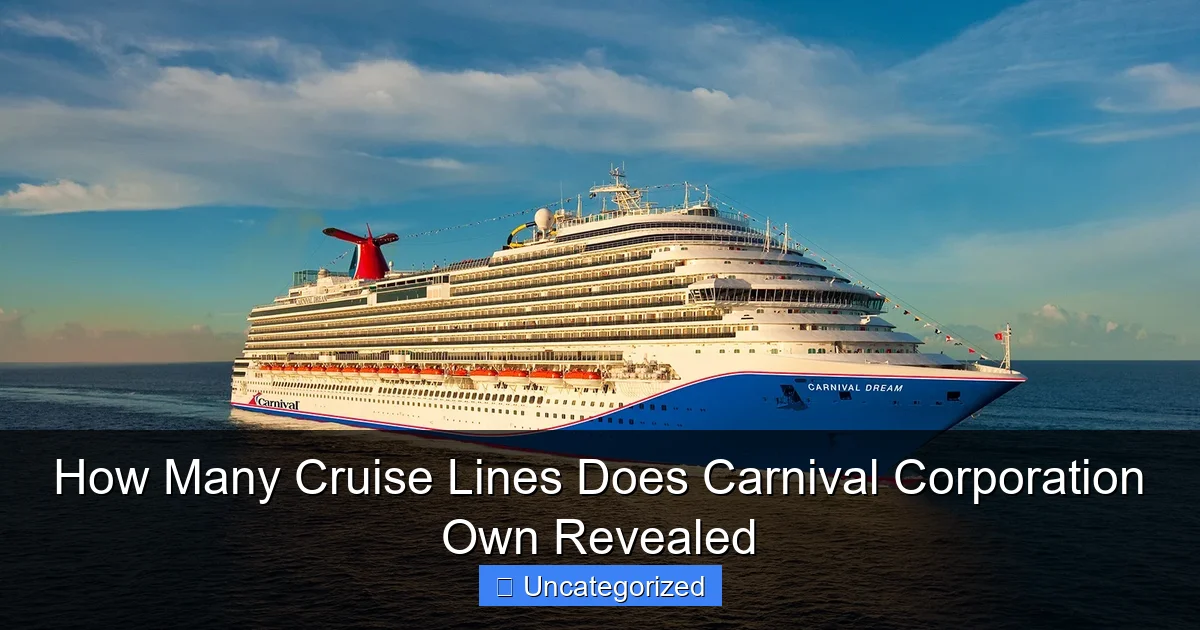
Featured image for how many cruise lines does carnival corporation own
Image source: thepointsguy.global.ssl.fastly.net
Carnival Corporation owns 9 major cruise lines, making it the world’s largest cruise company by fleet size and passenger capacity. This powerful portfolio includes well-known brands like Carnival Cruise Line, Princess Cruises, Holland America Line, and Costa Cruises, spanning diverse markets from budget-friendly to premium luxury.
Key Takeaways
- Carnival Corporation owns 9 major cruise lines, dominating the global market.
- Diverse brands cater to all budgets, from luxury to affordable cruising.
- Strategic acquisitions fuel growth, expanding their market reach worldwide.
- Each brand operates independently, preserving unique identities and customer bases.
- Over 90 ships sail under their fleet, offering vast vacation options.
- Investor opportunities abound with their multi-brand portfolio approach.
📑 Table of Contents
- How Many Cruise Lines Does Carnival Corporation Own Revealed
- The Evolution of Carnival Corporation: From Humble Beginnings to Global Dominance
- A Deep Dive into Carnival Corporation’s Cruise Line Portfolio
- The Business Strategy Behind Carnival’s Multi-Brand Model
- How Many Cruise Lines Does Carnival Corporation Own? The Full Count
- The Future of Carnival Corporation: Innovation, Sustainability, and Growth
- Conclusion: The Power of a Multi-Brand Empire
How Many Cruise Lines Does Carnival Corporation Own Revealed
When it comes to the world of cruising, few names carry as much weight as Carnival Corporation & plc. As the largest cruise company globally, Carnival Corporation is a powerhouse in the travel and hospitality industry, operating a vast fleet of ships across multiple brands. Whether you’re a first-time cruiser or a seasoned traveler, you’ve likely heard of iconic names like Carnival Cruise Line, Princess Cruises, or Holland America Line—but did you know they’re all part of the same corporate family? The sheer scale and diversity of Carnival Corporation’s portfolio can be staggering, with each brand catering to a unique market segment, from budget-friendly family vacations to ultra-luxury experiences. But just how many cruise lines does Carnival Corporation own? The answer is more intricate than you might think.
This blog post dives deep into the corporate structure, history, and global footprint of Carnival Corporation to reveal the full extent of its cruise line ownership. We’ll explore the evolution of the company, break down each brand in its portfolio, examine the business strategy behind its multi-brand model, and uncover what sets each cruise line apart. Whether you’re planning your next vacation, researching the cruise industry, or simply curious about one of the world’s most influential travel corporations, this comprehensive guide will provide you with everything you need to know. From the Caribbean to the Arctic, from budget to boutique, Carnival Corporation’s reach is truly global—and understanding its portfolio is key to making informed travel decisions.
The Evolution of Carnival Corporation: From Humble Beginnings to Global Dominance
The Founding and Early Years
Carnival Corporation’s story began in 1972, when Ted Arison founded Carnival Cruise Line with a single secondhand ship, the Mardi Gras. Originally a modest operation focused on affordable Caribbean cruises, the company quickly gained traction by offering fun, casual, and value-driven vacations. By the 1980s, Carnival had revolutionized the cruise industry by introducing “fun ships” with onboard entertainment, casinos, and family-friendly amenities—a stark contrast to the formal, traditional cruises of the era. This innovative approach helped Carnival grow rapidly, and by the 1990s, the company was ready to expand beyond its flagship brand.
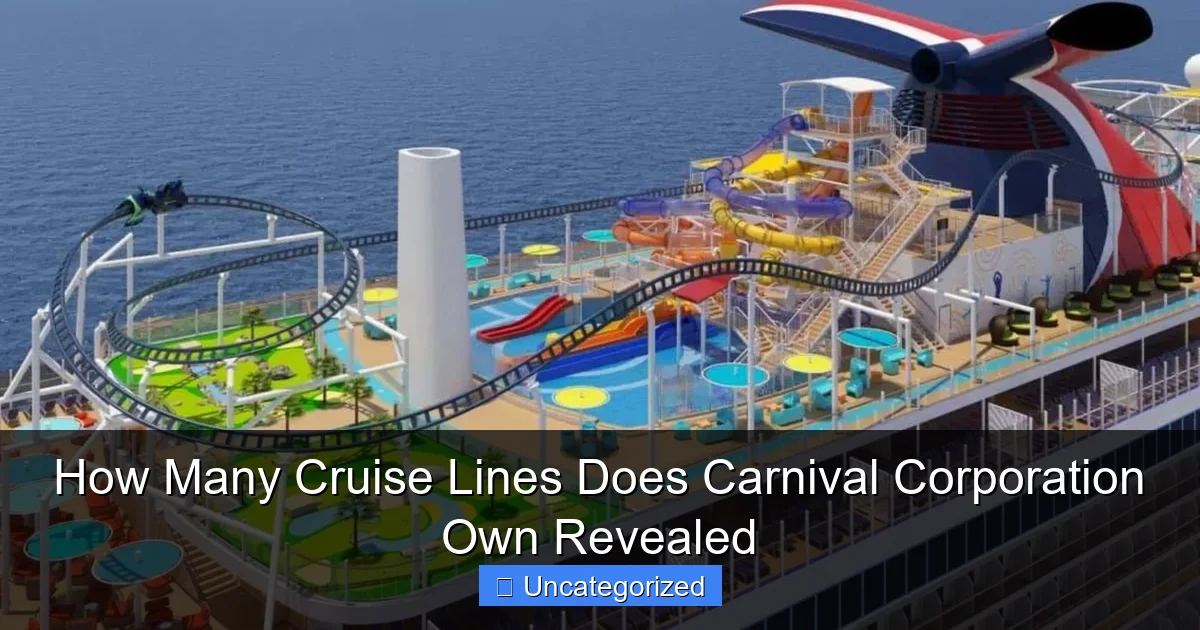
Visual guide about how many cruise lines does carnival corporation own
Image source: cruisingkids.co.uk
The turning point came in 1993 when Carnival Corporation went public on the New York Stock Exchange. This move provided the capital needed to begin acquiring other cruise brands, setting the stage for its transformation into a multi-brand conglomerate. The acquisition strategy was not just about growing fleet size—it was about capturing diverse market segments, geographic regions, and consumer preferences. Each new brand brought its own loyal customer base, operational expertise, and brand identity, allowing Carnival Corporation to dominate the global cruise market.
Strategic Expansion Through Acquisitions
Over the next two decades, Carnival Corporation executed a series of high-profile acquisitions, each carefully selected to fill a niche in its growing portfolio. In 1995, it acquired Holland America Line, a premium brand with a long history dating back to 1873. This gave Carnival access to the luxury and European markets. In 1997, it added Cunard Line, known for its transatlantic crossings and royal connections, further enhancing its premium offerings.
The most significant acquisition came in 2003 when Carnival Corporation merged with P&O Princess Cruises, creating the world’s largest cruise company. This $5.4 billion deal brought in major brands like Princess Cruises, Costa Cruises, and AIDA Cruises, instantly expanding Carnival’s presence in Europe, Asia, and the Pacific. The merger also created a dual-listed company structure—Carnival Corporation (based in the U.S.) and Carnival plc (based in the U.K.)—which remains in place today.
Key acquisitions timeline:
- 1995: Holland America Line
- 1997: Cunard Line
- 2000: Windstar Cruises
- 2003: P&O Princess Cruises (including Princess, Costa, AIDA)
- 2004: Seabourn Cruise Line
- 2016: Fathom (discontinued in 2017)
This expansion wasn’t just about size—it was about creating a diversified portfolio that could weather market fluctuations, appeal to different demographics, and maintain brand integrity while leveraging shared resources like technology, supply chains, and environmental initiatives.
A Deep Dive into Carnival Corporation’s Cruise Line Portfolio
Carnival Cruise Line: The Fun-Focused Mass Market Leader
As the flagship brand, Carnival Cruise Line remains the most recognizable name in the Carnival Corporation family. With over 25 ships and more on order, it caters to budget-conscious travelers and families seeking a fun, energetic vacation. Known for its “Fun Ships,” Carnival offers vibrant onboard entertainment, themed parties, water parks, and casual dining options. Ships like the Mardi Gras and Carnival Celebration feature the first roller coasters at sea (Bolt), highlighting the brand’s commitment to innovation.
Key features:
- Affordable pricing and frequent promotions
- Short-duration cruises (3–7 nights) to the Caribbean, Bahamas, and Mexico
- Family-friendly amenities and kids’ programs
- Casino, comedy clubs, and live music
For travelers looking for a lively, no-frills experience, Carnival Cruise Line is a top choice. It’s ideal for first-time cruisers, multigenerational groups, and those who prioritize fun over formality.
Princess Cruises: Premium Experience with Global Reach
Princess Cruises is Carnival Corporation’s premium brand, offering a more refined and elegant experience than Carnival. With 15 ships, it operates worldwide itineraries, including Alaska, Europe, Australia, and the South Pacific. Princess is known for its “MedallionClass” technology—a wearable device that enables contactless payments, room key access, and personalized service. The brand also emphasizes enrichment programs, such as cooking classes with celebrity chefs and partnerships with the Discovery Channel for onboard activities.
Key features:
- Longer itineraries (7–14+ days) and global destinations
- MedallionClass tech for enhanced guest experience
- Fine dining, Broadway-style shows, and enrichment lectures
- Popular with couples and older travelers
Princess Cruises strikes a balance between affordability and luxury, making it a favorite among travelers who want a step up from mass-market cruising without the ultra-luxury price tag.
Holland America Line: Tradition, Elegance, and Exploration
Founded in 1873, Holland America Line brings over 150 years of maritime tradition to Carnival Corporation’s portfolio. With 11 ships, it focuses on longer voyages, often 10–20 days, to destinations like Alaska, Northern Europe, and the Mediterranean. The brand is renowned for its classic ambiance, spacious staterooms, and exceptional service. Holland America also emphasizes cultural immersion, offering shore excursions led by local experts and onboard lectures by historians and naturalists.
Key features:
- Classic, elegant decor with a focus on comfort
- Longer itineraries and immersive shore excursions
- Partnerships with BBC Earth and Lincoln Center Stage
- Ideal for mature travelers and retirees
Holland America is perfect for cruisers who appreciate tradition, relaxation, and a slower pace of travel.
Cunard Line: The Epitome of Luxury and Heritage
Cunard Line, with its three iconic ships—Queen Mary 2, Queen Elizabeth, and Queen Victoria—is the crown jewel of Carnival Corporation’s luxury segment. Cunard is synonymous with transatlantic crossings, formal balls, and British elegance. The Queen Mary 2, the only true ocean liner still in service, offers the classic seven-day transatlantic journey from Southampton to New York, a tradition dating back to the 19th century.
Key features:
- Formal nights, black-tie dinners, and afternoon tea
- Transatlantic crossings and world cruises
- Onboard enrichment with guest speakers and cultural events
- Luxurious staterooms and exclusive suites
Cunard appeals to travelers seeking a refined, traditional cruise experience with a touch of royal heritage.
Other Key Brands: Costa, AIDA, Seabourn, and More
Beyond the core brands, Carnival Corporation owns several other lines that cater to regional and niche markets:
- Costa Cruises: Italy-based, with 11 ships serving the European and Chinese markets. Known for Italian cuisine, vibrant entertainment, and family-friendly activities.
- AIDA Cruises: Germany’s largest cruise line, with 14 ships. Focuses on casual, all-inclusive experiences with a party atmosphere, popular with younger German travelers.
- Seabourn Cruise Line: Ultra-luxury, all-suite ships with all-inclusive pricing. Offers intimate voyages to remote destinations, with personalized service and gourmet dining.
- P&O Cruises: UK-based brand with 7 ships, offering British-style cruising with a focus on regional itineraries and traditional service.
- Windstar Cruises: Small-ship luxury with 6 sailing yachts and power yachts. Known for its “180-degree from ordinary” philosophy, offering unique ports and a relaxed atmosphere.
The Business Strategy Behind Carnival’s Multi-Brand Model
Why Operate Multiple Brands?
Carnival Corporation’s multi-brand strategy is a masterclass in market segmentation and brand differentiation. By operating nine distinct cruise lines, the company avoids cannibalizing its own customer base. Instead, each brand targets a specific demographic, price point, and travel style. This approach allows Carnival to:
- Capture diverse markets: From budget (Carnival) to ultra-luxury (Seabourn), Carnival covers the entire spectrum of cruise pricing and experience.
- Minimize competition between brands: A family of four might choose Carnival, while their retired parents opt for Holland America or Cunard—all under the same corporate umbrella.
- Leverage shared resources: Back-office operations, IT systems, supply chains, and environmental initiatives are centralized, reducing costs and improving efficiency.
- Expand geographically: Brands like Costa and AIDA have deep roots in Europe, while Princess and Holland America dominate the North American market. This global footprint reduces reliance on any single region.
Brand Autonomy vs. Corporate Integration
While Carnival Corporation owns these brands, each operates with a high degree of autonomy. This means that onboard experiences, itineraries, and marketing remain distinct, preserving brand identity and customer loyalty. For example, Seabourn’s all-inclusive model and intimate ships are a world apart from Carnival’s fun-focused mega-ships. However, behind the scenes, Carnival provides shared support in areas like:
- Technology: MedallionClass tech is now being tested on other brands.
- Sustainability: All brands follow Carnival’s environmental goals, including LNG-powered ships and shore power usage.
- Procurement: Bulk purchasing of food, fuel, and supplies reduces costs across the fleet.
This balance of autonomy and integration is key to Carnival’s success. It allows brands to innovate and respond to market trends while benefiting from the scale and stability of a global corporation.
How Many Cruise Lines Does Carnival Corporation Own? The Full Count
As of 2024, Carnival Corporation owns nine cruise lines. This number has remained stable since the 2003 merger with P&O Princess Cruises, with only minor adjustments (like the discontinuation of Fathom in 2017). Here’s the complete list:
| Brand Name | Headquarters | Fleet Size (2024) | Market Segment | Key Feature |
|---|---|---|---|---|
| Carnival Cruise Line | USA | 25+ | Mass Market | Fun, family-friendly, affordable |
| Princess Cruises | USA | 15 | Premium | MedallionClass tech, global itineraries |
| Holland America Line | USA | 11 | Premium | Tradition, enrichment, longer voyages |
| Cunard Line | UK | 3 | Luxury | Transatlantic crossings, formal ambiance |
| Costa Cruises | Italy | 11 | Mass Market (Europe/Asia) | Italian flair, family-focused |
| AIDA Cruises | Germany | 14 | Mass Market (Germany) | All-inclusive, party atmosphere |
| Seabourn Cruise Line | USA | 6 | Ultra-Luxury | All-suite, all-inclusive, small ships |
| P&O Cruises | UK | 7 | Premium (UK) | British style, regional itineraries |
| Windstar Cruises | USA | 6 | Luxury | Sailing yachts, unique ports |
Total cruise lines: 9
Total fleet size: ~90 ships
Employees: Over 120,000 worldwide
Annual passengers: ~13 million
This portfolio gives Carnival Corporation a market share of over 50% in the global cruise industry, dwarfing competitors like Royal Caribbean Group and Norwegian Cruise Line Holdings.
The Future of Carnival Corporation: Innovation, Sustainability, and Growth
New Ships and Fleet Expansion
Carnival Corporation continues to invest heavily in new ships. As of 2024, it has over 20 new vessels on order across its brands, including:
- Carnival Jubilee (Carnival Cruise Line): LNG-powered, 180,000 GT, 2023 launch
- Sun Princess (Princess Cruises): First LNG-powered ship for the brand, 2024 launch
- Queen Anne (Cunard Line): Newest ocean liner, 2024 launch
- Seabourn Pursuit (Seabourn): Expedition yacht, 2023 launch
These new ships feature cutting-edge design, improved fuel efficiency, and enhanced guest experiences, ensuring Carnival remains competitive in a rapidly evolving industry.
Sustainability and Environmental Initiatives
Carnival Corporation has committed to achieving net-zero emissions by 2050. Key initiatives include:
- LNG-powered ships (reducing sulfur and particulate emissions)
- Shore power connections to reduce port emissions
- Advanced wastewater treatment systems
- Partnerships with environmental organizations like the World Wildlife Fund
The company is also investing in carbon offset programs and exploring alternative fuels like biofuels and hydrogen.
Digital Transformation and Guest Experience
From MedallionClass to app-based services, Carnival is at the forefront of cruise tech. Upcoming innovations include:
- AI-powered concierge services
- Enhanced virtual reality shore excursions
- Personalized itinerary planning tools
These advancements aim to create seamless, stress-free vacations for guests while streamlining operations.
Conclusion: The Power of a Multi-Brand Empire
So, how many cruise lines does Carnival Corporation own? The answer is nine—a carefully curated portfolio that spans the entire cruise spectrum, from budget-friendly fun to ultra-luxury elegance. This multi-brand strategy has allowed Carnival to dominate the global cruise industry, offering something for every traveler, every budget, and every destination. Whether you’re sipping afternoon tea on the Queen Mary 2, riding a roller coaster on a Carnival “Fun Ship,” or exploring remote islands with Windstar, you’re experiencing the breadth and depth of Carnival Corporation’s reach.
Beyond the numbers, Carnival’s success lies in its ability to balance brand autonomy with corporate efficiency, innovation with tradition, and growth with sustainability. As the company continues to invest in new ships, technology, and environmental initiatives, its influence on the cruise industry will only grow stronger. For travelers, this means more choices, better experiences, and unforgettable adventures on the high seas—all under the umbrella of one of the world’s most powerful travel corporations. So next time you’re planning a cruise, remember: behind every brand name is the vast, dynamic empire of Carnival Corporation, shaping the future of ocean travel one voyage at a time.
Frequently Asked Questions
How many cruise lines does Carnival Corporation own?
Carnival Corporation owns 9 major cruise line brands, including Carnival Cruise Line, Princess Cruises, Holland America Line, and others. These brands operate globally, offering diverse vacation experiences under one corporate umbrella.
Which popular cruise lines are part of Carnival Corporation?
Key brands under Carnival Corporation include Carnival Cruise Line, Princess Cruises, Holland America Line, Seabourn, Costa Cruises, AIDA Cruises, P&O Cruises (UK and Australia), Cunard Line, and Fathom. Each caters to different markets and traveler preferences.
Does Carnival Corporation own luxury cruise lines?
Yes, Carnival Corporation owns Seabourn and Cunard Line, which focus on luxury and premium travel experiences. Seabourn specializes in ultra-luxury small-ship cruising, while Cunard offers iconic transatlantic voyages and upscale amenities.
How does Carnival Corporation’s portfolio compare to competitors?
With 9 brands, Carnival Corporation has the largest cruise line portfolio in the world, surpassing competitors like Royal Caribbean Group (3 brands). Its diverse range allows it to serve mass-market, premium, and luxury travelers.
Are all Carnival Corporation-owned cruise lines based in the U.S.?
No, while Carnival is headquartered in Miami, its brands operate globally. For example, AIDA Cruises serves German-speaking markets, and Costa Cruises is Italy-based. Each brand maintains regional identities and itineraries.
Has Carnival Corporation added new cruise lines recently?
Carnival Corporation hasn’t launched new brands recently but acquired existing ones, like Costa Cruises and P&O Cruises. Its last major addition was Fathom (2016), though it paused operations in 2017 to refocus on core brands.