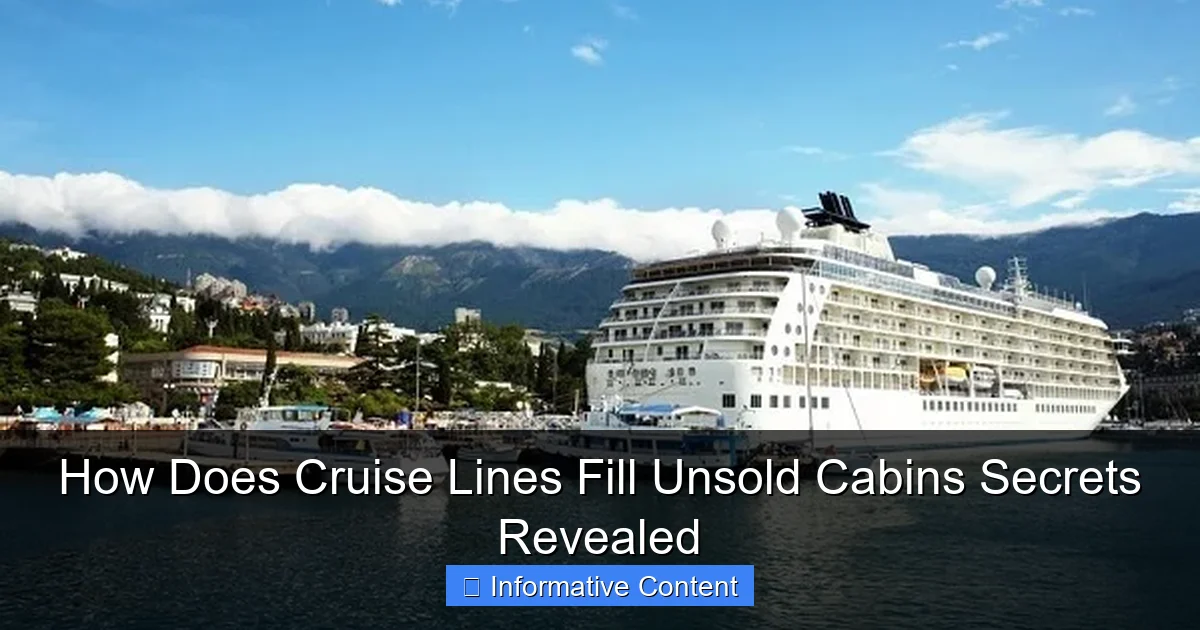
Featured image for how does cruise lines fill unsold cabins
Image source: savbe.com
Cruise lines use dynamic pricing and last-minute deals to fill unsold cabins, slashing prices days before departure to maximize occupancy. They also partner with travel agents, offer free upgrades, and auction off cabins to loyal customers or through third-party sites. These tactics ensure ships sail full—even if it means cutting rates by 50% or more at the last minute.
Key Takeaways
- Dynamic pricing slashes cabin rates days before departure to attract last-minute bookings.
- Loyalty perks offer past cruisers exclusive deals to fill empty cabins fast.
- Group discounts incentivize bulk bookings from corporate or event planners.
- Upgrade auctions sell unsold premium cabins at lower prices post-booking.
- Travel agent partnerships leverage third-party promotions to boost occupancy rates.
- Repositioning cruises slash prices when ships relocate to new regions.
📑 Table of Contents
- The Hidden World of Unsold Cabins
- 1. Dynamic Pricing: The Art of Last-Minute Discounts
- 2. Travel Agent Partnerships: The Secret Network
- 3. Free Upgrades and Incentives: The “Free” Trap
- 4. Last-Minute Charters and Group Bookings
- 5. Loyalty Programs and Past Passenger Perks
- 6. The Role of Social Media and Viral Marketing
- Data Snapshot: Cruise Line Fill Rates and Strategies
- The Bottom Line: How to Use These Secrets
The Hidden World of Unsold Cabins
Imagine boarding a massive cruise ship, excited for your vacation, only to find out that half the cabins are empty. It sounds like a dream, right? But for cruise lines, unsold cabins are a nightmare. They’re like a restaurant with empty tables during dinner rush—it’s lost revenue that can’t be recovered. The truth is, cruise lines don’t just accept these empty cabins. Instead, they deploy clever strategies to fill them before the ship sets sail. And if you’ve ever scored a last-minute cruise deal, you’ve likely benefited from one of these tactics.
But how exactly do cruise lines manage to turn empty cabins into paying passengers? It’s not as simple as lowering prices and hoping for the best. There’s a whole playbook of strategies, from dynamic pricing to partnerships with travel agents. In this guide, I’ll pull back the curtain on how cruise lines fill unsold cabins—and how you can use this knowledge to save big on your next cruise. Whether you’re a budget-conscious traveler or just curious about the industry’s secrets, this post will give you the inside scoop.
1. Dynamic Pricing: The Art of Last-Minute Discounts
One of the most powerful tools cruise lines use to fill unsold cabins is dynamic pricing. Unlike fixed pricing, where rates stay the same until departure, dynamic pricing adjusts based on demand, time, and other factors. Think of it like a seesaw—when demand is low, prices drop to attract more buyers. When demand is high, prices rise to maximize revenue.
Visual guide about how does cruise lines fill unsold cabins
Image source: theanswerguide.com
How Dynamic Pricing Works
Cruise lines use sophisticated algorithms to monitor cabin inventory and adjust prices in real-time. For example:
- If a ship has 500 unsold cabins six weeks before departure, the system might automatically drop prices by 20% to spark interest.
- If bookings suddenly spike (maybe due to a viral TikTok video about the cruise), prices might rise just as quickly.
Royal Caribbean, for instance, is known for its aggressive dynamic pricing. A balcony cabin that costs $2,000 six months before sailing might be available for $1,200 just two weeks before departure—if demand is low.
Tips to Score Dynamic Pricing Deals
- Be flexible with dates: The closer you are to the departure date, the more likely you are to find discounts. Just don’t wait too long—some sailings sell out even at the last minute.
- Set price alerts: Use tools like CruiseSheet or VacationsToGo to monitor price drops for your desired route.
- Book a “guarantee” cabin: Some cruise lines let you book a cabin category without choosing the exact room. You might get a free upgrade if your assigned cabin is better than expected.
Pro tip: If you’re booking a cruise for a group, dynamic pricing can be a double-edged sword. While you might save money, you could also miss out on early-bird perks like free onboard credit or dining packages. Weigh the pros and cons before deciding.
2. Travel Agent Partnerships: The Secret Network
Travel agents aren’t just relics of the past—they’re a crucial part of how cruise lines fill unsold cabins. In fact, about 70% of all cruise bookings go through agents or online travel agencies (OTAs) like Expedia or Costco Travel. Why? Because these partners have access to exclusive deals and can move inventory fast.
How Cruise Lines Work with Agents
Cruise lines give agents special incentives to sell unsold cabins. For example:
- Commission boosts: If a sailing is underbooked, the cruise line might increase the agent’s commission from 10% to 15%, giving them a bigger incentive to push that itinerary.
- Group allocations: Agents can reserve blocks of cabins at discounted rates, then resell them to their clients. This guarantees the agent a profit even if they offer a lower price to travelers.
- Last-minute flash sales: Some agents get 24-hour exclusive access to discounted cabins before they’re released to the public.
For example, a travel agent might offer you a seven-night Caribbean cruise for $599—a deal that’s not advertised on the cruise line’s website. That’s because the agent bought a block of cabins in bulk and is passing the savings on to you.
How to Leverage Agent Deals
- Build relationships with local agents: A good agent will know about unpublished deals and can alert you to price drops.
- Use OTA loyalty programs: Sites like Costco Travel offer members-only pricing and perks like free breakfasts or spa credits.
- Ask about “cruise-only” deals: Some agents specialize in selling cruises without airfare, which can save you money if you live near a port.
One caveat: Not all agents are created equal. Look for ones with certifications like ACC (Accredited Cruise Counselor) or Master Cruise Counselor (MCC) to ensure they’re knowledgeable and trustworthy.
3. Free Upgrades and Incentives: The “Free” Trap
Have you ever booked a cruise and been offered a “free balcony upgrade” or “free specialty dining”? Sounds amazing, right? But here’s the catch: These “free” perks are often a strategy to fill unsold premium cabins. The cruise line knows that if you’re already paying for an oceanview room, you’re more likely to book if they “upgrade” you to a balcony—even if the balcony cabin was empty all along.
How Free Upgrades Work
Let’s say a cruise line has 200 balcony cabins that aren’t selling. Instead of lowering the price, they might:
- Offer a “free balcony upgrade” to anyone booking an oceanview cabin.
- Bundle the balcony cabin with perks like free Wi-Fi or a drink package to make it more appealing.
- Use the upgrade as a bargaining chip in negotiations with travel agents.
Norwegian Cruise Line, for example, frequently runs promotions like “Free at Sea,” where you get perks like free drinks, shore excursions, or even airfare—but only if you book a balcony or suite. The catch? These perks often come with restrictions, like limited drink choices or blackout dates for airfare.
Are Free Upgrades Worth It?
- Yes, if: You were already considering a balcony or suite, and the perks align with your needs (e.g., you love specialty dining).
- No, if: The “free” perk is something you won’t use (like a spa credit if you don’t plan to get a massage).
Always read the fine print. Some “free” upgrades are actually price-matched deals, meaning the cruise line is just lowering the balcony price to match the oceanview rate. In that case, you’re not getting anything “free”—you’re just paying the same for a better room.
4. Last-Minute Charters and Group Bookings
When all else fails, cruise lines turn to charters and group bookings to fill unsold cabins. This is common for sailings that are struggling to sell out, especially on repositioning cruises (ships moving from one region to another) or during off-peak seasons.
How Charters Work
A charter is when a third party (like a company, organization, or event planner) rents the entire ship or a large block of cabins. The cruise line gives them a discounted rate, and the charterer sells or assigns the cabins to their members. For example:
- A tech company might charter a cruise for a corporate retreat, offering employees a discounted rate.
- A music festival might partner with a cruise line to create a “floating festival,” selling tickets that include both the concert and a cabin.
Disney Cruise Line, for instance, has done charters for events like the D23 fan convention. These deals are great for the cruise line because they guarantee revenue, even if the charterer sells the cabins at a lower price.
Group Bookings: A Win-Win
Even if you’re not chartering an entire ship, booking as part of a group can help fill unsold cabins. Cruise lines often offer group discounts for:
- Family reunions or weddings
- Corporate events or conferences
- Club or association trips (e.g., a photography group or book club)
The key is to book early—most cruise lines require a minimum of 10-16 cabins to qualify for group pricing. But if you’re flexible, you might be able to join an existing group and still get a discounted rate.
5. Loyalty Programs and Past Passenger Perks
If you’ve cruised before, you’ve probably been bombarded with emails about “exclusive offers” for past guests. That’s because cruise lines really want you to book again—and they’re willing to offer perks to make it happen.
How Loyalty Programs Fill Unsold Cabins
Cruise lines like Carnival, Princess, and Holland America use loyalty programs to:
- Offer past guests early access to last-minute deals.
- Provide free onboard credits, discounts, or free upgrades to loyal customers.
- Create “past passenger only” sailings with special perks like meet-and-greets with the captain.
For example, Royal Caribbean’s Crown & Anchor Society offers members discounts on unsold cabins during “Flash Sales” that aren’t advertised to the public. If you’re a Diamond-level member, you might even get a free upgrade or a waived gratuity fee.
How to Maximize Loyalty Perks
- Join the program early: Most cruise lines let you join before your first sailing, so you can start earning points right away.
- Check your email regularly: Past passenger deals are often time-sensitive and can disappear in hours.
- Ask about “loyalty upgrades”: Even if you’re not booking a suite, you might be able to upgrade to a better cabin for a small fee.
One thing to note: Loyalty programs aren’t always the best deal. Sometimes, a public last-minute sale will be cheaper than the “exclusive” offer for past guests. Always compare prices before booking.
6. The Role of Social Media and Viral Marketing
In today’s world, a single viral post can fill a ship overnight. Cruise lines know this, and they’re using social media to target unsold cabins like never before.
How Cruise Lines Use Social Media
Here’s how it works:
- Targeted ads: If a sailing has 100 unsold cabins, the cruise line might run Facebook ads targeting people who’ve searched for similar vacations.
- Influencer partnerships: They’ll invite travel bloggers or TikTokers to experience the cruise and share their trip with followers.
- “Mystery cruise” promotions: Some lines sell cabins where the destination is a surprise until you board—a tactic that creates buzz and fills last-minute inventory.
Celebrity Cruises, for example, partnered with TikTok influencers for its “Edge Series” ships, resulting in a 30% increase in bookings for underperforming sailings.
How You Can Benefit
- Follow cruise lines on social media: They often post flash sales or exclusive deals for followers.
- Join cruise-related Facebook groups: Members often share unadvertised deals or group bookings.
- Be ready to act fast: Social media deals can sell out in minutes.
Data Snapshot: Cruise Line Fill Rates and Strategies
| Cruise Line | Avg. Fill Rate | Primary Strategy | Example of Unsold Cabin Deal |
|---|---|---|---|
| Royal Caribbean | 95% | Dynamic pricing + loyalty perks | 7-night Caribbean cruise for $499 (normally $999) |
| Norwegian Cruise Line | 90% | Free upgrades + group discounts | Free balcony upgrade + drink package |
| Carnival | 92% | Last-minute charters + social media | 5-night Bahamas cruise for $299 (TikTok exclusive) |
| Princess Cruises | 88% | Travel agent partnerships | 10% off + $100 onboard credit (agent-only deal) |
The Bottom Line: How to Use These Secrets
Now that you know how cruise lines fill unsold cabins, here’s how to turn this knowledge into savings:
- Be flexible: The closer to departure, the better the deals—but don’t wait too long.
- Work with a travel agent: They have access to unpublished discounts.
- Join loyalty programs: Even if you’re a first-time cruiser, you can start earning points.
- Monitor social media: Flash sales and influencer deals can save you hundreds.
Remember, the goal isn’t to get the “cheapest” cruise—it’s to get the best value for your money. Whether that means a free upgrade, a discounted rate, or exclusive perks, the key is to stay informed and act fast. Happy cruising!
Frequently Asked Questions
How do cruise lines fill unsold cabins at the last minute?
Cruise lines often use last-minute discounts, flash sales, and exclusive promotions to fill unsold cabins. They may also partner with travel agencies or loyalty programs to offer steep markdowns to fill empty berths before departure.
What strategies do cruise lines use to avoid empty cabins?
To avoid empty cabins, cruise lines leverage dynamic pricing, upgrade incentives, and “buy one, get one free” deals. They also offer free perks like onboard credits or drink packages to entice last-minute bookings.
Do cruise lines give unsold cabins to crew or staff?
Yes, some cruise lines allocate unsold cabins to crew members or corporate staff as part of their benefits. However, these cabins are typically offered only after all commercial efforts to fill them have failed.
How does cruise lines fill unsold cabins using partnerships?
Cruise lines collaborate with travel agencies, airlines, and even credit card companies to sell unsold inventory through bundled deals. These partnerships help them reach niche audiences who might not book directly.
Are unsold cabins ever donated or given away?
Occasionally, cruise lines donate unsold cabins to charities, emergency relief workers, or influencers for promotional purposes. This strategy helps maintain goodwill while indirectly marketing the cruise.
Why don’t cruise lines just lower prices earlier to fill cabins?
Cruise lines use data analytics to predict demand and adjust pricing dynamically. Lowering prices too early can devalue the product, so they wait until the optimal time to maximize revenue without underselling.