Featured image for could norwegian cruise lines go bust
Image source: oceanblissjourneys.com
Norwegian Cruise Line (NCL) faces significant financial strain due to massive pandemic-era debt and rising operational costs, sparking real concerns about its long-term survival. While the company has avoided bankruptcy so far through refinancing and asset sales, ongoing challenges like fluctuating travel demand and high interest rates keep the threat of collapse on the horizon for investors and passengers alike.
Key Takeaways
- Norwegian Cruise Lines faces financial strain but has strong liquidity buffers.
- Monitor debt levels—high leverage increases bankruptcy risk if bookings drop.
- New ship orders could strain cash flow; watch for cancellations or delays.
- Book with confidence—cruises are protected if the company collapses.
- Investors should track Q3/Q4 earnings for signs of recovery or decline.
📑 Table of Contents
- The Unthinkable Question: Could Norwegian Cruise Lines Go Bust?
- Understanding Norwegian Cruise Line’s Financial Health
- Industry-Wide Pressures That Could Trigger a Collapse
- Signs That Norwegian Cruise Line Might Be in Trouble
- How Passengers Can Protect Themselves
- What a Bankruptcy Would Mean for Passengers and Investors
- Data Table: Norwegian Cruise Line Financial Snapshot (2021–2023)
- Conclusion: Is Norwegian Cruise Line Doomed?
The Unthinkable Question: Could Norwegian Cruise Lines Go Bust?
Imagine planning a dream vacation—white sandy beaches, gourmet dining, and Broadway-style shows—only to discover the cruise line you booked with has filed for bankruptcy. For many travelers, this scenario sounds like a worst-case nightmare. Yet, as the global economy faces inflation, fluctuating consumer demand, and rising operational costs, the question of whether major cruise operators like Norwegian Cruise Line (NCL) could go bust has become more than just a passing thought. With the cruise industry still recovering from the devastating impacts of the COVID-19 pandemic, concerns about financial stability have resurfaced, especially as debt loads, interest rates, and fuel prices continue to climb.
Norwegian Cruise Line Holdings Ltd. (NCLH), the parent company of Norwegian Cruise Line, Oceania Cruises, and Regent Seven Seas Cruises, is one of the “Big Three” cruise companies globally, alongside Carnival Corporation and Royal Caribbean Group. But size doesn’t guarantee immunity. In fact, during the pandemic, NCLH reported over $14 billion in debt and had to rely on government loans, private equity, and massive equity raises to stay afloat. While the company has made a strong comeback in terms of bookings and revenue, lingering financial vulnerabilities, market competition, and macroeconomic risks mean that the possibility—however remote—of a financial collapse cannot be entirely dismissed. This article explores the key factors that could lead Norwegian Cruise Lines to go bust, the signs to watch for, and what passengers and investors need to know to protect themselves.
Understanding Norwegian Cruise Line’s Financial Health
Debt Load and Liquidity Position
One of the most critical indicators of a company’s financial health is its debt-to-equity ratio and liquidity position. As of Q1 2023, Norwegian Cruise Line Holdings reported a total debt of approximately $13.8 billion, down from a peak of over $15 billion in 2022. While this reduction reflects progress, it still represents a significant burden. The company’s net leverage ratio (debt-to-EBITDA) stood at around 7.5x, which is high compared to pre-pandemic levels of 3–4x. For context, a leverage ratio above 6x is generally considered risky, especially in a capital-intensive industry like cruise shipping.
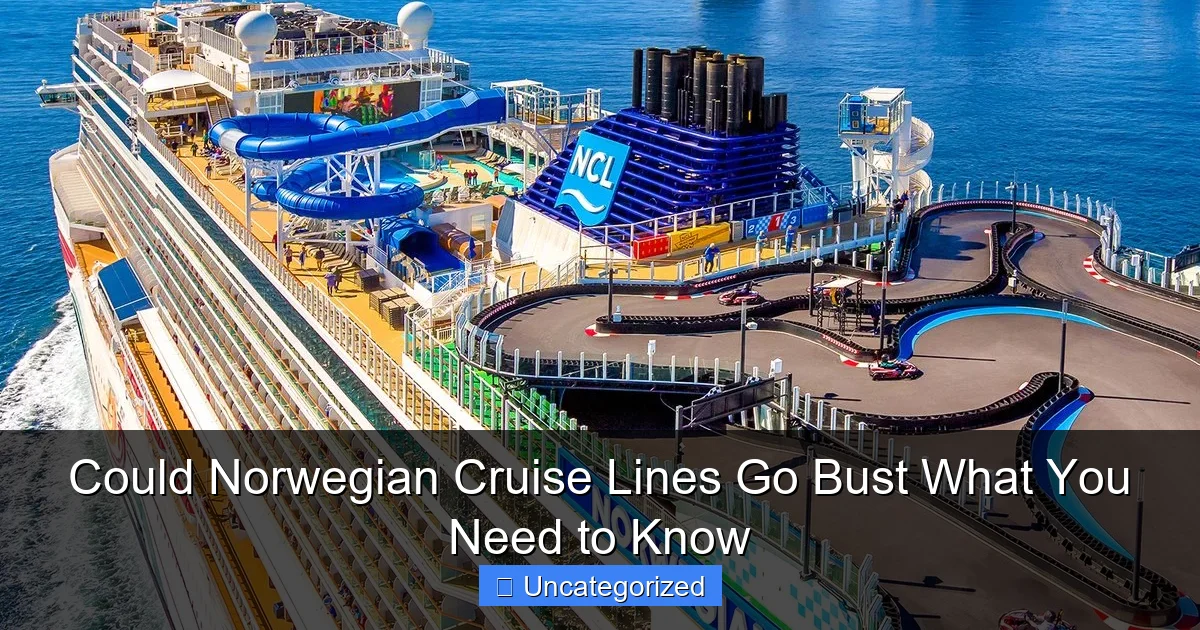
Visual guide about could norwegian cruise lines go bust
Image source: cruisefever.net
Despite this, NCLH has improved its liquidity. In 2023, the company held $1.8 billion in unrestricted cash and $2.5 billion in total liquidity, up from $900 million in 2021. This was achieved through a combination of debt refinancing, asset sales (including older ships), and strong post-pandemic demand. However, liquidity can evaporate quickly if demand softens or if interest rates remain elevated, increasing the cost of servicing debt.
Revenue Recovery and Booking Trends
Norwegian Cruise Line has seen a robust recovery in bookings. In 2023, the company reported record-breaking revenue of $8.5 billion, surpassing 2019 levels by 12%. Occupancy rates reached 104% (accounting for double occupancy), and average ticket prices rose by 25% compared to 2019, driven by premium pricing on new ships and enhanced onboard experiences.
However, this recovery is not guaranteed to continue. Consumer spending is highly sensitive to economic conditions. A recession, rising unemployment, or a spike in inflation could cause travelers to delay or cancel vacations. For example, in Q4 2023, NCLH reported a slight decline in advance bookings for 2024, attributed to “macroeconomic uncertainty” and “higher airfares.” While not a red flag yet, it’s a trend worth monitoring.
Interest Rate Sensitivity
With $13.8 billion in debt, a significant portion of which is variable-rate, Norwegian Cruise Line is highly exposed to interest rate hikes. The U.S. Federal Reserve raised rates aggressively from 2022 to 2023, pushing the benchmark rate to 5.25–5.50%. This directly increases NCLH’s interest expenses. In 2023, the company paid $850 million in interest—up 40% from 2022. If rates remain high or climb further, this could strain cash flow and limit funds available for fleet modernization or marketing.
Industry-Wide Pressures That Could Trigger a Collapse
High Fixed Costs and Low Margins
The cruise industry is infamous for its high fixed costs and thin profit margins. Operating a single cruise ship can cost $100,000 to $300,000 per day, covering fuel, crew, maintenance, port fees, and insurance. Even when a ship is at sea, costs remain high. Norwegian Cruise Line operates a fleet of 29 ships, meaning daily operating expenses can exceed $5 million—even if occupancy is below 80%.
Moreover, cruise lines operate on razor-thin margins. In 2023, NCLH reported a net profit margin of just 4.8%, compared to 10–15% for airlines or hotel chains. This means a small drop in revenue—say, 5–10%—can quickly turn profits into losses. For example, during the 2020 pandemic, NCLH’s revenue dropped by 70%, leading to a $4.5 billion net loss. A similar shock today, even if smaller, could be catastrophic.
Fuel Price Volatility
Fuel is the second-largest expense after labor, accounting for 15–20% of operating costs. In 2022, bunker fuel prices surged to over $700 per metric ton due to the Ukraine war, increasing NCLH’s fuel bill by 50%. While prices have since moderated to around $500–600, they remain volatile. A new geopolitical crisis or supply disruption could send prices soaring again.
Norwegian Cruise Line has taken steps to mitigate this risk. It has invested in LNG (liquefied natural gas)-powered ships like the Norwegian Prima and Norwegian Viva, which reduce fuel consumption by 20–30%. However, these ships represent only a small fraction of the fleet. Most vessels still rely on conventional marine diesel, leaving the company exposed to price swings.
Regulatory and Environmental Compliance Costs
The cruise industry faces increasing regulatory scrutiny. The International Maritime Organization (IMO) has mandated a 40% reduction in carbon emissions by 2030 and a 50% reduction by 2050. To comply, cruise lines must invest in alternative fuels, carbon capture, and shore power connections. Norwegian Cruise Line has pledged to achieve net-zero emissions by 2050, but the path is expensive.
For example, retrofitting a single ship to use LNG can cost $100–200 million. Building a new LNG-powered vessel costs $1.2–1.5 billion—30–50% more than a conventional ship. These investments strain capital budgets. If NCLH cannot secure low-cost financing or government grants, it may delay fleet upgrades, risking regulatory fines or losing customers to greener competitors.
Geopolitical and Health Risks
Beyond economics, cruise lines face non-financial risks. A major health outbreak (e.g., norovirus, COVID-19) could lead to port closures, itinerary changes, and reputational damage. Similarly, geopolitical tensions in key regions (e.g., the Red Sea, Caribbean, Mediterranean) could disrupt sailing routes. In 2023, NCLH had to reroute several cruises due to Houthi attacks in the Red Sea, increasing fuel costs and reducing customer satisfaction.
Signs That Norwegian Cruise Line Might Be in Trouble
Declining Credit Ratings
Credit rating agencies like Moody’s and S&P provide early warnings of financial distress. As of 2023, Moody’s rates NCLH’s debt as “B1” (speculative/junk), while S&P assigns a “B+” rating. Both are below investment grade. A downgrade to “Caa” or “CCC” would signal severe stress and could trigger loan covenants, forcing asset sales or emergency financing.
For example, in 2020, Moody’s downgraded NCLH to “Caa1” after the pandemic hit. The company narrowly avoided default by raising $3 billion in new equity and debt. If another crisis hits, the market may not be as forgiving.
Fleet Sales and Charter Cancellations
Selling older ships to raise cash is a common tactic during financial stress. In 2021, NCLH sold three older ships (e.g., Norwegian Joy) to reduce debt. If the company starts selling newer vessels or cancels long-term charters (e.g., leasing ships to third parties), it could indicate deeper trouble.
Similarly, canceling newbuild orders is a red flag. In 2020, NCLH deferred delivery of two ships due to financial constraints. If the company delays or cancels future deliveries (e.g., the Norwegian Luna, scheduled for 2026), it may be prioritizing short-term survival over long-term growth.
Negative Cash Flow and Dividend Suspensions
Positive operating cash flow is essential for servicing debt and funding growth. In 2023, NCLH generated $2.1 billion in operating cash flow—up from a $1.2 billion deficit in 2021. However, free cash flow (after capital expenditures) was only $300 million. If free cash flow turns negative, the company may need to borrow more or issue equity, diluting shareholders.
Another warning sign: dividend suspensions. NCLH suspended its dividend in 2020 and has not reinstated it. If the company announces further dividend cuts or halts share buybacks, it could signal that cash is being hoarded to cover debt obligations.
Management Changes and Executive Exits
Frequent CEO or CFO turnover can indicate internal instability. In 2020, Frank Del Rio, the long-time CEO of NCLH, announced his retirement (though he later returned). In 2023, the CFO stepped down. While leadership changes are normal, multiple high-profile exits in a short period could reflect disagreements over strategy or financial distress.
How Passengers Can Protect Themselves
Book with a Travel Agent or Credit Card
If Norwegian Cruise Line were to go bust, passengers with direct bookings could face significant losses. However, there are ways to mitigate risk:
- Use a credit card: Most credit cards (e.g., Visa, Mastercard, American Express) offer chargeback protection for undelivered services. If your cruise is canceled, you can dispute the charge and get a full refund.
- Book through a travel agent: Reputable travel agencies (e.g., Expedia, Costco Travel) often act as intermediaries and may offer additional protection. Some agencies have partnerships with travel insurance providers or offer their own guarantees.
- Choose refundable fares: While more expensive, refundable cruise packages allow you to cancel for a full refund up to 45–60 days before departure.
Buy Comprehensive Travel Insurance
Standard cruise insurance may not cover “company insolvency,” but some providers offer specific coverage for this risk. Look for policies that include:
- Financial default protection: Covers non-refundable expenses if the cruise line goes bankrupt.
- Trip interruption insurance: Reimburses costs if your cruise is canceled mid-voyage.
- Cancel for Any Reason (CFAR): Allows cancellation for any reason (e.g., fear of bankruptcy) with 75–100% reimbursement.
Example: Allianz Travel Insurance offers a “Financial Default” add-on for an additional fee. Squaremouth and InsureMyTrip allow you to compare policies with insolvency coverage.
Monitor Company News and Financial Reports
Passengers should stay informed about NCLH’s financial health. Key sources include:
- Quarterly earnings reports (available on NCLH’s investor relations website)
- SEC filings (e.g., 10-Q, 10-K)
- News from financial outlets (e.g., Bloomberg, Reuters)
- Credit rating updates from Moody’s or S&P
If you see headlines about “debt refinancing,” “asset sales,” or “credit downgrades,” consider rebooking or purchasing extra insurance.
Consider Smaller or More Stable Alternatives
If you’re concerned about NCL’s financial stability, consider booking with cruise lines that have stronger balance sheets. For example:
- Royal Caribbean Group: Lower debt-to-EBITDA ratio (5.2x) and higher credit rating (Baa3).
- Carnival Corporation: Larger cash reserves and more diversified brand portfolio.
- Small luxury lines (e.g., Silversea, Seabourn): Often backed by deep-pocketed parent companies (e.g., Royal Caribbean owns Silversea).
What a Bankruptcy Would Mean for Passengers and Investors
Impact on Passengers
If Norwegian Cruise Line files for Chapter 11 bankruptcy (reorganization), the impact on passengers depends on timing:
- Pre-departure: Cruises may be canceled, but refunds are likely if you used a credit card or travel agent. Insurance can cover non-refundable expenses.
- Mid-cruise: Ships would return to port. Passengers might receive partial refunds or future cruise credits.
- Post-cruise: If the company liquidates (Chapter 7), refunds could take years through bankruptcy courts.
Historically, cruise bankruptcies have been rare. When Pullmantur Cruises (a Carnival subsidiary) collapsed in 2020, passengers were offered future cruise credits or partial refunds. However, no guarantees exist.
Impact on Investors
For investors, a bankruptcy would be devastating. In Chapter 11, shareholders are typically wiped out or receive minimal compensation. Bondholders may recover 20–40 cents on the dollar. For example, when Crystal Cruises filed for bankruptcy in 2022, shareholders lost nearly everything.
NCLH’s stock price (ticker: NCLH) has been volatile, ranging from $8 to $25 over the past five years. A bankruptcy filing could send it to pennies. Long-term investors should monitor debt ratios, interest coverage, and free cash flow trends.
Potential Outcomes: Reorganization vs. Liquidation
Most cruise bankruptcies aim for reorganization, not liquidation. The goal is to reduce debt, renegotiate contracts, and emerge as a leaner company. NCLH could:
- Convert debt to equity (diluting shareholders)
- Close unprofitable routes or ships
- Seek new investors (e.g., private equity)
Liquidation is unlikely but possible if no buyer emerges. In that case, ships would be sold at auction, and proceeds distributed to creditors.
Data Table: Norwegian Cruise Line Financial Snapshot (2021–2023)
| Metric | 2021 | 2022 | 2023 |
|---|---|---|---|
| Revenue ($ billion) | 1.5 | 5.7 | 8.5 |
| Net Income ($ billion) | -3.4 | -1.9 | 0.4 |
| Total Debt ($ billion) | 15.2 | 14.5 | 13.8 |
| Interest Expense ($ million) | 610 | 610 | 850 |
| Occupancy Rate (%) | 62 | 95 | 104 |
| Credit Rating (S&P) | B- | B | B+ |
| Free Cash Flow ($ million) | -1,200 | 100 | 300 |
Conclusion: Is Norwegian Cruise Line Doomed?
Could Norwegian Cruise Lines go bust? While the likelihood is low in the immediate future, the possibility cannot be ruled out entirely. The company has made impressive strides in recovery, with record revenues, strong bookings, and reduced debt. However, it remains highly leveraged, sensitive to interest rates, and exposed to industry-wide risks like fuel prices, regulation, and geopolitical instability.
For passengers, the best protection is proactive planning: book with credit cards, use travel agents, buy insurance with insolvency coverage, and stay informed. For investors, the key is monitoring debt metrics, cash flow, and credit ratings. If NCLH can continue reducing leverage, maintain strong demand, and navigate macroeconomic headwinds, it will likely survive and even thrive.
Ultimately, the cruise industry is resilient—but not immune to failure. Norwegian Cruise Line’s fate will depend not just on its own actions, but on the broader economy, consumer confidence, and global stability. By understanding the risks and taking practical steps, travelers and investors can make informed decisions and enjoy the open seas with greater peace of mind.
Frequently Asked Questions
Could Norwegian Cruise Lines go bust due to financial struggles?
While Norwegian Cruise Lines (NCL) has faced significant financial challenges during the pandemic, it has taken steps to restructure debt and improve liquidity. As of now, the company remains operational and is actively working to stabilize its financial position.
What would happen to my cruise if Norwegian Cruise Lines goes bankrupt?
If NCL were to face bankruptcy, your cruise may be canceled or rescheduled, and you’d likely be eligible for refunds or future cruise credits. Travel insurance could also provide additional protection depending on your policy terms.
Is Norwegian Cruise Lines at risk of collapse like other cruise companies?
NCL’s risk of collapse is lower today than during the pandemic’s peak, thanks to cost-cutting measures and increased demand for cruises. However, ongoing economic pressures and high debt levels remain key factors to monitor.
How can I protect myself if I’m worried about Norwegian Cruise Lines going bust?
Book with a credit card for added fraud protection, purchase travel insurance with a “financial default” clause, and monitor NCL’s financial news. These steps can help safeguard your investment if the company faces instability.
Has Norwegian Cruise Lines filed for bankruptcy before?
No, NCL has never filed for bankruptcy, even during the pandemic. The company has consistently avoided insolvency through strategic financing, asset sales, and operational adjustments.
What does Norwegian Cruise Lines’ debt situation mean for its future?
NCL’s high debt load could strain its finances if revenue doesn’t grow or interest rates rise further. However, the company is actively managing debt through refinancing and cost controls to avoid default.