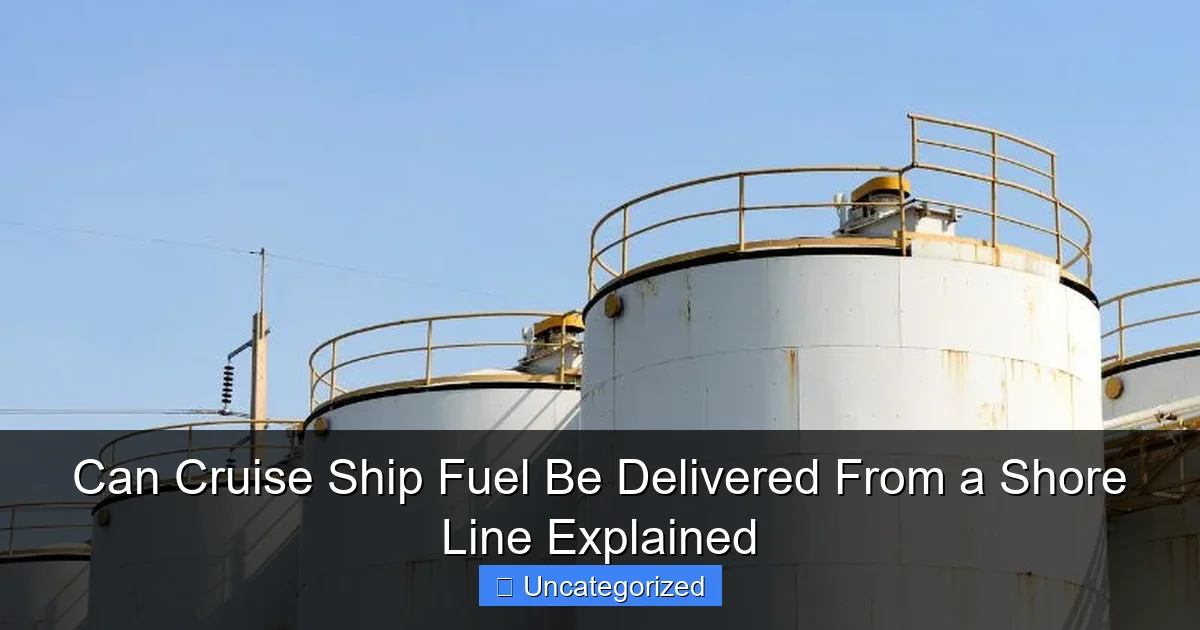
Featured image for can cruise ship fuel be delivered from a shore line
Image source: cruisemummy.co.uk
Yes, cruise ship fuel can be delivered from a shore line through specialized marine fueling systems known as “shore-to-ship” or “bunkering via pipeline,” commonly used in ports with fixed infrastructure. This method is safer, more efficient, and environmentally friendly compared to traditional barge refueling, especially as ports adopt cleaner fuels like LNG and low-sulfur distillates to meet global emissions standards.
Key Takeaways
- Shore-to-ship fueling is possible with specialized marine hoses and pumps.
- Port infrastructure must support high-volume fuel flow rates for efficient delivery.
- Environmental compliance is critical—use double-walled hoses to prevent spills.
- Fuel type matters—bunkering requires matching ship engines’ specifications precisely.
- Time efficiency depends on pipeline pressure and vessel tank capacity.
- Regulatory approvals are mandatory—coordinate with port authorities early in planning.
📑 Table of Contents
- Can Cruise Ship Fuel Be Delivered From a Shore Line? An In-Depth Exploration
- Understanding Cruise Ship Fueling: Traditional vs. Shore-Based Methods
- How Shore-to-Ship Fueling Works: The Technical Process
- Benefits of Shore-Based Fuel Delivery for Cruise Ships
- Challenges and Limitations of Shore-Side Fueling
- Real-World Examples and Future Outlook
- Conclusion: The Future of Cruise Ship Fueling Is on Land
Can Cruise Ship Fuel Be Delivered From a Shore Line? An In-Depth Exploration
Imagine a massive cruise ship, towering above the waterline, carrying thousands of passengers and crew across oceans. These floating cities require an enormous amount of fuel to power their engines, generators, heating systems, and more. But how is this fuel supplied? While most people assume fueling happens at sea via tankers or in port via barges, an emerging and increasingly viable method is shore-side fuel delivery—pumping fuel directly from the land to the ship via pipelines or flexible hoses. This method, known as shore-to-ship fueling, is gaining traction due to its efficiency, environmental benefits, and logistical advantages.
The question of whether cruise ship fuel can be delivered from a shore line is not just theoretical. It’s a practical, operational reality in many modern ports around the world. As the cruise industry faces growing pressure to reduce emissions, improve turnaround times, and enhance port safety, shore-based fueling offers a compelling alternative to traditional methods. In this article, we’ll explore how this process works, the technologies involved, the advantages and challenges, real-world examples, and what the future holds for this innovative fueling approach. Whether you’re a maritime professional, a cruise enthusiast, or simply curious about how these giants of the sea are fueled, this guide will provide a comprehensive understanding of shore-side fuel delivery for cruise ships.
Understanding Cruise Ship Fueling: Traditional vs. Shore-Based Methods
Traditional Fueling Methods: Barges and Tankers
Historically, cruise ships have been fueled using two primary methods: bunker barges and fuel tankers. Bunker barges are small, specialized vessels that transport fuel from refineries or storage facilities to ships at anchor or in port. They connect to the ship via flexible hoses and pump fuel directly into the vessel’s tanks. This method is common in ports without dedicated fueling infrastructure and is often used in remote or less-developed harbors.
Fuel tankers, on the other hand, are larger vessels that may deliver fuel to multiple ships in a single trip. They are typically used for longer-term or bulk fueling operations, especially when ships are not docked near fueling terminals. While effective, both methods have drawbacks: they require coordination, increase port congestion, and pose environmental risks due to potential spills during transfer.
Shore-Based Fueling: The Modern Alternative
Shore-based fueling, also known as pipeline-to-ship or shore-to-ship bunkering, involves pumping fuel from a land-based storage terminal directly to the cruise ship via fixed or flexible pipelines. This method bypasses the need for barges or tankers entirely. Fuel is stored in large onshore tanks, treated and tested, and then delivered through a network of pipes that connect to the ship’s fuel intake manifold.
This method is particularly advantageous in large, busy ports where space is limited and efficiency is paramount. For example, the Port of Los Angeles and Port of Rotterdam have implemented shore-side fueling systems to support cruise and cargo vessels. The process is highly automated, reducing human error and improving safety. Additionally, it allows for faster fueling, which is crucial for cruise ships with tight turnaround schedules between voyages.
Key Differences and Operational Implications
- Time Efficiency: Shore-based systems can deliver fuel faster than barges, especially when multiple ships are scheduled for bunkering.
- Environmental Safety: Reduced vessel traffic in the port means lower risk of collisions and fuel spills.
- Cost: While initial infrastructure investment is high, long-term operational costs are lower due to reduced labor and barge rental fees.
- Scalability: Shore systems can be expanded to serve multiple ships simultaneously, ideal for cruise hubs.
For cruise lines operating in high-traffic regions like the Caribbean, Mediterranean, or Alaska, switching to shore-based fueling can streamline operations and enhance sustainability goals.
How Shore-to-Ship Fueling Works: The Technical Process
Fuel Storage and Pre-Treatment
The process begins on land, where fuel (typically marine diesel oil, heavy fuel oil, or increasingly, liquefied natural gas (LNG) or biofuels) is stored in large, temperature-controlled tanks. These tanks are equipped with filtration systems to remove water, sediment, and impurities. Fuel quality is rigorously tested before transfer to ensure it meets international standards set by the International Maritime Organization (IMO) and ISO 8217.
For LNG-powered ships, the process is more complex. LNG is stored in cryogenic tanks at -162°C and must be kept under high pressure. Specialized pumps and vaporizers are used to manage the fuel’s state during transfer. Safety protocols are paramount, including gas detection systems and emergency shutoff valves.
Pipeline Network and Connection Systems
Once the fuel is ready, it is pumped through a dedicated pipeline network that runs from the storage facility to the dock. These pipelines are made of corrosion-resistant materials and are insulated to maintain fuel temperature. At the ship’s berth, a marine loading arm or flexible hose system connects the pipeline to the ship’s fuel intake.
Marine loading arms are rigid, articulated arms that can extend and adjust to the ship’s position, even as the vessel rises and falls with the tide. They are equipped with quick-connect couplings and emergency release mechanisms. Flexible hoses, often used for smaller vessels or temporary setups, are easier to deploy but require careful handling to avoid kinks or leaks.
Fuel Transfer and Monitoring
During transfer, fuel is pumped at a controlled rate, typically between 200 and 1,000 cubic meters per hour, depending on the ship’s tank capacity and port regulations. Real-time monitoring systems track flow rate, pressure, temperature, and total volume delivered. These systems are integrated with the ship’s fuel management software, allowing for precise control and documentation.
For LNG, the transfer process includes boil-off gas (BOG) management, where excess gas vaporized during pumping is captured and returned to the shore facility to prevent emissions. This closed-loop system enhances safety and efficiency.
Post-Transfer Procedures
After fueling, the system is purged with inert gas (usually nitrogen) to prevent fire hazards. The loading arm or hose is disconnected, and the connection points are sealed. A joint inspection is conducted by port authorities and ship crew to verify the volume delivered and ensure no leaks occurred. Digital records are logged for compliance with environmental and safety regulations.
Pro Tip: Always schedule fueling during low-wind conditions to minimize hose movement and ensure a secure connection. Use trained personnel to monitor the transfer process continuously.
Benefits of Shore-Based Fuel Delivery for Cruise Ships
Enhanced Safety and Reduced Risk
One of the most significant advantages of shore-based fueling is improved safety. Eliminating the need for bunker barges reduces the risk of collisions, spills, and accidents during transfer. Barges often operate in congested waters, increasing the likelihood of human error. With shore-to-ship systems, fuel transfer occurs in a controlled, fixed environment with fewer moving parts.
Additionally, shore systems are equipped with advanced safety features such as automatic shutoff valves, gas detection, and fire suppression systems. In the event of a leak, the fuel is contained within the pipeline, minimizing environmental impact.
Environmental and Emissions Advantages
Shore-based fueling supports the cruise industry’s sustainability goals. By reducing the number of vessels in port, it lowers local air pollution from diesel engines on barges. It also enables the use of cleaner fuels like LNG, which emits up to 25% less CO₂ than traditional heavy fuel oil.
Ports with shore-based LNG systems, such as the Port of Barcelona, report significant reductions in NOx and SOx emissions. Furthermore, the ability to deliver biofuels or future hydrogen-based fuels from shore makes this method future-proof as regulations tighten.
Operational Efficiency and Cost Savings
Time is money in the cruise industry. Shore-based systems can deliver fuel in 4–8 hours, compared to 10–12 hours for barge-based methods. This allows ships to spend less time in port and more time at sea, increasing revenue.
While the initial investment in pipelines and infrastructure is high (ranging from $5 million to $30 million depending on port size), the long-term savings are substantial. Reduced labor costs, lower insurance premiums (due to fewer accidents), and fewer barge rental fees add up over time.
Improved Port Management and Congestion Reduction
Large cruise ports like Miami, Singapore, and Hamburg face constant congestion. Shore-based fueling frees up berthing space and reduces vessel traffic, allowing for better scheduling of cargo ships, ferries, and other maritime activities. It also improves the passenger experience by minimizing noise and fumes from fueling operations.
Example: The Port of Seattle implemented a shore-based fueling system for its cruise terminals in 2020. Within a year, average fueling time dropped by 35%, and port throughput increased by 15%.
Challenges and Limitations of Shore-Side Fueling
Infrastructure Costs and Port Readiness
The biggest barrier to shore-based fueling is the high upfront cost of infrastructure. Building pipelines, storage tanks, safety systems, and connecting to the ship’s manifold requires significant capital investment. Smaller or developing ports may lack the financial resources or technical expertise to implement such systems.
Additionally, retrofitting existing cruise terminals can be challenging due to space constraints. In historic ports like Venice or Dubrovnik, space is limited, and environmental regulations restrict new construction.
Compatibility and Standardization Issues
Not all cruise ships are equipped to receive fuel from shore pipelines. Older vessels may have outdated intake systems or lack the necessary safety certifications. Standardizing connection points (e.g., hose size, pressure ratings, electrical interfaces) across the industry remains a work in progress.
For LNG, the challenge is even greater. Only a small fraction of cruise ships are LNG-powered, and retrofitting existing fleets is expensive. Until more ships adopt LNG, shore-based LNG systems may operate below capacity, reducing their cost-effectiveness.
Geographic and Regulatory Constraints
Shore-based fueling is most viable in deep-water ports with stable shorelines. In regions with strong tidal movements or shallow waters (e.g., parts of Southeast Asia), maintaining a secure connection can be difficult. Flexible hoses may stretch or snap under stress.
Regulatory hurdles also exist. Different countries have varying standards for fuel quality, safety, and emissions. Ports must navigate a complex web of international, national, and local regulations to implement shore-to-ship systems.
Maintenance and Downtime Risks
Like any infrastructure, shore-based systems require regular maintenance. Pipeline corrosion, pump failures, or software glitches can halt operations. In the event of a breakdown, cruise ships may be forced to use backup barge services, negating the efficiency gains.
Tip: Implement predictive maintenance using IoT sensors to monitor pipeline integrity and pump performance in real time.
Real-World Examples and Future Outlook
Global Case Studies: Success Stories
Port of Rotterdam, Netherlands: As Europe’s largest port, Rotterdam has invested heavily in shore-based LNG and biofuel systems. Cruise ships like those from Carnival Corporation can now refuel with LNG in under 6 hours, reducing emissions by 20–25% per ship.
Port of Los Angeles, USA: The port’s “Clean Air Action Plan” includes shore-to-ship power (cold ironing) and fueling infrastructure. Carnival’s AIDAluna was one of the first ships to use the system in 2021.
Port of Barcelona, Spain: With a dedicated LNG bunkering terminal, Barcelona supports MSC Cruises and Royal Caribbean. The system uses flexible hoses and mobile pumps, allowing it to serve multiple berths.
Emerging Technologies and Innovations
The future of shore-based fueling is being shaped by new technologies:
- Hydrogen Fuel Cells: Ports in Norway and Japan are testing hydrogen pipelines for future cruise ships.
- Ammonia Bunkering: A potential zero-carbon fuel, with pilot projects underway in Singapore.
- Digital Twin Systems: Virtual replicas of fueling infrastructure allow for real-time simulation and optimization.
- Automated Connection Robots: Under development, these systems could eliminate manual hose handling.
Data Table: Shore-Based Fueling Projects Worldwide (2020–2024)
| Port | Fuel Type | Capacity (m³/h) | First Operational Year | Primary Cruise Clients |
|---|---|---|---|---|
| Rotterdam, NL | LNG, Biofuel | 800 | 2021 | Carnival, MSC |
| Los Angeles, USA | LNG, MGO | 600 | 2020 | Carnival, Royal Caribbean |
| Barcelona, ES | LNG | 400 | 2019 | MSC, Norwegian |
| Singapore, SG | LNG, Ammonia (pilot) | 700 | 2022 | Celebrity, Princess |
| Hamburg, DE | MGO, Biofuel | 500 | 2023 | TUI, AIDA |
The Road Ahead
As the cruise industry commits to net-zero emissions by 2050, shore-based fueling will play a pivotal role. Ports are increasingly partnering with cruise lines to co-invest in infrastructure. Regulatory incentives, such as tax breaks for green ports, are accelerating adoption.
By 2030, experts predict that over 40% of major cruise ports will offer shore-to-ship fueling, with LNG and biofuels leading the way. The integration of renewable energy (e.g., solar-powered pumps) and smart grids will further enhance sustainability.
Conclusion: The Future of Cruise Ship Fueling Is on Land
The answer to the question—can cruise ship fuel be delivered from a shore line?—is a resounding yes. Shore-based fueling is not just possible; it is already a reality in many of the world’s busiest and most forward-thinking ports. By leveraging pipelines, flexible hoses, and advanced monitoring systems, cruise ships can now refuel faster, safer, and with a smaller environmental footprint.
From reducing port congestion and emissions to improving operational efficiency and safety, the benefits are clear. While challenges remain—particularly around cost and compatibility—the momentum is undeniable. As cruise lines invest in greener fleets and ports modernize their infrastructure, shore-side fueling will become the norm, not the exception.
For the industry, this shift represents a critical step toward sustainability and resilience. For passengers, it means cleaner air, quieter ports, and more reliable schedules. And for the planet, it’s a meaningful contribution to reducing maritime emissions. The future of cruise ship fueling is not at sea—it’s firmly on land, connected by pipelines, innovation, and a shared commitment to a better maritime world.
Frequently Asked Questions
Can cruise ship fuel be delivered from a shore line?
Yes, cruise ship fuel can be delivered from a shore line using specialized pipelines or hoses connected to onshore fuel storage facilities. This method is often used in ports with established bunkering infrastructure to reduce ship downtime.
How is cruise ship fuel transferred from the shore line?
Fuel is transferred via high-capacity pipelines or flexible hoses from shore-based storage tanks to the ship’s fuel tanks. The process is carefully monitored to prevent spills and ensure safe, efficient delivery.
Is delivering cruise ship fuel from a shore line safer than bunkering?
Shore line fuel delivery can be safer than traditional bunkering (via fuel barges) because it reduces the need for ship-to-ship transfers, minimizing collision risks and fuel spills. However, strict safety protocols must still be followed.
What types of fuel can be supplied from a shore line?
Common fuels like marine gas oil (MGO), heavy fuel oil (HFO), and liquefied natural gas (LNG) can be delivered from a shore line. The choice depends on the ship’s engine compatibility and port capabilities.
Are there ports that specialize in shore line cruise ship fuel delivery?
Yes, major cruise hubs like Miami, Barcelona, and Singapore offer shore line fuel delivery services. These ports have invested in infrastructure to support faster, cleaner fueling for large vessels.
Does shore line fuel delivery reduce cruise ship emissions?
Yes, by enabling cleaner fuel types (like LNG) and reducing the need for auxiliary vessels, shore line delivery can lower overall emissions. It also allows ships to shut down engines during refueling, cutting port pollution.